Wednesday, April 4, 2018

San Francisco: Watch The Women In Coffee Panel At Fellow

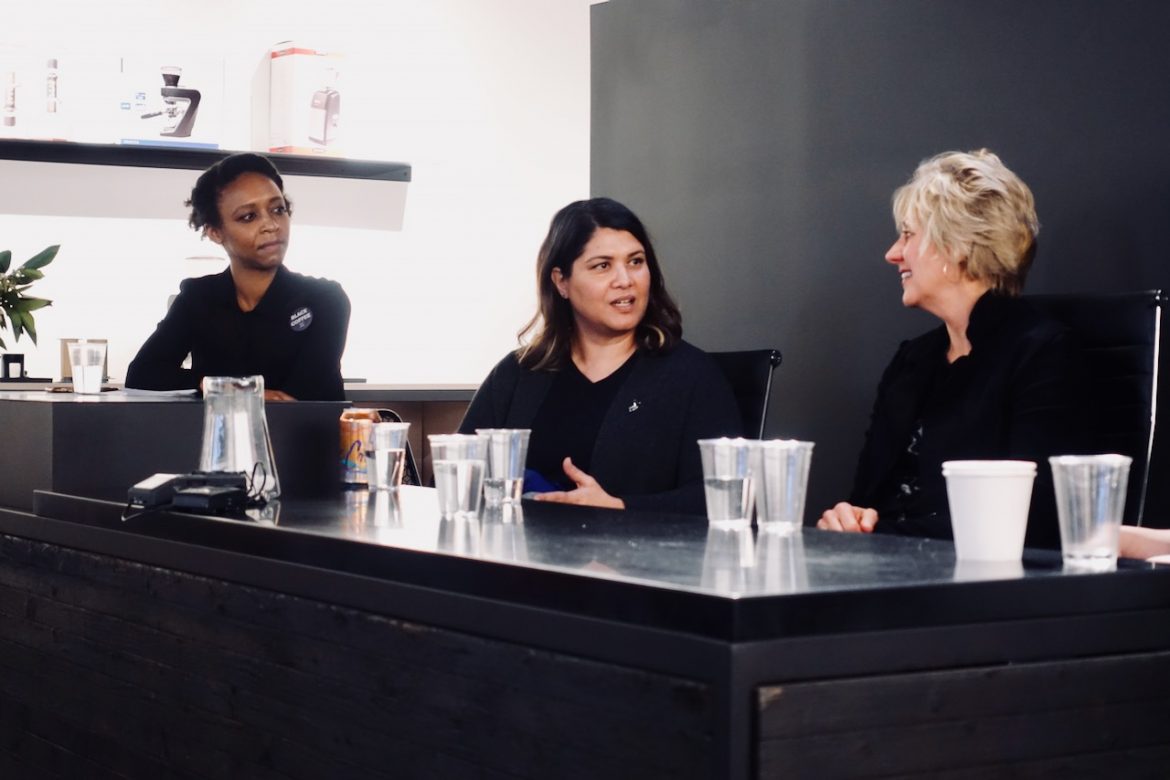
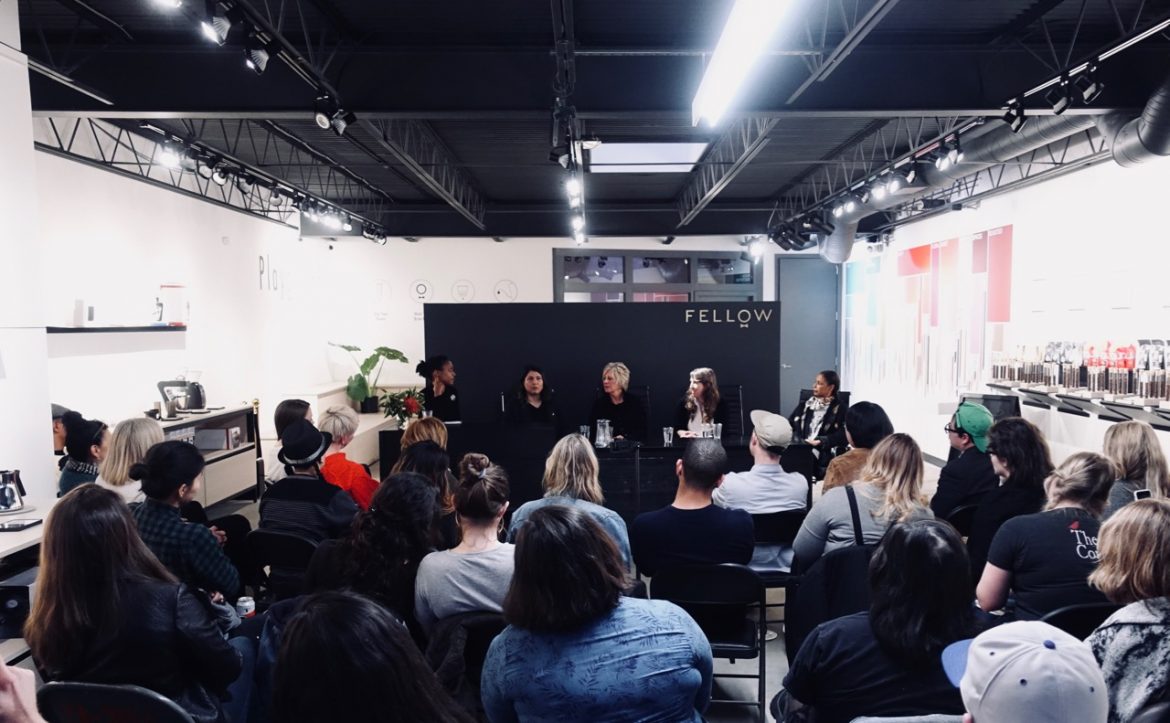
On Saturday, March 24th the new Fellow showroom on Valencia in San Francisco played host to a Women In Coffee panel, featuring prominent female coffee professionals from around the Bay Area. The discussion was led by Alicia Adams (Director of Coffee of Red Bay Coffee Roasters) and featured business owners Eileen Rinaldi (founder and CEO of Ritual Coffee Roasters), Helen Russell (co-founder and CEO of Equator Coffees & Teas), Trish Rothgeb (co-founder, co-CEO, and Director of Coffee at Wrecking Ball Coffee Roasters), and Rachel Konte (Chief of Design at Red Bay Coffee Roasters).

“Here at Fellow we pick themes for the store every month,” explained manager Jessica Caisse. “In honor of International Women’s Day we decided March would be ‘Boss Ladies Month’ during which we would highlight and celebrate women in the coffee industry. We featured women-owned and operated roasters, promoted women producers, and planned a ‘Women in Coffee’ mixer like we’ve enjoyed at other businesses in the past, where ladies in the industry have a fun night to connect over food and drinks.”

Caisse teamed up with Akaash Saini of Equator Coffees and Teas who’d been developing this program and needed a venue. “It couldn’t have been more perfect timing,” Caisse told Sprudge.

Before the panel kicked off, around forty-five guests mingled in the expansive showroom, with food provided by Dripline of Oakland, CA. “The owner and head chef, Nora Dunning, is getting a lot of local exposure,” says Caisse, “She was one of the head pastry people at Farley’s and Blue Bottle. Dripline is now becoming one of the hot spots in Oakland.” Dripline’s food draws from South East Asian flavors and contemporary California cuisine—think a cardamom-spiced muffin dusted with Equator Coffees’ Tigerwalk espresso blend.

Drinks were provided by women-owned Inconnu Wine and beer by women-owned Good Food Award winning brewery Sufferfest.

Alicia Adams moderated the panel and touched on issues like diversity, sexual harassment, challenges of being a woman in coffee, and dismantling outdated systems. “I was honored and inspired to be moderating a panel of women with so much experience in the coffee industry,” Adams tells Sprudge. “A lot of them have paved the way for women in the coffee industry, and to hear their thoughts and advice on the more serious topics like sexual harassment and gender inequity while still keeping the conversation positive and uplifting is exactly what we need more of.”

Alicia Adams, Trish Rothgeb, and Helen Russell.

“[Adams] asked great questions that pushed us toward some illuminating realizations. I learned so much from the other panelists, as well as Alicia,” Trish Rothgeb told us.

“It’s always an honor to represent Women of Color in the Coffee industry,” says Rachel Konte. “We are unicorns, but that is not holding us back. We need to be seen so others can follow.”

“It was wonderful to look out at the audience and see more than one kind of person represented,” Rothgeb continued. “A panel made up of women talking about the coffee lives of women can draw a diverse crowd! This is amazing to see.”

The panel lasted a little over an hour and included topics that panelists had different takes on. Some championed transparency in wages while others were more cautious. “Compensation is a complex topic and it was interesting to hear how we all manage transparency at different stages of growth,” said Helen Russell.

“Rachel, Helen, Trish, Eileen, and Alicia were a wonderful team to lead a discussion like this, and the response I’ve had from guests has been overwhelmingly positive,” said Caisse. “Communities coming together in this way on a regular basis is so important to the health and vibrance of our industry, and I’m honored Fellow could be a part of it.”

Watch the complete video below:

Sprudge is proudly partnered with this Women In Coffee event. Special thanks to Fellow and Equator Coffees, and to all the panelists, our host Alicia Adams, and attendees.

Zachary Carlsen is a co-founder at Sprudge Media Network. Read more Zachary Carlsen on Sprudge.

The post San Francisco: Watch The Women In Coffee Panel At Fellow appeared first on Sprudge.


from RSSMix.com Mix ID 8200593 http://sprudge.com/san-francisco-watch-the-women-in-coffee-panel-at-fellow-131624.html

Tuesday, April 3, 2018

Friday: Philadelphia’s ReAnimator Coffee Is Throwing Down For The ACLU

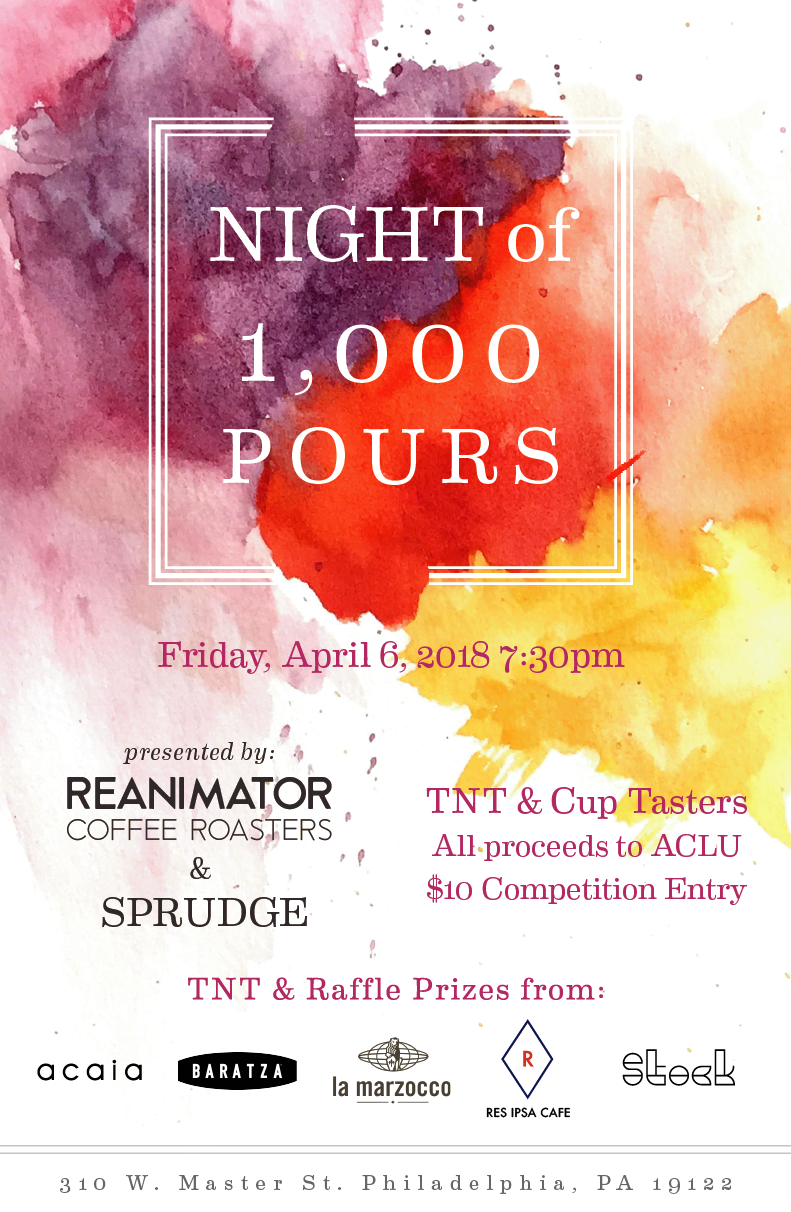
You know how every time you go see a Marvel movie you have to stay until the post-credits scene so you can see what the next Marvel movie will be? Well this is kind of like that, but for charity. Philadelphia’s ReAnimator Coffee, presumably still drunk off the stupid Eagles winning the Super Bowl, must have slept through the March 16th Night of 1,000 Pours event Sprudge facilitated nationwide, so they’re throwing a NoTP (No1P? NoKP?) addendum event this Friday, April 6th.

Starting at 7:30pm at their 310 Master St location, ReAnimator will be hosting a combination latte art throwdown and Cup Tasters competition with all the proceeds from the $10 entry fee going to the Pennsylvania chapter of the American Civil Liberties Union. But don’t worry, L’Artists, thanks to donations from sponsors Acaia, Baratza, La Marzocco, Res Ipsa, Stock, and others, there will be prizes aplenty for pourers who can execute the highest beauty to milk ratio.

So stick around until Friday at 7:30pm; the credits are almost over and ReAnimator is screening the post credits scene. With any luck, Samuel L. Jackson will make an appearance.

Disclaimer: Samuel L. Jackson will not be making an appearance, but you should still go to support the ACLU of Pennsylvania.

Zac Cadwalader is the news editor at Sprudge Media Network and a staff writer based in Dallas. Read more Zac Cadwalader on Sprudge.

*all images via ReAnimator Coffee

The post Friday: Philadelphia’s ReAnimator Coffee Is Throwing Down For The ACLU appeared first on Sprudge.


from RSSMix.com Mix ID 8200593 http://sprudge.com/friday-philadelphias-reanimator-coffee-is-throwing-down-for-the-aclu-131791.html

Vito Sportelli & Andrea Peconio Are Your Amsterdam Coffee Mixologist Champs

amsterdam coffee festival netherlands coffee mixologists

amsterdam coffee festival netherlands coffee mixologists

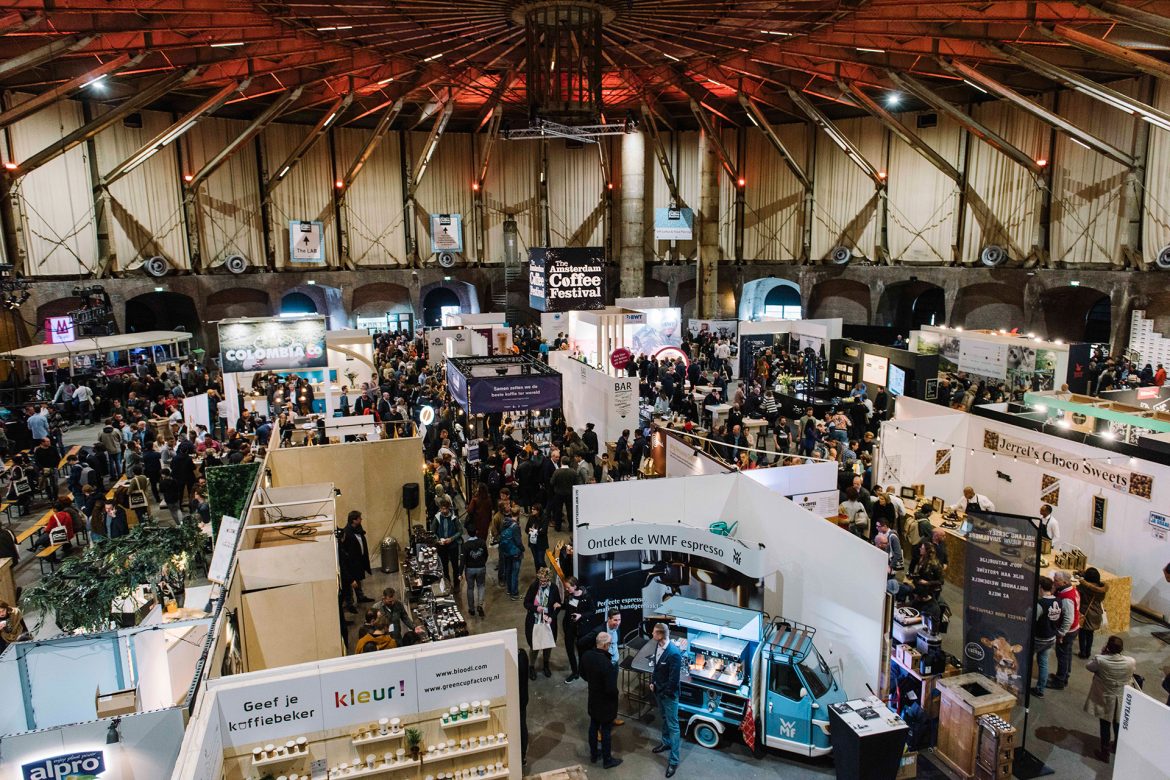
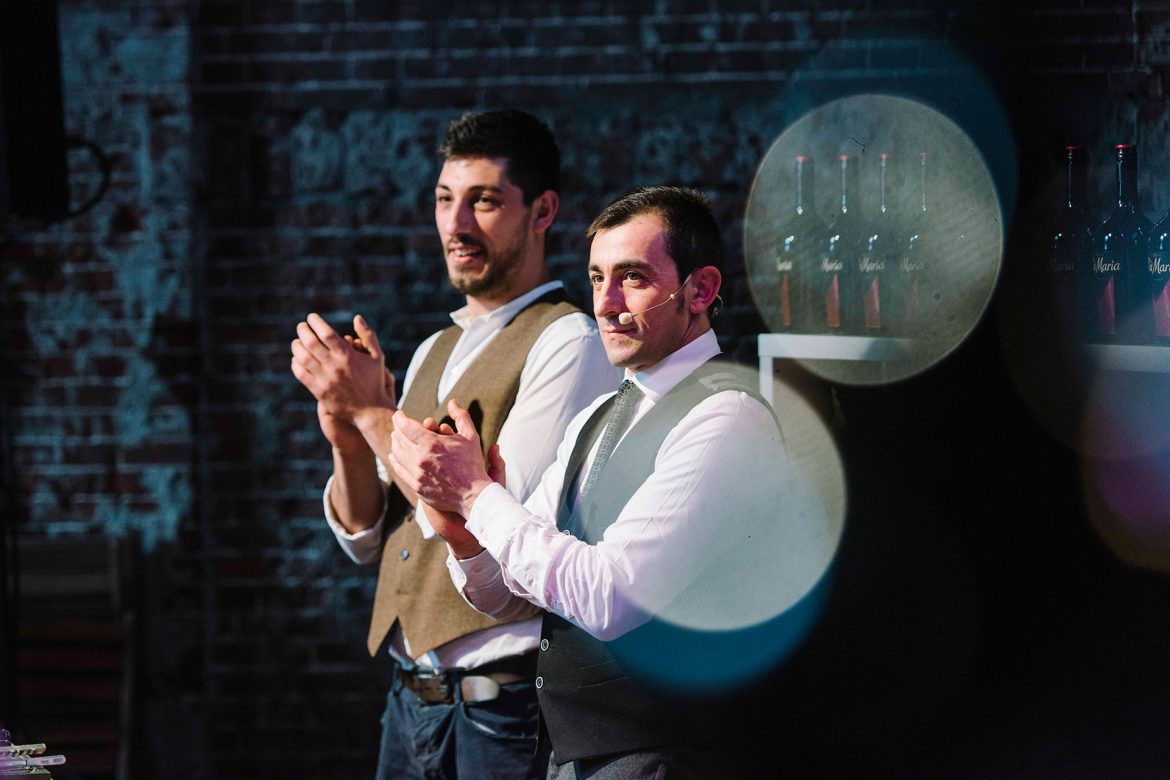
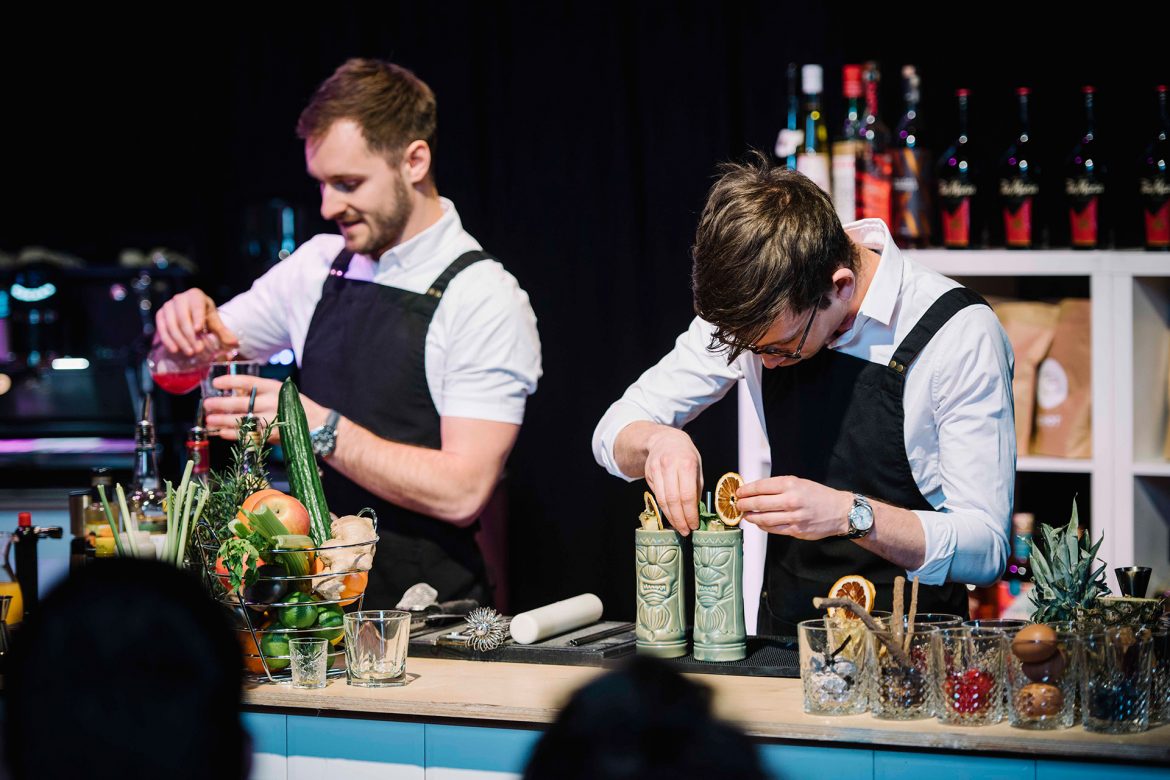
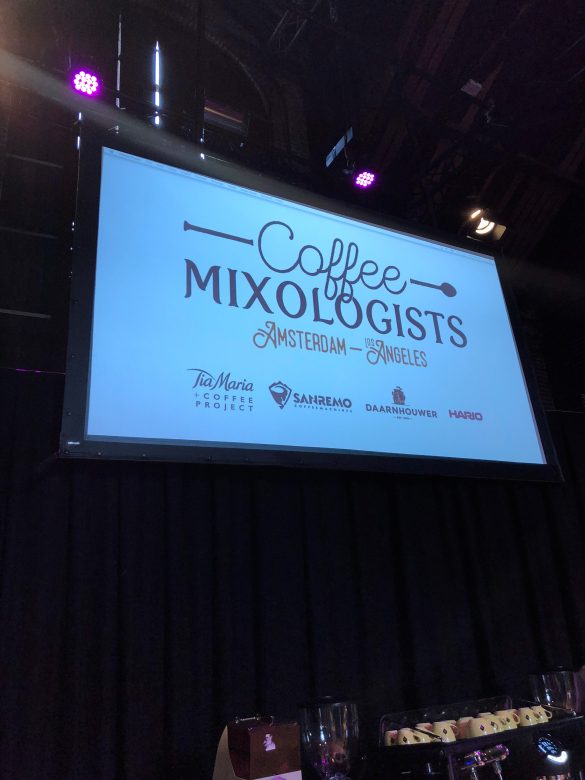
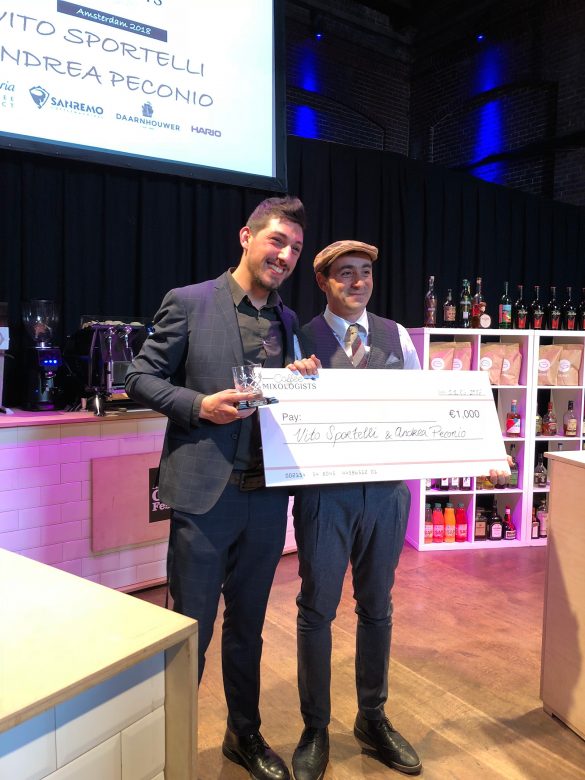
Coffee cocktail-making virtuosi Vito Sportelli and Andrea Peconio have been crowned champions at the 2018’s Coffee Mixologists tournament at Amsterdam Coffee Festival. The Italians battled seven other teams of two, across four rounds, over the three days of last month’s festival in Holland. Sponsored by Tia Maria, Sanremo, and Daarnhouwer in its second year, Coffee Mixologists is fast emerging as a major new competitive coffee event, and carries with it a sizable cash prize. 

amsterdam coffee festival netherlands coffee mixologists

While 2017’s winners were a Dutch barista and bartender duo who proved to be deft partners in drink-making (and as of January, baby-making), this year’s title and €1,000 prize went to close-knit colleagues. Both are trainers at Barproject, a beverage events and consulting company in Bari, the seaport city located where, if Italy’s boot were imagined cowboy-style, the spur would jut. A 39 year old from Conversano, Sportelli also runs his own cocktail catering company, Aperinfresco, and 28-year-old Peconio moonlights as head bartender at Kabuki, a club, bar, and restaurant in his hometown of Bari.

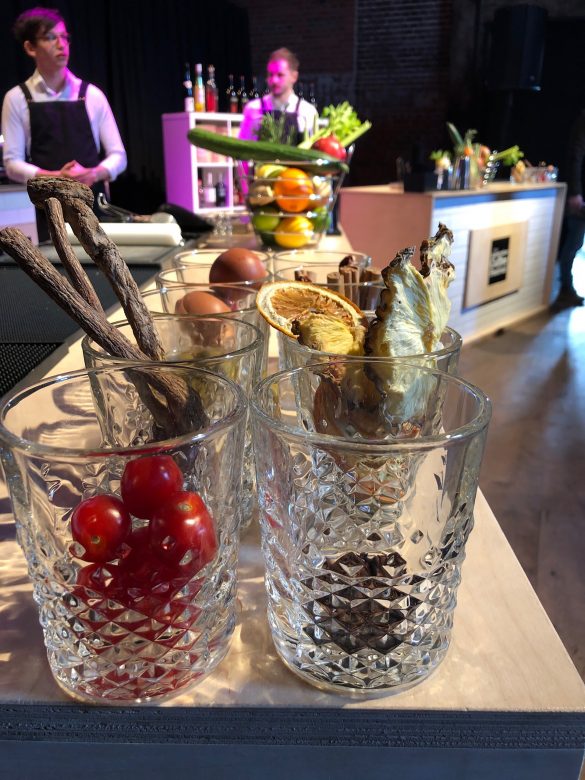
Sportelli and Peconio’s signature drink, called the Terrone, combined two coffees from Italian specialty roaster Edo Quarta—a natural Colombian Quindio Villa Roa and a washed Kenyan Karindundo Nyery—with booze aplenty. An ibrik warmed up the spirits before smoking them and incorporating angostura bitters, thyme, and cascara.

amsterdam coffee festival netherlands coffee mixologists

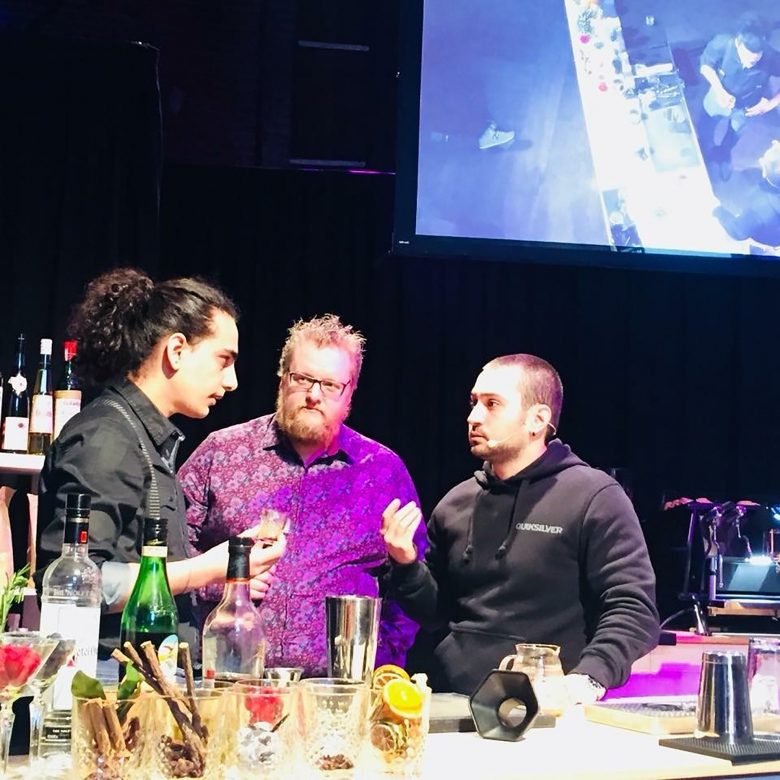
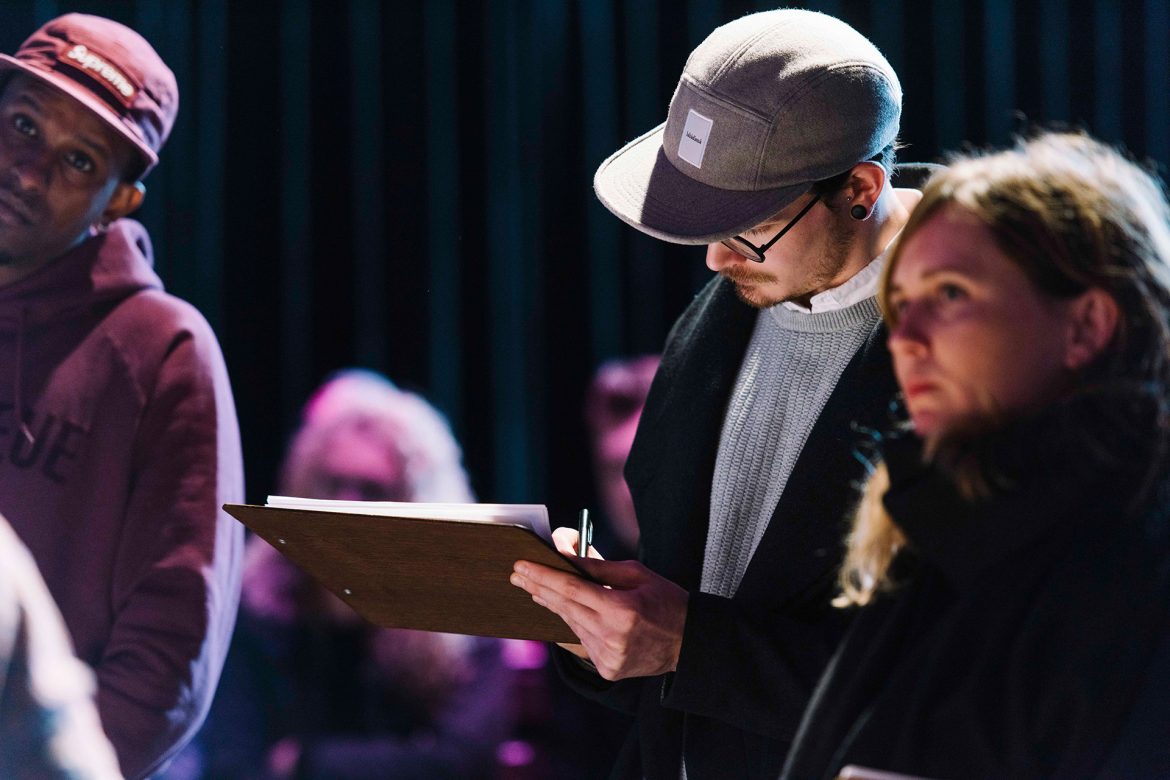
For the second year of the tournament, returning judges included Anne Lunell, co-founder of Swedish roaster Koppi, and Hani Asfdaai, acclaimed bartender and owner of Noah in Rotterdam. New to adjudication this year was 2017 London Coffee Masters champion James Wise, and serving as the affable and enthusiastic MC was Dave Jameson, a twice-crowned UK Coffee in Good Spirits champion and coffee program manager at Bewley’s UK.

“I was really impressed with Vito and Andrea from their first performance,” Jameson shared with Sprudge. “They didn’t make a bad drink all weekend, and the drink they prepared in the final was just sublime! Very deserving winners and I look forward to seeing them performing again soon.”

amsterdam coffee festival netherlands coffee mixologists

Dave Jameson of Bewley’s UK (center).

amsterdam coffee festival netherlands coffee mixologists

Judges James Wise (center) and Anne Lunell (right).

Before heading to the London Coffee Festival—to hold mixology and coffee training sessions as part of the Cimbali Sensory Series—Sportelli and Peconio answered some questions for Sprudge about the contest and their careers.

The interview has been lightly edited for clarity.

How did you get involved in coffee and cocktails?

Vito Sportelli: Studying and experimenting with basic products as part of being a professional Italian barista, and having the products always present in the bar where we usually work.

Andrea Peconio: My passion led me to get experience working with alcohol. That then led to experience with coffee preparation and eventually how to mix them together.

Why did you decide to enter the Coffee Mixologists competition?

VS: It was a challenge—to get out of our comfort zone and have us confront professionals beyond our own country.

AP: To set ourselves outside our home environment and see what it would be like to put that kind of pressure on ourselves.

amsterdam coffee festival netherlands coffee mixologists

Photo courtesy of Dave Jameson.

Do you consider one of yourselves more of a barista and the other a bartender, or do you both feel equally comfortable with coffee and cocktails?

VS: Thanks to all the work we have done in recent years, we are quite complementary in both disciplines.

AP: We are both bartenders though, above all, work well together as a close-knit team.

In the first round, The Signature Drink, you prepared the Terrone, which include Bols Genever 1575 and Imea Gineprina d’Olanda 1897. Did making this drink for a competition in Amsterdam influence the decision to use traditional Dutch alcohol?

VS: Absolutely. We like to create drinks that are not just perfectly balanced, but that also have cultural content. We were thinking about how to create a union between our land and the Amsterdam Coffee Festival.

AP: Terrone is the result of the Barproject crew’s teamwork. However, Dutch products were chosen to honor Dutch culture.

amsterdam coffee festival netherlands coffee mixologists

Photo courtesy of Dave Jameson.

How was working with the secret ingredients in The Mystery round?

VS: Stimulating and fun.

AP: And to succeed in these rounds, we focused on really evaluating the characteristics of the single-origin coffee that we had to use.

What was the hardest part about the competition?

VS: During the semi-final [in the Redefining the Classic round], the competition required us to reinterpret a Black Russian. The greatest effort was reinventing it without being banal. We revised it tiki-style, keeping the characteristics of the drink when in contact with the lips and letting it evolve during the drinking process so it could still carry exotic notes.

While Italy leads in the world in terms of coffee technology, your country’s specialty coffee roasting and cafe scene is still emerging. Do you see yourselves as ambassadors for contemporary Italian coffee or cocktails?

VS: We believe that a barista in Italy must necessarily know all the materials that he deals with during his work, and we work every day applying this philosophy—above all, during our shifts behind the bar.

We have been working with specialty products for six years now, incorporating them in our consumer education and catering, all while respecting the concept of made-in-Italy as well as new world trends.

amsterdam coffee festival netherlands coffee mixologists

This event includes a €1000 cash prize. Photo courtesy of Dave Jameson.

Is there something specifically Italian that you brought to this competition?

VS: Probably the all-Italian ability to communicate and excite.

What’s in store for the future?

VS: I hope to be able to continue traveling, to explore how to experiment, and maybe thanks to this victory, to have new job opportunities abroad.

AP: I would like to open a club of my own and continue to grow my professional skills.

Karina Hof is a Sprudge staff writer based in Amsterdam. Read more Karina Hof on Sprudge. 

Photos courtesy of the Amsterdam Coffee Festival unless otherwise noted.

The post Vito Sportelli & Andrea Peconio Are Your Amsterdam Coffee Mixologist Champs appeared first on Sprudge.


from RSSMix.com Mix ID 8200593 http://sprudge.com/coffee-mixologists-interview-131761.html

Monday, April 2, 2018

Coffee Doesn’t Cause Cancer, Says American Institute For Cancer Research

In September, we reported that a battle was raging in the California court system over whether or not coffee should come with a cancer-warning label. You may remember it from our imagining of what carcinogenic coffee might look like (see above). Well, those hippy dippy librul California courts went ahead and decided in favor of adding cancer-warning labels for coffee. We all think this is silly, because of course we do; coffee people don’t want those sorts of labels on their beloved nectar. But you know who else thinks this ruling is stupid? The American Institute for Cancer Research (AICR).

A quick refresher on this whole foofaraw: roasted coffee contains a chemical called acrylamide, which has been linked to cancer in rats. The level of acrylamide in roasted coffee—and a ton of other things we eat, mind you—is incredibly low, not nearly as high as the amount given to rats to cause cancer. And because of California’s Safe Drinking Water and Toxic Enforcement Act, “private citizens, advocacy groups and attorneys can sue on behalf of the state and collect a portion of civil penalties,” which is exactly what happened.

After a Los Angeles County Superior Judge ruled that “all coffee shops and sellers in the state of California must label their product and warn their consumers about potential cancer risk from drinking coffee,” the AICR issued a rather emphatic statement in support of coffee not requiring any cancer warnings. In the statement, the AICR enumerates the many reasons coffee should not be considered carcinogenic as it relates to acrylamide content. Reasons include the aforementioned trace amounts found in coffee not being high enough to be carcinogenic, empirical research measuring acrylamide levels in the blood of high coffee consumers that shows “no hint of increased cancer risk,” and allusions to other research that shows many of the hundreds of compounds in coffee actually decreasing the possibility of cancer.

In short, their argument can be summed up thusly:

On a “cancer worry” scale from 0 to 10, coffee should be solidly at 0 and smoking at 10; they should not have similar warning labels. Those who like drinking coffee should have no concerns at all, except perhaps, if they add too much sugar and cream or are very sensitive to the effects of caffeine.

So when it comes to doing something you are going to do anyway, who are you going to believe: a government official saying you shouldn’t or actual scientists who have done the leg work and say that you can? Yeah, me too.

Zac Cadwalader is the news editor at Sprudge Media Network.

The post Coffee Doesn’t Cause Cancer, Says American Institute For Cancer Research appeared first on Sprudge.


from RSSMix.com Mix ID 8200593 http://sprudge.com/coffee-doesnt-cause-cancer-says-american-institute-for-cancer-research-131752.html

In Montevideo, La Farmacia Café Serves A New Drug

la farmacia montevideo uruguay rafael tonon

la farmacia montevideo uruguay rafael tonon

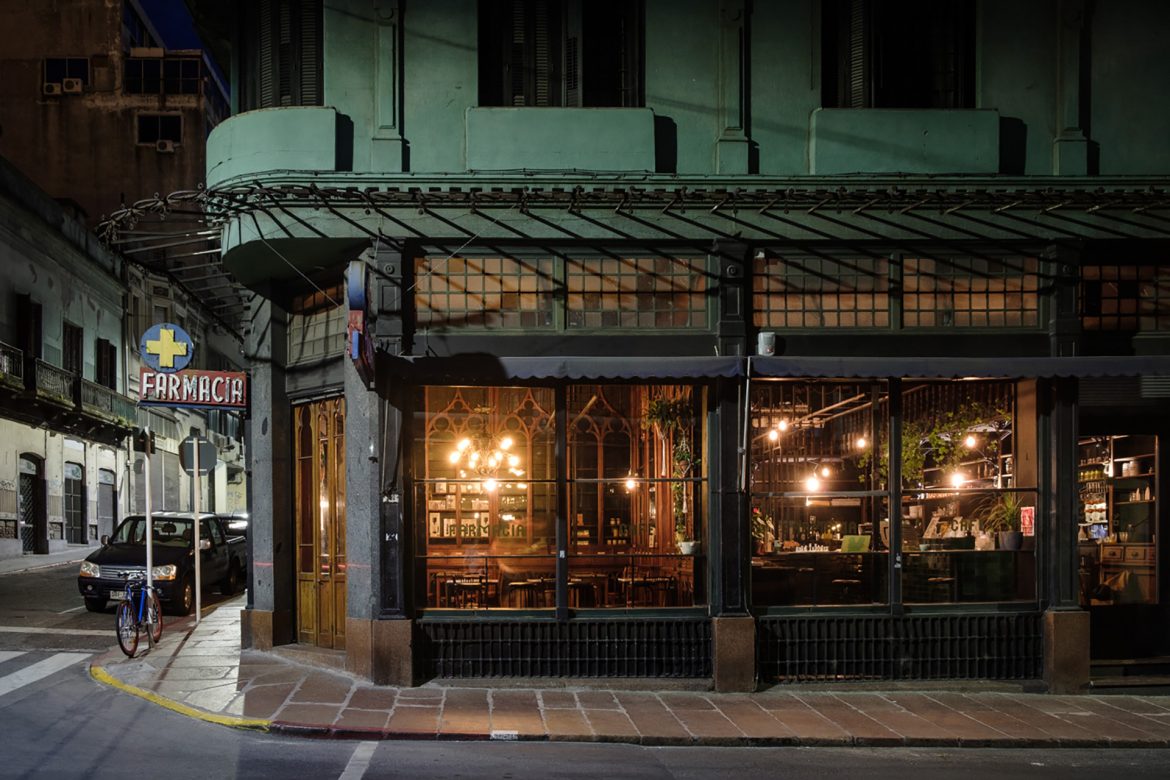
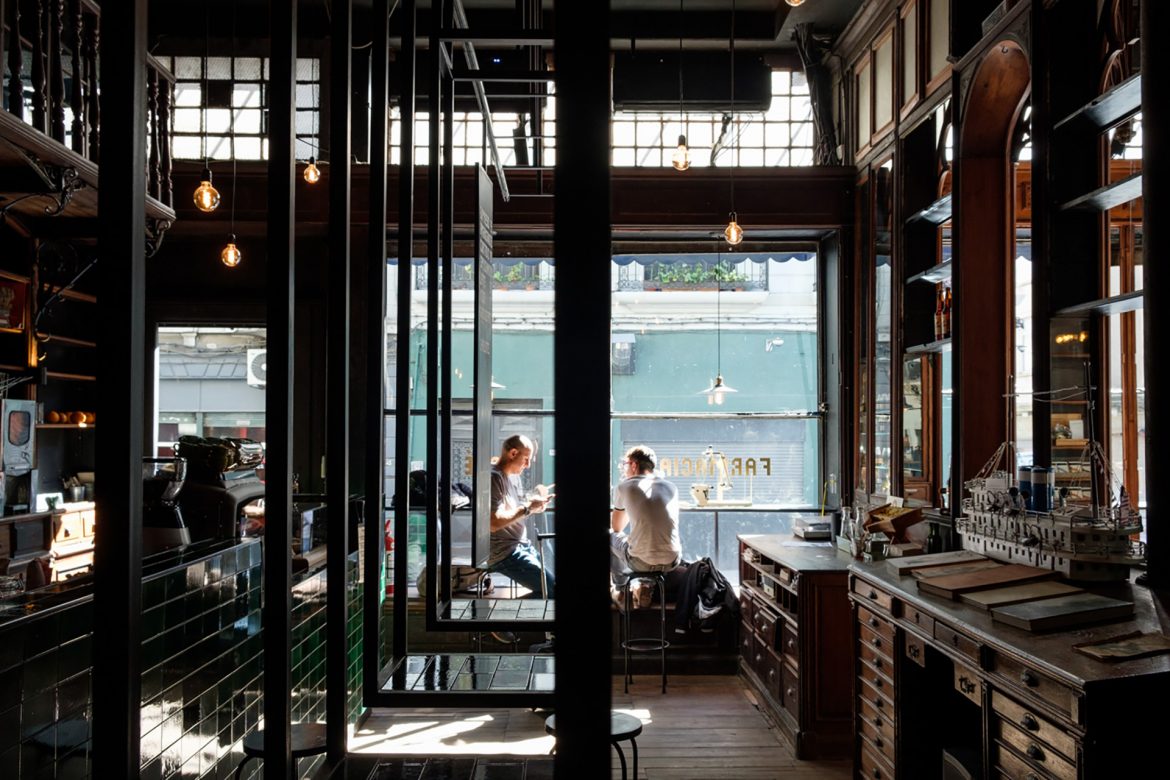
Since caffeine is the most popular drug in the world, there’s nowhere better than to get a fix in a drugstore, right? La Farmacia Café is one such establishment, a drugstore-turned-cafe in Montevideo’s old city, Ciudad Vieja, which today is undergoing something of a specialty coffee renaissance.

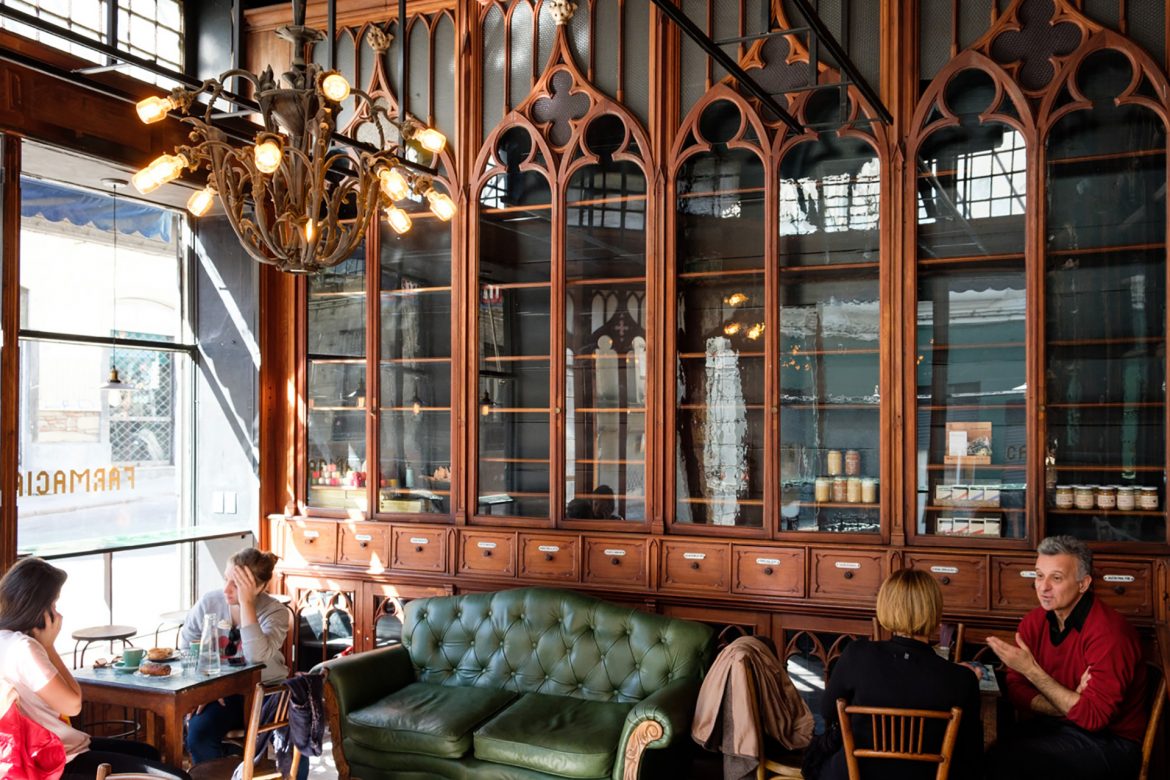
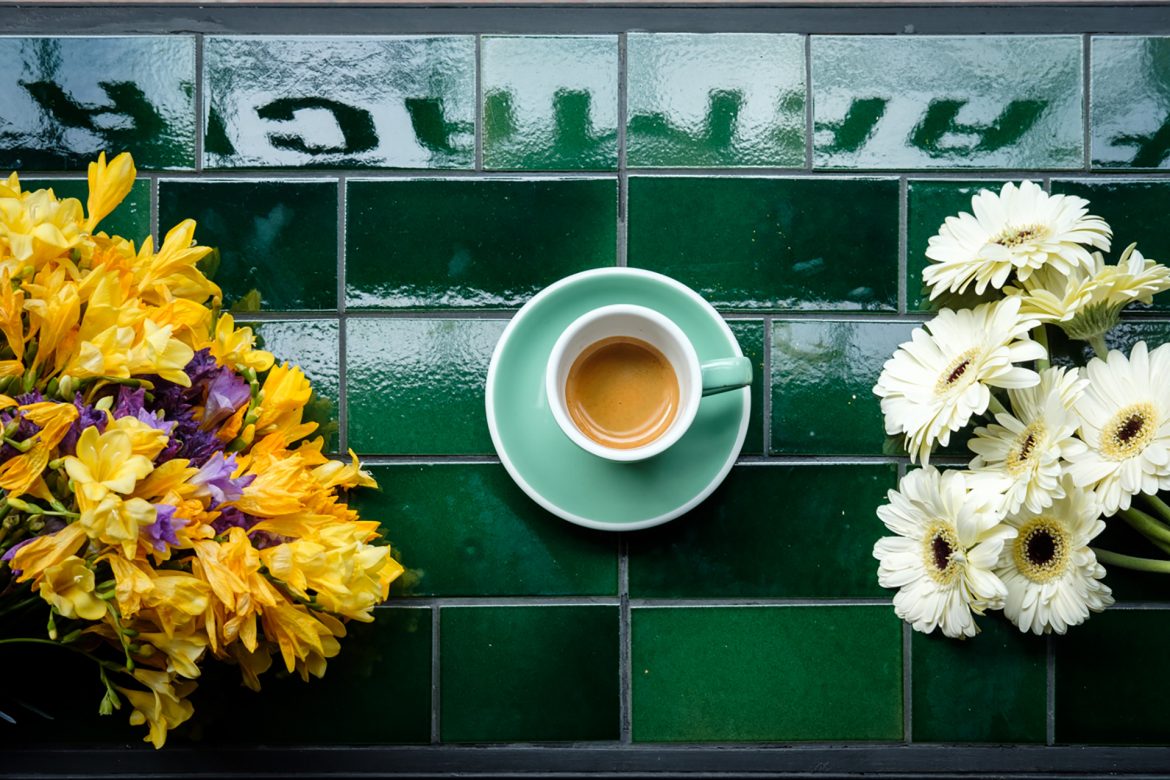
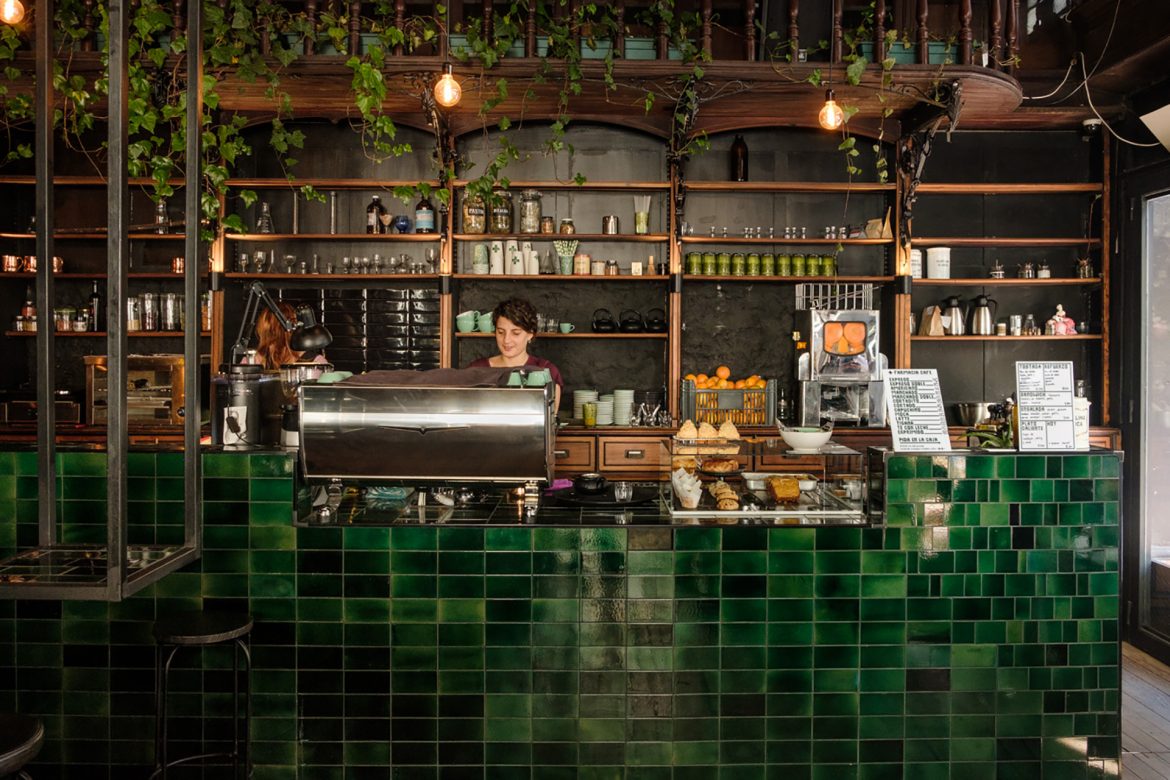
La Farmacia maintains the structure and some of the furnishings used in the days when a pharmacy operated in its place—in part because renovations weren’t allowed in the historic building it calls home. The tiles on the walls, a new counter, and some of the decor are all that’s been touched up.

la farmacia montevideo uruguay rafael tonon

“We knew the place had a story to tell, as do many other historical buildings around the Old City that tell us about the habits and rituals of other times,” says Martin Chamyan, the head barista who runs La Farmacia in partnership with his siblings, Camila and Augustin. The Chamyans also own two other coffee shops in the city: La Madriguiera Café and El Club del Pan.

Chamyan explains that their aim was to bring back the old custom of drinking a cup of coffee standing by the counter, so they designed a massive counter where customers can interact with baristas, have their morning coffee, and head off to work. “On the other hand, we understood that the place deserved to be delightful, so we also set a place with proper tables and chairs,” he adds.

“The cool thing is that the old pharmacy worked pretty much the same way—it had two separate rooms, one for the preparation of the drugs, from that time when the doctor gave you a special recipe and the drug needed to be prepared in the laboratory of the place, and a front area where the formulas were sold,” Chamyan says.

la farmacia montevideo uruguay rafael tonon

The “drugs” served here today range from espresso drinks to hand-brewed coffees on the Chemex, V60, AeroPress, French press, syphon, ROK, and cold drip. “We have a special overhead mirror so customers may see us prepare their coffee from above,” Chamyan says.

La Farmacia works hand in hand with MVD Roasters, a local roastery that started the specialty coffee scene in Montevideo—and has become a supplier to many businesses in the city. “As partners, we decide on each blend and single origin’s roasting profile for our espresso machine and other domestic brewing methods,” Chamyan says.

Chamyan’s interest in coffee started six years ago, when he was living in Sydney, Australia. “I just couldn’t understand how these people took such a beverage as a normal thing, and got really interested in understanding the why behind the what. My first experience working as a barista happened after really nagging the people behind the counter of my favorite coffee shop to a point where they thought the best idea would be to teach me to work there,” he says.

la farmacia montevideo uruguay rafael tonon

la farmacia montevideo uruguay rafael tonon

“La Farmacia came about as a result of this sharing and experimenting with other people about this passion. The owner of the building where La Farmacia operates waited almost 10 years for people who shared his interest for history, culture and, of course, coffee to come along,” he adds.

After several visits to Chamyan’s first coffee shop, La Madriguiera,  the building’s owner asked the Chamyan family if they would consider opening another venue. “Fortunately enough, up to that time, we had been teaching and welcoming new people to the coffee world so within a few months we had a solid team to start this new adventure,” Chamyan says.

He adds that coffee culture may be seen as a luxury in his country. The takeaway cups and the buzz of the big cities are a dream for Uruguay’s slow-paced people. “Coffee culture is not something that just appears in big countries from nothing,” says Chayman. Rather, he says, it follows a shift in the demands of a population, as part of a path towards evolving lifestyles and cultures. “That’s why from my perspective the Third Wave movement came to generate a new culture and new way of living with coffee,” he says.

More than serving the taza perfecta, or the perfect cup, for his customers, Chamyan now plans to go higher—or lower, if we take it literally. “We have a secret basement full of potential, and we have been discussing several ideas ranging from a bakery, a ping-pong arena, and a brewery. It all looks as though we could make all of them happen, but for the moment we are investing in having our own pharmacy’s craft beer,” he says.

Chamyan and his siblings are also developing methods to accept means of payments via cryptocurrencies such as Bitcoin or Attention Units (AU). “AU was tested in our first coffee shop and it allows you to earn money by watching advertisements, so if you would like an espresso you could possibly pay by watching two video ads,” he says. In the end, though, these are just shiny new ways to pay for the same old drugs.

La Farmacia Café is located at Calle Cerrito 550, 11000 Montevideo. Follow them on Facebook and Instagram.

Rafael Tonon is a freelance journalist based in Brazil. Read more Rafael Tonon on Sprudge.

Photos courtesy of Francisco Supervielle.

The post In Montevideo, La Farmacia Café Serves A New Drug appeared first on Sprudge.


from RSSMix.com Mix ID 8200593 http://sprudge.com/la-farmacia-cafe-montevideo-128469.html

Micro Lot Coffee: How to Limit Risk & Improve Quality

Micro lots are the golden child of the specialty industry. For buyers and consumers, they signify exceptional-quality coffees with distinctive flavour and aroma profiles that can be traced back to origin. And for producers, they offer significant financial benefits – but they also come with risks.

I spoke to specialty coffee importers The Coffee Quest and several of their producing partners to learn how to ensure the highest possible quality while also reducing risks. Read on to discover what I found out.

You might also like Macro Lot vs Micro Lot: What’s The Difference?

coffee expertsCupping micro lots at Peralta Coffee lab in Nicaragua. Credit: The Coffee Quest

Micro Lots: Better Coffee, Better Incomes

Octavio Peralta, General Director of Peralta Coffees in Nicaragua, tells me that micro lots can result in increased and more stable incomes. This is because producers like him and his family not only get paid more per pound of coffee but are also able to plan ahead. Before they set aside a section of their farm for micro lots, they can negotiate a contract with the buyer, which may mention specific production and processing methods, cup scores, and more.

Because of this, as Marilec Sevilla, a Q Grader and Quality Control Analyst at Peralta Coffees, says, producing micro lots can lead to greater employment as well as numerous other benefits for the community.

Yet there will only be this positive impact if the risks are anticipated and adequately managed.

screen sizeSorting green coffee beans by screen size at Peralta Coffees, Nicaragua. Credit: The Coffee Quest

Micro Lots: A Risky Business

Producing micro lots means a lot of extra work for a producer. Ronald de Hommel is a Co-Founder of The Coffee Quest, a Netherlands-based importer that works directly with Peralta Coffees in Nicaragua, along with other Central American, South American, and African origins. He tells me that a producer needs to manage the processing much more closely. Sometimes, he explains, they will use longer fermentation and drying times, carefully controlling the shade, temperature, and more to achieve this. In turn, this requires extra time and money.

Friso Spoor, another of The Coffee Quest’s Co-Founders, is in charge of quality control and European imports. He adds that it’s not just during processing that the producer’s workload is increased. For example, they need to invest more time in checking ripeness and sugar levels during picking. And, as Octavio tells me, while this investment should pay off in the long term, for now, it means spending more on labour.

Moreover, quality improvements – while expected – are not always guaranteed. “In general, we see at least a two-point rise in the score,” Ronald explains. Yet there’s always a risk.

Never forget that coffee farming is an unpredictable business. As Octavio points out, sudden rain can damage crops, causing over-ripeness. Producers need to be ready to take immediate action if this happens, possibly even changing the planned processing methods. And if they are unable to prevent too much damage to the cherries, they may see a significant reduction in cup quality.

There is no way to eradicate risk. However, it’s imperative that producers and buyers work together to minimise it. Let’s look at how Ronald, Friso, and their partners do this.

coffee cherryRipe red cherries ready to be harvested on the farm plot Montañita on Finca Samaria. Credit: The Coffee Quest

1. Quality Separation

Minimising risk starts, as always, with good planning. My interviewees tell me that the first step is to work out which plots will probably create the best micro lots.

As Friso says, “During picking, all lots are picked on the same day at the Peralta farms. Some farm plots will have the right microclimate for niche production, while others might lag behind. Experience will obviously play a role [in determining the best plots], but also agronomy (inputs and use of shade) and signalling good lots at the beginning of the harvest and testing this during the first pick.”

It’s important that rigorous care is taken to keep each lot separate, as well as to follow the planned harvesting and processing methods.

For example, at Peralta Coffees, they use multiple drying methods depending on their aims for the coffee: African beds with complete sun exposure, raised beds in a polytunnel, or standard poly mesh. A red or yellow honey, Marilec tells me, might be dried for 12 to 15 days, while for a natural, it might be closer to 18 to 20 days.

Learn more! Read Red, Yellow, & Black Honey Processed Coffees: What’s The Difference?

Each lot has a label describing the whole process from picking onwards. This will include the date of harvesting, the cherries’ sugar level, fermentation process, and drying time. Tracking this information is crucial to ensuring best processing practices are followed. It also avoids any possible confusion when moving the micro lots from one place to another.

As Friso says, “by segmenting by quality, you can segment by volume and price and it’s easier to pay for high-quality coffee”.

raised bedsMicro lots are dried on raised beds with direct sun exposure at San Ignacio Mill, part of Peralta Coffees in Nicaragua. Credit: The Coffee Quest

2. Good Logistics

Friso tells me that, from the moment the coffee cherries are picked to the moment they’re bagged, a rigorous logistical process is followed. He emphasises that this is key to ensuring quality and reducing risk, especially for the micro lots.

Keeping everything well-organised, ensuring that the next stage is always prepared, and allocating managers for every stage – all this means extra work for employees, who are already checking cherry ripeness before weighing, processing, and drying them. As Friso tells me, the workers arrive at the mill as late as 10 pm sometimes, and the work doesn’t end there.

But in the long run, this increases efficiency and reduces errors. And when dealing with multiple micro lots that are as small as seven kilos, organisation becomes even more important. It’s necessary in order to keep the lots separate and make sure harvesting, processing, and drying goes according to plan.

coffee farm infoFarm plot Esperanza on Finca Santa Maria de Lourdes, Nicaragua. Credit: The Coffee Quest

3. Technical Support

The more support producers have, the easier it will be for them to select the best processes for each lot and then ensure that procedures are being followed. At Peralta Coffees, the Agronomist, Edwin, defines the different lots (taking into account varieties, climate, location, and more), checks the sugar level of the cherries and determines when they’re ready for harvesting, analyses the weather and soil, and also oversees wet processing and fermentation.

Then you have Lilieth, a Food Engineer in charge of experimenting with new processing methods for the micro lots. Mayerly is responsible for drying, traceability, and certifications, while Marilec, as a Q Grader, checks and provides feedback on sensory quality at every stage.

While the amount of technical support possible will depend on the farm’s finances, it’s worth investing in this if possible. National coffee associations, cooperatives, and buyers may also be able to support producers in accessing technical support.

micro lotA natural micro lot dries on raised beds in a greenhouse at San Ignacio mill. Credit: Julio Peralta

4. Trial Lots & Experimentation

Octavio tells me that constant experimentation is important since coffee-growing conditions change with every harvest. “If we want the coffee quality to be the same every year,” he says, “then the climate conditions would ideally be the same. However, since they constantly change… experiments work to give early insights.” (Translated from Spanish by the author.)

Marilec says that they take five to ten quintals, or 500 to 1,000 pounds, and process these first. If the results are positive, they replicate it on a larger scale with the rest of the coffee. If the results aren’t positive, however, they can tweak their methodology.

Additionally, Peralta Coffees is open to adopting processing methods developed in other regions and countries, such as honey processing. But before experimenting with new methods, it’s crucial that the team first runs small trial lots. This allows them to check that, despite the differences in climate and terroir, and their relative lack of experience, they can produce good coffee with these methods – without the risk of losing an entire micro lot if it goes wrong.

Trial lots allow the farm to ensure they always use the best possible processing methods for their coffee, keeping quality high, while also reducing the risk of large losses.

Micro lot coffeesMicro lot coffees dry in a greenhouse at Beneficio San Ignacio, part of Peralta Coffees. Credit: The Coffee Quest

5. Tracking Data

For Peralta Coffees, there’s a lot of data to manage. They own five farms, from which 40% of the harvest is produced and processed as micro lots. This adds up to four to six lots per farm plot per harvest, each lot between seven and 920 kilos in size.

But it’s not just this year’s data that they collect and examine; they also refer to the data from previous years. Doing so allows them to understand trends, how the best production methods vary according to the weather, and to experiment from a position of knowledge. The whole team has access to the data; they can also automatically see when Marilec, the Q grader, has done her daily physical and sensory analyses of each plot.

Having access to precise, comprehensive data during processing helps the team to respond immediately when there is a problem. Mayerly, as the person in charge of drying the coffees, tells me that when she sees a coffee with irregular or unexpected data or appearance, she can look back at the previous phases, ask what happened, and take swift action.  

Constant information is crucial. It reduces errors before and during processing, keeps the team and buyer up to date with developments, and supports them in experimenting. In this way, it helps to ensure that the coffee is of the highest quality.

Cupping coffeeCupping coffee lots; the results will then be added to the data tracker. Credit: The Coffee Quest

6. Constant Cupping

We all know the importance of cupping coffee to evaluate its quality – but why wait until you’ve finished processing and drying to check this?

Ronald tells me that they cup small samples before and after processing. This gives them an early indication of the coffee’s quality, detects any issues, and makes sure that lots weren’t accidentally mixed at the dry mill. They can, if necessary, tweak their logistics based on these insights.

Once a lot has finished drying, Marilec will cup it daily. And Friso adds that, for buyers, they always send an early sample ready for comparison with the micro lot when it finally arrives.

Peralta Coffees constantly monitor the quality of their lots and share this information with the buyer. Constant communication is crucial: it reduces the risk of disappointment, builds trust, and ensures timely feedback.

cupping micro lotsMarilec cups micro lots at the Peralta Coffees lab in Nicaragua. Credit: The Coffee Quest

Producing exceptional micro lots is not an easy task. Buyers and consumers have high expectations; meeting these requires rigorous standards throughout the process. And there is always a risk.

Plan for these risks. Make sure that information is being gathered, quality is being analysed, and good processes are being followed at every stage. Get as much technical support as possible. And, perhaps most importantly of all, maintain good communication across the supply chain.

Because although there’s a risk, if it’s managed well, there are also significant rewards for everyone involved: the producers, who can see greater and more stable incomes; the buyers and roasters, who work with these exclusive and profitable micro lots; and the consumers, who get to enjoy unique coffees of the highest quality.

Written by Angie Molina.   

Please note: This article has been sponsored by Coffee Quest.

Want to read more articles like this? Sign up for our newsletter!

The post Micro Lot Coffee: How to Limit Risk & Improve Quality appeared first on Perfect Daily Grind.


from RSSMix.com Mix ID 8200593 https://www.perfectdailygrind.com/2018/04/micro-lot-coffee-how-to-limit-risk-improve-quality/

Sunday, April 1, 2018

Area Cafe Changes Wi-Fi Password

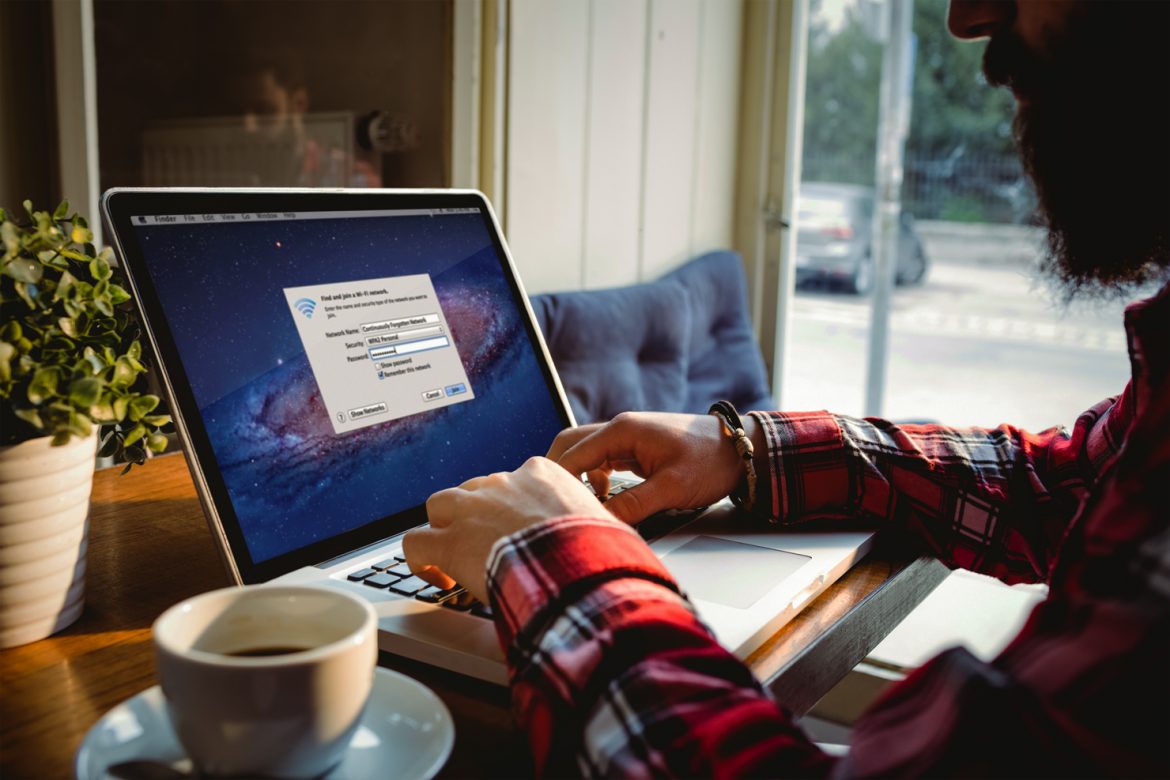
Area cafe Color Bars Coffee has gone ahead and changed its wifi password, sources tell Sprudge. The previous password was “coffee”—but the o was a zero and the e’s threes, making for “c0ff33” with no spaces or capitals. Now, the password is “Colombia” and the C is capitalized and the I is a one and the o’s are zeroes, making it “C0l0mb1a”.

“We change the password about once every couple weeks,” cafe manager Matilda Mackenzie explains. “Sometimes it frustrates regulars, but then they come back up and ask.”

“I always explain the password the same way,” barista Scout Belcher says. “I say it’s Colombia, like the country? Where they grow coffee? So there’s actually an o instead of u, and then, you know, the o’s are actually zeroes and the I is a one. The C is capitalized because it’s a country.”

A regular, Jeremy Wiggins, dished to Sprudge that he has personally heard Belcher recite this monologue 20 times in the last hour. “It’s kind of surreal,” Wiggins tells us. “Somehow their voice carries over the entire cafe, even when it’s full.”

Color Bars Coffee owners Stretch and Becky Sampson declined to comment.

This story is developing…

The post Area Cafe Changes Wi-Fi Password appeared first on Sprudge.


from RSSMix.com Mix ID 8200593 http://sprudge.com/area-cafe-changes-wi-fi-password-131636.html