Wednesday, June 6, 2018

Tuesday, June 5, 2018
Build-Outs Of Summer: Either/Or In Portland, OR
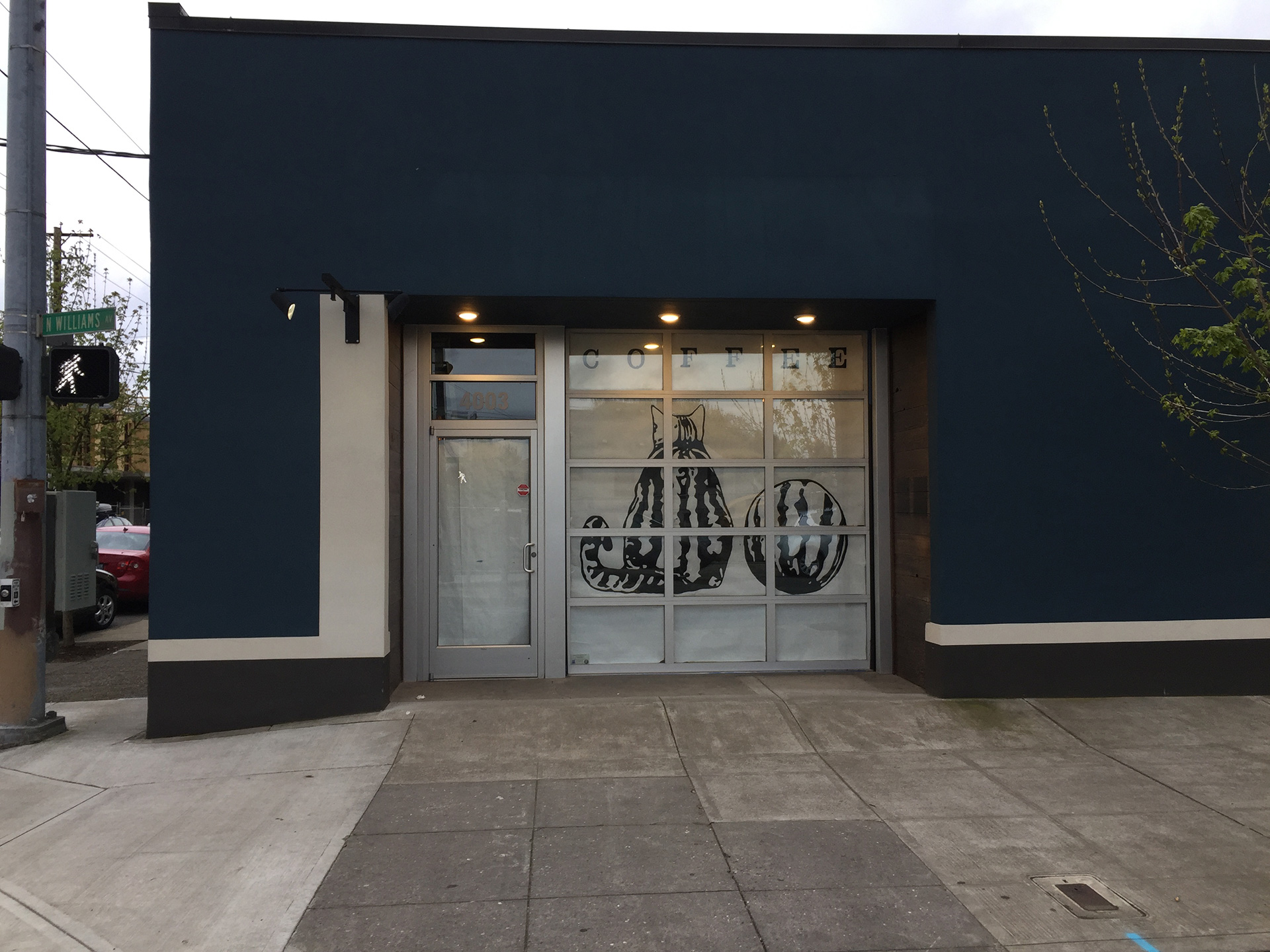
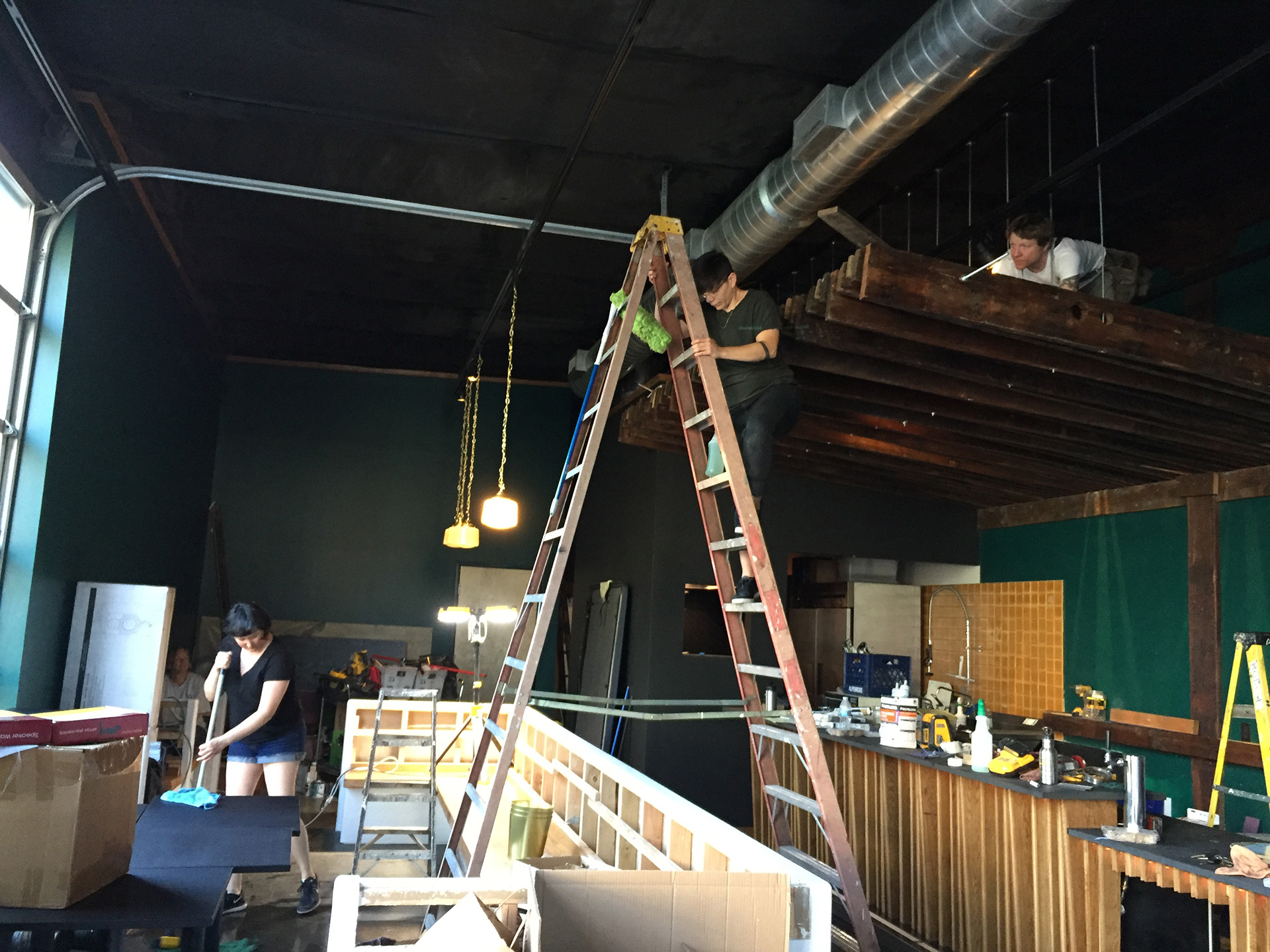
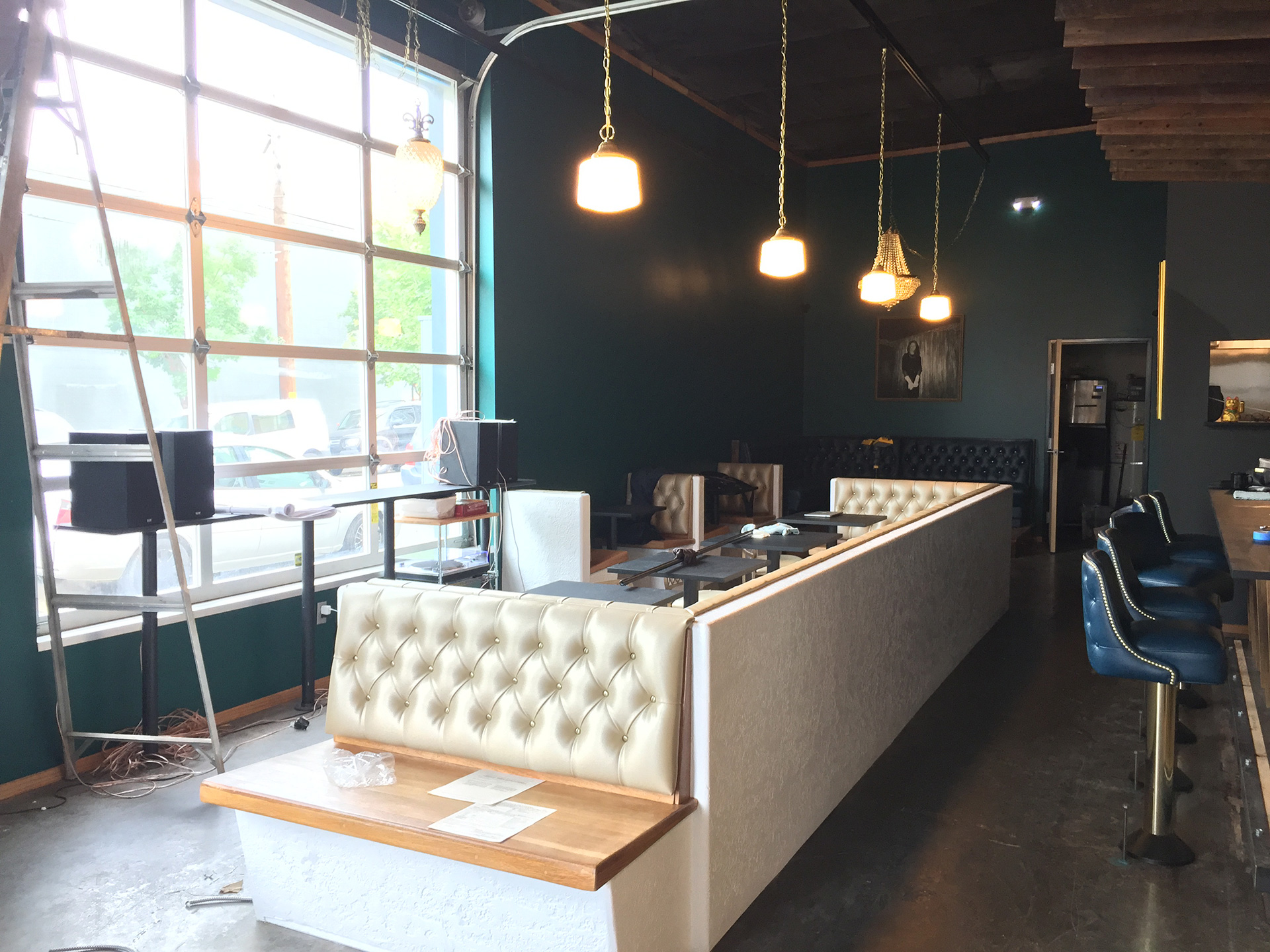
We’ve been fans of Either/Or here in Portland, Oregon since they launched in 2013 with a sweet little cafe in sleepy Sellwood, in the city’s south. But now, after a furiously quick build-out on N. Williams, Either/Or have opened a new expanded version of the concept: quality focused multi-roaster, but now with drinks, good wine, and food.
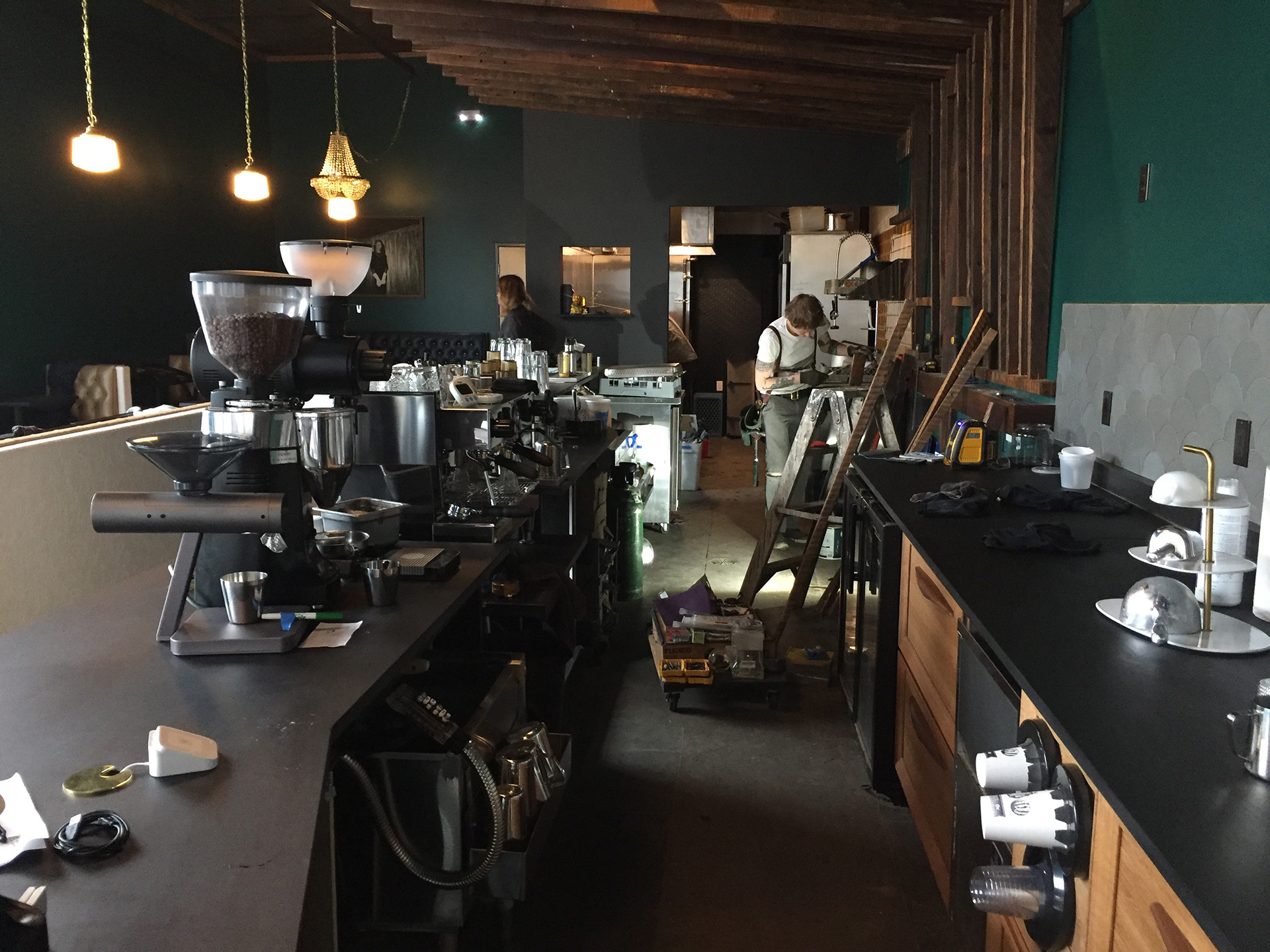
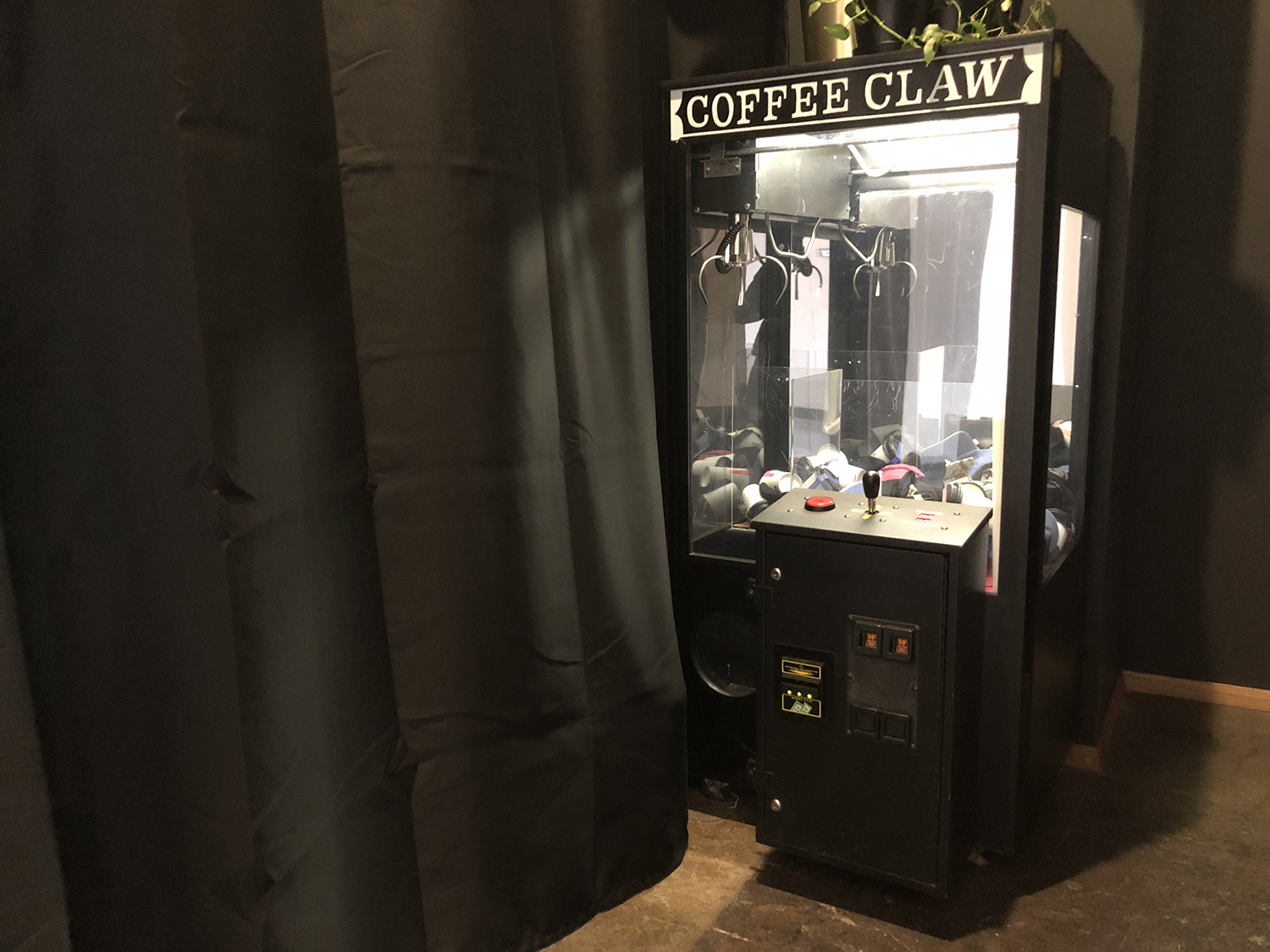
With a sumptuous, forest green forward interior design scheme and a playful attention to detail, Either/Or has quickly become one of Portland’s major coffee openings in 2018. And yes, that is a coffee swag version of a claw machine in the back.
As told to Sprudge by Ro Tam.
For those who aren’t familiar, will you tell us about your company?
We are a multi-roaster cafe in Portland, OR that opened in 2013 out of a 300 sq ft shop. We’re known for our different flight offerings, mocktails, and a house-made chai that turned into it’s own company called Tanglewood.
Can you tell us a bit about the new space?
It’s literally five times as big as our previous space. With this new location, we are able to actualize our original concept of the business which is to also be a bar. The cafe will have a full coffee menu available from 7:00am-7:00pm daily with some limited AM cocktails, and in the evening we will be a full bar with some limited coffee service late into the night (bar time). We built a full kitchen so will have food available all day. It’s also on a busy bike corridor.
What’s your approach to coffee?
We tend to lean towards lighter roasted, washed coffees. Everything we make is a palate-driven so our espresso is dialed in taste>tactile. In the true collaborative spirit of Either/Or, our staff blind cups coffee every week and its how we determine our menu. It gives us a chance to only serve what we are really excited about without any bias from packing or suggested tasting notes.
Any machines, coffees, special equipment lined up?
We have a claw machine filled merchandise (#coffeeclaw) and a couple of Orion dosing scales on loan from Acaia. I think Acaia will also be donating a golden Lunar scale for the coffee claw. Everything was built with ergonomics in mind for less wear and tear on our baristas. Instead of an under counter milk fridge, we have an ice well used as a cooler to hold milk within arms reach, and just about everything else you need so there isn’t a lot of moving around or bending that needs to happen. It also allows us to have soda water on a bar gun which is pretty fun.
What’s your hopeful target opening date/month?
May 31st was our grand opening.
Are you working with craftspeople, architects, and/or creatives that you’d like to mention?
Too many people to list. I do want to say that a lot of our contractors were women, which was a nice change from the male-dominant industry. Also, Marie Castorini who was been an employee since the beginning painted an amazing portrait for us of Jackie Shane, a Transgender Woman soul artist from Nashville. It represents our Queer POC roots and the other communities that we are a part of.
Thank you!
Either/Or is located at 4003 N Williams Ave, Portland. Visit their official website and follow them on Facebook and Instagram.[/b0x]The Build-Outs Of Summer is an annual series on Sprudge. Live the thrill of the build all summer long in our Build-Outs feature hub.
The post Build-Outs Of Summer: Either/Or In Portland, OR appeared first on Sprudge.
from RSSMix.com Mix ID 8200593 http://sprudge.com/build-outs-of-summer-either-or-in-portland-or-133565.html
Monday, June 4, 2018
A Massive Volcano Just Erupted In Guatemala’s Coffee Lands


Yesterday, Volcán de Fuego in Guatemala erupted, killing at least 25 people and injuring 20 others, according to CNN. Sitting just outside Antigua, the latest eruption by Volcán de Fuego has led to more than 3,100 people being evacuated and is expected to affect 1.7 million people in total—including many thousands of coffee growers.
While the eruption of one of Central America’s most active volcanoes has concluded, Guatemala’s National Institute of Seismology, Vulcanology, Meteorology, and Hydrology states that it created some 14.763 feet of ash that has spread throughout a 12-mile radius, with the potential for winds to expand that distance even further, per CNN. Already ash has traveled 25 miles northeast to Guatemala City, causing the closure of the country’s primary airport, La Aurora International Airport.
In a joint statement released (and translated to English here) by Anacafé—the National Coffee Association—and Funcafé—the Foundation of Coffee for Rural Development—the eruption affected coffee growing areas in the “departments of Escuintla, Sacatepéquez, Chimaltenango, Guatemala, El Progreso and part of the east of the country, specifically the coffee area towards the south-west.” The statement goes on to say that in the villages of “El Rodeo, Escuintla and Alotenango, it is estimated that the sand and ash affected between 15 and 20% of the coffee area.”
Anacafé and Funcafé have opened up their headquarters and regional offices throughout Guatemala to be used as collection centers. They are requesting for donations of non-perishable and canned food items, potable water, blankets, clothes, and medical supplies, including medications for burns and gauze. All donated items will be distributed in coordination with CONRED, Guatemala’s National Coordination for Disaster Reduction.
The total damage done by the eruption of Volcán de Fuego remains to be determined. Anacafé and Funcafé are helping lead relief efforts locally, but more aid will certainly be needed from outside Guatemala. We will update the story with ways for the international community to assist in the relief efforts as they are created.
Zac Cadwalader is the news editor at Sprudge Media Network and a staff writer based in Dallas. Read more Zac Cadwalader on Sprudge.
Photo by Rainer Albiez/Adobe Stock
The post A Massive Volcano Just Erupted In Guatemala’s Coffee Lands appeared first on Sprudge.
from RSSMix.com Mix ID 8200593 http://sprudge.com/a-massive-volcano-just-erupted-in-guatemalas-coffee-lands-133554.html
Taking It Easy At Melbourne’s Vacation Coffee
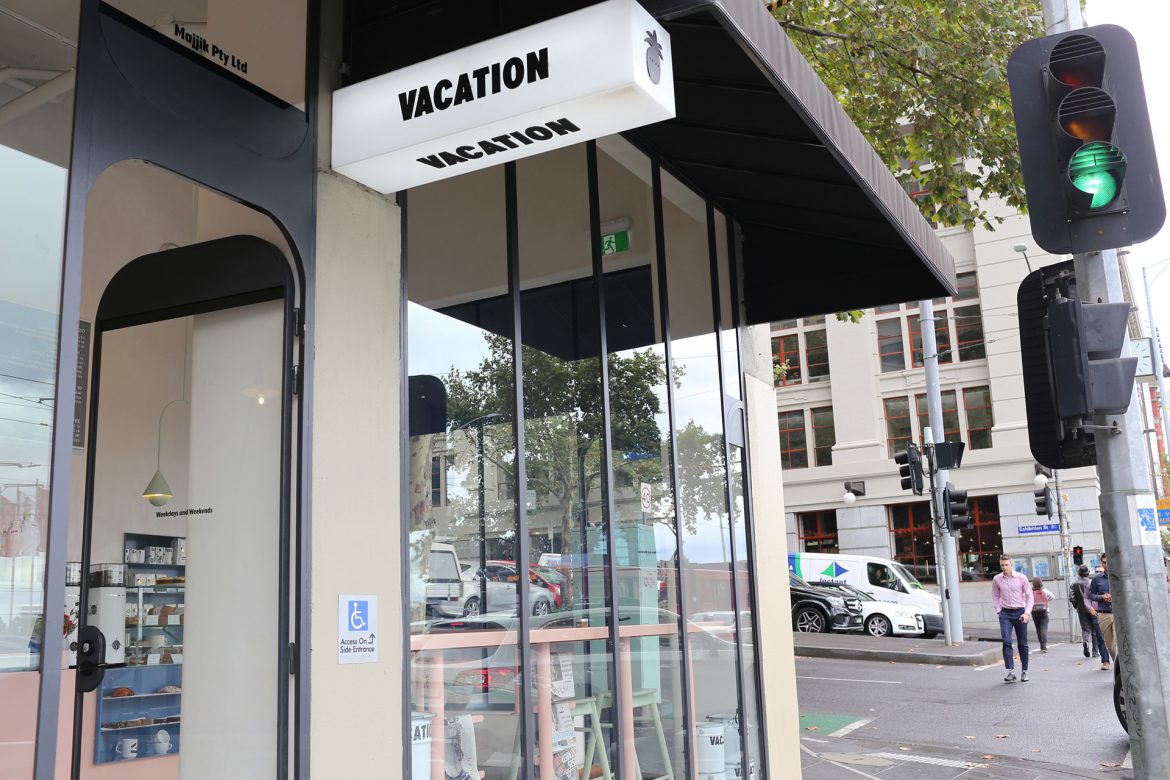
Picture this: it’s early morning and you’re walking along Flinders Street at the edge of Melbourne’s city centre, the sun is just starting to peek over the trees on the southeast side of the city, and you think to yourself, “the only way this could be better is if I were drinking a delicious coffee right now…” then, lo and behold, you stumble across a pastel paradise with a sign declaring “Vacation.”
Opened in August 2017, Vacation is the brainchild of Julian Bedford, Jimmy Tjoeng, and brothers Kael and Matt Sahely—a group that collectively has a wealth of experience working in and owning cafes, including the likes of Dukes Coffee Roasters, Pillar of Salt, Caravan Coffee (London), Sensory Lab, and Bawa.
As has been mentioned numerous times before here on Sprudge, Melbourne isn’t lacking in coffee shops. In fact, you could say the city is somewhat awash—okay, flooded—with coffee options. The flipside of this, however, is that the population’s appetite for good coffee appears to be near insatiable, which allows gems like Vacation to carve out a neat little niche for themselves in the competitive city centre.
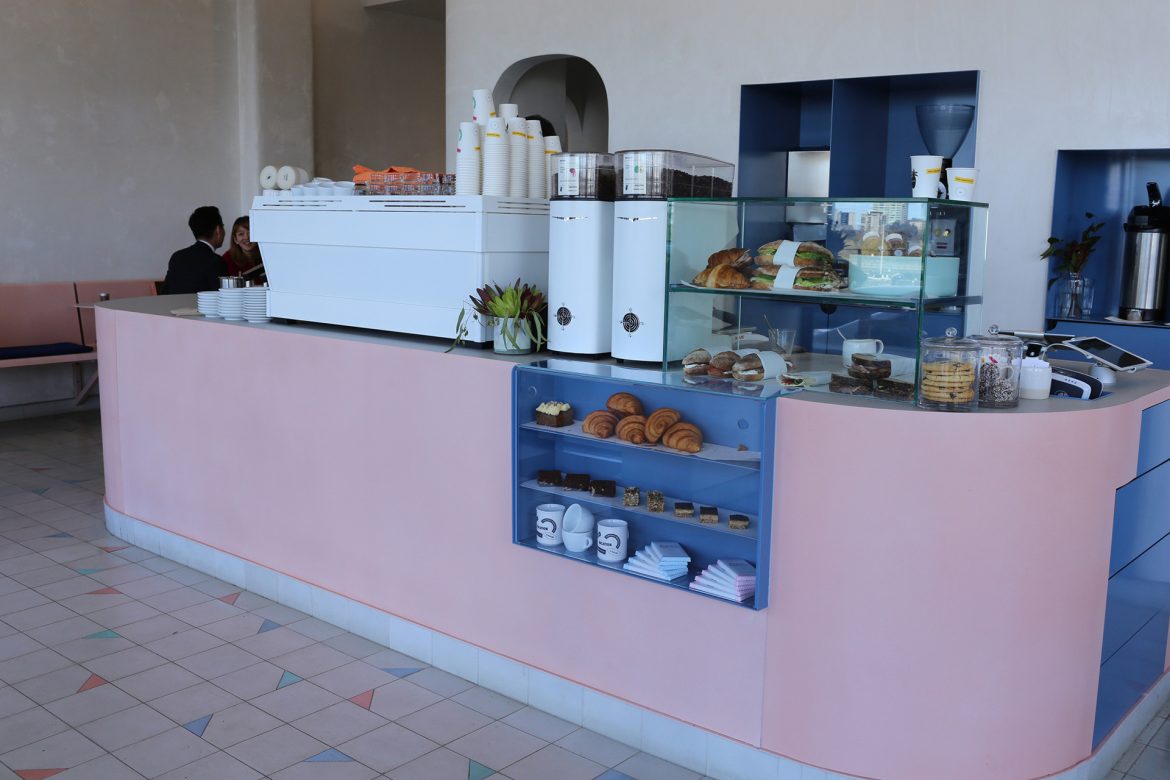
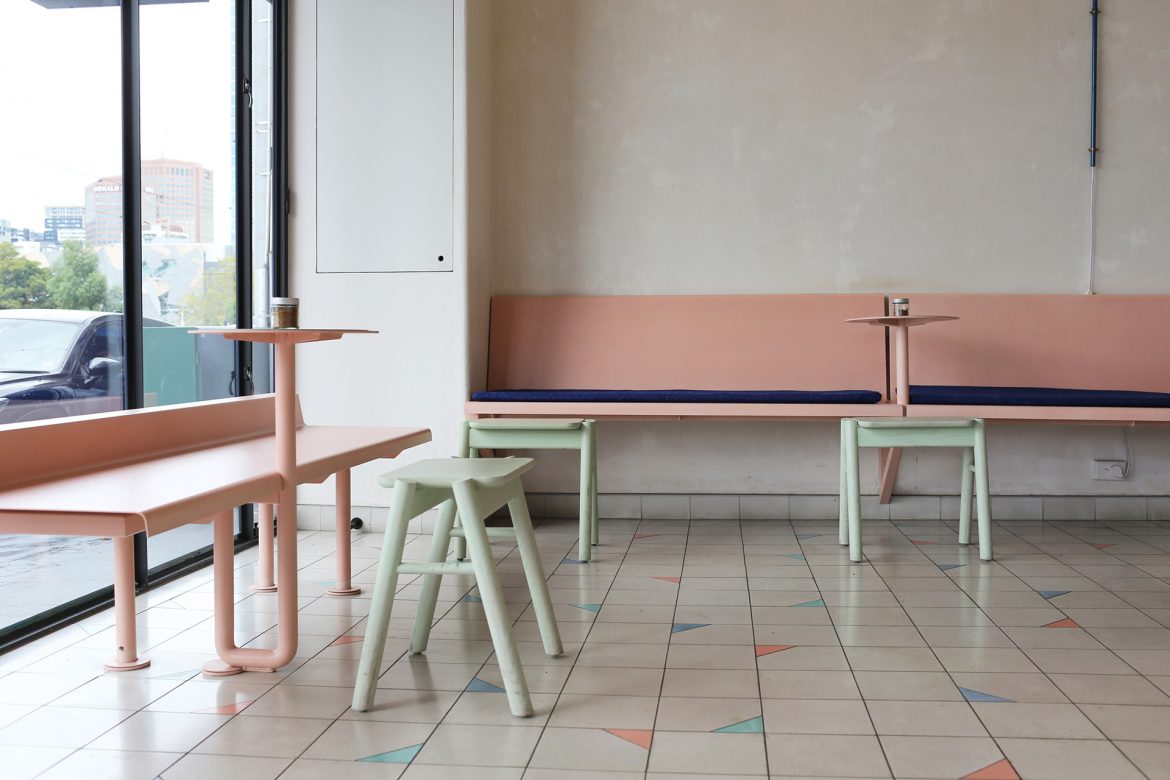
Sitting on the corner of Exhibition and Flinders Streets, Vacation is a beautifully light and airy space, with a 6.5-metre-high roof, floor-to-ceiling windows (to take in the surprisingly expansive view over Melbourne’s Botanic Gardens and MCG), 1950s-style pastels, and a plenitude of satisfyingly rounded corners. Architecture and interior design of the space was undertaken by Alex Lake of Therefore Studio, with branding by The Company You Keep—with the brief by the Vacation team to the tune of “peaceful, tranquil, holiday vibes.” It’s an aesthetic that immediately feels calm and acts as a point of difference from the white-tiled, brass and copper, light wood Scandinavian stylings of many of Melbourne’s cafes, and has even been referred to as “millennial-pink Tatooine” by some visitors (which feels strangely apt).

Chatting with Bedford, it’s clear that they set out to build a cafe that didn’t take itself too seriously, “We think that coffee quality doesn’t have to come at the expense of approachability and service—so we just tried to make it a bit fun and kooky,” he says. Whimsical illustrations personify the flavour notes on their packaging (including a googly-eyed pineapple), part of the fun and lighthearted approach of the Vacation brand.
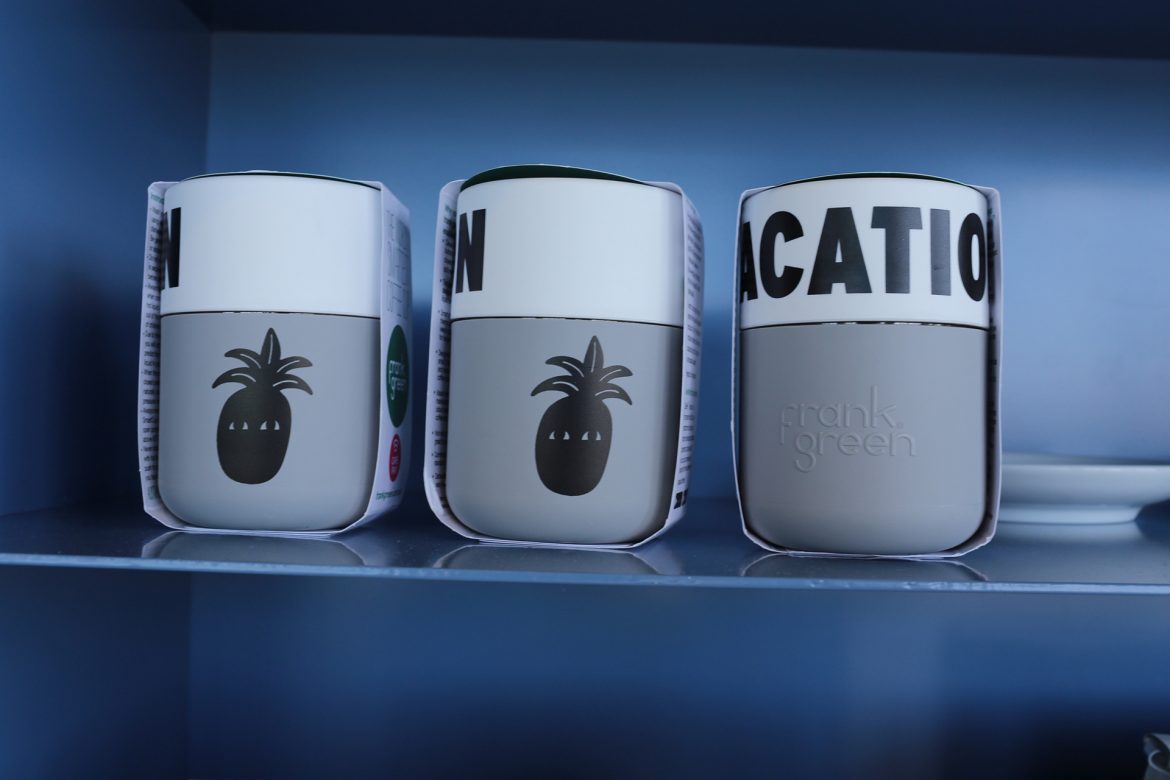
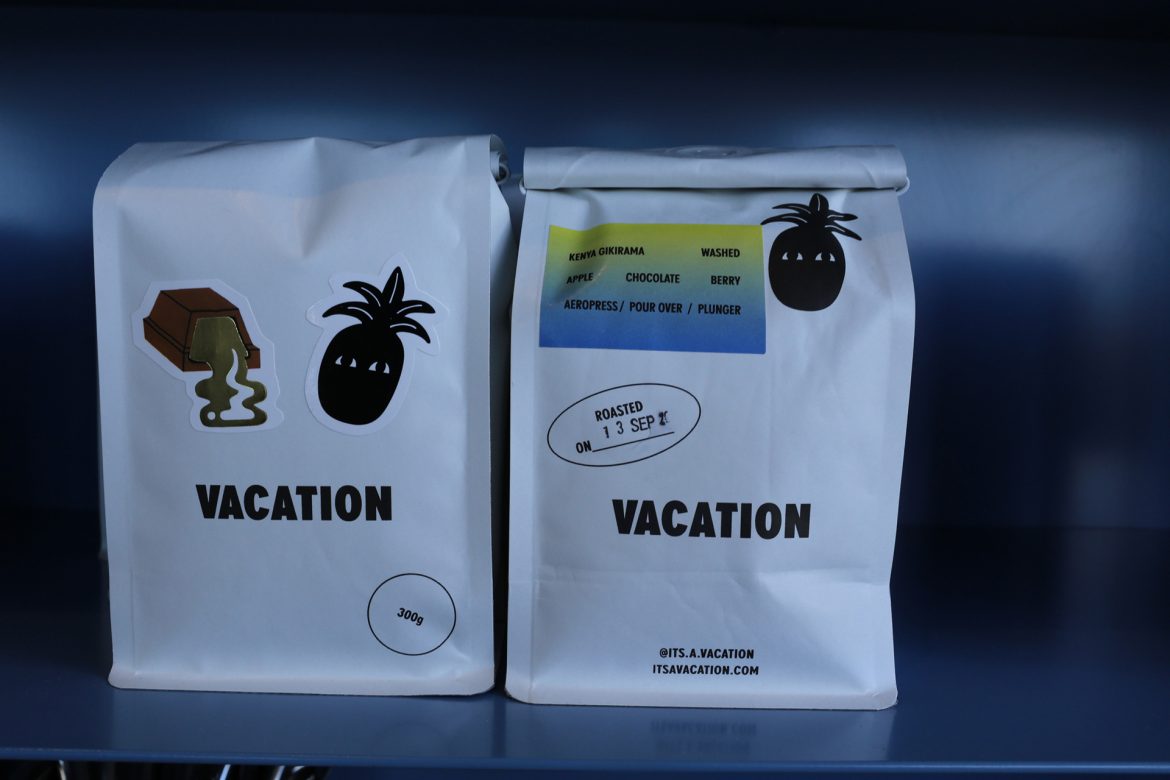
Espresso is brewed here on a white powder-coated La Marzocco Linea with Victoria Arduino Mythos One grinders, while filter is exclusively brewed with FETCO—showcasing the coffee that the Vacation team roast themselves at Bureaux Collective, a coffee roasting collaborative space in Abbotsford. The food offering sits neatly alongside the coffee, with a simple cafe menu: think sandwiches (with Meatsmith cured meat), toast with fancy toppings (avocado, seeds and sprouts, or peanut butter, banana, black sesame), and mueslis—as well as pastries from Noisette and Cobb Lane, and some raw and refined-sugar-free treats from Sarah Sivaraman who bakes in-house.
The response from patrons and the local coffee industry alike to Vacation has been a positive one so far: it’s still a rarity to see a specialty coffee shop located in the city centre that has such a substantial food offering, and it’s even more unique for somewhere like that to open on the weekends as it does (which thoroughly pleases the multitudes of local customers who live in the city).
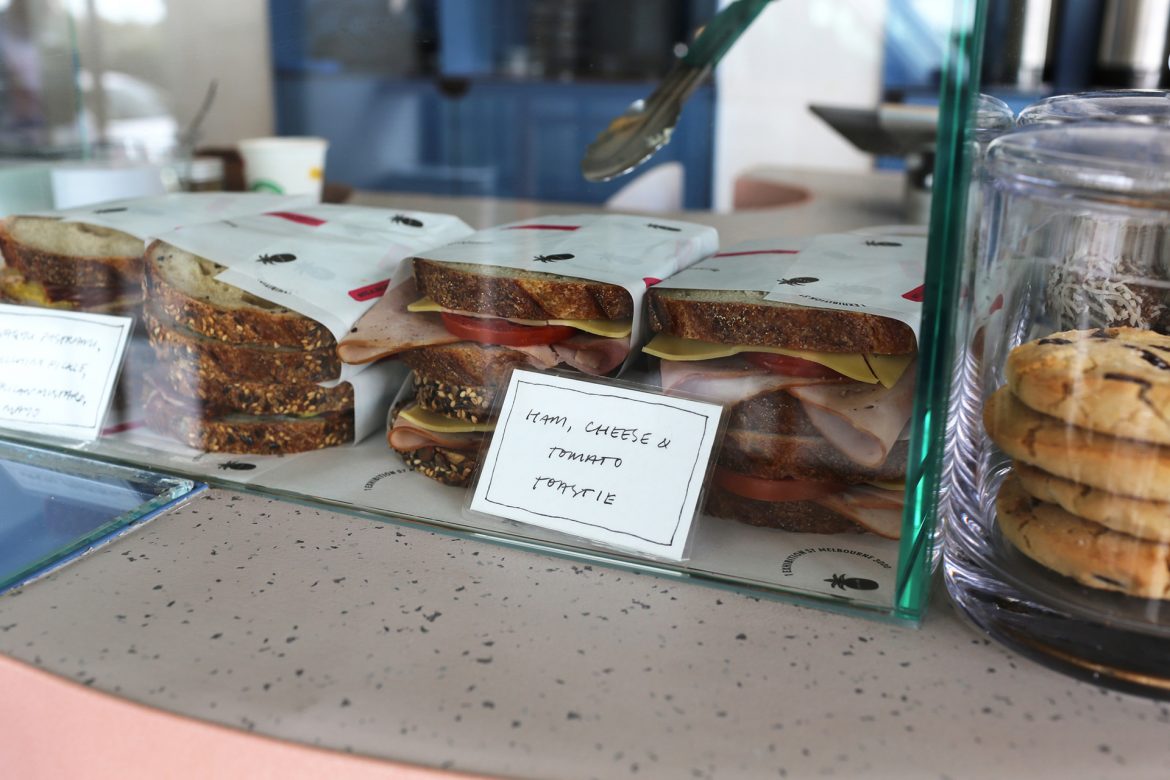
Looking towards the future, Bedford and the team hope to open more shops, and also have their own roasting space. Keeping in line with their aesthetic, however, they’re going to take it slowly and let it grow organically, always making sure not to take it too seriously because, after all, it’s a Vacation, right?
Eileen P. Kenny is a coffee professional, winemaker, and Sprudge Media Network contributor based in Melbourne. Read more Eileen P. Kenny on Sprudge.
The post Taking It Easy At Melbourne’s Vacation Coffee appeared first on Sprudge.
from RSSMix.com Mix ID 8200593 http://sprudge.com/taking-it-easy-at-melbournes-vacation-coffee-130304.html
A Roaster’s Guide to Coffee Purchases & Budgeting
Buying the right coffee for your business is the key to success – but it’s not easy. How do you choose the right origins, farms, and processing methods? How do you select the best coffee for your budget? And how do you analyze samples and anticipate demand?
To find out the answers to these questions, I spoke with Richard Keane, Sales Manager at green coffee importers Balzac Brothers, and Will Shurtz, Owner of Methodical Coffee. They shared their best tips for purchasing green coffee, from partnering with the right producers to handling coffee delays. Read on to discover their advice.
You might also like: Minimum Green Coffee Prices: Common Sense or Catastrophe
 Freshly picked coffee cherries ready for processing. Credit: Balzac Brothers
Stage 1: Research & Planning
Research and planning are imperative for successful green bean purchases. Make sure you consider the following points before you start cupping samples:
-
Seasonality
Coffee has its harvest seasons, which dictate when a lot is at its freshest and most delicious. But when this season is will vary according to the country. Knowing your favorite origins’ harvest periods is key to successful planning and inventory management.
Will says that, when you are aware of this, “you know what to look for and when to look for it.” As a result, you can stock new-crop coffee for your customers from an origin. You can design a varied coffee menu. And you can plan which origins you will replace a customer’s favorite with, once it’s out of stock.
 Coffee harvest wheel. Credit: Balzac Brothers
-
Partnerships
But it’s not just the coffee you need to think about. You should also be setting your goals for your relationships with producers.
What are you looking to buy? Who do you want to support? And what do you want to build? For example, you might be looking to buy specialty coffee, support small family-owned companies, and build a sustainable relationship with the producers. Or you might be more specific: say, female-owned farms, ones that engage in experimental processing, communities that protect the environment…
Richard tells me that building relationship with consumers, exporters, and farmers cannot be emphasized enough in green bean purchases. Buying coffee, he explains, is “all about relationships.”
Remember, strong business relationships benefit both buyer and supplier. They enable you to work towards quality improvements, certain coffee profiles, and more. You know you can rely on buying this coffee in future years.
But in order to build good relationships, you need to first choose your partners well.
-
Customers
Finally, you also need to research your market. Understand what your customers want and at what price points so you can purchase the right coffees for them. Because even though your roastery should represent your vision of specialty coffee, you also need to look after your bottom line.
 Green coffee beans are stored in this warehouse, awaiting purchase and transportation. Credit: Balzac Brothers
Stage 2: Coffee Sampling
Once you understand the seasonality of your favorite beverage, have established your relationships and goals, and know your market, you’re ready to begin sampling lots.
The green bean buyer will receive their first samples during the harvest season, shortly after the beans have been processed and dried. When I ask Richard about this, he explains that they then “green grade it in the lab, roast it, cup it, and then score it.” He’ll often involve roasters in the process, to “receive their feedback on the coffee.”
He adds that, after the coffee has been cupped, feedback will be shared with producer partners so that they can further improve their product. Constant communication between roaster, producer, and buyer benefits everyone.
But roasters, what should you know about sampling? First of all, evaluate your coffee both before and after you purchase it. Remember that the transportation and storage of coffee can affect its quality, and so it’s important to cup both the offer/pre-shipment sample and the final delivery.
Use consistent cupping protocols, ideally those recommended by the SCA. Make sure you do a visual inspection of the beans as well. Understand the quality labels used in your origin.
Consider seeking extra opinions. Will tells me that he always cups with others as everyone judges coffee differently. This gives you a more objective perspective. Additionally, if you involve your wholesale customers, it can offer useful feedback and strengthen your relationships.
 Coffee ready for transporting. Credit: Balzac Brothers
Stage 3: Purchasing Decisions
So now you know your goals and have cupped several samples. It’s time for you to narrow down your list of options and make your final purchases.
First of all, make sure you know your budget and projected demand. Inventory management and forecasting is a challenge for many roasters and green bean buyers. Fortunately, building strong relationships with your customers, whether they’re coffee shops or supermarkets, will help. Conversations with them about their anticipated needs will indicate how much you need to purchase.
Additionally, a good relationship with your green supplier or, if you’re doing direct trade, producer will help you to be aware of your potential supply should you need more.
Will stresses that it’s important to build a relationship based on trust with your importer. It’s through this that you create “strong ties and connections with certain producing countries and [are] able to buy coffee consistently from the same farmer.”
Sourcing from the same farm every year builds your brand identity (and helps producers at origin plan for the future and grow their businesses). It also helps you to anticipate demand, as your customers will tell you that they would like to order the same coffee as they did last year.
 Freshly roasted coffee beans cool.
To begin with, you might still make errors, ordering too much of one origin and not enough of another. But over time, you will learn from your experiences and build better relationships. Your forecasting will improve.
When allocating your budget and planning inventory, don’t just think about this season – look ahead for the whole year. Make sure your customers understand that coffee is seasonal and will be flexible with fresh, in-season substitutions. Know if those substitutions will cost you (and them) more. Some origins will always be more expensive, due to the production and transportation conditions.
On the topic of budgeting, remember that your customers also have a budget. You might only want to buy and sell top-scoring coffees, such as a natural 90+ Geisha/Gesha. However, if all your coffees are in a high price bracket, your customers may be forced to shop elsewhere. Try to have a diverse menu, in terms of both flavor profiles and prices.
As Richard tells me, “buying an 80-point, fresh, seasonal coffee in a sustainable way is a really smart way of doing business” since it “offer[s] a wider variety.”
 Green coffee beans ready for roasting.
-
Understanding Future Contracts & Coffee Prices
Richard also recommends understanding future contracts. This is when the green buyer fixes the price of the coffee several months (or more) in advance, based on the projected C-market movement plus any premiums.
He tells me to consider a scenario where you have built a relationship with a producer partner on the ground. You agree to buy a certain amount of green coffee, either directly or through an importing partner.
The first thing you would do is agree on a “differential price”, which is a calculation of your cost of freight, shipping, and getting into the warehouse, etc. Then, you would fix your price to the predicted C-market price – which is the price determined by the changing conditions in coffee supply and demand – based on your delivery date.
This is a tool that you can use to protect yourself, and producers, from price movements in coffee. For roasters, if a green buyer uses future contracts, it means that you are guaranteed that coffee as a specific price. Richard highlights that “since coffee is one of the most volatile commodities in the world in prices, it helps to lock in a price for the partners” and so make budgeting easier.
 Ripe coffee cherries on the branch, ready for picking.
How to Manage Risks
No matter how much time you invest in research, planning, and sampling, it’s important to understand that there will always be elements of uncertainty in the coffee industry. There are many factors that you simply cannot control, such as the political and climatic conditions in each producing country.
And the more specific your coffee orders, the higher the risk. Say you want to roast an experimentally processed micro lot, or even just a single origin from a particular farm – you will be more vulnerable to delays than if you merely wanted a washed Colombian coffee.
But while risk is inevitable, you can prepare for it.
Shipment delays are a common problem, especially if you’re buying a specific lot from a specific producer or region. Try to build time into your schedule for potential delays.
Another challenge is damages, especially those that occur during transit. Make sure you know what your importer (or you, if you’re buying direct trade) will do in these instances. Will a substitute be available?
Know as well that unexpected rain, pests, and diseases could have an unpredicted impact on coffee quality. The 86+ lot you may be expecting might no longer be available, and if you’ve been promising it to your customers, you may have to quickly look for an alternative.
Situations like this are unavoidable; however, being upfront with coffee shops and wholesale partners can mitigate the risk. You can also pay attention to sustainable and responsible practices, understand that producers cannot avoid these problems, and be flexible with the origins you purchase from.
 Ripe coffee cherries that have been freshly picked.
Purchasing coffee is an opportunity to demonstrate what your brand stands for, whether that’s supporting producers in building more eco-friendly wet mills or stocking unique single origins and micro lots. But it’s important you do this in an informed and fiscally responsible manner.
Understand your budget. Manage the risks. Know what you want to buy – and do so in a way that furthers your ambitions for the specialty coffee industry.
Because this is crucial to your success as a roaster.
Enjoyed this? Check out Minimum Green Coffee Prices: Common Sense or Catastrophe
Written by Sunghee Tark.
Please note: This article has been sponsored by Balzac Brothers.
Want to read more articles like this? Sign up for our newsletter!
The post A Roaster’s Guide to Coffee Purchases & Budgeting appeared first on Perfect Daily Grind.
from RSSMix.com Mix ID 8200593 https://www.perfectdailygrind.com/2018/06/a-roasters-guide-to-coffee-purchases-budgeting/
Friday, June 1, 2018
Build-Outs Of Summer: Blueprint Coffee In St. Louis, MO

It’s here! The 2018 Build-Outs of Summer is finally here. And it only seems fitting to start out our sixth season much in the same way that each of the cafes we will be featuring over the coming months begin their journey: with a blueprint. Blueprint Coffee, that is.
Hailing from St. Louis, Missouri, Blueprint is a well-known brand in the specialty coffee world, and we are pleased as punch to start this year’s series of Builds with their second location, opening in no time flat just off the famed Route 66; they are setting a high bar for all who follow. So let’s get this summer started right and check in with Blueprint Coffee, shall we?
As told to Sprudge by Mike Marquard.
For those who aren’t familiar, will you tell us about your company?
Blueprint Coffee opened in September of 2013. It is a collective ownership group of six passionate friends, most of who worked together in the St. Louis coffee and restaurant space from 2006-2013. Our first location on St. Louis’ famous Delmar Loop houses both our roasting operation and first coffee bar. Out of this space we have grown both in local reputation and customer-base as well as established ourselves as a national wholesale roaster.
Can you tell us a bit about the new space?
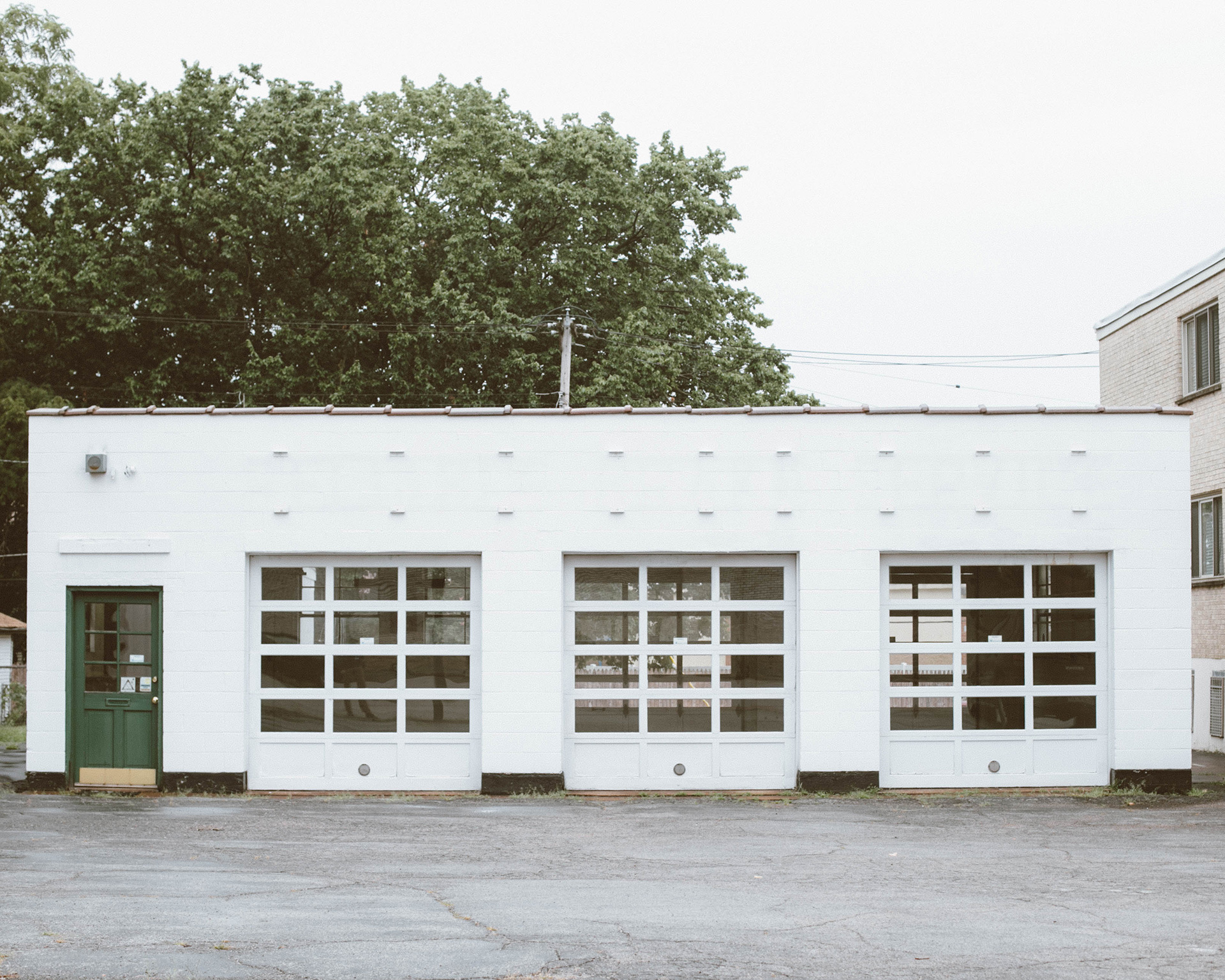
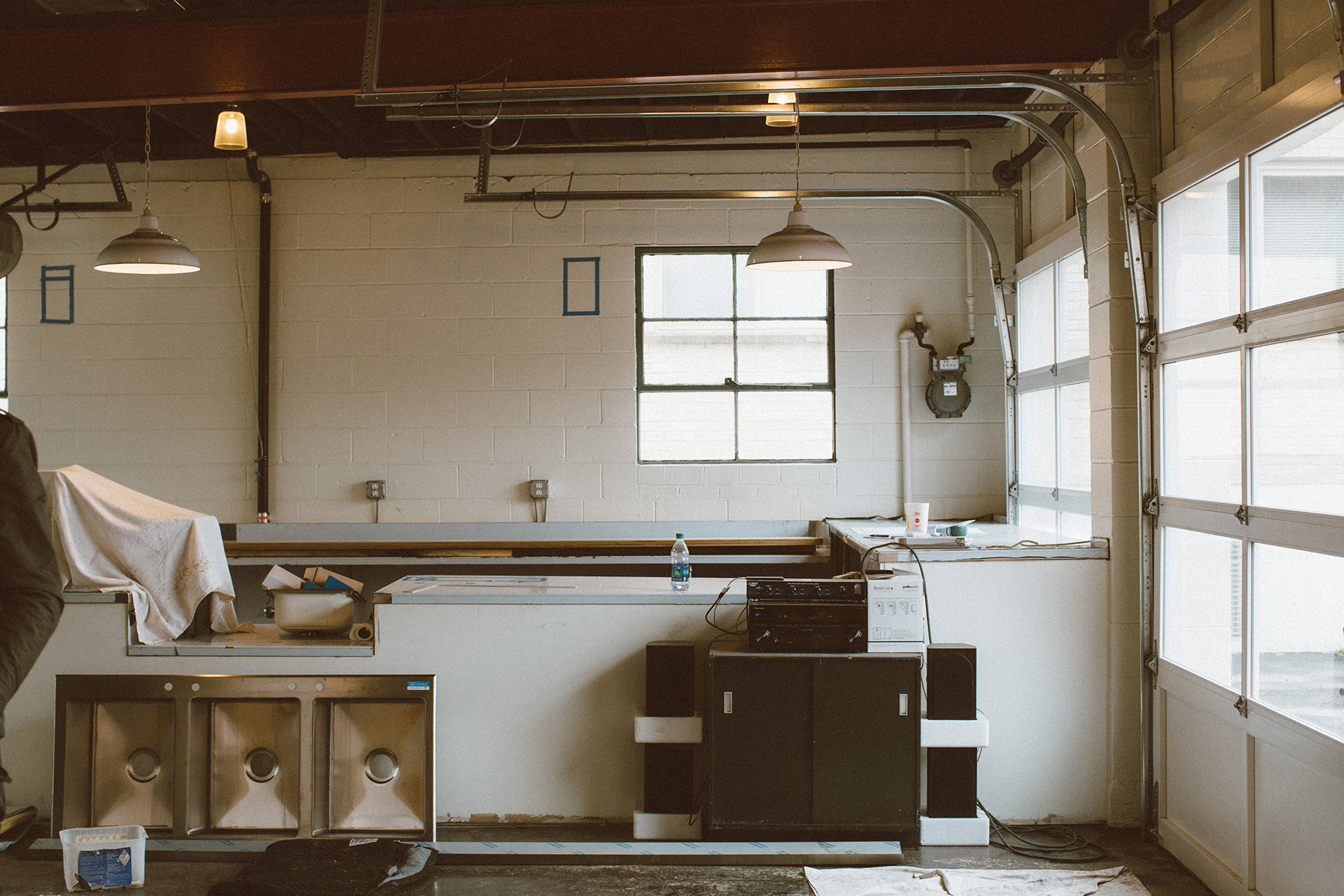
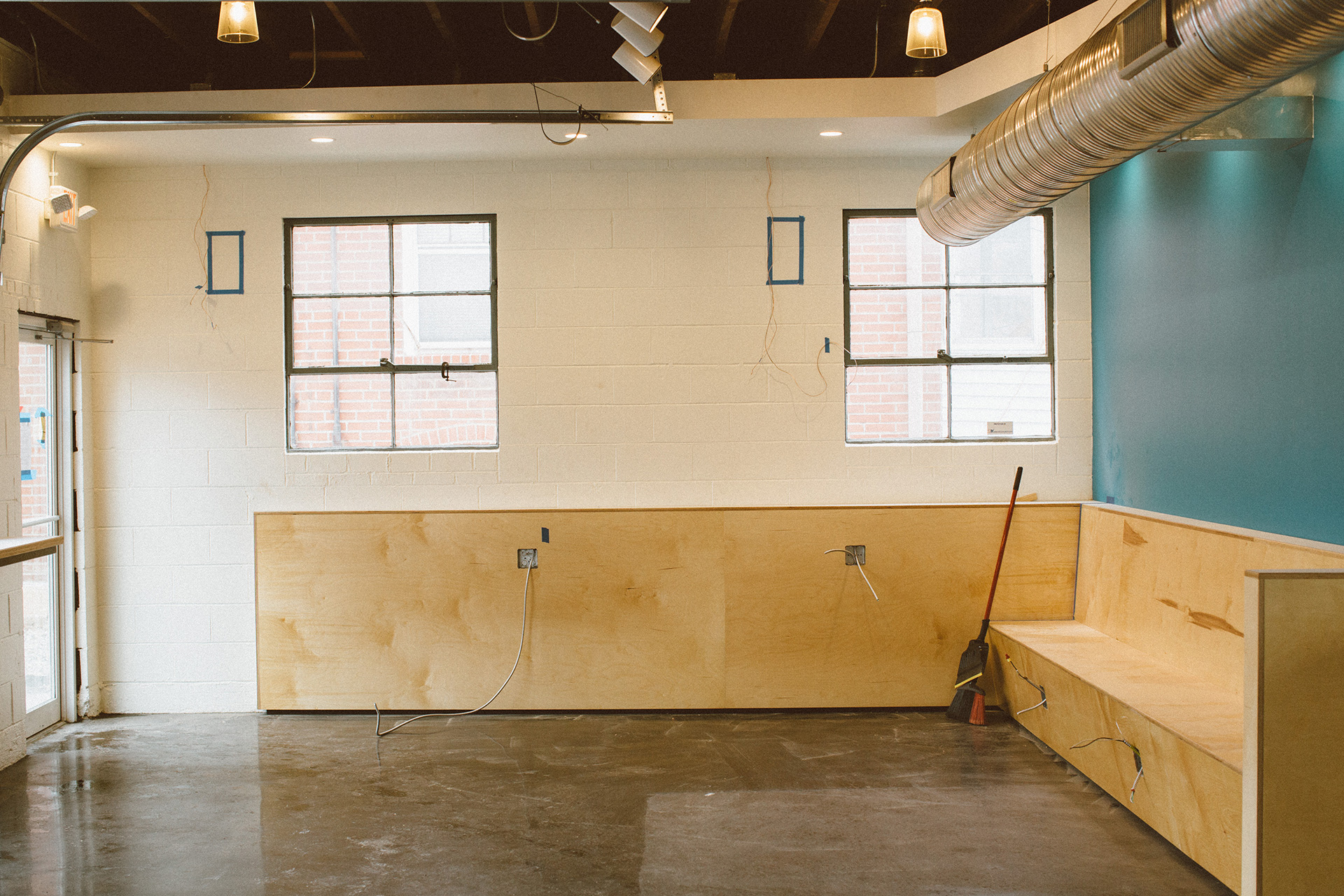
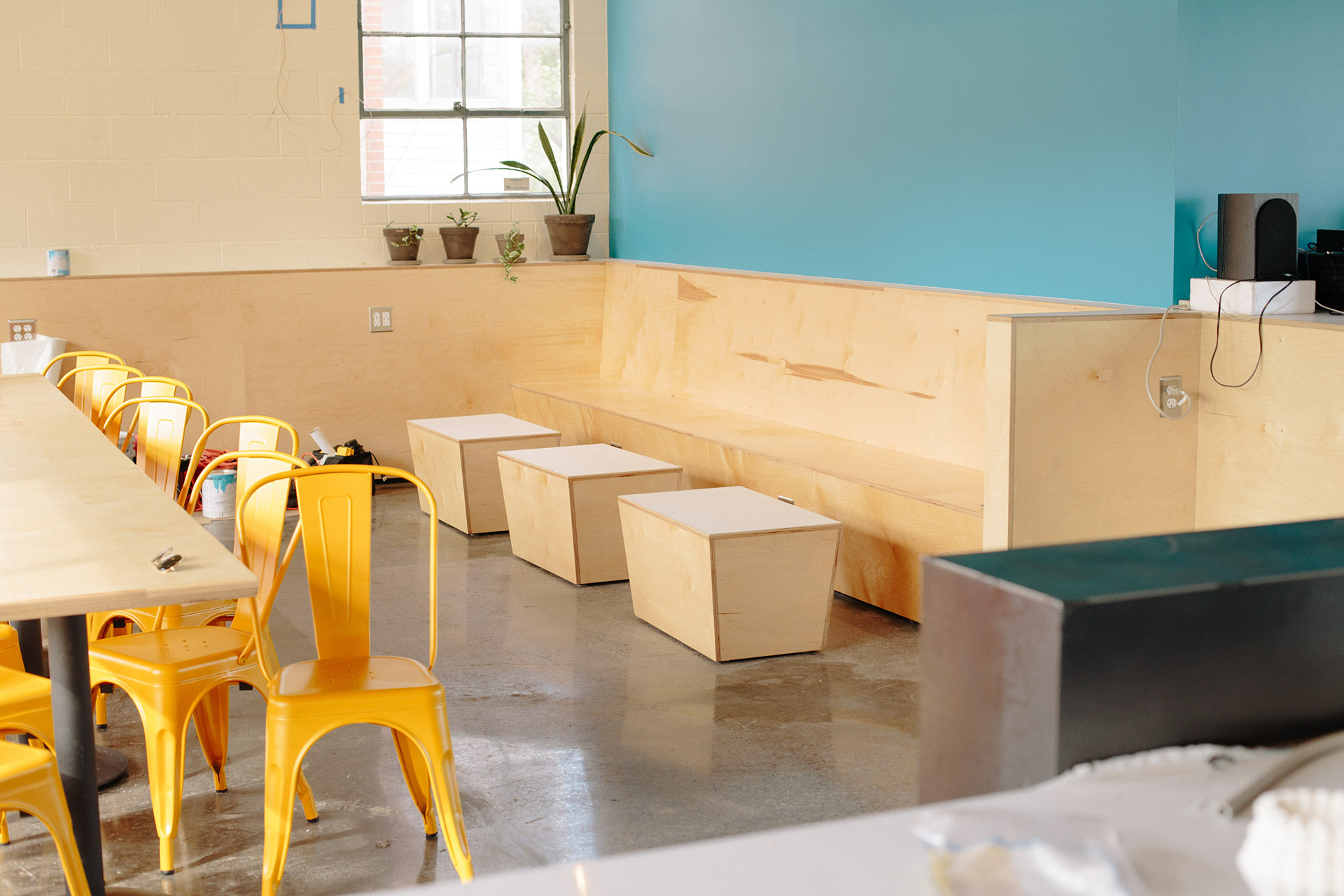
The new location sits just a half block off of one of the Route 66 routes through St. Louis. It was this heavy traffic that established many of the storied St. Louis businesses that will be our neighbors, such as Ted Drewes Frozen Custard (it really is good, boys and girls) and Donut Drive-In. The building has served as an auto-repair shop for the last 70+ years, but with some love and vision will become a very interactive coffee space. We have preserved four of the original five garage openings and will keep those doors open when weather permits so that our space stretches outside. Our original location on Delmar is extremely limited when it comes to outdoor seating, so this new potential on Watson is very exciting for us.
What’s your approach to coffee?
We buy coffee seasonally and, as often as possible, from the same partners at origin year after year. In the last five years, we’ve established some amazing relationships and gotten to work at origin on both actively aerated compost tea and processing projects. We typically offer three single origin coffees, a filter blend called Tektōn, an espresso blend called Penrose, and a single origin decaf coffee. The single origin and blend ratios last two to four months before being rotated. Even within our blends, we’re focused on mutual beneficial partnerships at origin and sourcing seasonal coffees.
Any machines, coffees, special equipment lined up?
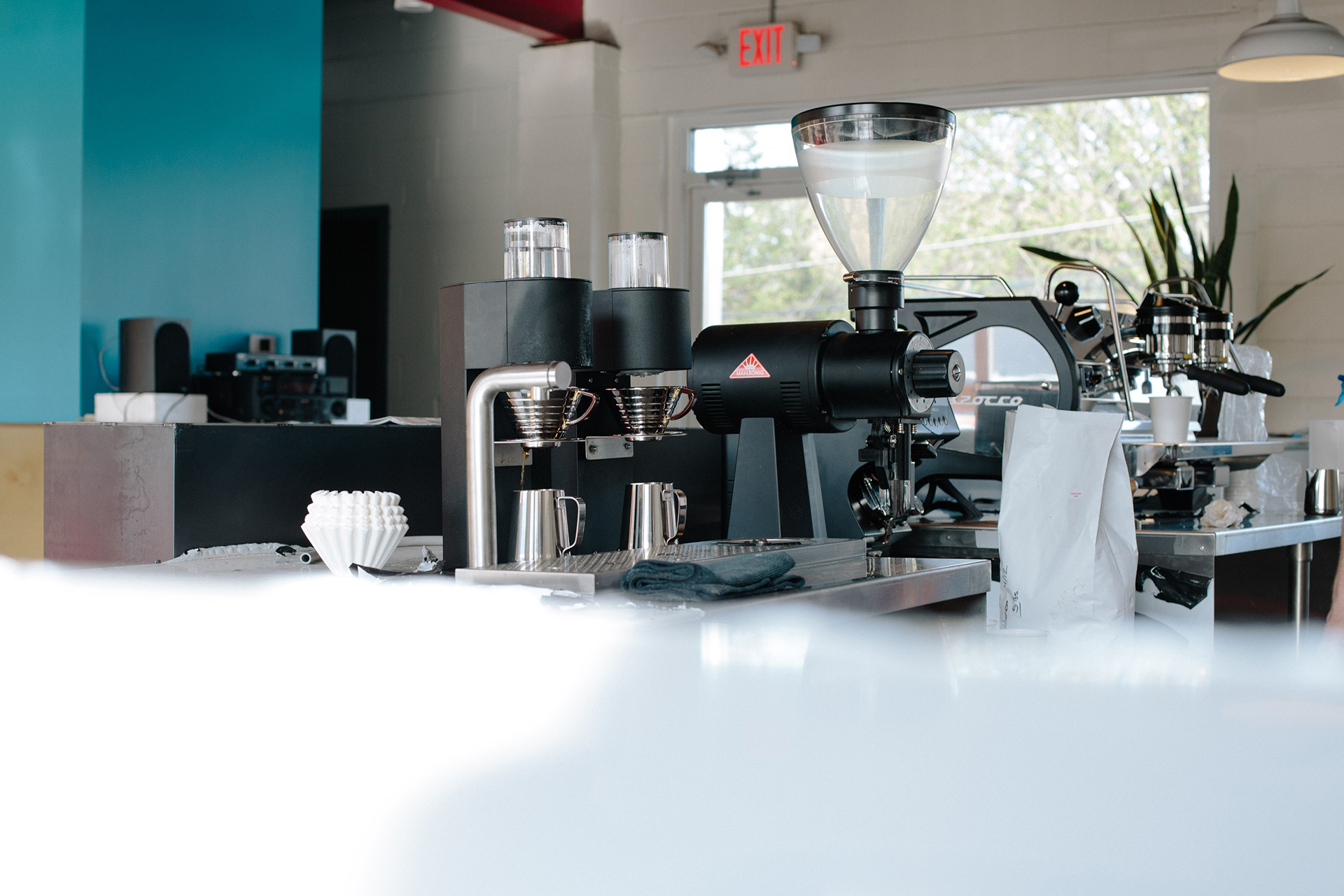
For sure! We’re quite excited about our Marco SP9 single-cup brewer. We’re hoping it allows us to continue to offer a wide variety of black coffees every day like we’ve done at Delmar with our hand brew menu, but we feel it will only increase the consistency of these brews. We’ve also got a six tap system set up and plan to offer a wide-variety of cold beverages—from cold brew to nitro to our fruit shrubs… maybe even some sparkling and still iced teas. We feel like this will be a nice compliment to our menu in the hot summer months of St. Louis. Also the NA craft beverage industry is an market we feel like can only improve. Sugary soda’s and juice seem to dominate that market, but we’ve start tinkering with tea and coffee derivatives that are quite delightful and complex.
What’s your hopeful target opening date/month?
June 2018
Are you working with craftspeople, architects, and/or creatives that you’d like to mention?
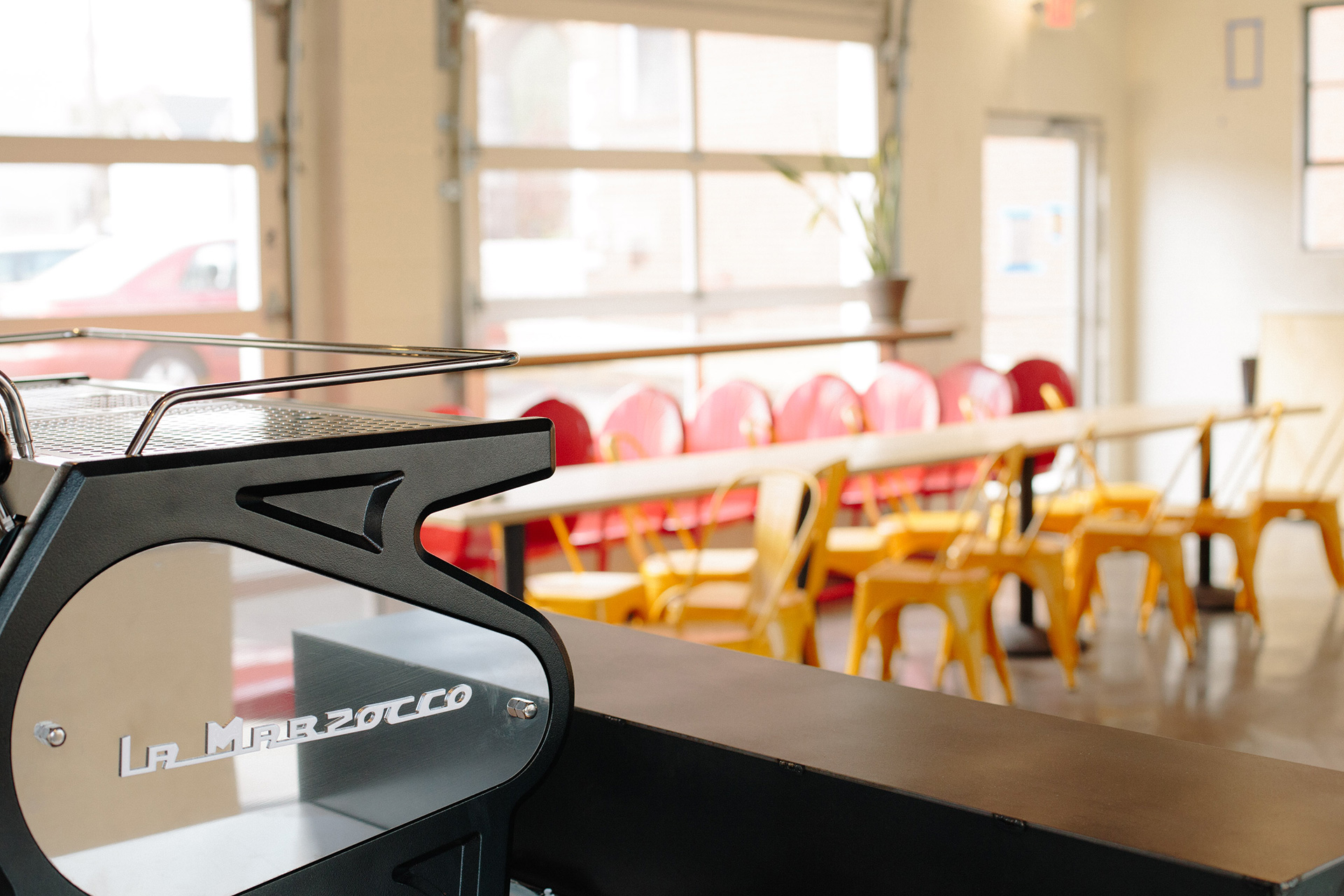
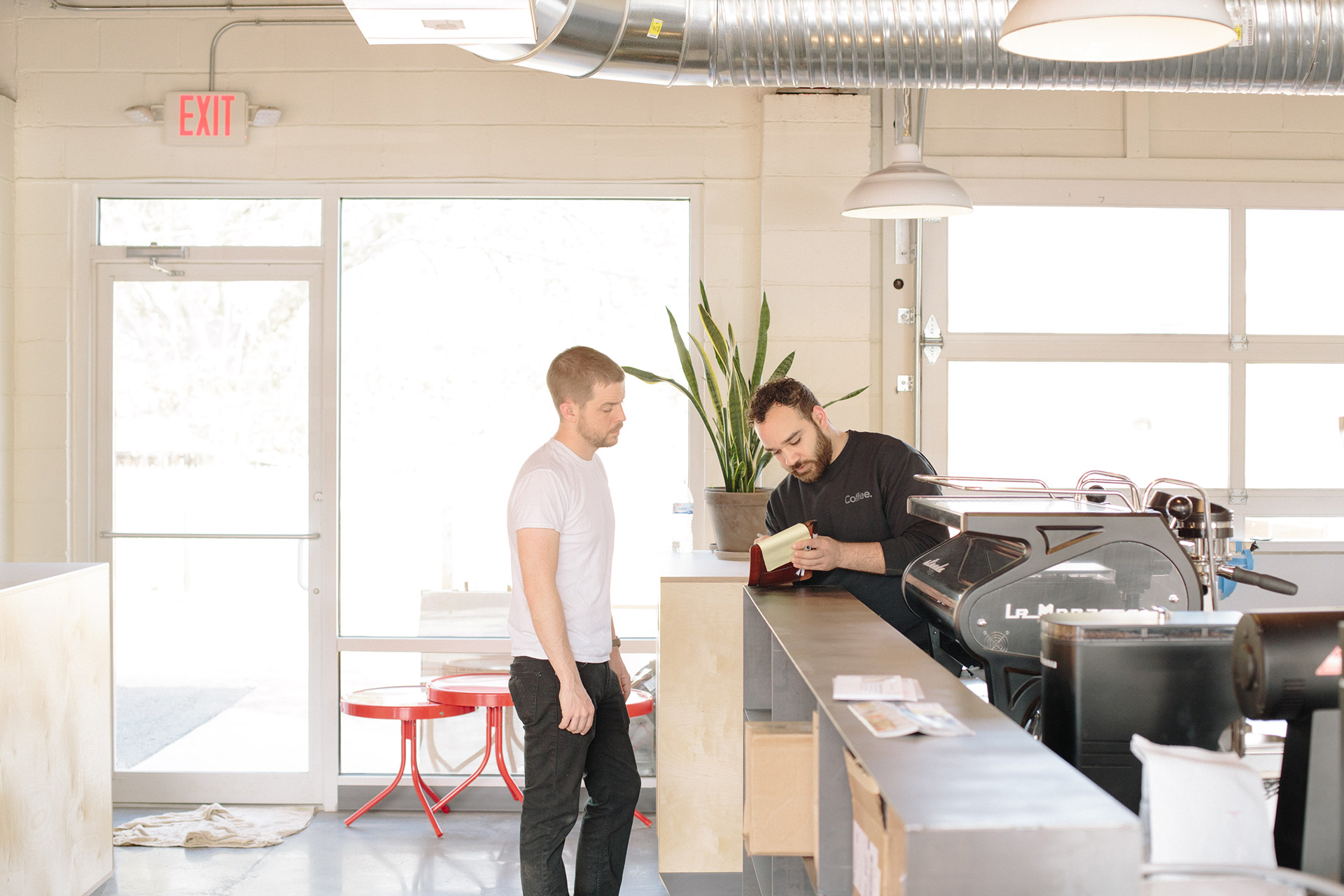
Yes, we started with the direction of Allison Mendez and Jonathan Stitelman, two Blueprint Coffee regulars that teach in the architecture and urban planning realm. We then took some of their vision for the space to Mademan Designs (Nick Adams) and the Lloyd Brothers (Joe and Phil), who created many of our tables and fixtures at Delmar to bring some continuity to the Blueprint Coffee atmosphere.
Thank you!
You’re welcome!

The Build-Outs Of Summer is an annual series on Sprudge. Live the thrill of the build all summer long in our Build-Outs feature hub.
The post Build-Outs Of Summer: Blueprint Coffee In St. Louis, MO appeared first on Sprudge.
from RSSMix.com Mix ID 8200593 http://sprudge.com/build-outs-of-summer-blueprint-coffee-in-st-louis-mo-133327.html
Why Taiwan’s High Mountain Oolong Tea Is Brewing Up a Storm
Walk down a Taiwanese street, and it won’t take you long to notice the tea shops. You’ll see teenagers slurping boba or bubble tea – milky tea which has been poured over shiny tapioca “pearls.” There will be tea shops with their fragrant range of leaves: black, green, white… and then there will be the tea that the connoisseurs all ask about: the High Mountain Oolong Tea.
Like Geisha coffee in Panama, High Mountain Oolong Tea is Taiwan’s most prized tea.
But what is it? And why is it so sought-after? Read on to find out.
You might also like Pu’er: The Fermented Tea That Everyone Wants to Try
 Drinking tea with a view of the mountains.
What Is Oolong Tea?
When you drink specialty coffee, your first question might be about the origin. Is it a chocolaty Brazilian, a fruity Ethiopian, or a balanced Guatemalan? But when it’s tea, you want to know how it was processed – because that’s the difference between black/red, green, yellow, white, and oolong.
Do You Know The 6 Different Kinds of Tea?
Tea processing centres around something called oxidation, which is the process of exposing the leaves to oxygen. This begins as soon as the leaves are picked, and there are different ways to increase or halt it. Oxidation darkens the leaves and causes them to wilt. It also adds aromas and flavours.
White, yellow, and green teas are very lightly processed. Black/red tea, as the name suggests, is heavily processed. And oolong tea? There is a huge diversity in how much oxidation happens for an oolong tea, but generally speaking, it’s more oxidezed than white/yellow/green tea and less than black tea – making it, in my opinion, the Goldilocks of the tea world.
Oolong tea is carefully monitored while it oxidizes. And it’s this process that creates its unique golden-brown color and distinctive aromas.
 Oolong tea leaves. Credit: BubbleTeaology
Taiwan’s High Mountains: A Unique Terroir
Just like with single origin coffees and fine wines, each tea plantation is unique. The terroir produces distinctive flavors while each year’s particular weather trends will add its own character to the season’s harvest.
While you can find High Mountain Oolong Tea in other countries, such as Thailand and Vietnam, it is most associated with Taiwan. And this is partly due to Taiwan’s mountains, which make for an ideal tea-growing environment.
“High Mountain” tea is grown at elevations of more than 1,000 m.a.s.l. The plantations in Taiwan are marked by high amounts of humidity and natural precipitation. The tea leaves typically remain blanketed in fog until they are carefully picked by hand.
This tea is known for its complex flavors, aromas, and aftertastes. This, in combination with limited supply, can lead to steep prices – but if you ask me, it’s always worth it.
 Oolong tea fields.
A Historic Tradition for Modern-Day Drinkers
Drinking oolong tea is a long tradition in Taiwan – it’s even part of traditional Chinese medicine. And the preparation and appreciation of the beverage are almost as important as the actual tea itself.
Small, hand-crafted teapots made of unglazed clay are the preferred vessel for brewing oolong. The pots, along with teacups, trays, and other accessories, are collected by connoisseurs of the Chinese art of tea.
If you come to Taiwan and drink High Mountain Oolong Tea here, you’ll see that we pour hot water into a pot full of dry leaves and then immediately pour it back out. This is then discarded. We do this tto remove any dust or other contaminants from the tea, allowing drinkers to enjoy the pure flavor and aroma that remains.
In Taiwan, the art of tea is about more than just drinking the beverage. You should savor the taste and take your time. It is considered an art form that takes a lifetime to master.
Enjoyed this? Check out Pu’er: The Fermented Tea That Everyone Wants to Try
Written by Miles Mack, Owner of BubbleTeaology.
Perfect Daily Grind
Want to read more articles like this? Sign up for our newsletter!
The post Why Taiwan’s High Mountain Oolong Tea Is Brewing Up a Storm appeared first on Perfect Daily Grind.
from RSSMix.com Mix ID 8200593 https://www.perfectdailygrind.com/2018/06/why-taiwans-high-mountain-oolong-tea-is-brewing-up-a-storm/