Tuesday, July 3, 2018

Coffee Just Raised $100,000 For The Asylum Seeker Advocacy Project

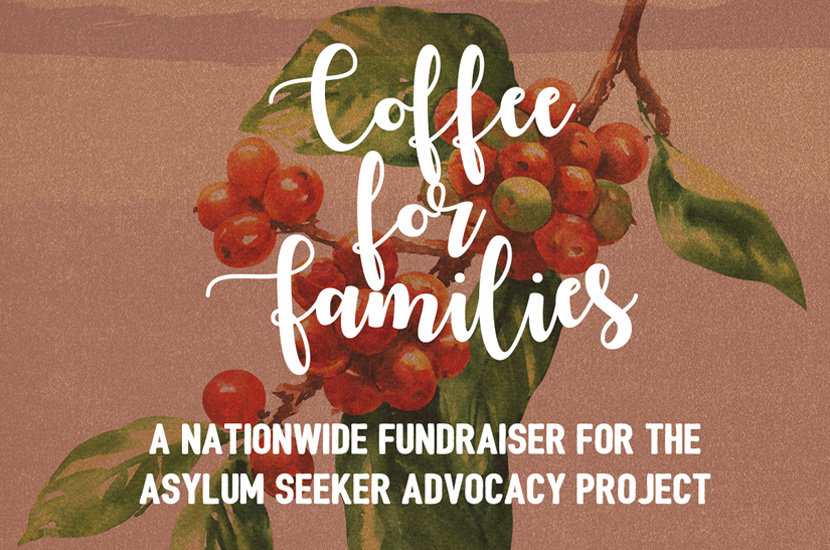
Last month, over the weekend of June 22nd-24th, Sprudge Media Network banded together with a couple hundred of our favorite cafes and coffee brands across the United States in a fundraiser benefitting the Asylum Seekers Advocacy Project. We called the event Coffee For Families, and it’s part of the outpouring of support ASAP has received over the last few weeks.

With most of the reporting in, the coffee community has raised $100,000 and counting for Asylum Seekers Advocacy Project. There’s still a few more partners left to report and we’ll be adding to that donation total in the coming days. All donations were made directly to ASAP—and if you’re moved by this effort to get involved, you can donate directly to ASAP right here.

“ASAP is so grateful to Sprudge Media and all the businesses that participated in Coffee for Families for raising over $100,000,” says ASAP Co-Founder and Co-Director Dorothy Tegeler, “Throughout the country, business owners and coffee drinkers not only raised money, but helped to raise awareness about the challenges facing asylum-seekers who come to the United States fleeing persecution. It is incredible to see such an outpouring of support.”

Thank you to our fellow media companies who took the time to report out this story, including Chicago Tribune, Eater Austin, Eater Dallas, Easter Houston, Eater Portland, and Grub Street. And a huge thanks very much to everyone who participated, shared, donated, and made this effort part of your life over that weekend in June.

There’s so, so much work left to be done, but it’s heartening to know that coffee’s capacity for leadership and advocacy runs so deep. We’ll be back again this fall with our next bi-annual Night of 1000 Pours event. If you’d like to get involved in this fall’s event, please reach out here.

Here’s a complete list of all the participanting companies in this fundraiser. Thank you all so much!

1900 Barker Bakery and Cafe — Lawrence, KS
Amethyst Coffee — Denver, CO
Andytown Coffee Roasters — San Francisco, CA
Anelace Coffee — Minneapolis, MN
The Arbor Lodge / Tanager Coffee Roasters — Portland, OR
Ascension Coffee Roasters — Dallas, TX
Assembly Coffee Roasters — Pittsfield, MA
Atkinsons Coffee Roasters — Lancaster & Manchester, UK
BattleCat Coffee Bar — Asheville, NC
Beantween Coffee — Manhattan Beach, CA
Blacksmith — Houston, TX
Blackwood Coffee Bar — Los Angeles
Blue Bottle Coffee — Oakland, San Francisco, Los Angeles, New York City, Washington DC, Miami, Boston
Blue Copper Coffee — Salt Lake City
Blueprint Coffee — St. Louis, MO
Brandywine Coffee Roasters — Wilmington, DE
Cafe Integral — Chicago, New York, Los Angeles
Caffe Streets — Chicago, IL
Carrier Roasting Co. — Northfield, VT
Case Study Coffee — Portland, OR
Chattahoochee Coffee — Atlanta, GA
Chrome Yellow Trading Co. — Atlanta, GA
City & State — Memphis, TN
The Coffee Ethic — Springfield, Missouri
Coffee Party — El Paso, TX
Community Loaves — Jacksonville, Florida
Coral Sword — Houston, TX
Counter Culture Coffee — Asheville, Atlanta, Emeryville, Boston, Charleston, Chicago, Durham, Los Angeles, New York, Philadelphia, Seattle, Washington D.C.
Cultivar Coffee — Dallas and Denton, TX
Dark Horse Coffee Roasters — San Diego, CA
Dichotomy Coffee & Spirits — Waco, TX
East One Coffee Roasters — Brooklyn, NY
Edorffeine — Los Angeles, CA
Either / Or — Portland, OR
Everyman Espresso — Manhattan and Brooklyn, NYC
Evocation Coffee — Amarillo, TX
First Village Coffee — Ossining, NY
Fleet Coffee — Austin, Texas
Flight Coffee Co — Bedford, NH
Foster Sundry — Brooklyn, NY
Four Letter Word — Chicago
FUTURO — Phoenix, AZ
Gelateria Gemelli — Austin, TX
Gimme! Coffee — Manhattan, Brooklyn, Upstate New York
Go Get Em Tiger, G&B Coffee — Los Angeles
Goat Hill Coffee & Soda — Kansas City, MO
Greater Goods Coffee Roasters — Austin, TX
Greenway Coffee — Houston, TX
Hal’s Office — Albany, CA
Heart Coffee Roasters — Portland, OR
Houndstooth Coffee — Austin and Dallas, TX
Hovey & Harrison — Edwards, CO
Hillside Coffee & Donut — El Paso, TX
Intelligentsia Coffee — Chicago, Los Angeles, Boston, New York City, San Francisco
Kaladi Coffee Roasters — Denver & Englewood, CO
Kickapoo Coffee Roasters — Viroqua, WI
Kindness and Mischief Coffee — Highland Park, CA
KIOSKO/Smalltime Roasters — Portland, OR
La Colombe — Philadelphia, Washington DC, New York City, Chicago, Boston, Los Angeles, San Diego
Lamplighter Coffee Roasters — Richmond, VA
Little Amps Coffee Roasters — Harrisburg, PA
Lupa’s Coffee — College Station, TX
Marigold Coffee — Portland, OR
Metric Coffee — Chicago, IL
Monarch Coffee — Kansas City, MO
Morningstar — Houston, TX
Mudhouse Coffee Roasters — Charlottesville, VA
New Gotham Coffee Community — Chicago, IL
No Booze on Sunday Podcast — El Paso, TX
Oatly
Oddly Correct — Kansas City, MO
Okay Yeah Co. — Oklahoma City, OK
Onyx Coffee Lab — Bentonville, Fayetteville, Springdale, and Rogers, AR
Ox Coffee — Philadelphia, PA
Palace Coffee Company — Amarillo, TX & Canyon, TX
Paperback Cafe — Mendocino County Covelo, CA
Parakeet Cafe — La Jolla, CA
Parlor Coffee — Brooklyn, NY
PennyCup Coffee Co. — Asheville, NC
Pentacle Coffee — San Francisco, CA
Philter — Kennett Square, PA
Phoenix Coffee — Cleveland, Ohio
Pleasant Pops — Washington, DC
Port of Mokha — Oakland, CA
Portland Roasting Coffee — Portland, Oregon
Posies Bakery & Cafe — Portland, OR
Post Coffee Company — Lees Summit, MO
The Potters House — Washington, D.C.
Presta Coffee Roasters – Tucson, Arizona
Public Square Coffee House — San Diego, CA
ReAnimator Coffee — Philadelphia, PA
Relax, It’s Just Coffee — Mansfield, OH
Rising Star Coffee Roasters — Cleveland, Ohio
Ritual Coffee Roasters — San Francisco and Napa, CA
Rock City Employee Cooperative — Rockland, ME
Rosalind Coffee — Garland, TX
Sip Stir Coffee House — Dallas, TX
The Society Hotel — Portland, OR
Sólo Espresso — New Orleans, LA
Stumptown Coffee Roasters — Portland, Los Angeles, Seattle, Chicago, NYC
Sustainable Harvest — Portland, OR
Tartine Bakery & Coffee Manufactory — San Francisco
Three Brothers Coffee — Nashville, TN
Toby’s Estate Coffee Roasters — Brooklyn, Manhattan
Trade and Lore — Asheville and Charlotte, NC
Ultimo Coffee — Philadelphia, PA
Upper Left Roasters — Portland, OR
Vagabond Coffee Co. — Jacksonville, Florida
Verve Coffee Roasters —Santa Cruz, Los Angeles, San Francisco
Volta Coffee, Tea & Chocolate — Gainesville, FL
Water Avenue Coffee — Portland, OR

To learn more and donate directly to Asylum Seeker Advocacy Project, follow this link.

The post Coffee Just Raised $100,000 For The Asylum Seeker Advocacy Project appeared first on Sprudge.


from RSSMix.com Mix ID 8200593 http://sprudge.com/coffee-just-raised-100000-for-the-asylum-seeker-advocacy-project-134374.html

A Specialty Coffee Shop Tour of Valencia, Spain

Think of Spanish specialty coffee, and your mind might picture the metropolises of Madrid and Barcelona. But if you ignore the rest of Spain, you’re missing out. The third wave has spread throughout the Iberian Peninsula and there are several excellent coffee shops further afield.

That is why I would like to take you on a journey through Spain’s Mediterranean coast, from Valencia to Malaga. Stop 1: Valencia.

You might also like Where Next for Spanish Specialty Coffee?

valenciaViews of Valencia, Spain. 

Why These Coffee Shops?

Located on the banks of the Turia River, Valencia is a charming place with an extensive historic centre. But you won’t just find monuments here. Arts and culture thrive in this sun-soaked city, with exhibition halls, live music, and art galleries. Oh, and every spring, the streets come alive as the people celebrate the Fallas, week-long festivities that culminate in parades and the burning of sculptures.

And if you need a coffee to power you through all this? Never fear – you have plenty of cafés to choose from.

Selecting the “best” coffee shops is an impossible task, especially when there are so many new coffee shops opening all the time. But every single place on my list is a personal favourite, thanks to its excellent coffee, great baristas, and unique ambience. And who knows – maybe one of them will also prove to be your favourite Spanish café.

coffee cupsCoffee cups and coffee at Retrogusto Coffeemates. Credit: Retrogusto Coffeemates

1. La Manera Coffee & Cocktails

This stylish coffee shop in the heart of Valencia offers great coffee, delicious food, and classic cocktails. Rustic chic meets industrialism, while large windows and plants create a sense of freshness. Settle down on a comfy chair and be prepared to relax.

Where: Carrer de Moratín 13

Atmosphere: Cosmopolitan

Espresso Machine: Sanremo Café Racer

Grinder: Sanremo SR70 Lx (2)

Coffee Drinks: Coffee from D·Origen Coffee Roasters, served as espresso, cortado, cappuccino, Chemex, and V60

Must-Try Drink: Chemex or a cocktail

Retail Offers: N/A

Food & Other Drinks: Brunch and casual cuisine, with vegetarian options; food is served all day until midnight

Nearby Sights: Located in the centre of Valencia, there’s no shortage of things to see. Wander around the Old Town (Ciutat Vella) on a sunny day, stop to enjoy the plazas, or dip into a museum or church.

coffee shopSit down for a coffee and watch the world pass by. Credit: La Manera coffee food & cocktails

2. Bluebell Coffee

You’ll find Bluebell Coffee in the trendy Ruzafa neighborhood, known as the Soho of Valencia. They opened doors in 2014 as a simple coffee shop, and since then have also turned their hand to roasting. But that’s not all that they excel at: Marina, one of the owners, was a runner-up in the 2017 Spanish AeroPress Championship.

Where: Carrer de Buenos Aires 3

Atmosphere: Refreshing

Espresso Machine: La Marzocco FB80

Grinder: Mahlkönig K30, Mahlkönig Tanzania, and Compak E10 Conic Essential

Coffee Drinks: Espresso, cortado, cappuccino, flat white, cold brew, V60, and AeroPress, all roasted in-house

Must-Try Drink: An AeroPress brewed by Marina

Retail Offers: Roasted coffee; the origins vary according to the season

Food & Other Drinks: Breakfast & brunch – mackerel toast, mashed beet and pickled onion, truffle waffle, ham, arugula, organic poached eggs…; Blackbell craft beer, made in collaboration with Zeta Beer; Baltic Porter coffee beer

Nearby Sights: There’s plenty to see in this hip region, including bookstores, painting workshops, concert halls, and multidisciplinary artwork. For art galleries, check out the Espai Tactel and ColorElefante.

having coffeeLunch time. Credit: BlueBell Coffee

3. Retrogusto Coffeemates

An independent coffee shop that brews up a variety of coffees from national and international roasters. What’s more, it’s located in Valencia’s Central Market – a must-visit for those who enjoy architecture and great food.

Where: Mercado Central de Valencia, Palcos 169-170, Plaza Ciudad de Brujas

Atmosphere: Neighborly

Espresso Machine: La Marzocco GB5

Grinder: Victoria Arduino Mythos One, Mahlkönig K30, and Mahlkönig Tanzania

Coffee Drinks: Espresso, cortado, cappuccino, Chemex, and V60; the coffee is roasted by brands such as Nømad Coffee and Right Side Coffee Roasters

Must-Try Drink: Espresso

Retail Offers: Roasted coffee

Food & Other Drinks: N/A

Nearby Sights: Retrogusto is located inside the Central Market of Valencia, a few metres from the UNESCO World Heritage Site La Lonja de la Seda, and just five minutes by foot from the Plaza del Ayuntamiento.

baristasMartina and Paula, the women behind Retrogusto. Credit: Retrogusto Coffeemates

4. Dulce de Leche

A café for those with a sweet tooth. Not for nothing is this place called Dulce de Leche, which is an Argentinian sweet made with condensed milk that is very similar to caramel. Get ready to taste delicious homemade cakes, in addition to sandwiches and bagels. Oh, and you’ll also find good music, fresh flowers, and design magazines.

Where: Carrer del Pintor Gisbert 2

Atmosphere: Relaxed

Espresso Machine: La Marzocco FB80

Grinder: Compak E10 (2)

Coffee Drinks: Espresso-based drinks, including cortado and cappuccino, with all coffee roasted by D·Origen Coffee Roasters

Must-Try Drink: Espresso

Retail Offers: N/A

Food & Other Drinks: Cakes (try the carrot cake or the Belgian pure chocolate and dulce de leche cake), sandwiches, and bagels

Nearby Sights: The trendy Ruzafa neighborhood and Gran Vía

coffee industryDulce de Leche, the Postcard Collection. Credit: Javier Ferrer Vidal for Dulce de Leche

Bonus Mentions:

Tried these four and thirsty for more? Check out Coffee Time Artisan Roaster in Ruzafa Market or Mayan Coffees on Carrer de Murillo.

coffee beansNicaragua, Las Brumas roasted by Coffee Time Artisan Roaster. Credit: Coffee Time Artisan Roaster

Valencia is marked by long days, hot sunshine, and great culture. It’s also famous for its food and drink: paella, oranges, the Agua de Valencia cocktail… but coffee-lovers, don’t forget to sip on a hot (or cold!) brew while in this gem of a city. You won’t be disappointed.

Enjoyed this? Check out A Specialty Coffee Corner Tour of Barcelona

Written by David Muñoz of D·Origen Coffee Roasters.

All views within this opinion piece belong to the guest writer, who is a local of southern Spain, and do not reflect Perfect Daily Grind’s stance.

Want to read more articles like this? Sign up for our newsletter!

The post A Specialty Coffee Shop Tour of Valencia, Spain appeared first on Perfect Daily Grind.


from RSSMix.com Mix ID 8200593 https://www.perfectdailygrind.com/2018/07/a-specialty-coffee-shop-tour-of-valencia-spain/

Monday, July 2, 2018

Guía para Tostadores y Compradores de Café de Ruanda

Los tostadores y amantes del café no deberían ignorar a Ruanda, un pequeño país del África Oriental, conocido como “Tierra de las Mil Colinas”. Su producción de café de altura de gran calidad va de la mano con su lucha contra la pobreza.

Aunque no es uno de los países productores más grandes de África; en 2016, cosechó solo 220,000 sacos de 60 kilos, en comparación con 7,1 millones en Etiopía y 4,9 millones en Uganda. No obstante, Ruanda se está posicionando como un café de origen de especialidad de clase mundial y, los deliciosos sabores de su café apoyan esta teoría.

Pero, ¿qué deberían saber los tostadores acerca del café de Ruanda? ¿Qué sabor y qué aroma tiene? ¿Cómo se produce? ¿Y qué estilos de tueste son más adecuados?

Continúa leyendo para conocer todas las respuestas a estas preguntas.

Read this in English A Roaster’s & Coffee Buyer’s Guide to Rwandan Beans

estacion de cafeCafé se procesa en tanques húmedos y luego se seca en camas elevadas en este beneficio de Ruanda. Crédito: Stean Bean

Café: Un Cultivo de Esperanza

El café no es una planta nativa de Ruanda. Se cree que fue introducida por misioneros alemanes a principios de 1900. Desde entonces, éste se cultiva, y representa oportunidades económicas para muchas familias que viven en zonas rurales.

Sin embargo, ningún archivo de la historia de Ruanda puede ignorar el trágico Genocidio de Ruanda de 1994, cuando 800,000 personas fueron asesinadas en solo 100 días y por lo menos 250,000 mujeres fueron violadas. A raíz de esta tragedia, se crearon organizaciones como Partnership for Enhancing Agriculture in Rwanda through Linkages (PEARL) y Sustainable Partnerships to Enhance Rural Enterprises and Agricultural Development (SPREAD). PEARL, dirigida por el Dr. Dan Clay, y SPREAD dirigida por el Dr. Timothy Schilling (ahora Fundador y CEO de World Coffee Research); fueron financiadas por USAID y tenían como objetivo apoyar a Ruanda mediante la revitalización de su agricultura.

Y el café, como uno de los cultivos más valiosos del país, fue una de las prioridades. La inversión en infraestructura y capacitación apoyó a los productores de café, y el impacto de estas iniciativas aún se percibe en la actualidad.

A pesar de ello, Ruanda aún tiene problemas: alrededor del 40% de la población vive en condiciones de pobreza. Sin embargo, a partir de 2016, la industria del café es la cuarta industria con mayores exportaciones a nivel nacional, con un valor de US $ 59,4 millones al año. Las mejoras en este sector pueden continuar ayudando al país a recuperarse, especialmente cuando se abordan las desigualdades estructurales en la cadena de suministro.

También te puede interesar ¿Qué Sabor Tienen Los Cafés Alrededor del Mundo? Y ¿Por Qué?

La National Agricultural Export Development Board (NAEB) de Ruanda menciona que su estrategia para el café está “Posicionando a Ruanda como productor de café de especialidad” para “permitir que el sector contribuya al crecimiento y prosperidad del país”. NAEB también interpreta el aumento de los precios como una señal de su éxito y centra sus esfuerzos en mejorar las prácticas de producción y procesamiento.

Demos un vistazo a estas prácticas y lo que significan para los tostadores.

cerezas Lavando cerezas recien recolectadas. Crédito: Bryan Clifton

Producción de Café & Perfiles de Sabor

“La razón por la que amo mucho el café de Ruanda es por la sensación pesada y sabor a sirope que deja en la boca”, me dijo Brett Stenson de Barista, Portland. Esta característica dulce y con cuerpo se debe en parte a la variedad del café: la mayoría de los granos de Ruanda son Bourbon o sus derivados.

Te puede gustar Geisha vs Bourbon: Un Curso Intensivo de Variedades de Café

Sin embargo, encontrarás una gran variedad de perfiles de sabor en Ruanda: cereza, uva, lima, chocolate, melón, mandarina, nectarina, caramelos, albaricoques, ciruela, entre otros. Brett mencionó que casi siempre percibe sutiles notas de sabor a dátiles, además de una acidez limpia, crujiente y cítrica.

Estos perfiles frutales son el resultado de las buenas condiciones de cultivo del país. Hay alrededor de 400,000 productores pequeños en Ruanda (NAEB), con la mayoría de las fincas ubicadas entre 1,700-2,000 m.s.n.m., según Sweet Maria’s. Esta gran altitud aumenta la complejidad de los perfiles de sabor del café (y necesita una mayor carga de temperatura y RoR, ¡Pero ya hablaremos más sobre los perfiles de tueste!)

La mayoría del café del país proviene del sur y el oeste, pero en realidad hay cinco áreas productoras distintas. En el noroeste, encontramos la región volcánica de Virunga (que es también el hogar de los famosos Gorilas de Montaña de lomo plateado). Al oeste, la región de Kivu se encuentra junto al lago Kivu. Si vamos un poco hacia el centro del país, llegamos a la región de Kizi Rift. Más al sur se encuentra Akagera, conocida por su altitud relativamente baja (1.300 m.s.n.m.). Y por último, pero no menos importante, está la región de Muhazi hacia el este.

Por supuesto, todas estas regiones cafetaleras son distintas. Sin embargo, en todo el país se pueden encontrar grandes altitudes y suelos volcánicos ricos en nitrógeno. Estos crean excelentes condiciones para la producción de los granos de alta calidad que amamos tostar y consumir.

cerezas de cafeCerezas recién recolectadas.

Procesamiento Lavado para Cafés Limpios

En el pasado, el café de Ruanda se procesaba de manera irregular en fincas individuales y luego se mezclaba con el de las fincas vecinas. Sin embargo, después del genocidio, tanto el Gobierno como organismos como PEARL incentivaron a los productores a invertir en métodos de procesamiento completamente lavados. Esto fue tan exitoso que actualmente existen 245 estaciones de lavado en todo el país (NAEB, 2015) en comparación con una que funcionaba antes, según Sweet Maria’s.

Así mismo, vale la pena mencionar que los cafés totalmente lavados, también llamados doble lavado, normalmente se procesan de forma ligeramente diferente a los cafés lavados. Generalmente, se remojan dos veces, un método común en África pero no en América Latina.

También te puede interesar Proceso 101: Lavado, Natural Y Honey Producción de Café

Por supuesto, también encontrarás otros métodos de procesamiento si los buscas muy bien. Pero el café típico de Ruanda es un Bourbon dulce, con mucho cuerpo y completamente lavado, cultivado a gran altura.

cafe honeyCafé Honey de Ruanda, muy raro encontrar, se seca en camas elevadas. Crédito: InterAmerican Coffee

¿Qué Desafíos Enfrenta Ruanda?

La industria del café de Ruanda es más fuerte que nunca, pero aún enfrenta algunos retos. El mayor de estos es el defecto del sabor a papa, algo que afecta a los cafés de Ruanda y Burundi en particular. Es causado por el insecto Antestia, que absorbe los nutrientes de la cereza. Sus pequeñas marcas de punción son difíciles de detectar durante la recolecta, el aroma y el sabor a papa cruda que deja en taza se detecta inmediatamente.

“El mayor problema con el sabor a papa es que un grano que tenga este problema puede arruinar por completo tu bebida”, me dijo Brett.

Para combatirlo, los productores pueden intentar detectar la plaga en sus tierras y usar pesticidas, siempre que tengan el conocimiento y los recursos.

Además, los productores de café en Ruanda enfrentan los mismos desafíos que aquellos en el resto del mundo: el cambio del clima, una reducción en la cantidad de tierra apta para la agricultura, precios bajos …

Sin embargo, la industria del café de Ruanda continúa creciendo, con un enfoque en la calidad y el procesamiento. El futuro parece prometedor para la Tierra de las Mil Colinas.

productores de cafeLos productores clasifican las cerezas de café recién recogidas en la estación de lavado de Bumbogo, Ruanda. Crédito: Nightjar

Cómo Tostar Cafés de Ruanda

Entonces, ahora que hemos analizado los deliciosos sabores de los cafés de Ruanda y cómo éstos se producen, pasemos a la pregunta más importante que se hacen los tostadores: ¿Cómo deben tostarse?

Al igual que todos los cafés, esto variará dramáticamente de acuerdo con el perfil de taza deseado y también los granos, su origen preciso, método de procesamiento, entre otros factores. Sin embargo, hay una cosa que debes tener en cuenta: debido a su gran altitud, los cafés de Ruanda pueden ser muy densos.

Brett me dijo que su única regla general para los cafés de especialidad de África es aplicar una gran cantidad de calor durante el desarrollo del proceso de tueste. Los granos duros como estos transfieren bien el calor y se benefician de una carga de temperatura y una tasa de aumento relativamente más altas. Si la temperatura es demasiado baja, pueden llegar a hornearse.

Puedes conocer más con Aspectos Básicos del Tueste: Cómo Tostar Granos Duros y Granos Semiduros

Al mismo tiempo, no quieres apresurarte durante el tueste. Dado que los cafés de Ruanda tienden a tener una gran sensación en boca, es posible que también quieras experimentar alargando el tiempo de desarrollo y el primer crack para acentuar el cuerpo.

“El café de Ruanda con un tueste muy suave puede ser muy ácido de una manera agradable, pero no tengas miedo de sacar un café con un cuerpo de sirope y sentir su sabor en boca”, resaltó Brett.

cafe tostadoCafé recién tostado

Granos de Ruanda: dulces, con cuerpo, afrutados, ácidos … Pero hay mucho más en la historia de la industria cafetera de este país que solo sus deliciosos sabores y aromas. Deléitate con un Bourbon de gran altitud, totalmente lavado, y recuerda que la cosecha representa una oportunidad para 400,000 agricultores pequeños en todo el país.

Escrito por Gisselle Guerra.

Traducido por Alejandra M. Hernández. Traducción editada por María José Parra.

¿Quieres Seguir Leyendo Artículos Como Este? ¡Suscríbete Aquí!

The post Guía para Tostadores y Compradores de Café de Ruanda appeared first on Perfect Daily Grind.


from RSSMix.com Mix ID 8200593 https://www.perfectdailygrind.com/2018/07/guia-para-tostadores-y-compradores-de-cafe-de-ruanda/

Booth Beat: Our 5 Favorite Booths From World Of Coffee Amsterdam

world of coffee amsterdam netherlands

world of coffee amsterdam netherlands

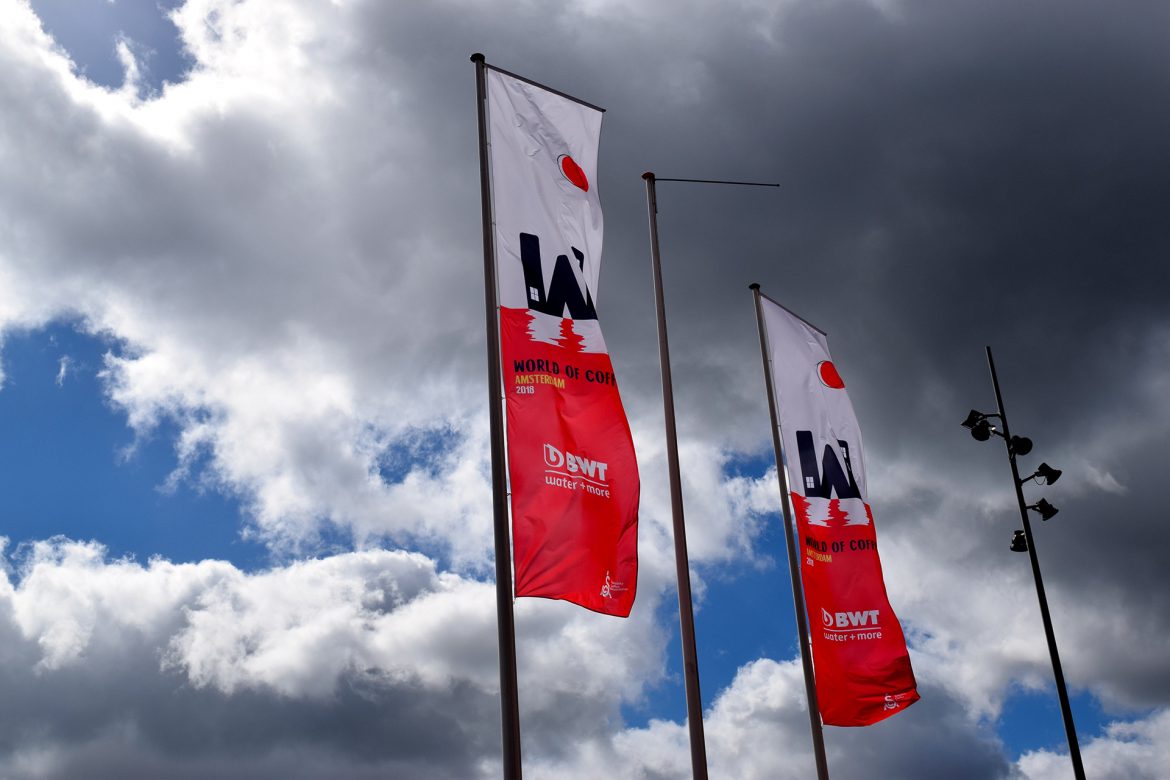
Dutch winds blew chilly outside World of Coffee 2018, but inside, at the Amsterdam RAI convention center, June 20th to 23rd were hot-ticket days.

Breaking records this year, nearly 11,000 professionals registered for WOC, according to its organizing body, the Specialty Coffee Association. At a pre-ribbon-cutting press conference prior to the trade show’s official opening, SCA chief events officer Cindy Cohn cited a presence of 271 exhibitors and called it “the best-looking event we’ve put on.” Later, on the competition floor, Agnieszka Rojewska from Poland made history by becoming the first woman in the contest’s 18-year existence to win the title of World Barista Champion.

Visitors to Amsterdam sometimes joke that they can’t remember much from their trips to the famously live-and-let-live city, but these five WOC booths proved unforgettable.

world of coffee amsterdam netherlands

Kees van der Westen

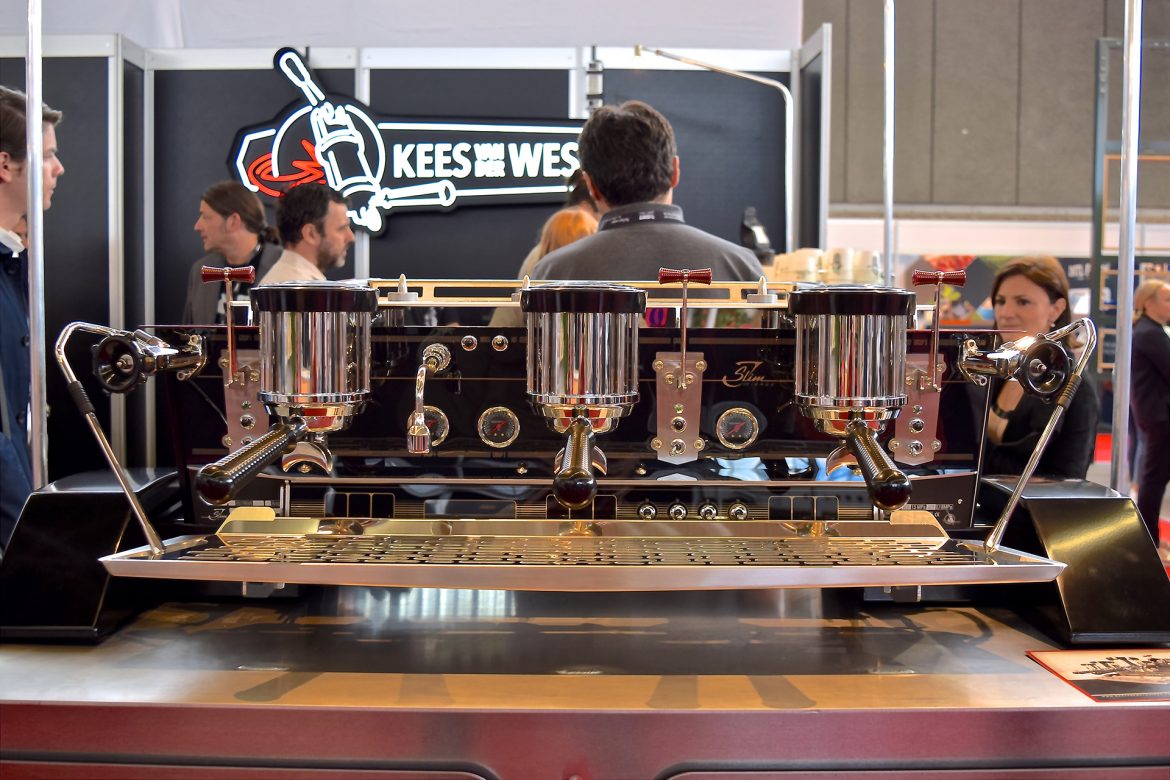
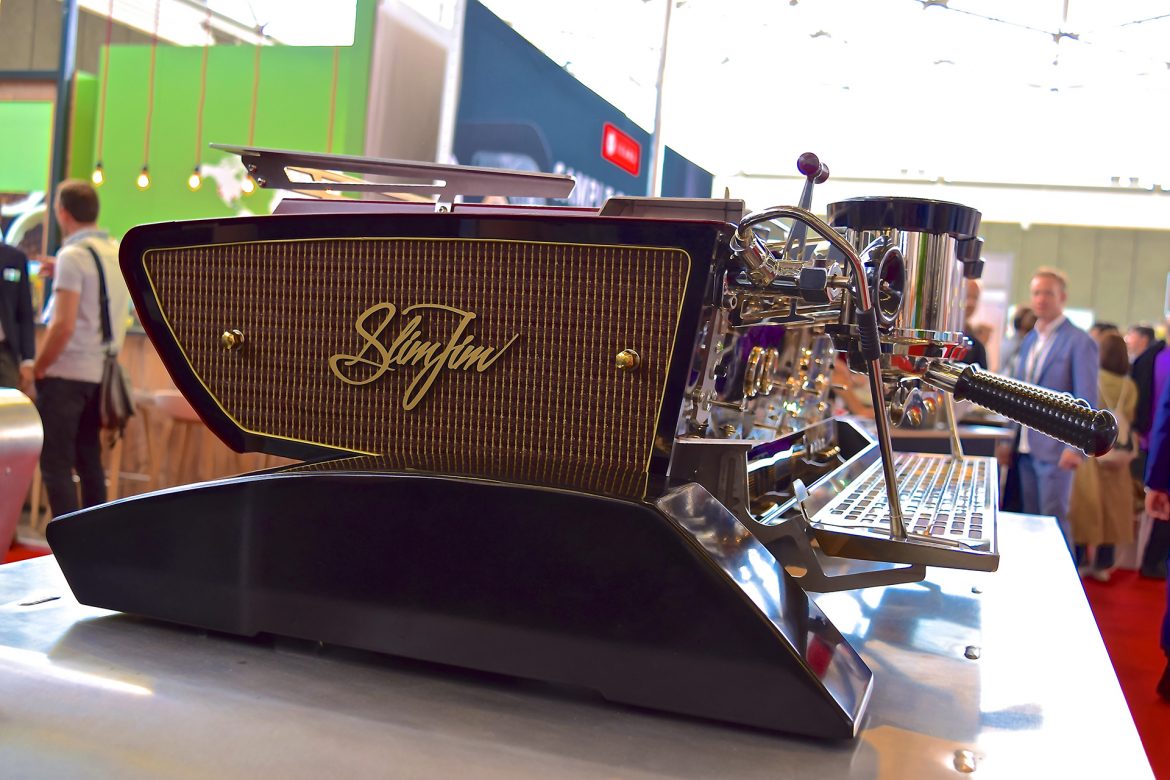
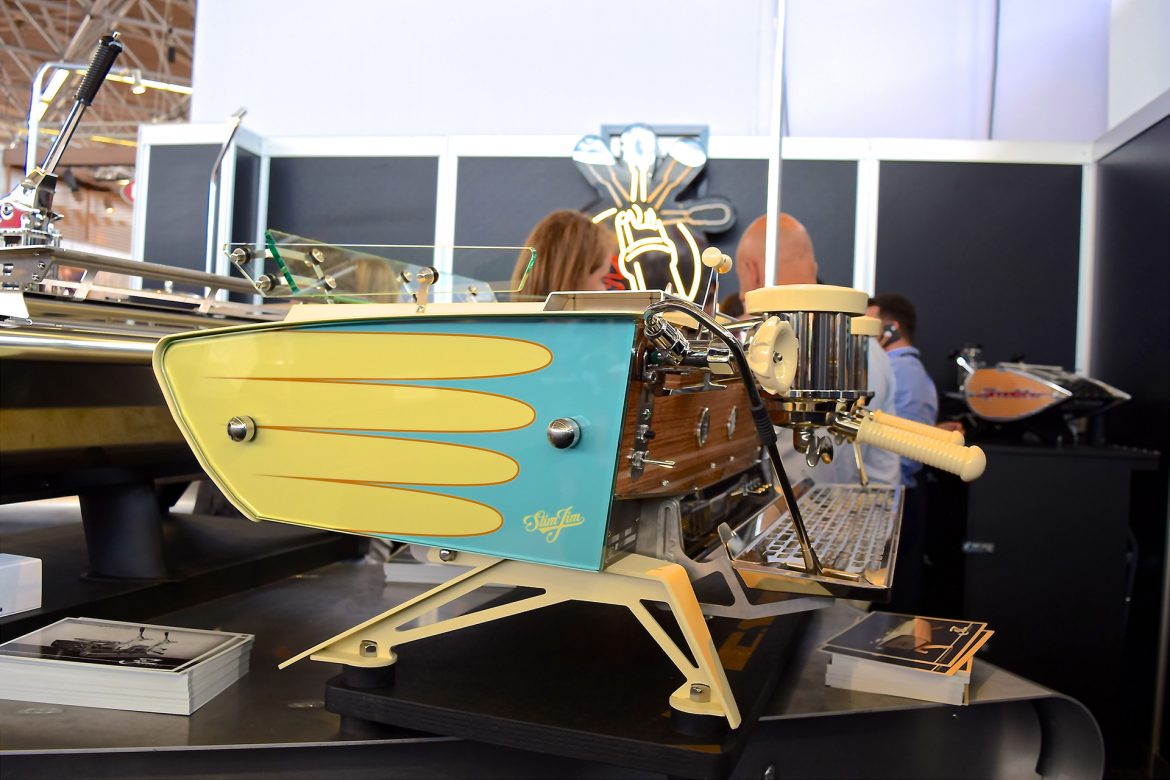
Nothing lights up a Dutch coffee event like the indigenous splendor of the Kees van der Westen brand, and everybody, from everywhere, was getting revved-up to see the debut of the Mirage Slim Jim. Presaged in a 2016 Sprudge interview with Kees van der Westen himself, this new espresso machine is “kind of a mixture” between others in the existing seQries, explained Yvette van der Westen, who oversees marketing for the company that her father heads. “Technically, visually, and price-wise, it will offer users an experience that falls somewhere between the Mirage and the Spirit.”

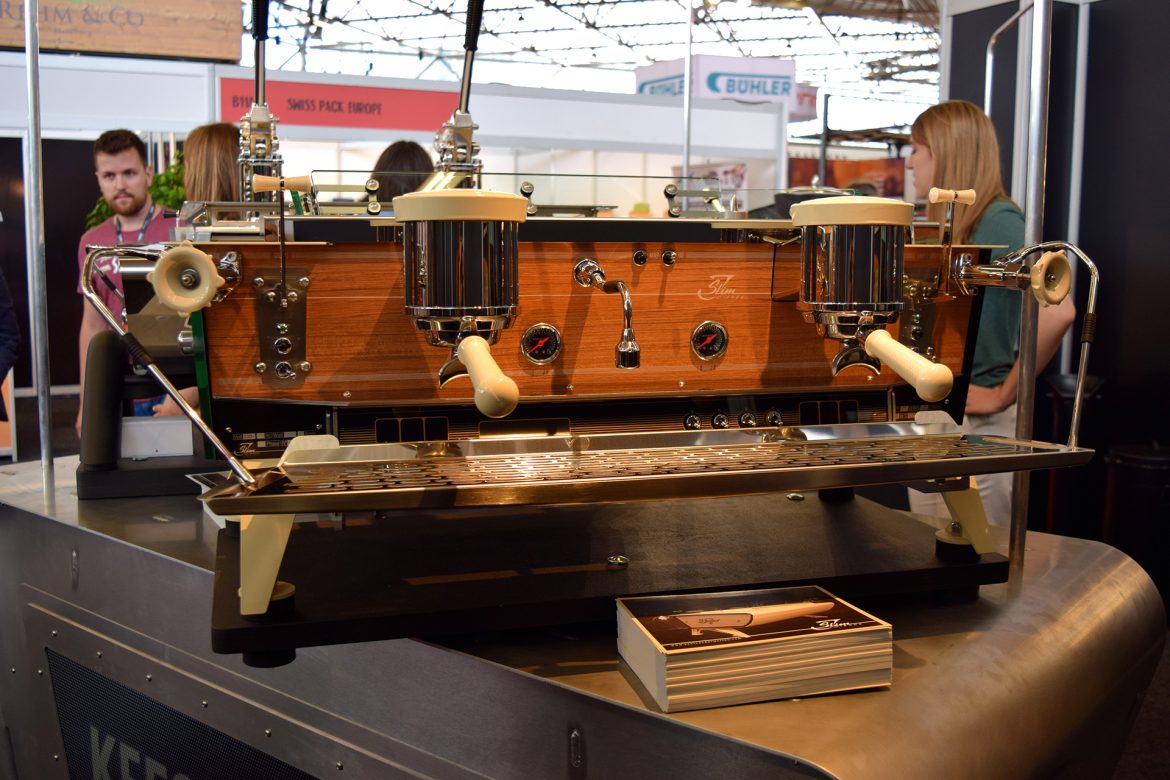
Unlike the Mirage, the Mirage Slim Jim is a multiple-boiler machine. Available in a Douette or a Triplette configuration, the groups have been given plenty of love and attention, each having its own two-stage progressive pre-infusion cylinder, a shot timer, a thermometer, and a pressure gauge. Other features include a dual hot water temperature knob and a dual volumetric lever.

world of coffee amsterdam netherlands

world of coffee amsterdam netherlands

The Slim Jim Idrocompresso model shares many of the same specs as the standard Slim Jim, but its prominent lever group cylinders have been built to be fully encased in hot water. This produces “a water cushioning effect which takes off a bit of the pressure and it won’t hit you in the face,” said Yvette, explaining that the lever on previous Idrocompresso models was susceptible to shooting up if a barista forgot to load the portafilter.

All four prototypes showed unique details, including interchangeable legs, front and side panels, cup rails, awnings, and knobs, plus various colors and room for customized logos. Still, they all shared a nostalgic Americana automotive design sensibility, so much so that baristas might start pulling out their Pomade and poodle skirts.

world of coffee amsterdam netherlands

Following WOC, the Van der Westen family—all members showed up, including Yvette’s two sisters, now also her colleagues—were due to cruise back to headquarters in Waalre. Their road map foresees a few more technical tweaks, a pre-production series, and finally, the Mirage Slim Jim’s availability by early 2019.

world of coffee amsterdam netherlands

Qima Coffee

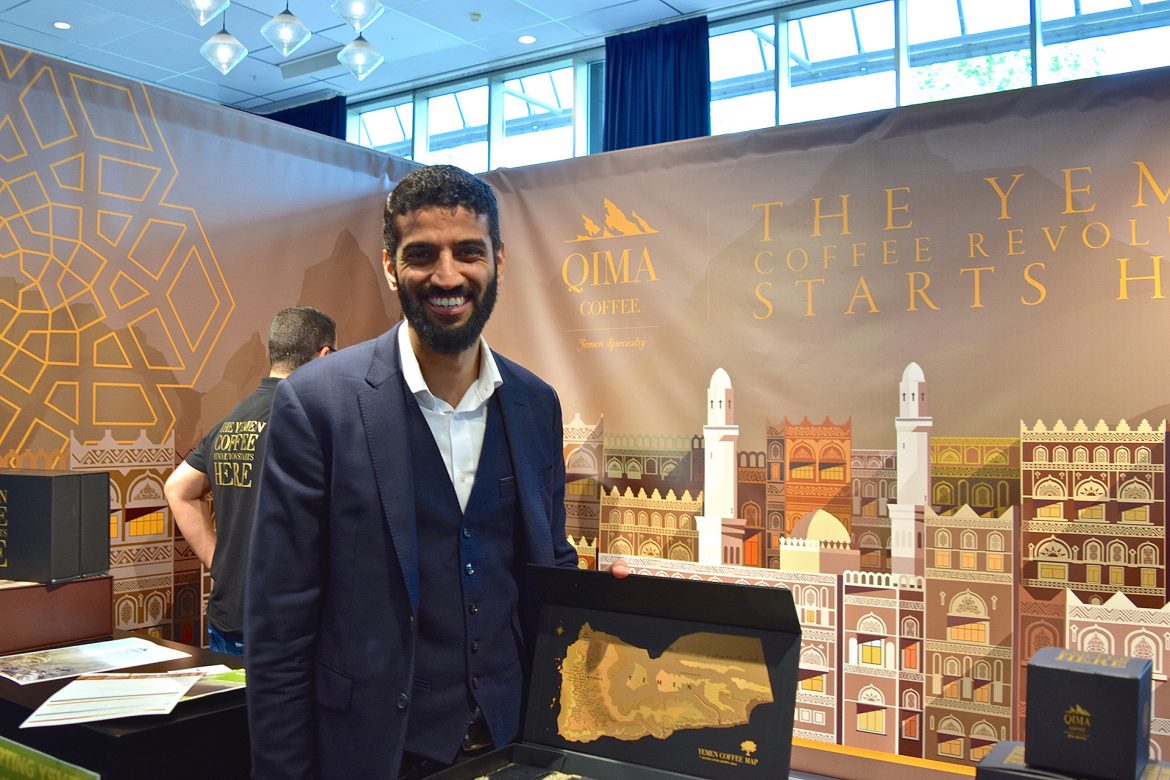
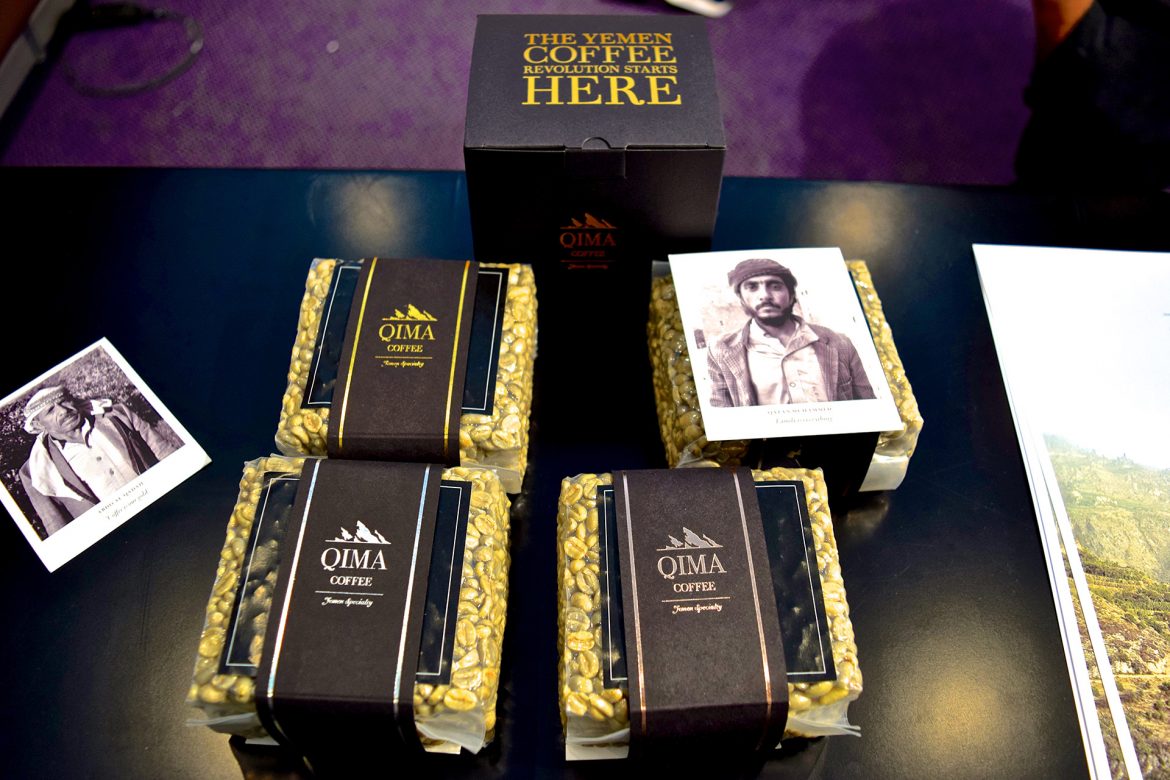
At WOC Amsterdam, the launch of Qima Coffee, a London-headquartered company sourcing specialty beans from Yemen, was bittersweet. “The Yemen Coffee Revolution Starts Here” read the slogan on the stand’s backdrop, a lively mocha- and gold-toned illustration of Sana’a’s ancient skyline. Helping lead that revolution is Faris Sheibani, a UK-born Yemeni who founded Qima in late 2016, seeking to do something for his parents’ country of origin, where civil war has killed, wounded, and displaced thousands of people since early 2015.

Booth-side, Sheibani and colleagues warmly received visitors, telling them about Qima’s debut collection. Some 800 smallholder farmers across northern and central Yemen produced about 250 coffee lots, which were cupped and scored by Dutchman-gone-Californian Willem Boot of Boot Coffee. For the expo, Cafe Keppler co-owner Kees Kraakman roasted sample beans and praised Sheibani, a former SCA course student of his, for “how he combines a moral cause with a commercial enterprise.” Some farmers can now earn 20 times more income working for Qima, said Brahim Boukadid, Qima’s commercial manager in the Netherlands. He reported that 10% of profits get reinvested in the farmers’ villages, supporting agriculture and education projects, though above all, he emphasized: “We want to give them hope with this coffee.”

world of coffee amsterdam netherlands

Attendees showed avid interest in Qima, suggesting its commercial prospects in Europe are real. Those glimmers of hope, however, were overshadowed by a conspicuous absence: that of four Yemeni farmers and a Yemeni NGO worker who were expected to be part of the company’s Amsterdam delegation. Their visa requests to visit the Netherlands were denied twice after what Sheibani described in an impassioned video message as an arduous, time-consuming, and humiliating application process filed via the Dutch embassy in Amman, Jordan. The visa denial made headlines and generated social media posts hashtagged #freeourfarmers. Qima has been outspoken about the decision’s unjustness and its irony. In the same video, Sheibani stated: “The Dutch East India Company took—smuggled—seedlings from Yemen, coffee seedlings from Yemen, to Amsterdam to plant them in the botanical gardens in Amsterdam, illegally. Four hundred two years later, we wanted to legally… together with the Dutch, celebrate coffee culture.” Qima has since published a follow-up video, captioned as a “message of hope and coexistence from the farmers of Yemen to the people of the Netherlands and the world!”

At the time of writing, three of the farmers remain in Amman, Sheibani told Sprudge in an email shortly after he returned to the UK. He said that he is helping the farmers apply to other global coffee exhibitions so they can personally represent their coffees. “If they go back empty-handed, it would be a devastating blow to thousands of farmers following the events from Yemen and a significant setback to the Yemeni coffee industry in general,” wrote Sheibani. (For the latest news, follow Qima on Facebook.)

world of coffee amsterdam netherlands

Department of Brewology

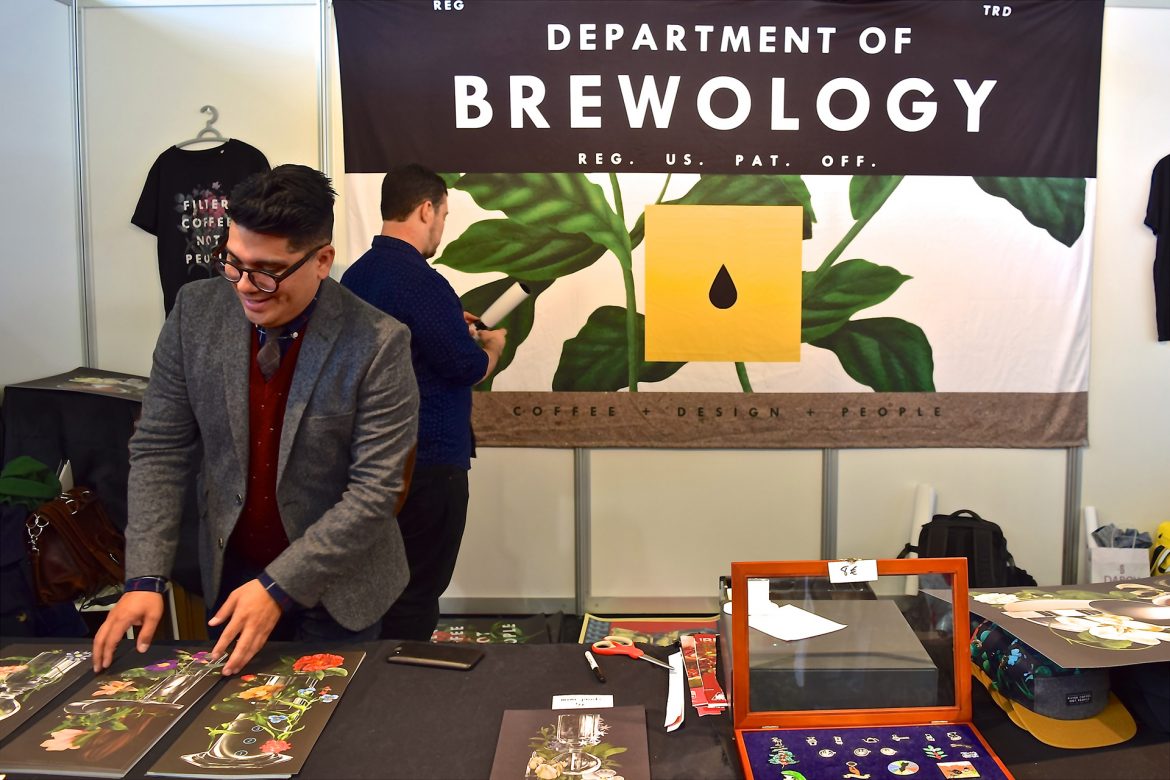
It was a sight for sore eyes and some salve for the soul to spot the Department of Brewology making their WOC debut. The dauntless design duo from Austin, Texas, was selling wearables and wall art featuring their Filter Coffee Not People slogan, among others.

“It’s been great, actually. We love coming to Europe,” said company operations manager Brett Cannon, when asked their reception outside the US. New items on show included two coffee blossom pins and mini-prints of their iconic illustrations commingling botanicals and barista tools. Company designer David Salinas also told Sprudge about a new campaign, expected to launch in the coming months. For it, the Department of Brewology is working with The Lucy Foundation, a New Zealand-based organization promoting greater visibility of people with disabilities in the coffee industry. In the same spirit that sees proceeds of the FCNP T-shirt going to the Refugee Services of Texas, the new initiative will help raise funds for The Lucy Foundation. These designs are a collaboration between Floridian illustrator Anna Coleman and Salinas, and will be anchored by their own slogan. Those words are not yet public, but the campaign is geared “to really advocate for coffees that do good as opposed to just coffees that taste good,” said Salinas.

world of coffee amsterdam netherlands

Collezione Henk Langkemper

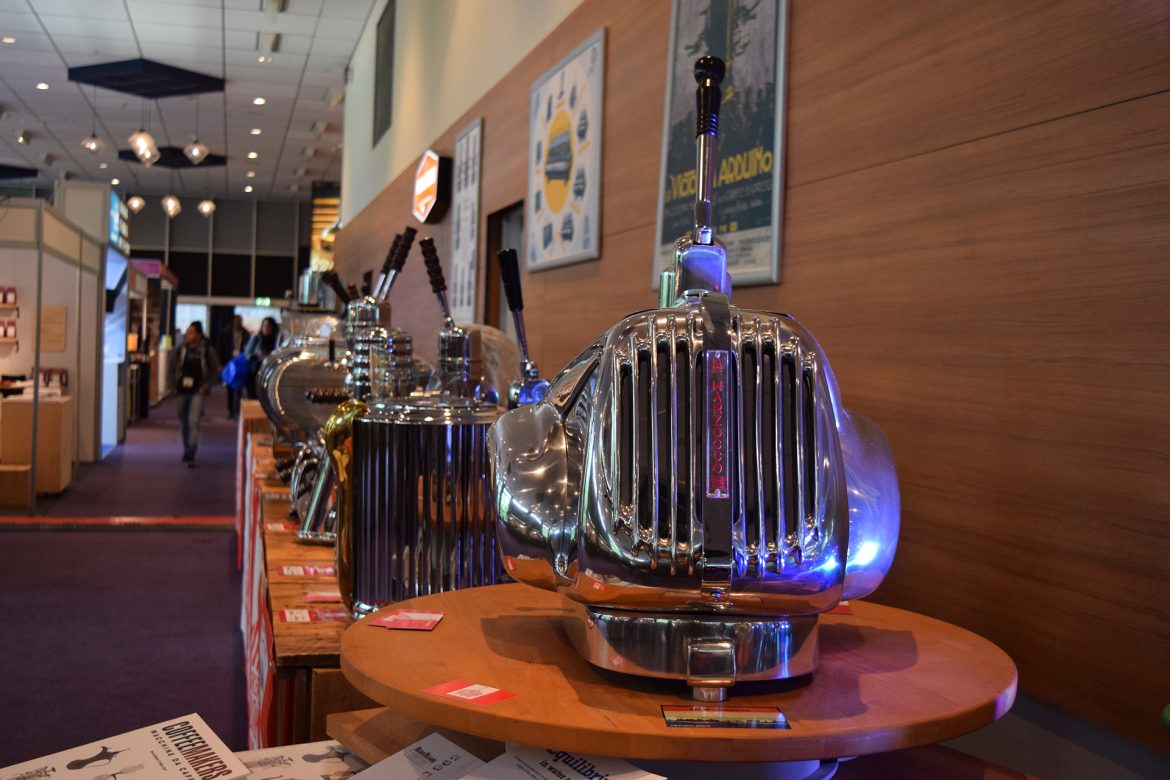
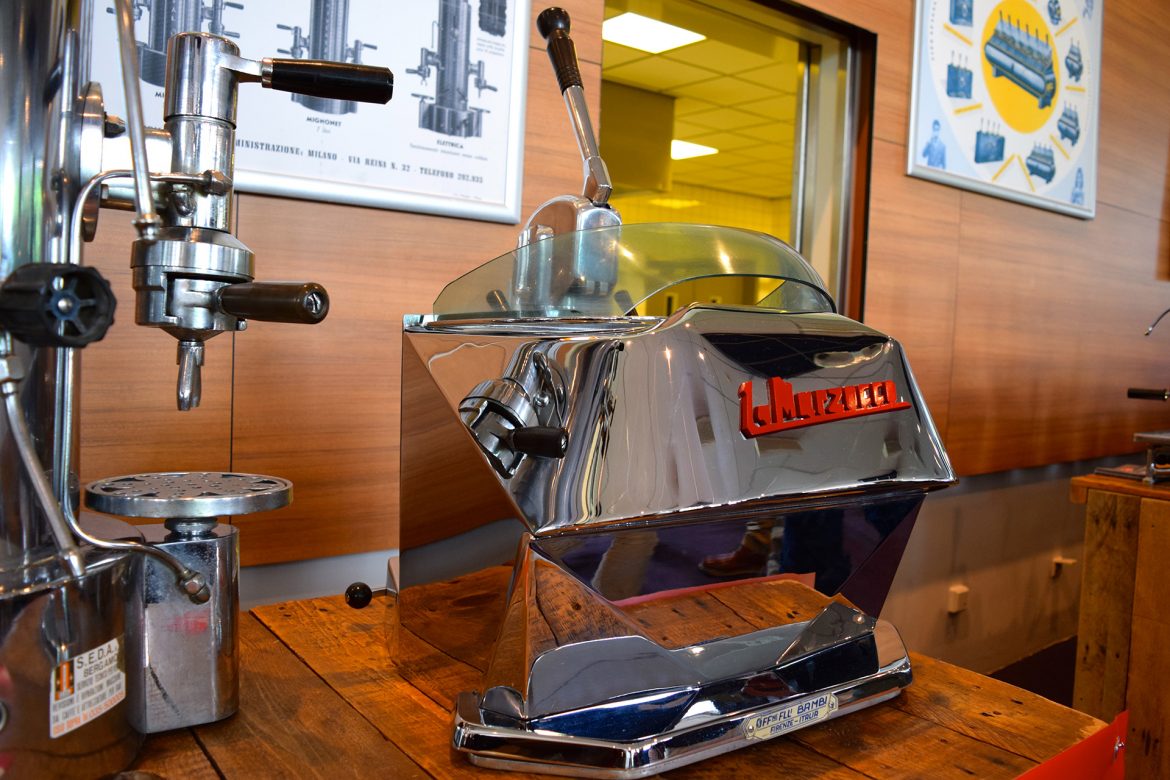
Not a booth but a veritable buffet table, the Collezione Henk Langkemper snaked its way along one side of the trade floor’s food court. On show were 25 vintage espresso machines and grinders manufactured between 1936 and 1972, and now belonging to Dutch coffee industry vet Henk Langkemper. His entire 110-piece collection of such relics is usually at Espresso Service West, his three-decade-old coffee import and distribution company in The Hague that has become synonymous with supporting Dutch baristas in national and world competitions.

world of coffee amsterdam netherlands

Asked for his most cherished, Langkemper pointed to what he called “any collector’s favorite:” the Rondine, described as the first La Marzocco one-group ever made, in 1953. The journey to get the machines to Amsterdam was tumultuous, said their owner: the idea began hatching at last year’s WOC Budapest, was slowed down by uncertainty about where on the expo floor the display could be accommodated, got called off after Langkemper had a heart attack in November, and then by February, reignited when an ESW customer pledged to provide the display bars. Before long, friends of Langkemper, from Seattle to Hong Kong, pitched in to help restore the machines. And so there they—and their owner—stood, back in shiny working condition.

world of coffee amsterdam netherlands

Coffee Pixels

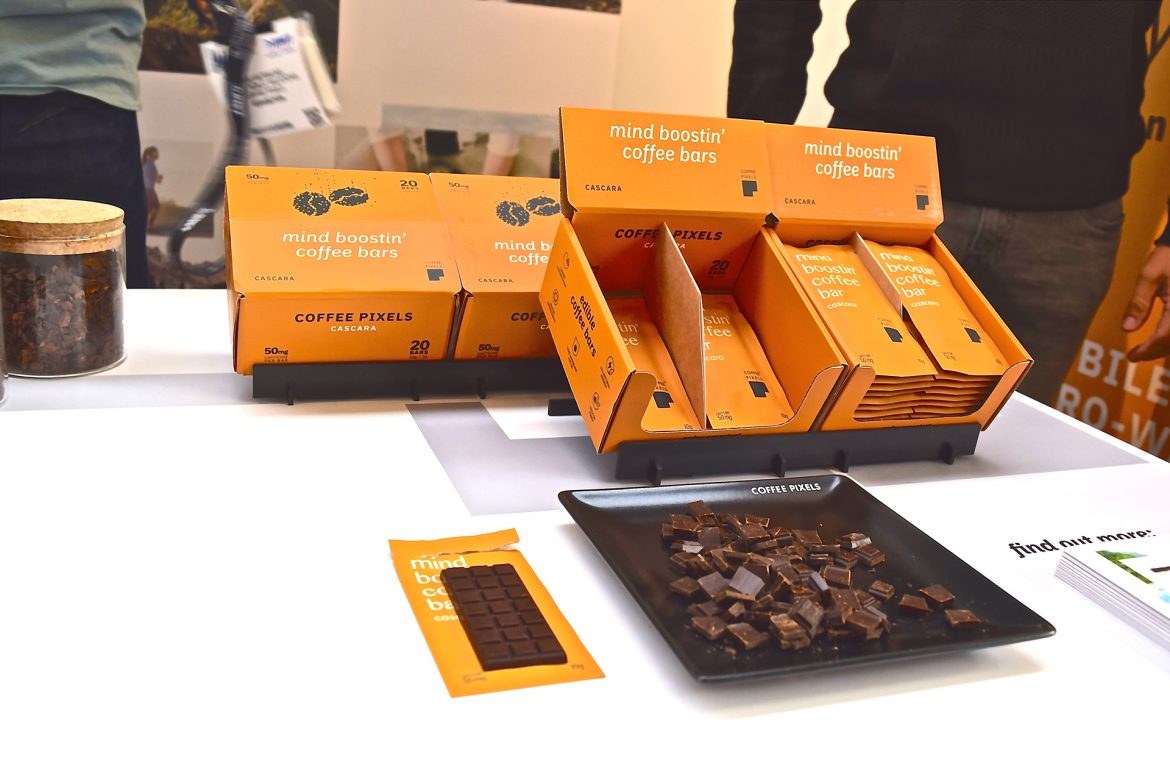
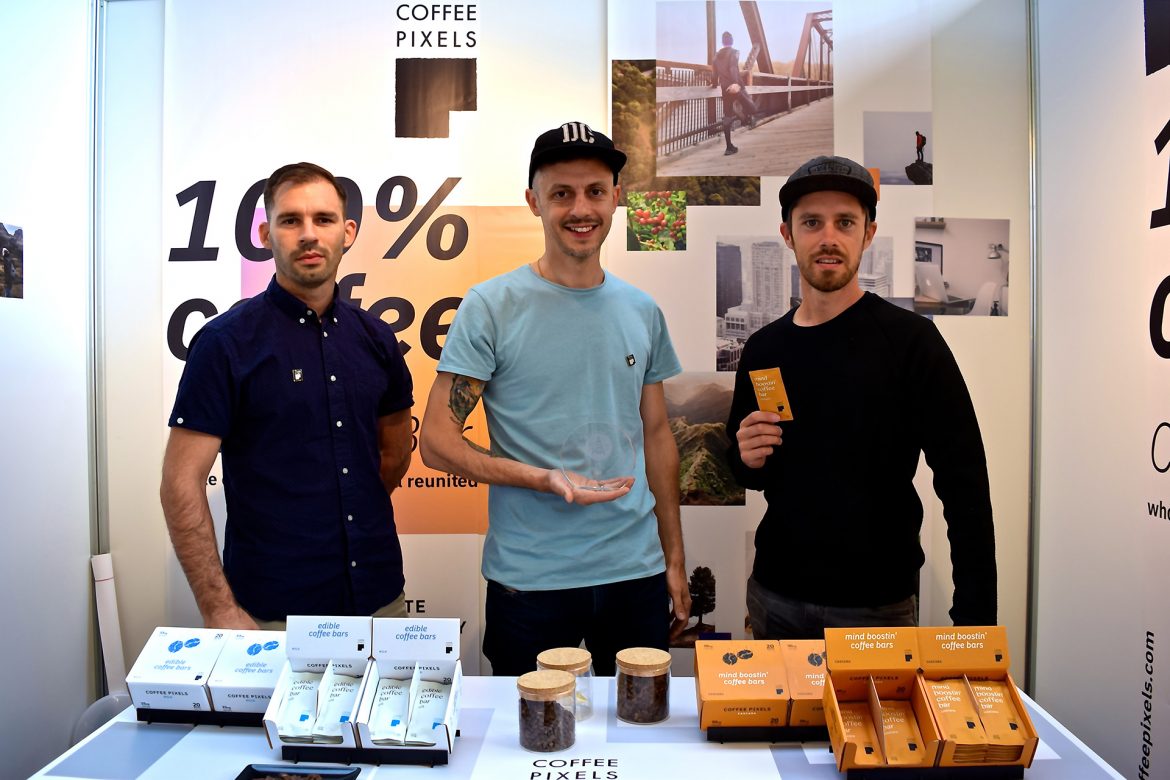
Winning this year’s Best New Product Competition in the category of food was Coffee Pixels Cascara, one of two edible coffee bars being sold by Latvian cousins Raivis, Andris, and Gundars Vaitekuns. Former specialty cafe owners in Riga, the trio today forms the company Solid Coffee, which started producing Coffee Pixels in 2017. Raivis described it as an idea born from necessity or, more precisely, withdrawal while traveling. Recounting instances when gas station or airplane coffee was their only option, he said they asked themselves “how we can take the quality of experience and the values that we have in specialty coffee truly on the go.”

The 10-gram bars are made from cocoa butter, Ethiopian coffee, coffee cherries, sugar, and salt. The “Milk” version contains 33 milligrams of caffeine and the winning “Cascara” contains 50 milligrams, the equivalent of approximately 30 milliliters of espresso. Sourced by Panama Varietals, the cascara comes from Nicaragua, and its choice as an ingredient reflects “the other part of the drive to build this product,” said Raivis, which is “to really tackle the waste produced in the coffee industry.”

world of coffee amsterdam netherlands

Raivis, Andris, and Gundars Vaitekuns, founders of Coffee Pixels.

Another edible coffee benefit is that it “will be micro-dosing itself within your body,” he said. Because the caffeine is in saturated fat, it takes longer for the body to absorb, with its effect lasting up to four hours, Raivis estimated. He also pointed out that cascara contains antioxidants, so “this clean boost” accompanies the caffeine kick. “It feels like you have more energy in the head.”

And no wonder WOC Amsterdam was full of superlative highs and yet, still so memorable.

Karina Hof is a Sprudge staff writer based in Amsterdam. Read more Karina Hof on Sprudge. 

The post Booth Beat: Our 5 Favorite Booths From World Of Coffee Amsterdam appeared first on Sprudge.


from RSSMix.com Mix ID 8200593 http://sprudge.com/booth-beat-our-5-favorite-booths-from-world-of-coffee-amsterdam-134273.html

Sunday, July 1, 2018

Fermentación: Qué es & Cómo Mejora la Calidad del Café

Algunas personas odian la fermentación del café, otros la adoran. Pero hay algo seguro: es la nueva tendencia en el procesamiento del café.

Pero ¿qué es la fermentación? ¿Cómo se puede usar para mejorar la calidad del café? ¿Es posible procesar el café sin tener que acudir a la fermentación?

Para responder a estas preguntas, hablé con Carlos Guiraldeli, coordinador postcosecha de O’Coffee, una finca brasileña que produce cafés especiales de comercio directo. Dirige un programa experimental que explora cómo la fermentación puede afectar la calidad del café.

Read this in English Coffee Fermentation: What Is It & How Can It Improve Coffee Quality?

cafe pergaminoEl café se seca en camas elevadas en Fazenda Nossa Senhora Aparecida, Pedregulho, São Paulo, Brasil. Crédito: O’Coffee

¿Qué es la Fermentación?

Hagamos un viaje de regreso a nuestra clase de ciencias: la fermentación es una reacción química. La combinación de levaduras, bacterias y otros microorganismos hace que una sustancia se descomponga en otras sustancias más simples. Normalmente, las sustancias que se degradan son azúcares. Cuando esto sucede, tienden a liberar calor. Además, diferentes tipos de enzimas pueden catalizar este evento.

Para decirlo de una manera más simple, la fermentación es un cambio natural que ocurre cuando se juntan azúcar y agua, y las cerezas de café están llenas de ambas. Entonces, justo después de que las cerezas se recolectan (o algunas veces antes, dependiendo de la humedad), comenzará el proceso de fermentación.

El hecho es que la fermentación puede mejorar el sabor de un café o arruinarlo. Es solo una cuestión de saber cómo lidiar con esto.

También te puede interesar ¿Cómo Afecta la Fermentación el Desarrollo de los Sabores del Café?

cafe secoLos trabajadores rastrillan el café secado en Fazenda Nossa Senhora Aparecida, Pedregulho, São Paulo, Brasil. Crédito: O’Coffee

¿Qué Tiene Que Ver la Fermentación con el Café?

La fermentación es una parte clave en el procesamiento del café después de la cosecha. Puede suceder de dos maneras:

  • Aeróbica: esto es lo que sucede en presencia de oxígeno. La técnica para llevar a cabo este tipo de fermentación es sencilla: simplemente se dejan las cerezas recién recolectadas en un tanque o contenedor y los microorganismos hacen su trabajo por sí solos. Debes monitorear el tiempo y la temperatura para poder controlar y analizar el proceso .
  • Anaeróbica: en este caso, las cerezas de café se colocan en un tanque (antes o después del despulpado) y se cubren con agua. Esto permite que trabajen diferentes microorganismos.

Entonces, ¿cuál es la diferencia? Bueno, Carlos me dijo: “Los procesos anaeróbicos son más homogéneos y fáciles de controlar, y los aeróbicos son más heterogéneos y más complejos de monitorear”.

Pero no tienes que elegir uno o el otro. Carlos me explicó que en O’Coffee experimentan con procesamiento aeróbico y anaeróbico. A veces, incluso “comienzan con el proceso aeróbico y terminan con el proceso anaeróbico”.

Hay muchos enfoques para la fermentación y cuanto más experimentamos, más aprendemos sobre la calidad del café.

cafe naturalEl café se seca bajo el sol en Fazenda Nossa Senhora Aparecida, Pedregulho, São Paulo, Brasil. Crédito: O’Coffee

¿De Qué Forma la Fermentación Impacta la Calidad del Café?

Ya que la fermentación es tan compleja, puede haber muchos resultados potenciales. Una fermentación deficiente y sin ningún tipo de control puede producir sabores a moho o a químicos en el café. Por esta razón, es tan importante que el productor entienda el proceso, lo monitoree y trabaje de acuerdo con las mejores prácticas.

Porque cuando una fermentación es exitosa, puede resaltar los grandes atributos de un café.

Carlos me dijo que O’Coffee experimenta con la fermentación para “ampliar [su] gama de productos y poder proporcionarles a sus clientes cafés con distintos sabores, cafés exóticos … Básicamente refinando la dulzura, la acidez y el cuerpo de estos cafés, y también agregar notas sensoriales distinguidas, como frutas, caramelo, chocolate entre otros “.

Como lo escrito por la Dra. Britta Folmer en The Craft and Science of Coffee, “[Eliminar el mucílago a través de] la fermentación bajo el agua se dice que resalta la acidez y el aroma, y descarta cierta astringencia. El proceso despulpado natural o honey consiste en un proceso que combina los métodos húmedo y seco. El mucílago no se elimina o se elimima parcialmente, y esto puede permitir un cierto grado de fermentación limitada en la etapa de secado. Esto puede generar algunos sabores dulces especiales, más similares a un proceso natural “.

Pero los productores deben tener cuidado. Como Carlos me dijo, “Un tiempo de fermentación demasiado prolongado puede estar relacionado con una pérdida sustancial de la calidad sensorial … atributos como la acidez, el cuerpo y la dulzura pueden reducirse significativamente”.

tanques de fermentacionTanques de fermentación en Fazenda Nossa Senhora Aparecida, Pedregulho, São Paulo, Brasil. Crédito: O’Coffee

¿Exactamente Cómo Ocurre la Fermentación del Café?

Los productores pueden elegir entre diferentes formas para fermentar su café. Como tema de nueva tendencia, todavía hay mucho que aprender y la experimentación puede ayudar a mejorar la calidad.

En O’Coffee, Carlos me dijo que siguen estos procesos:

  • “Para los cafés de proceso natural… Los cafés se introducen en tanques de fermentación con una capacidad de 5.000 litros, hechos de mampostería y recubiertos con baldosas”. Y aquí es cuando tiene lugar la fermentación aeróbica.
  • “Para los cafés despulpados, éstos pasan por despulpadoras ecológicas, sin presencia de agua, conservando la cantidad máxima de mucílago adherida al pergamino. Los cafés también se llevan a  tanques y permanecen allí por períodos variables. Depende de la temperatura ambiente “.

Entonces, una vez que las cerezas están en los tanques, ¿qué viene después?

Carlos explicó que “Para todas las condiciones de fermentación, aeróbica, anaeróbica y mixta, el tiempo puede variar de 16 a 25 horas, dentro del cual consideramos que el proceso termina cuando tenemos una lectura brix [indicación del  contenido probable de azúcar] de 8°Bx (8 gramos de sacarosa por cada 100 gramos de muestra) y controlando que el pH se mantenga a aproximadamente 4.5, sin permitir que dicho valor llegue a ser más bajo”.

Y, por supuesto, cada diferencia en el método produce un resultado diferente. “Los resultados son, en promedio, mejores para los cafés de proceso natural, si se comparan con los de proceso despulado. Podemos aumentar los puntajes de estos cafés de aproximadamente tres puntos [de catación], en promedio “, dijo Carlos.

“Es importante resaltar que no solo se trata del grado; la complejidad de estos cafés también mejora. La descripción sensorial de estos cafés se vuelve más rica y más compleja “.

fermentacion anaerobicaFermentación anaeróbica en Fazenda Nossa Senhora Aparecida, Pedregulho, São Paulo, Brasil. Crédito: O’Coffee

Consistencia & Fermentación: ¿Amigos o Enemigos?

Pero un gran café no es solo de alta calidad, también es consistentemente de alta calidad. Esto agrega seguridad para los compradores y tostadores de café, así como para los productores.

Carlos me dijo que no siempre se pueden predecir los resultados de los experimentos con la fermentación del café. Sin embargo, existen formas de mejorar la repetitividad.

También te puede gustar Café De Micro Lote: Cómo Limitar El Riesgo Y Mejorar La Calidad

Los productores deben entender los procesos detrás de la fermentación para que puedan tomar decisiones basadas en la información. Deben capacitarse en análisis de calidad, tales como la catación, para que puedan evaluar el impacto de sus experimentos y cambiarlos, si es necesario.

Deben conocer sus procesos y seguirlos con precisión; esto ayudará a asegurar la calidad y la consistencia. Deben asegurarse de que el equipo esté limpio, y deben registrar datos durante y después de la fermentación para que puedan comprender, controlar y repetir los procesos.

Carlos subraya la importancia de conocer los grados Brix, pH, tiempo de fermentación, temperatura y otros factores, y luego, finalmente, catar los cafés. Cuanta más información tienen, más fácil será manejar la fermentación y obtener café de alta calidad de forma consistente.

Porque si la fermentación se realiza de forma incorrecta, puede significar un desastre para los productores. Pero si se tiene un control de la misma, puede producir deliciosos y distintivos cafés que encantarán a los consumidores.

Y, después de todo, la fermentación es inevitable. Es simplemente cuestión de elegir si limitarla o aprovecharla.

Escrito por Ivan Petrich.

Traducido por Alejandra M. Hernández, traducción editada por María José Parra.

Foto principal: Fermentación anaeróbica en Fazenda Nossa Senhora Aparecida, Pedregulho, São Paulo, Brasil. Crédito de la foto: O’Coffee

¿Disfrutaste este artículo? Mira ¿Cómo Afecta la Fermentación el Desarrollo de los Sabores del Café?

Ten en cuenta: este artículo fue patrocinado por O’Coffee.

¿Quieres Seguir Leyendo Artículos Como Este? ¡Suscríbete Aquí!

The post Fermentación: Qué es & Cómo Mejora la Calidad del Café appeared first on Perfect Daily Grind.


from RSSMix.com Mix ID 8200593 https://www.perfectdailygrind.com/2018/07/fermentacion-que-es-como-mejora-la-calidad-del-cafe/