Friday, August 3, 2018

How Can Roasters Ensure Quality – In The Roastery & In The Café?

Unpredictability is one of the biggest challenges wholesale roasters face. That, and maintaining quality.

You need to bring out the best in the quality coffee you’ve purchased, through careful profiling, roasting, and storage/degassing. But, how can you make sure that the drink served to the consumer is of the same excellent quality? And if you can’t ensure that, how can you achieve positive brand awareness and create demand for your coffee?

There are no simple answers to these questions, which I’ve been grappling with over the years. However, there are some factors that may help you. They’ve certainly helped me as I’ve grown as a roaster.

You might also like: What You Should Know Before Expanding Your Coffee Roastery

Bags of roasted coffeeBags of roasted coffee ready for shipping. Credit: Nordhavn Coffee Roasters.

What Is Roasted Coffee, REALLY?

Think you know what you’re selling? Aromatic, brown beans that get turned into cups of pure deliciousness? Well, yes, but it’s also a bit more complicated than that.

We have to remember that roasted coffee is a semi-finished product. Unlike bottled wine or packaged
chocolate bars
, roasted coffee beans need to be brewed before they can be consumed.

Simply put, this means that what you provide to your customers needs to go through further processing before being enjoyed by the end consumer – the coffee drinker.

And so, if you don’t have your own coffee shop, you inevitably lose control over the quality of your products at a certain stage.

Roasted coffee beansRoasted coffee beans. Credit: Nordhavn Coffee Roasters.

What Is Quality?

If we want to tackle quality issues, we need to understand what quality means in the coffee world.

As a Specialty Coffee Association (SCA) member, I align my idea of quality coffee with that of specialty. Specialty coffee is coffee that has received 80+ points out of 100 when being cupped by a qualified Q-grader.

But this, of course, is just a numerical way to quantify quality. As Ric Rhinehart wrote in 2009, as Executive Director of the Specialty Coffee Association of America (which later merged with Europe’s association to become simply the SCA), you would expect these coffees to have distinctive flavor profiles and be produced in special geographic regions, perhaps with microclimates.

You might also like Coffee Tasting Exercises That Will Improve Your Palate

And Rhinehart also wrote of “the fundamental premise that specialty coffee beans would always be well prepared, freshly roasted, and properly brewed.” [Emphasis mine.]

In other words, quality coffee should be treated as “special” in every stage of the supply chain, from crop to cup.

Imagine the coffee value chain was a relay race in which the first runner is the grower, the second is the roaster, the last is the barista, and the baton is coffee. If the baton is dropped when being passed, it is unlikely that the team will win, right? As Rhinehart continues to say, “The final experience is dependent on no single actor in the chain dropping the baton…”

Yet however short and direct the coffee chain might be, it is always tricky and unpredictable. So, what happens if one of the players “drops the baton”?

A specialty latteA specialty latte: grown with care, roasted with care, and brewed with care. Credit: Nordhavn Coffee Roasters.

Five Tips For Wholesale Coffee Roasters

What are our main goals as specialty coffee roasters? To produce quality coffee. To see that quality appreciated. And to run a profitable business.

It’s worth mentioning that, as roasters, we all dream of producing quality coffee that is appreciated by everyone – this is our Holy Grail. Yet we must accept that this is unachievable.

Instead, we need to focus on crafting quality coffee that a significant number of consumers like. And here are my tips for achieving that.

1. Green Coffee Sourcing

I believe we have a duty to make our coffee both good and accessible so that all consumers can enjoy it. Yet reasonably priced green coffee isn’t always easy to find. In my experience, the high prices make it difficult to sell to potential customers.

I suggest buying good coffee that will also give you a reasonable profit margin, even when sold at a lower wholesale price. What works for me, in Denmark, is buying a variety of green coffees priced between €4 and €8 per kg. This can be a good starting point when building your customer base.

On top of that, you can source more expensive beans and target retail customers through online sales, pop-up shops, etc. However, also stocking affordable coffee helps encourage consumers new to the specialty world.

What I learned: A coffee portfolio should cater for all your customers.

Coffee RoastersInside Nordhavn Coffee Roasters, Denmark. Credit: Nordhavn Coffee Roasters.

2. The Brewer

There are certain guidelines followed by the specialty coffee industry in the pursuit of the perfect coffee – guidelines that I call “third wave coffee rules.”

The downside to these rules is that they only work as long as you’re in full control of the brewing. If not, there’s a risk that your clients will be served a different product from what was intended.

And how many of your customers are likely to follow these rules?

I recommend a new goal for you: roasting coffee that works even for the consumers that don’t follow the third wave coffee rules. Yes, aim for quality – but aim for accessible quality.

What I learned: Roast for the brewer.

parchment coffeeA worker inspects drying parchment coffee in Cauca, Colombia, looking for defects. Credit: Nordhavn Coffee Roasters.

3. Your Roast Profile

Discussing coffee roasting techniques goes beyond the scope of this article, but I’d like to mention a couple of useful tips I’ve learned.

Roasting for different brew methods (filter or espresso) is a common approach. However, every coffee is different and suits differing roast profiles. Origin, variety, processing method, and more affect how you should be roasting it.

You might also like How to Roast Coffee From Different Origins

So for me, roasting just for brew methods (filter or espresso) seems like a stretch. In my opinion, green coffee sourcing should dictate the roast profile rather than the brew method.

Because of this, I’m a fan of the omni roast approach. Back in 2016, Erik Squires wrote a piece about it on PDG, saying, “Omni roasting embraces the idea that any coffee can be brewed using any method. So long as the coffee was roasted well, it’ll play well across a variety of brew methods… ”

However, remember what I said about roasting for the brewer? Omni roasting is often only successful when a skilled barista is able to use cutting-edge espresso machines and grinders. And if you’re selling it for home brewers? The majority of a roaster’s customers usually have little or no experience with espresso recipes.

So, if this describes your situation, you can temporarily abandon omni roasting and instead adapt the roast profile. This will help ensure the customer enjoys the coffee.

What I learned: Not all coffees are the same, not all brewing methods are the same… so, why should roasting techniques be the same? Adapt.

espresso machineThe Sanremo Opera, an espresso machine designed for the specialty coffee market by world-leading baristas. Credit: Nordhavn Coffee Roasters.

4. Coffee Freshness

Initially, I thought I was doing my customers a favor by selling them freshly roasted coffee. But I later realized that this was causing problems.

You see, fresh coffee is still degassing, or releasing carbon dioxide. And this can significantly affect brewing. Yet over time, there is less carbon dioxide to release and the brew recipe will, therefore require less adjustment.

And the fewer adjustments needed for the recipe, the increased likelihood of consistently good beverages.

What I learned: Help your customers out; send them coffee that’s rested.

5. Training

In my years as a specialty coffee roaster, training my customers has been a big part of my work. It is a win-win strategy: your customers learn to appreciate great coffee and, in turn, this creates more demand for your product.

Your customers are the ambassadors of your coffee, the interface with the audience. Do your best to train them. You will reap the rewards.

What I learned: There is no better service for yourself, and your clients, than training.

green beanA green bean blend ready for roasting – at which point, it will leave the roaster’s hands. Credit: Nordhavn Coffee Roasters.

As wholesale roasters, we have to accept the setbacks of the coffee value chain, but that doesn’t mean we should give up. Instead, we should try our best to minimize quality problems.

So, take each challenge as a chance to learn more. Look for creative ways to support baristas and home brewers.

Because after all, isn’t our ultimate goal a delicious cup of coffee?

Enjoyed this? Check out What You Should Know Before Expanding Your Coffee Roastery

Written by Francesco Impallomeni, Co-Founder and Roastmaster at Nordhavn Coffee Roasters.

All views within this opinion piece belong to the guest writer, and do not reflect Perfect Daily Grind’s stance. Perfect Daily Grind believes in furthering debate over topical issues within the industry, and so seeks to represent the views of all sides.

Want to read more articles like this? Sign up for our newsletter!

The post How Can Roasters Ensure Quality – In The Roastery & In The Café? appeared first on Perfect Daily Grind.


from RSSMix.com Mix ID 8200593 https://www.perfectdailygrind.com/2018/08/how-can-roasters-ensure-quality-in-the-roastery-in-the-cafe/

Thursday, August 2, 2018

Relaciones a Largo Plazo: ¿Clave para la Sostenibilidad en el Origen?

“Debemos pensar que el ecosistema de la industria del café está compuesto por 20 millones de productores”, me dijo Michele Cannone. Como Director de Marketing Internacional de Servicios para la Industria Alimentaria en Lavazza, entiende que el café es un producto comercial básico en todo el mundo. Se cultiva en más de 40 países y representa un sustento para millones de personas.

Pero a veces, este sustento se ve desgastado. Algunas veces, no proporciona la seguridad o los ingresos que debería. Los precios fluctuantes del café, la roya, el cambio climático y otros factores amenazan con romperlo.

Construir relaciones sólidas a largo plazo puede ayudar a proporcionar esta seguridad faltante y permitir que las comunidades productoras puedan prosperar. Y esto beneficia a todos en la industria del café.

Así que continúa leyendo y descubre lo que podemos hacer para lograr una relación duradera en la industria del café.

Read this in English How Can Long-Term Relationships Increase Sustainability at Origin?

cerezas de cafeCerezas de café recién recolectadas, maduras, listas para procesar y secar.

Hoy, la Sostenibilidad es Más Importante que Nunca

Sostenibilidad: en pocas palabras, es la capacidad de seguir existiendo. Y nuestra capacidad para seguir cultivando, vendiendo y bebiendo café está cada vez más en riesgo.

Mario Cerutti, Director de Sostenibilidad de Lavazza, me dijo que el cambio climático es un gran problema en las regiones productoras de café. A medida que las temperaturas aumentan, los productores tendrán que buscar zonas más frías para cultivar sus árboles de café, que necesitan de mucho cuidado.

“El área de producción realmente se reducirá mucho”, resaltó, “por lo que habrá menos área para producir café … En general, vemos sequedad y temperaturas más altas en algunas áreas, lo cual significa que la producción de café debería desplazarse a una mayor altitud”.

Pero este no es el único problema: también señaló que los cambios de temperatura pueden causar roya y problemas de humedad. Los cambios en los patrones de lluvia pueden tener efectos devastadores: la lluvia puede transportar las esporas que generan la roya, una de las enfermedades más destructoras para la planta de café, y también puede arruinar las cosechas si llega en el momento equivocado del año.

Al mismo tiempo, se prevé que la demanda de café aumentará significativamente en los próximos años. Sin embargo, con la probabilidad de que la producción disminuya debido a la reducción de tierras adecuadas para el

cultivo, estamos viendo un problema de suministro sorprendente.

“La respuesta es producir más y mejor café en la misma área, lo que significa una mejor productividad”, me dijo Mario. “Tenemos que ayudar a las personas a desarrollar el conocimiento y la experiencia para producir más café en la misma área, con una mejor calidad, siempre que sea posible”.

También te puede interesar El Papel Complejo del Dinero en la Industria del Café de Especialidad

sacos de cafeSistema de almacenamiento de café.

Relaciones Con la Comunidad

Pero esto es solo dos tercios del objetivo. Sí, tenemos que trabajar para lograr una mejor productividad y una mejor calidad. Sin embargo, también necesitamos mejores y más precios justos que puedan respaldar una calidad de vida decente. Porque, como dijo Michele, “la principal oportunidad relacionada con la sostenibilidad es mejorar los medios de subsistencia de la población [en las comunidades productoras]”.

Mario me dijo que hoy, aproximadamente el 70% de nuestro café proviene de pequeños productores: el tipo de personas que depende de su comunidad para obtener apoyo, que probablemente procesa su café en el beneficio comunitario, y que, debido a la escasa calidad de vida que este modelo ofrece; no sé si sus hijos querrán heredar sus fincas de café.

“Si no encontramos una solución que haga del café un pilar para la nueva generación, para que los jóvenes permanezcan en las zonas cafeteras y se conviertan en productores de café, habrá un gran problema”, resaltó Mario.

Por esto es tan importante nutrir a la comunidad, asegurando que haya oportunidades para una buena calidad de vida. “Entre más grande sea la comunidad que podemos crear”, dice Mario, “creo que es mucho mejor, y también será mejor para toda la industria”.

Entonces, cuando construyas una relación con un pequeño productor, debes considerar la comunidad de la cual proviene y cómo puedes ayudar a mejorar las condiciones socioeconómicas en las que vive. Porque como resultado, esto generará una mejor calidad del café, una mejor productividad y mejores precios, hoy y en los años venideros.

Recuerda: esto no solo beneficiará a los productores de café. Es un ciclo que afecta a toda la industria. Los compradores de café, tostadores y propietarios de cafés también podrán aumentar sus ganancias ofreciendo café de mayor calidad.

seleccionando cerezas de cafeSeleccionando cerezas de café maduras que se han recolectado en una finca de Honduras. Este es un paso importante para asegurar la calidad. Crédito: Souvenir Coffee

Una Relación Significa Confianza

“Debes estar lo más cerca que puedas de tu productor”, aconsejó Mario. Esto resultará en un café de mejor calidad y mejores condiciones en toda la cadena de suministro. Te ayudará a transmitir comentarios que podrían tener un impacto real en la calidad del grano.

A través de su fundación Giuseppe and Pericle Lavazza Foundation, Lavazza ha lanzado desde 2002 más de 20 proyectos de sostenibilidad en 15 países, incluido el más reciente: ¡Tierra!. El proyecto comenzó en Honduras, Perú y Colombia, y se enfoca en apoyar a los agricultores mediante la capacitación y las relaciones a largo plazo para producir café aún mejor, que luego se vende como uno de los cuatro blends ¡Tierra! de Lavazza.

Michele me dice que la confianza es clave para el desarrollo de tales proyectos. La confianza de un productor en sus compradores, la confianza en sus recomendaciones y la confianza en el hecho de que esto beneficiará su futuro. La confianza que proviene solo de saber que estos compradores estarán allí, apoyándolos, año tras año.

“La confianza, la confianza sana, es algo que tienes que construir todos los días, mostrando a los productores que estás haciendo algo diferente por su futuro …”, resaltó Michele.

“Los productores normalmente comienzan a darse cuenta de la importancia de los proyectos cuando se inician a ver los primeros resultados”.

plantacion de cafeFinca cafetera en Brasil, mantenida de forma cuidadosa; las filas ayudan a mantener la cosecha eficiente. Crédito: Julio Guevara

Apoya las Relaciones A Través de la Comunicación

Entonces, ¿cómo construyes confianza? Bueno, como en cualquier relación, la comunicación es clave.

Visitar las fincas de productores-socios es una buena inversión en esas relaciones, pues ayuda a crear operaciones de venta más saludables, pero también te permite comprender mejor a la comunidad detrás de sus cafés y sus recursos.

Además, esto permite un intercambio de conocimiento con múltiples efectos positivos. En primer lugar, puede permitir a los productores y a las cooperativas visualizar lo que sucede con sus cafés una vez salen de la finca. También, esto puede generar una mayor inversión por parte de esos productores a medida que trabajan para aumentar la calidad y comerciabilidad del café.

En segundo lugar, la comunicación abierta permite a los productores conocer las necesidades de sus compradores y percibir el valor de su café.

“Muchas de las personas que producen café no conocen el café, no beben café”, dijo Mario. “En algunos casos, realmente no saben si el café es bueno o malo”. Y los productores no pueden mejorar la calidad y consistencia de su café si no pueden reconocer la calidad cuando lo prueban.

Y finalmente, este intercambio de conocimiento puede conducir y guiar capacitaciones, algo que es crucial. Como parte de ¡Tierra! proyecto de Lavazza, los productores reciben capacitación y apoyo de infraestructura para mejorar la calidad del café.

“Los estamos ayudando a desarrollar conocimiento sobre la calidad del café, el producto que fabrican, si es bueno o malo, y qué pueden hacer para mejorar”.

Porque, como dijo Mario, cuando un productor comprende el impacto de cada etapa de producción, es una base sólida para mejorar la calidad.

productor de cafeUn productor inspecciona el café lavado mientras se seca en su finca en Colombia. Crédito: Angie Molina

Comprométete para Obtener Los Mejores Resultados

Las cosas buenas toman tiempo; y Michele sabe esto. Él me dijo que, en promedio, ven los resultados de sus proyectos de sostenibilidad después de tres años. A un estado muy temprano, es posible que veas algunos resultados limitados en la próxima cosecha. Sin embargo, la mayoría de las mejoras tomarán años en reflejarse en los puntajes de cata y notas de sabor. Comprometerse con relaciones a largo plazo es imperativo.

Pero este compromiso es en ambos sentidos. “Necesitamos ganar el compromiso [del productor]”, dijo Michele. Esta es la razón por la cual la comunicación es importante: permite a los productores y compradores formar juntos el objetivo final y comprender el impacto de cada cambio. La relación se convierte en una asociación entre dos partes comprometidas.

“Nos damos cuenta de que si somos capaces de involucrar a los productores en la cadena de valor del café de una manera diferente, seguramente estarán mucho más comprometidos y pondrán mucho más empeño”, enfatizó.

Este año, Colombia fue el anfitrión del reality show Barista & Farmer, un proyecto del campeón italiano de Barismo en 2013, Francesco Sanapo y patrocinado por Lavazza. Al mismo tiempo, los agricultores de Meta y Huila recibieron clases de barismo y pudieron servir y probar los cafés producidos en sus propias regiones. Al involucrar a los productores en estas experiencias, los perfiles de taza mejorados se convierten en un objetivo compartido.

Estas acciones no son soluciones de fáciles. Una mejor comunicación, capacitación y relaciones más sólidas pueden tener un impacto dramático en la calidad del café y la sostenibilidad, pero son una inversión. Exigen que tanto el comprador como el productor inviertan en los próximos años.

“Es por eso que estamos comprometidos a hacer de este proyecto un pacto para un futuro mejor”, me dijo Michele, “en lugar de una ayuda para situaciones problemáticas”.

finca cafeteraUn productor de café en su finca en Brasil. Crédito: Julio Guevara

Una Asociación que Beneficia a Todos

Cuando el comprador y el productor tienen el mismo objetivo de obtener una cosecha de alta calidad, los productores, tostadores, dueños de cafés y consumidores se benefician. Las mejoras en la calidad dan como resultado mejores precios para los productores, comerciantes y torrefactores. Los consumidores disfrutan, y están dispuestos a pagar por un mejor café.

Así que nunca lo olvides: cuando compras café de un productor, esta es una asociación. Y como todas las asociaciones, es mejor cuando las partes se comprometen con ella a largo plazo, se comunican, crean confianza y trabajan para apoyarse mutuamente.

Como me dijo el campeón italiano de barismo 2017 Francesco Masciullo, “actualmente, no se trata solo del agricultor, el tostador y el barista. No, hoy todo se trata de un equipo, porque queremos crear algo realmente único”.

¿Disfrutaste este artículo? Lee El Papel Complejo del Dinero en la Industria del Café de Especialidad

Escrito por Gisselle Guerra.

Traducido por Alejandra M. Hernández. Traducción editada por María José Parra.

Ten en cuenta: este artículo fue patrocinado por Lavazza.

¿Quieres Seguir Leyendo Artículos Como Este? ¡Suscríbete Aquí!

The post Relaciones a Largo Plazo: ¿Clave para la Sostenibilidad en el Origen? appeared first on Perfect Daily Grind.


from RSSMix.com Mix ID 8200593 https://www.perfectdailygrind.com/2018/08/relaciones-a-largo-plazo-clave-para-la-sostenibilidad-en-el-origen/

Starbucks Teams Up With Alibaba For Coffee Delivery In China

As previously reported here on Sprudge, Starbucks is feeling the heat in China. Multiple competitors—most notably Tim Horton’s and Luckin Coffee—are making big pushes within the country to knock Starbucks off the top of the hill. But Starbucks isn’t going down quietly. According to the Wall Street Journal, the Big Green Mermaid has agreed to join forces with Alibaba to offer a coffee delivery service.

Those in the coffee industry may be familiar with the name Alibaba, especially those in the product creation side of the biz. Alibaba is a Chinese-based clearinghouse of sorts for all manner of coffee products—more than a few of them using potentially stolen intellectual property—at bargain basement prices. They are also the owner of Ele.me, a food delivery service that can be found in thousands of cities within China, and it is this brand in particular that Starbucks in interested in.

According to the article, Starbucks will announce this week that they will be teaming up with Ele.me to deliver coffee and baked goods starting this fall. This move comes after a government crackdown on third-party delivery services that is at least partly to blame for Starbucks’ sales dropping by 2% over the past three months as well as a response specifically to Luckin Coffee, a Chinese upstart who has raised over $1 billion and opened over 600 locations this year alone, “mostly bare-bones shops where the coffee is brewed and carried to customers by scooter-riding delivery workers.”

Coffee is big money in China right now and Starbucks in looking to hold onto their estimated 80% market share. But it won’t be easy. Luckin, Tim Horton’s, and Costa are all trying to chip away at the coffee behemoth. Perhaps teaming up with Alibaba will keep the wolves at bay. Or maybe soon we’ll all be able to buy knock-off Howard Schultz’s for $.50 a pop (minimum order 500).

Zac Cadwalader is the news editor at Sprudge Media Network and a staff writer based in Dallas. Read more Zac Cadwalader on Sprudge.

Top image via Camera Courage.

The post Starbucks Teams Up With Alibaba For Coffee Delivery In China appeared first on Sprudge.


from RSSMix.com Mix ID 8200593 http://sprudge.com/starbucks-teams-up-with-alibaba-for-coffee-delivery-in-china-135339.html

South Carolina’s York Coffee Offers Job Training For People With Disabilities

york coffee roastery south carolina

york coffee roastery south carolina

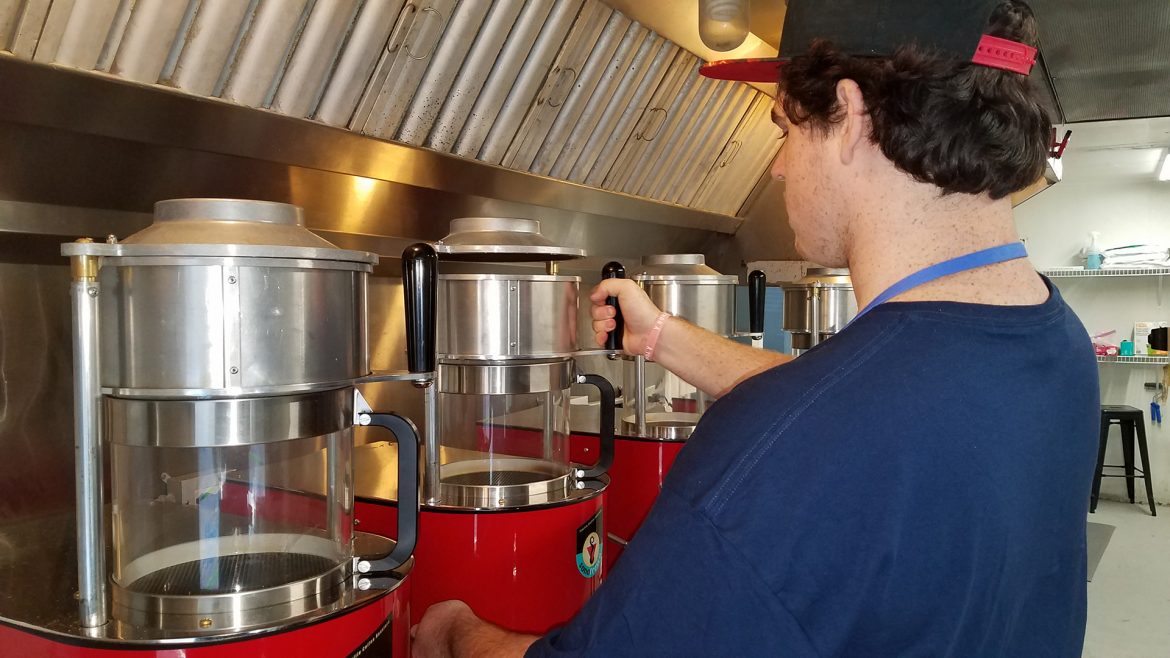
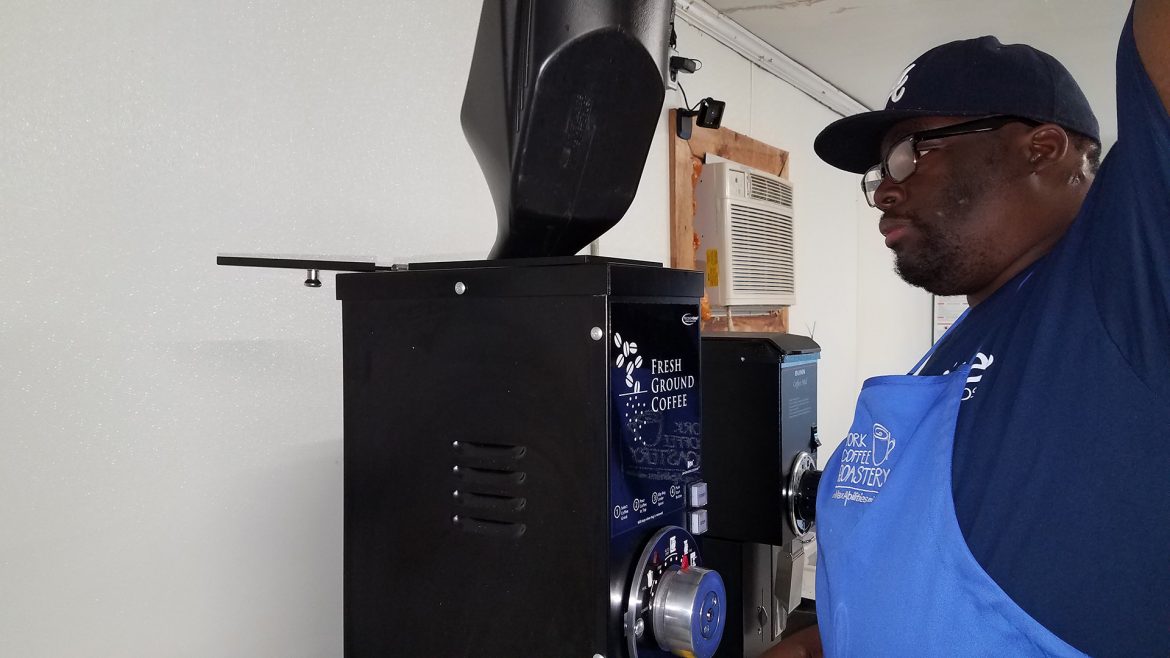
In the specialty coffee industry, the roasting sector has traditionally been structured in ways that bar access to people with all types of disabilities, from the mobile to the sensory to the intellectual to the neurological. Upending that dynamic completely is South Carolina-based York Coffee Roastery, a job training roastery and storefront for people with intellectual disabilities, head and spinal cord injuries, and autism. The roastery and attached storefront opened just this month and are already seeing a wave of community support for their mission and work.

Born out of the residential and vocational support nonprofit MaxAbilities, York Coffee Roasters launched as a solution to a much larger problem. Typically, people with lifelong disabilities can get help through Medicaid, but the system also has huge gaps in coverage. “When you’re sick you get specific types of support, which are usually temporary,” explains Mary Poole, executive director of MaxAbilities and York Coffee Roastery. “But when you have a lifelong disability, you need things above and beyond a hospital stay or a particular medication. You need residential and vocational support, you may need physical and occupational therapy, and you’ll need those things well beyond your childhood years.” Those services come with long waiting lists, and not all individuals with lifelong disabilities have access to Medicaid, so MaxAbilities works to house and job-coach folks who fall through the cracks and create sustainable living situations for them as they reach adulthood.

york coffee roastery south carolina

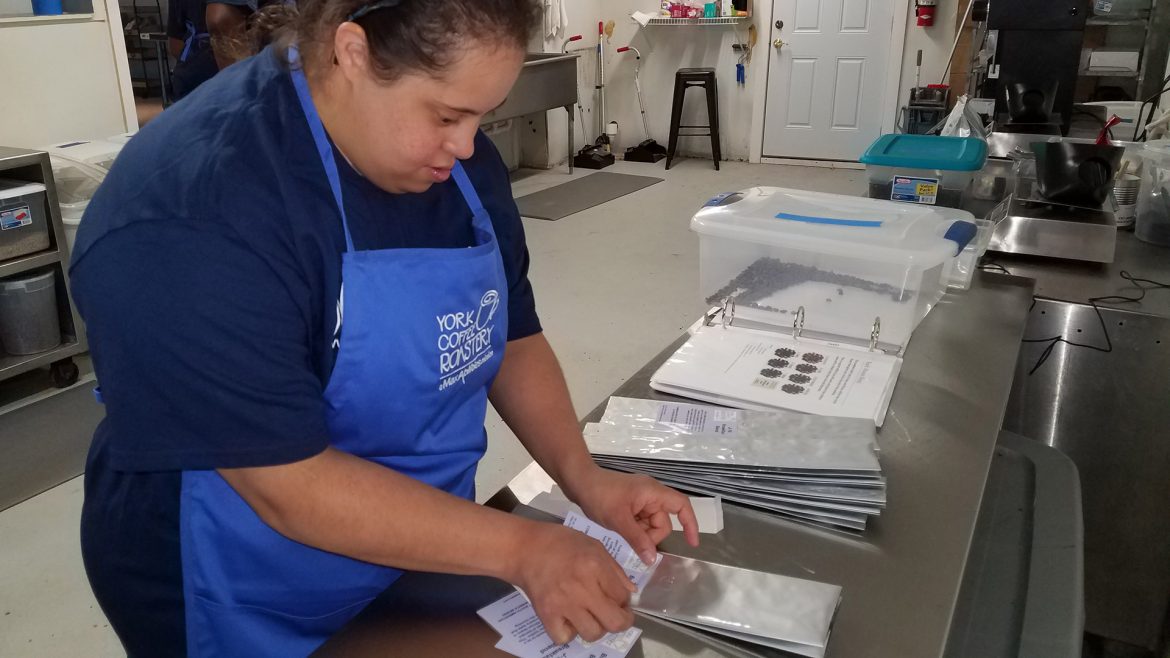
York Coffee Roastery started as a way to provide concrete job training and placement using coffee as the vehicle. “Our goals are to give people skills, confidence, and a resume. Then, we utilize our job coaching services and find a job for those folks in the community. We’re trying to do all that without government funding,” says Poole. While workers are doing the real work of roasting, bagging, and serving coffee, they’re also developing a number of soft skills, like customer service, cleaning, and the ability to take criticism and follow a specific schedule. Trainees also learn basic computer skills on-site with coaches, developing resumes, and filling out online applications to get their next, more permanent job placements once they’ve been successfully integrated into a real-life work environment.

“It’s a job training center; the coffee is the vehicle that we’re using to help them understand what a job is. After roasting coffee, they might go be a janitor somewhere, or they might go and bus tables somewhere,” says Poole. After York Coffee Roastery, folks may never work in coffee again, but they learn skills that will allow them to do any job properly with the right training.

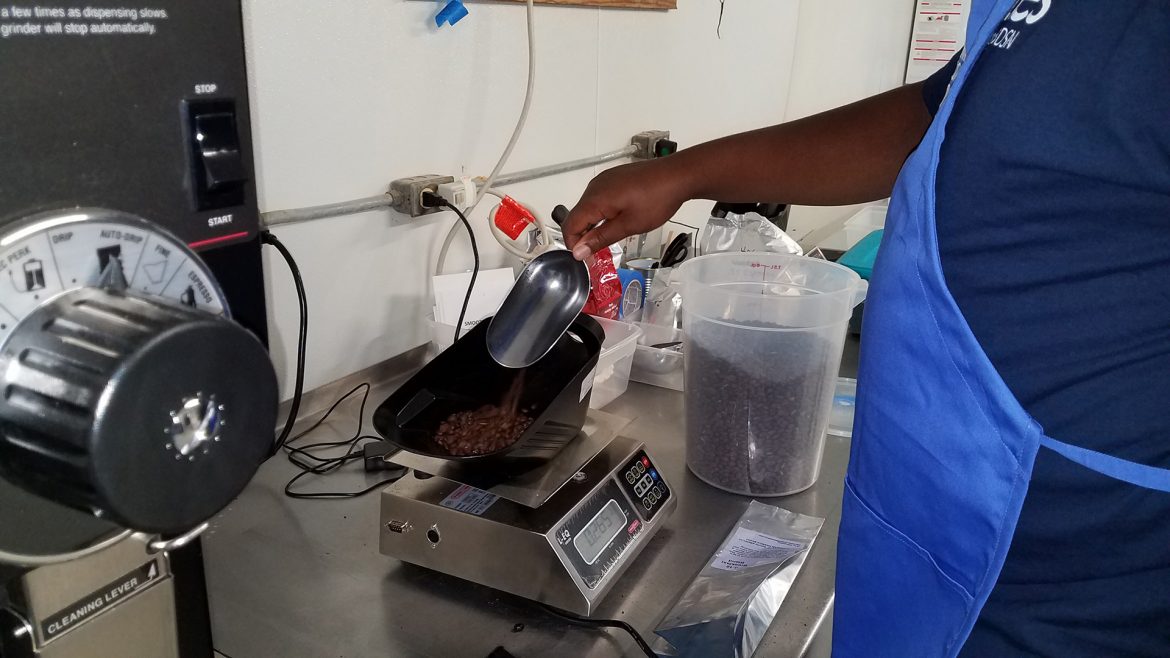
Unlike a lot of traditional coffee roasting setups, the roasting work is neither particularly physical nor dangerous; workers roast two-pound batches on four Sonofresco air roasters. The tables in the space are all height-adjustable so that workers of different heights can all access them with ease. “The coffee part is all new to me,” says Poole. “It’s been incredible to learn about the coffee side of things while using it for our larger mission.”

york coffee roastery south carolina

The cafe also tries to streamline coffee service as much as possible for a maximum focus on transferable skills; featuring batch brew, cold-brew, and a cappuccino/latte/espresso machine with pictures of drinks, the goal is less to train baristas and more to train workers. “Folks are cleaning the tables, learning about the drinks, but also just learning to interact with people they may not have interacted with otherwise,” says Poole. Just as crucial to the mission, the community also learns to interact with them. “We can sit here and say we want people with disabilities to have jobs all day long, but if business owners aren’t able to see the value of employing our folks and seeing all that they can bring to the table, they’re never going to get those jobs. The community needs to be just as invested in the mission as we are.”

In just the short time since York opened, they’ve seen an enthusiastic community response, including coverage from several local news stations. “Every time a piece goes out, our orders go through the roof,” says Poole. They’re currently selling retail bags online, in their storefront, and in a local farmer’s market, but have submitted the necessary applications to start selling their coffee wholesale as well.

york coffee roastery south carolina

“We’re trying to be innovative in our approach to job training,” says Poole. “Our folks are really enjoying the work; they really enjoy being there. We need to bring other people into the storyline—it can’t be about our mission existing in a vacuum. I think we can do it and we’re going to try.” In the specialty coffee world, we too need to think differently and focus on bringing everyone along. York Coffee Roastery offers a valuable precedent for a different way to think about coffee roasting spaces.

York Coffee Roastery is located at 132 Blackburn Street, York. Visit their official website and follow them on Facebook.

RJ Joseph (@RJ_Sproseph) is a Sprudge staff writer, publisher of Queer Cup, and coffee professional based in the Bay Area. Read more RJ Joseph on Sprudge Media Network.

Photos by Michelle Shaffer unless otherwise noted.

The post South Carolina’s York Coffee Offers Job Training For People With Disabilities appeared first on Sprudge.


from RSSMix.com Mix ID 8200593 http://sprudge.com/south-carolinas-york-coffee-offers-job-training-for-people-with-disabilities-134544.html

Wednesday, August 1, 2018

De la Finca a la Taza, ¿Cómo Puede Tu Café Ser Más Sostenible?

El café es el sustento de millones de personas, un producto de gran importancia comercial en el mundo y se cultiva en muchísimos países. Es una combinación de ciencia y arte que hace parte del inicio de nuestras mañanas y alimenta las mentes de todo el mundo. Pero ¿qué tan ecológicamente sostenible es realmente el café de especialidad?

En la Universidad de Southampton Solent nos hemos asociado con Union Hand Roasted Coffee Co. y Mettricks Tea & Coffee para responder a esta pregunta específica. Y no nos limitamos solo al impacto en los productores o en la deforestación: estamos evaluando el impacto ambiental y social de la producción, del tueste, la preparación y consumo minorista. En otras palabras, estamos analizando el impacto de toda la cadena de suministro del café.

Continúa leyendo para descubrir cómo lo estamos haciendo, y el impacto que esperamos tenga nuestra investigación.

Read this in English From Farm to Café, How Can Your Coffee Be More Sustainable?

investigadoresInvestigadores de la Universidad de Southampton Solent Dr. Laurie Wright (izquierda) y Sam Williams (centro), y el fundador y director de Mettricks Tea & Coffee, Spencer Bowman (derecha). Crédito: Paul Watts – PBW PIX

¿Por Qué la Sostenibilidad es Importante?

El mercado mundial del café es vasto y de vital importancia cultural, social y económica. Como uno de los principales productos y cultivos en el mundo, desempeña un papel fundamental en nuestra búsqueda de una sociedad más sostenible.

La gestión incorrecta de los desechos plásticos genera más de 8 millones de toneladas que ingresan a los océanos del mundo cada año, algo que tiene efectos catastróficos sobre la fauna y la flora marinas (Plastic Oceans Foundation, 2016). La deforestación en curso en los trópicos es otra gran tragedia, generada por la necesidad de proporcionar alimentos a una población mundial creciente. Se estima que entre 2000 y 2010 se perdieron 13 millones de hectáreas de bosques por cada año (WWF Global, 2016).

También te puede gustar 6 Formas de Minimizar los Desperdicios en las Tiendas de Café

Luego están los residuos que producimos durante y después de la producción de bienes, tales como la borra de café. A medida que nuestra población aumenta, también lo hará la producción total, y el problema de los desperdicios solo seguirá creciendo.

investigadoresBorra de café. Crédito: Sam Williams

¿Cómo Estamos Estudiando Toda la Cadena de Suministro del Café?

Queremos documentar los procesos de toda la cadena de suministro de café especial. Esto significa estudiar desde el crecimiento del café en el país de origen hasta el proceso de tueste y la venta al por menor en el país de consumo.

Al registrar todas las entradas, procesos y productos que existen durante el viaje de la semilla a la taza, podemos evaluar el impacto de la industria en cualquier etapa. Los problemas se pueden identificar, cuantificar y luego se pueden tomar medidas para mitigarlos.

Se identificarán los impactos ambientales y sociales. Por ejemplo, registraremos cuánta agua se usa en el cultivo, procesamiento, tueste y preparación, lo que nos proporciona la cantidad definitiva de agua utilizada por bebida. Del mismo modo, teniendo en cuenta el número de recolectores de cerezas, cuánto tiempo tardan en recogerlas, cuánto café recolectan y cuánto les pagan son factores que determinarán si su salario es el justo.

Estos datos nos permitirán identificar el efecto de la industria del café en la salud humana, el agotamiento de los recursos, el calentamiento global, el uso de la tierra, entre otros.

cafeCerezas de café, su tueste y la bebida.

La Metodología

Nuestro estudio se enfoca en la producción de un café de origen único cultivado en Costa Rica, comercializado a través de Exclusive Coffees, tostado por Union Hand Roasted y servido por Mettricks Tea & Coffee. Es importante comprender que habrá variaciones regionales en la sostenibilidad, en función de las condiciones climáticas, la infraestructura, las expectativas de los clientes, entre otros factores. Sin embargo, nuestra técnica se puede repetir varias veces con diferentes cafés, tostadores y tiendas de café, lo que permite realizar comparaciones.

Union Hand Roasted Coffee de Londres maneja el modelo de comercio directo, por lo que ha podido trabajar con sus socios costarricenses a largo plazo para recopilar datos sobre cada etapa del procesamiento, la producción y el transporte. Luego, registran datos sobre su tueste  y transporte para Mettricks Tea & Coffee, donde el fundador Spencer Bowman proporciona los datos finales.

Steve Macatonia, cofundador de Union Hand Roasted, dijo: “Creo que es una pregunta fascinante que no sé si se ha aplicado al café especial de esta manera anteriormente … Podría ayudar a los productores a tomar decisiones sobre cómo administrar los recursos naturales limitados”.

tosatdores de cafeFundadores de Union Hand Roasted Coffee, Steven Macatonia (izquierda) y Jeremy Torz (derecha). Crédito: Pascale Schuit

¿Qué Resultados Esperamos?

El estudio aún está en sus etapas iniciales, y estará listo para julio de 2017. Sin embargo, anticipamos que el uso del agua será una de las áreas de mayor impacto, especialmente en regiones afectadas por la sequía, junto con el área de energía y producción de leche.

Nuestro objetivo es determinar cuáles áreas de la cadena de suministro son las más perjudiciales y cuáles las más eficientes. Con esta información, nosotros como industria podemos realizar mejoras.

Después de que el estudio se haya completado y publicado, podemos comenzar a trabajar con los agricultores, tostadores y minoristas. Esto puede significar dar importancia al uso del agua o reutilizarla en otra área del proceso. Puede significar usar equipos que generen un menor consumo de energía para reducir las emisiones totales de CO2. O puede significar reducir la cantidad de leche desperdiciada después de cada bebida a base de leche. Esto reducirá el desperdicio y ahorrará costos para los vendedores.

tienda de cafeSpencer Bowman, propietario y fundador de Mettricks Tea & Coffee. Crédito: Paul Watts – PBW PIX

Hay 125 millones de productores de café en todo el mundo que suministran a una enorme cantidad de tostadores y minoristas. Nuestros resultados se reflejarán en todos ellos. Además, los desafíos de la sostenibilidad no están aislados solamente en la industria del café. El manejo de los desechos y el uso de los recursos son parte de la producción de cada cosa que consumimos como sociedad.

Si vamos a convertirnos en una sociedad sostenible y reducir la carga sobre nuestro medio ambiente, debemos comenzar a recopilar datos sobre cadenas de suministro completas. Además, debemos usar esta información para transformar esas cadenas de suministro, haciéndolas más amigables con el medio ambiente y más justas.

Escrito por Sam Williams

Traducido por Alejandra M. Hernández. Traducción editada por María José Parra.

¿Quieres Seguir Leyendo Artículos Como Este? ¡Suscríbete Aquí!

The post De la Finca a la Taza, ¿Cómo Puede Tu Café Ser Más Sostenible? appeared first on Perfect Daily Grind.


from RSSMix.com Mix ID 8200593 https://www.perfectdailygrind.com/2018/08/de-la-finca-a-la-taza-como-puede-tu-cafe-ser-mas-sostenible/

San Francisco: Taste The First-Ever Harvest Of Gesha Village At Equator

San Francisco! Tomorrow, August 1st is a good day to drink coffee, as Equator Coffees & Teas will be hosting Adam Overton—co-owner of the Gesha Village Coffee Estate in Ethiopia—who will be bringing along with him a previewing one of the lots from their first-ever crop.

Taking place at 6:00pm at Equator’s downtown San Francisco cafe, The Gesha Village Preview is a chance for Bay Area residents to get to meet Overton, who will be discussing his 500-hectare farm as well as how the Gesha Village Coffee Estate acquired the seedstock from the Gori Gesha wild coffee forest just 20 kilometers away. Following the presentation, Overton will be available for a Q&A session with all attendees.

After the talk, guests will be able to be some of the first individuals to try Gesha Village’s Oma coffee, roasted by Equator. This is part of just their first harvest, some of which already sold at auction for over $100 a pound, but attendees will get to try it for free. For those unable to attend, all Equator cafes will be serving the Gesha Village Oma the following Monday, but for a cool $8 a cup.

The event is free to attend with no RSVP required. For more information, visit the Gesha Village Preview Facebook event page.

Zac Cadwalader is the news editor at Sprudge Media Network and a staff writer based in Dallas. Read more Zac Cadwalader on Sprudge.

Top image via Gesha Village Coffee Estate.

The post San Francisco: Taste The First-Ever Harvest Of Gesha Village At Equator appeared first on Sprudge.


from RSSMix.com Mix ID 8200593 http://sprudge.com/san-francisco-taste-the-first-ever-harvest-of-gesha-village-at-equator-135292.html

Build-Outs Of Summer: Ironclad Coffee Roasters In Richmond, VA

ironclad coffee roasters richmond virginia

ironclad coffee roasters richmond virginia

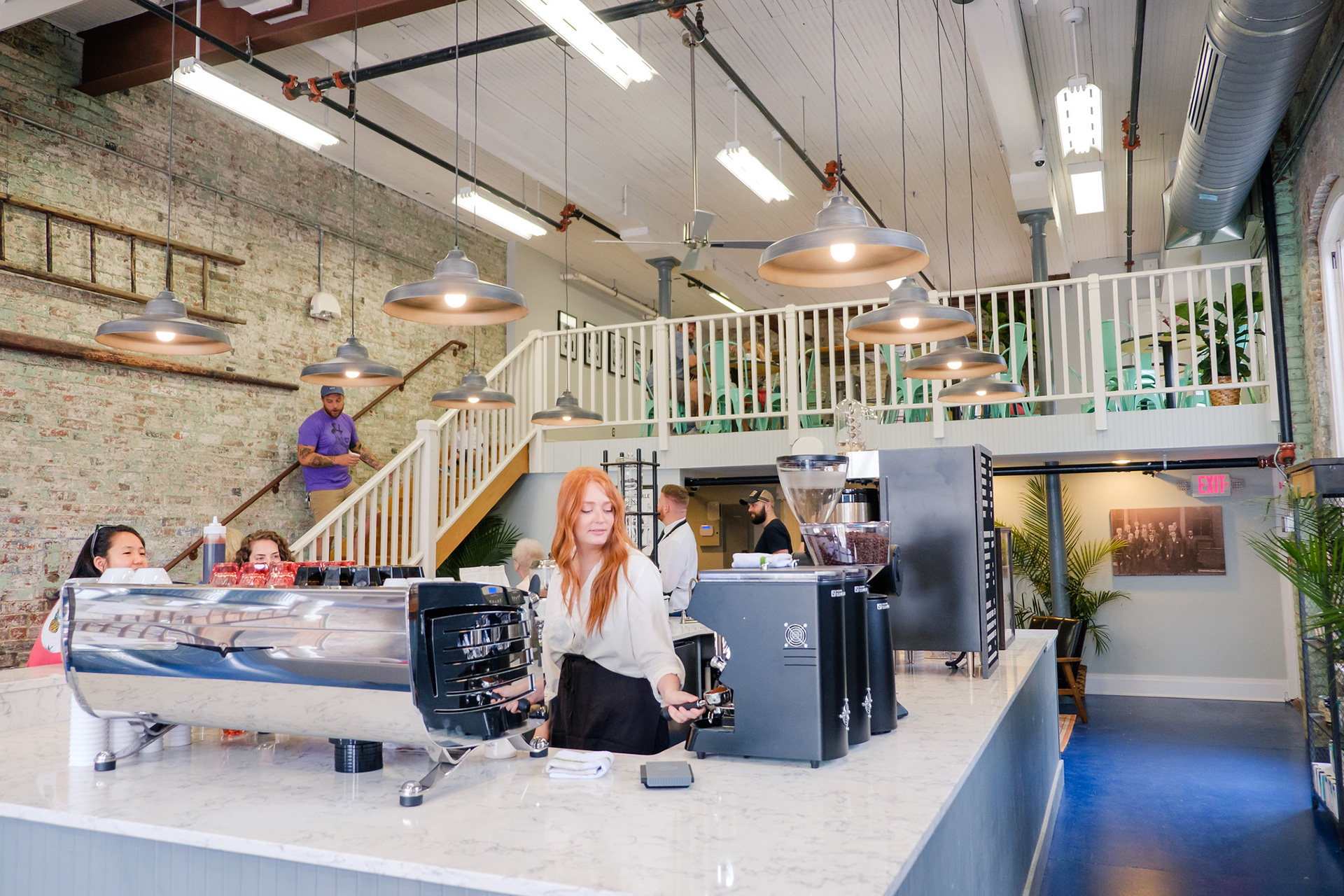
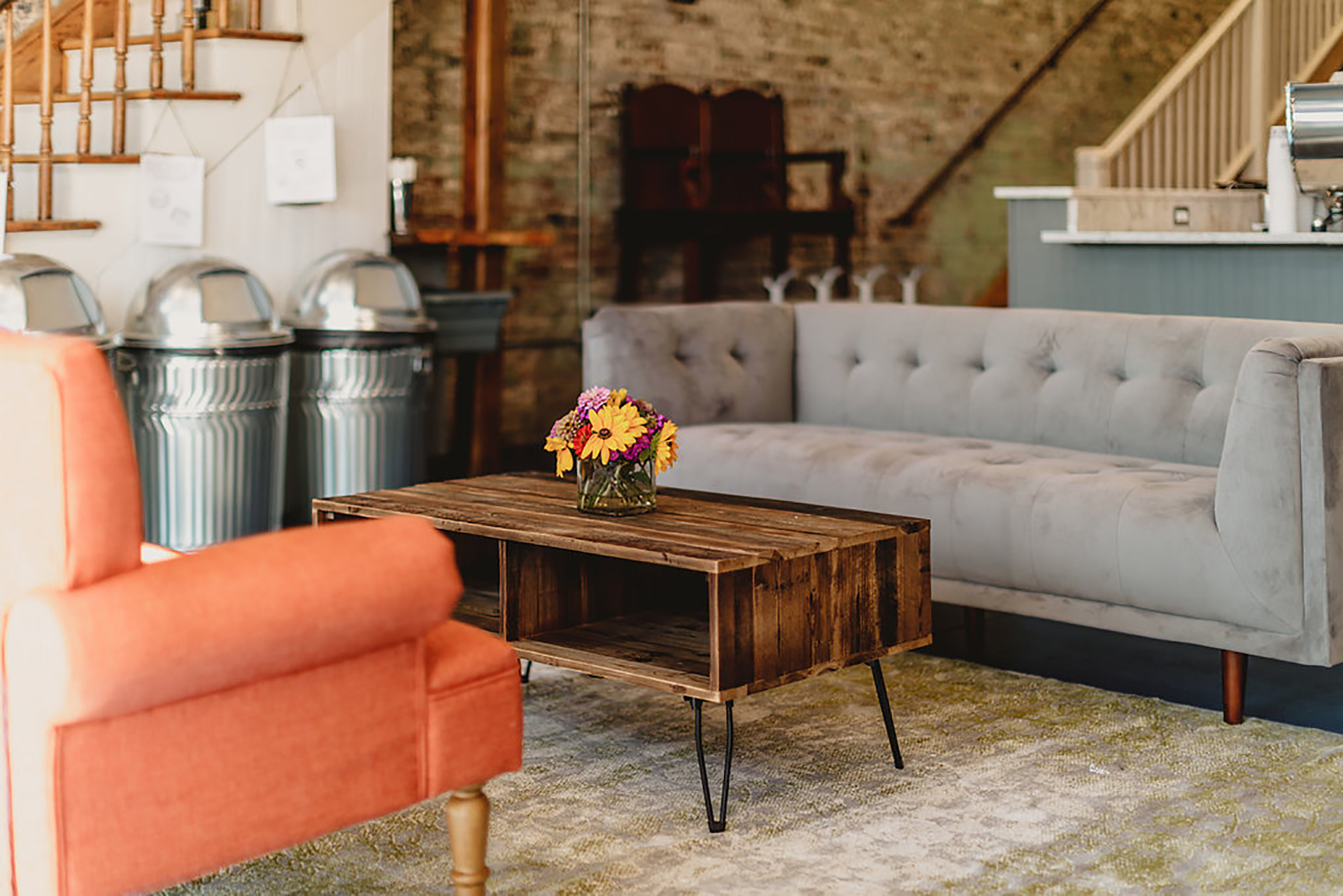
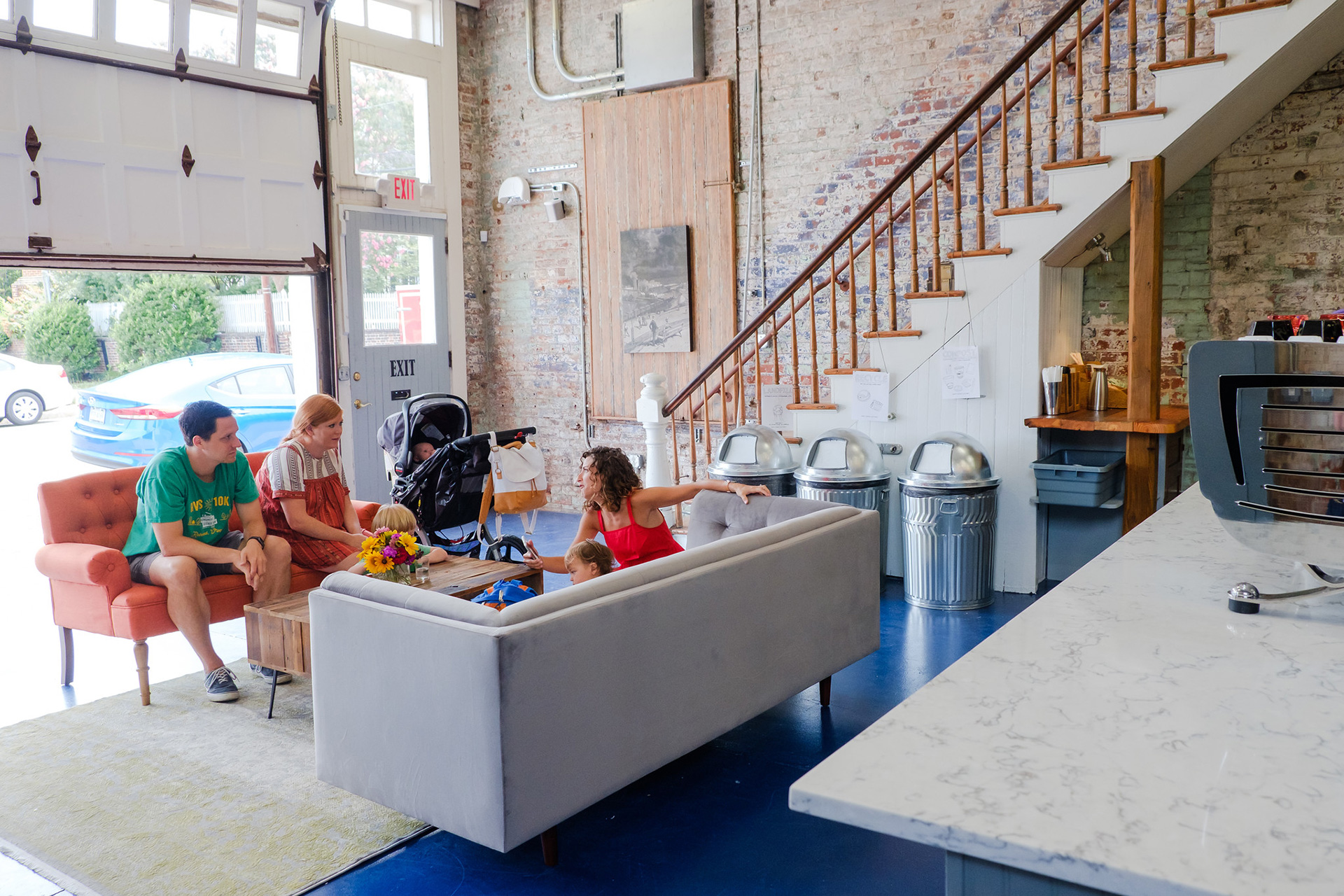
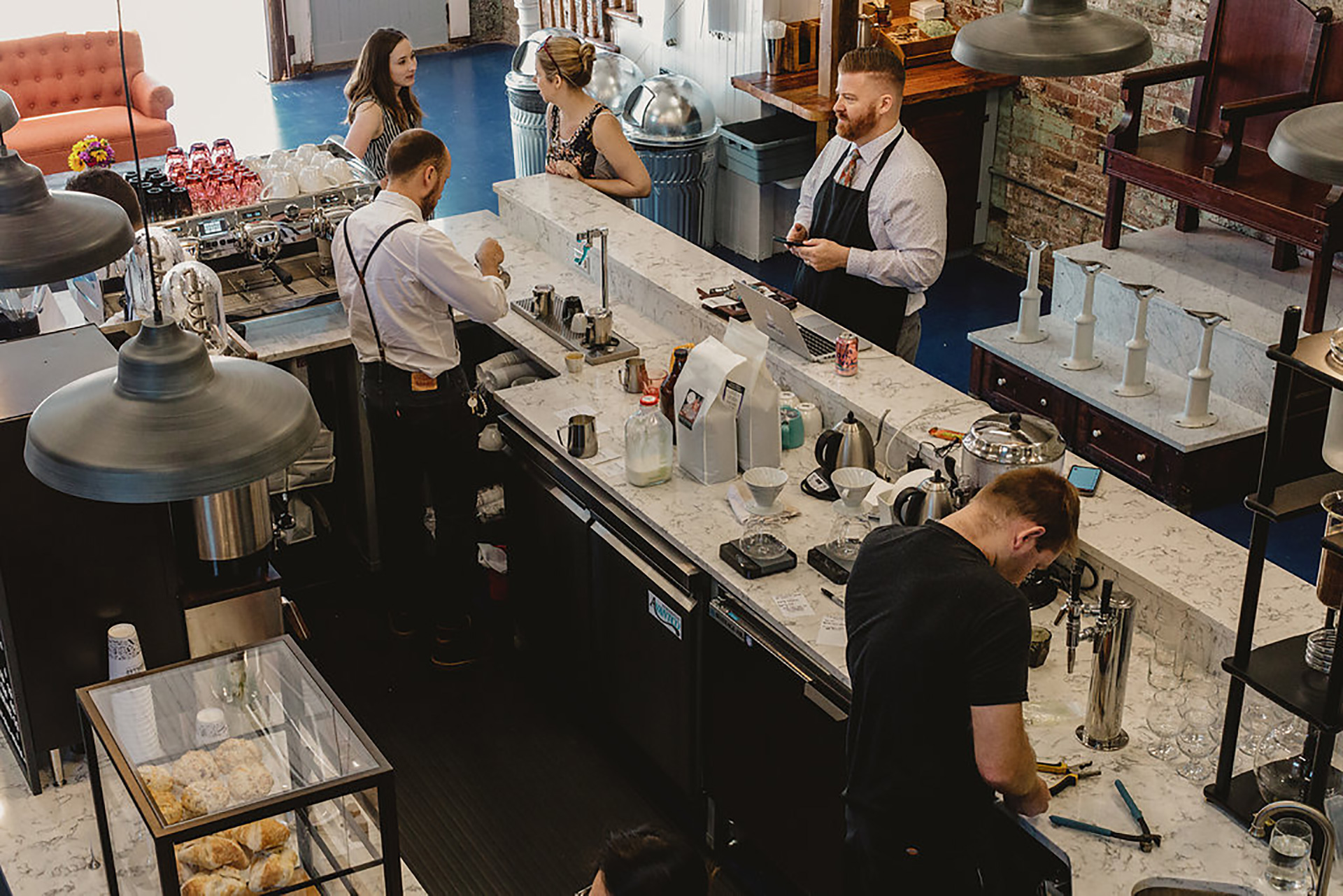
One of the real joys in reading the Build-Outs of Summer that come our way each year is seeing how new cafes are repurposing old buildings. Sure, a ground-up build is also exciting, but getting to see coffee shops get creative within limitations while preserving sometimes 100-year-old historical structures is always satisfying. You get to see new spaces retain and add to the character of a place.

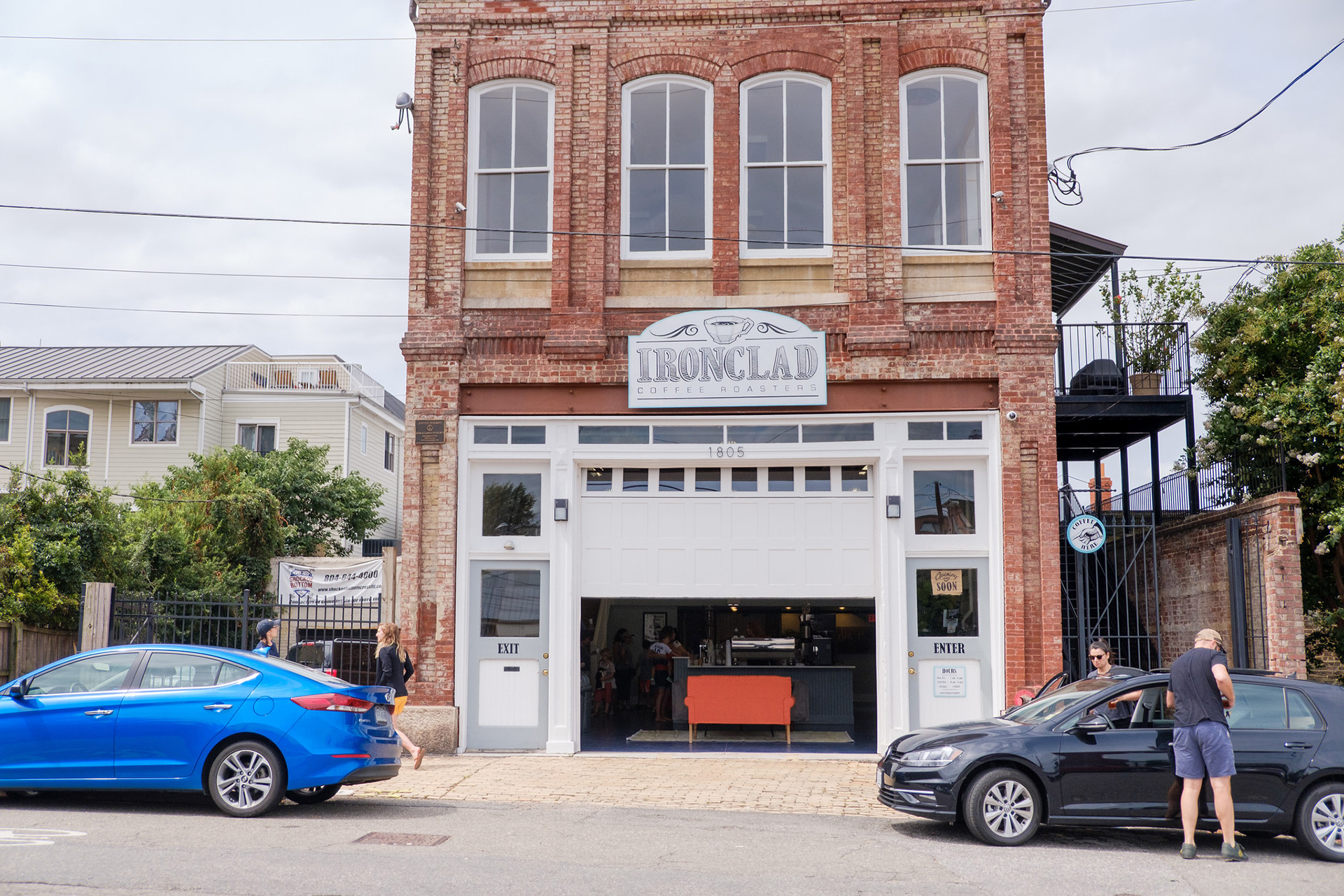
Our next stop is doing just that. Ironclad Coffee Roasters in Richmond, Virginia is taking over a 130-year-old fire station that has since been decommissioned since the 1950s. In the process of their build-out, they made sure to keep much of the original character of the building in the historic Shockoe Bottom neighborhood and have done so to a dramatic effect. They have breathed new life into those old bones, but made sure the history remained.

ironclad coffee roasters richmond virginia

As told to Sprudge by Ryan O’Rourke.

For those who aren’t familiar, will you tell us about your company?

We began roasting coffee, primarily for wholesale, in February of 2016. Our founder, Ryan O’Rourke, had just returned to the USA after living in Ireland for five years. During that time, he was fortunate enough to enjoy coffee from some excellent European roasting companies. This shaped his vision for Ironclad. We strive to offer coffees of outstanding quality with an attitude of approachability and fun.

The new Ironclad cafe is our opportunity to showcase the coffees that motivate us to get out of bed every morning and to present them in our own unique manner. Mostly, we want people to enjoy delicious beverages and tasty treats in a beautiful and welcoming environment.

ironclad coffee roasters richmond virginia

ironclad coffee roasters richmond virginia

Can you tell us a bit about the new space?

The building was constructed in 1884 as the station for the No. 2 Hook and Ladder Company of the Richmond Fire Department. It was decommissioned as a fire house in 1952.

In remodeling the space as a cafe, we wanted to highlight the manifold original features and highlight the history. We also want it to highlight the beauty and uniqueness of Richmond as a city. The building sits in the Shockoe Bottom neighborhood, arguably the most historic section of one of the most historic cities in the USA.

What’s your approach to coffee?

A commitment to quality in a fun and approachable manner. We endeavor to be a place where anyone can enjoy their time with top-quality food and beverage in a comfortable environment. Life is, indeed, too short for both bad coffee AND mean people.

ironclad coffee roasters richmond virginia

ironclad coffee roasters richmond virginia

Any machines, coffees, special equipment lined up?

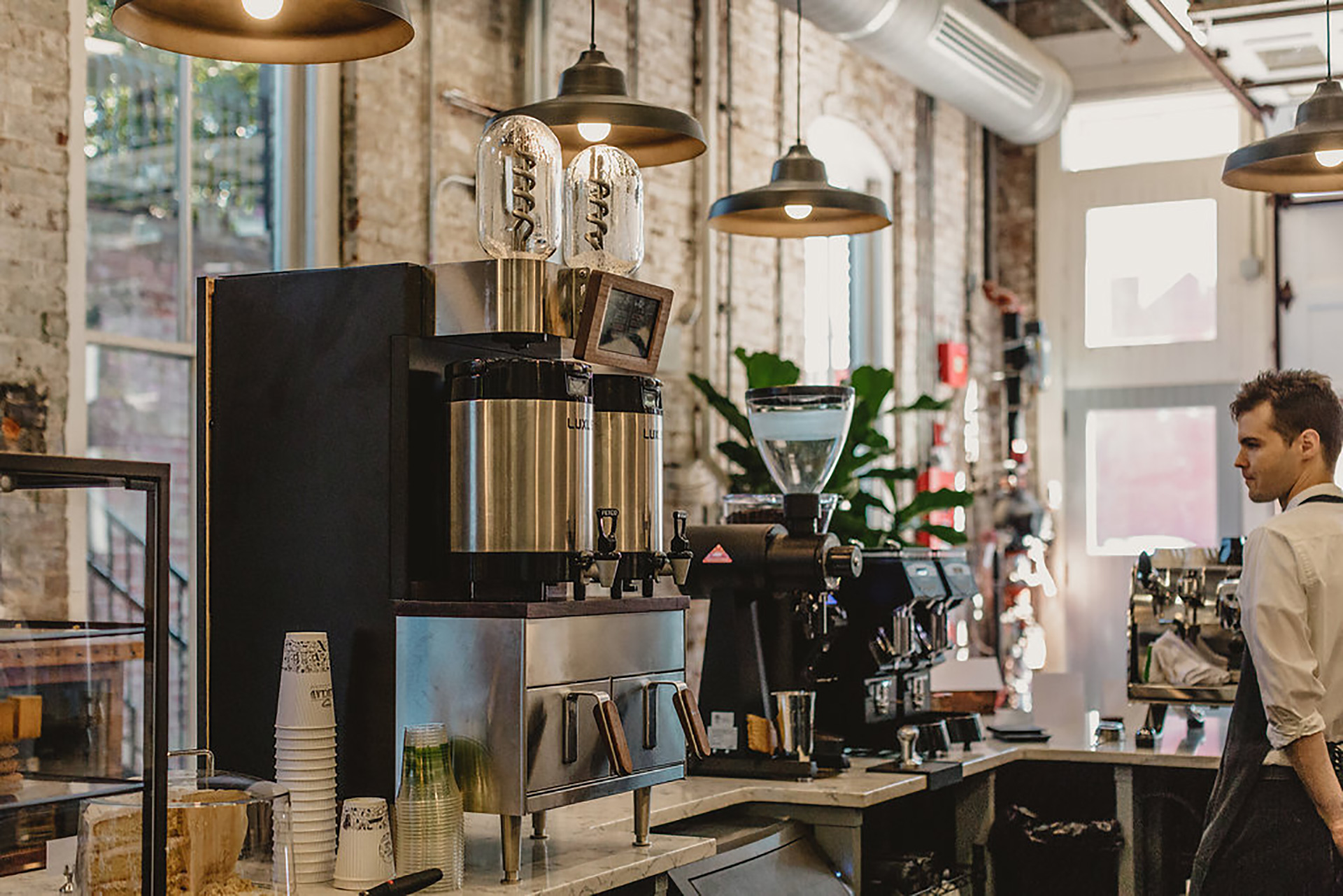
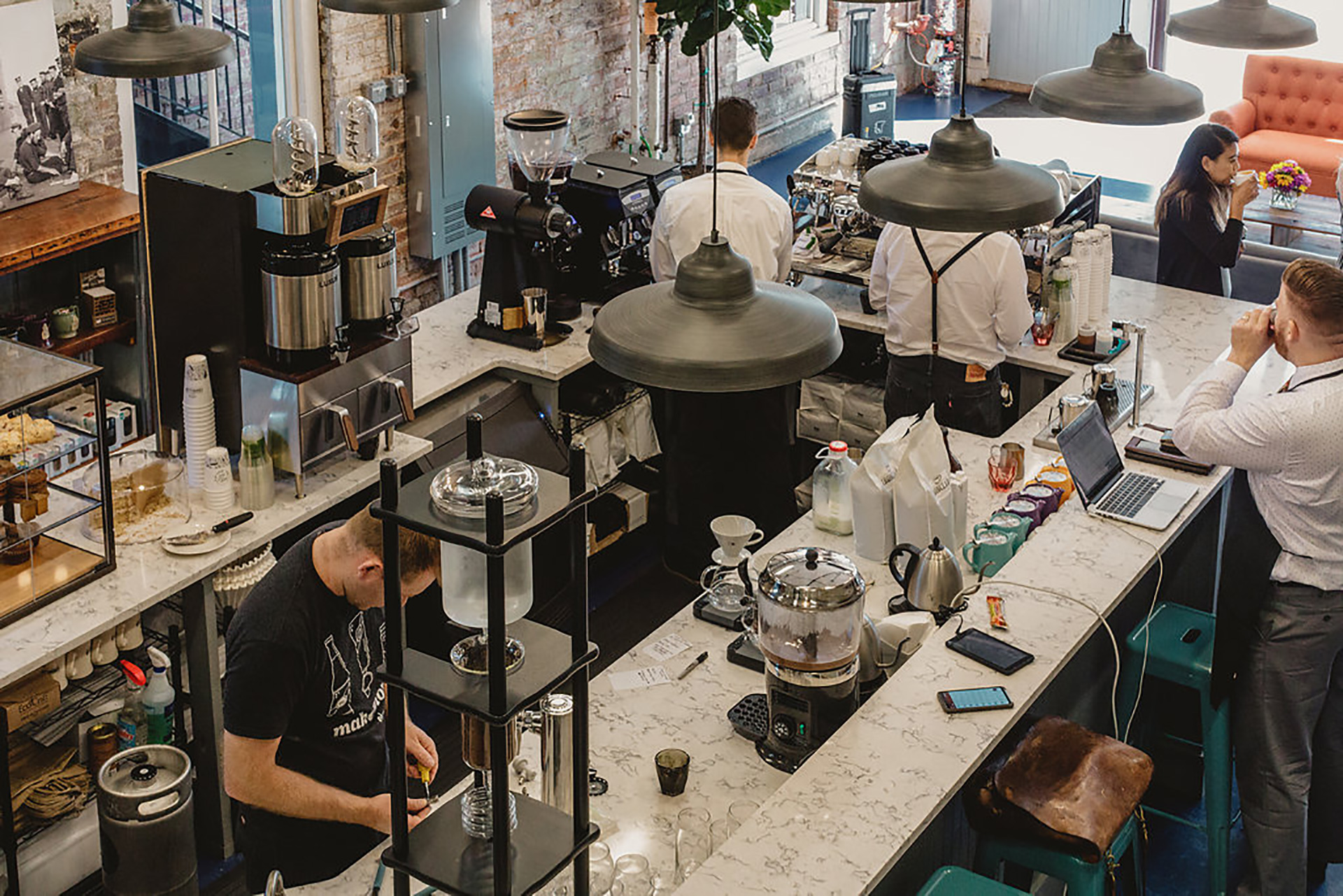
Three-group Victoria Arduino Black Eagle Gravitech
Nuova Simonelli Mythos One Clima Pro grinders for espresso
Mahlkönig EK-43 for pour overs and batch brew
Ground Control for our batch brew (this thing is incredible)
Yama drip cold brew tower

What’s your hopeful target opening date/month?

Grand Opening on July 13th

Are you working with craftspeople, architects, and/or creatives that you’d like to mention?

CB Chandler Construction
Lustre Home (designers)

Thank you!

You’re welcome! :-)

ironclad coffee roasters richmond virginia

Ironclad Coffee Roasters is located at 1805 East Grace Street, Richmond. Visit their official website and follow them on Facebook, Twitter, and Instagram.

The Build-Outs Of Summer is an annual series on Sprudge. Live the thrill of the build all summer long in our Build-Outs feature hub.

The post Build-Outs Of Summer: Ironclad Coffee Roasters In Richmond, VA appeared first on Sprudge.


from RSSMix.com Mix ID 8200593 http://sprudge.com/build-outs-of-summer-ironclad-coffee-roasters-in-richmond-va-134614.html