Saturday, November 3, 2018

Friday, November 2, 2018
Bye-aletti: The Death Of The Moka Pot?

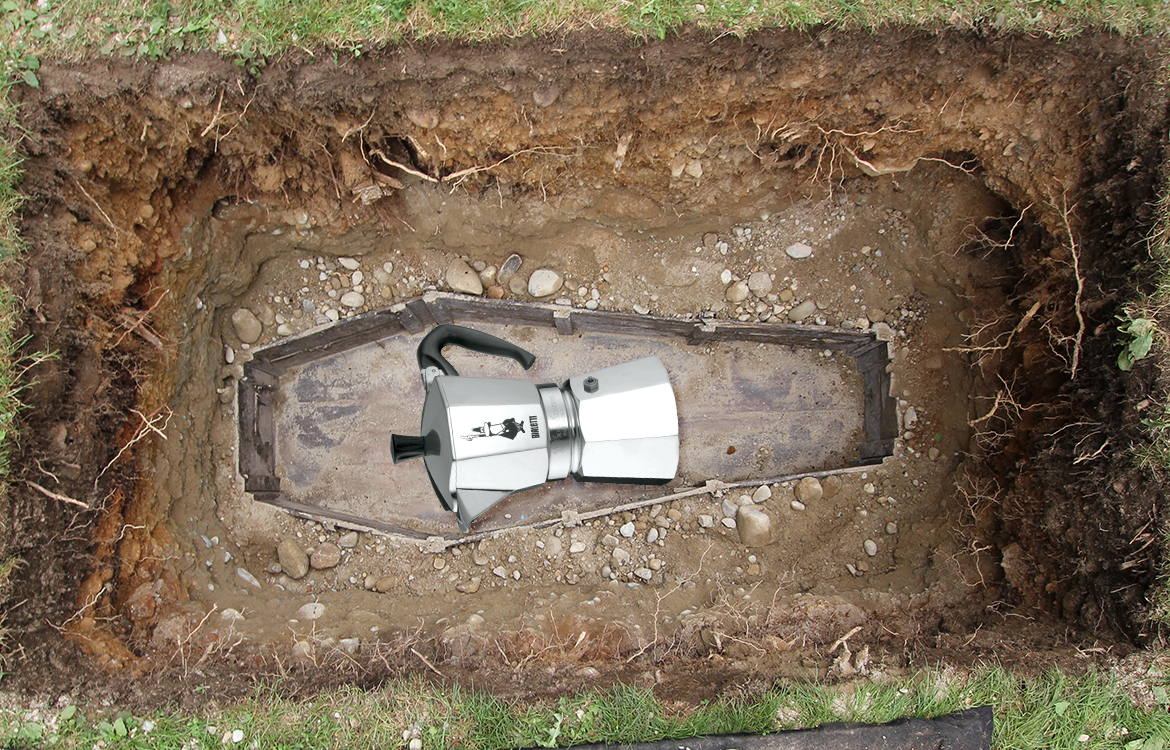
Sometimes real life is scarier than fiction. The Moka Pot, arguably one of the most iconic pieces of coffee equipment to be created in the last century, is in danger of being no more.
According to EuroNews, the stovetop coffee maker—your grandparents’ favorite coffeemaker that they love to bring up when they find out you are into coffee—from Italian manufacturer Bialetti is facing a decline in sales as consumers are making the switch to the convenience of capsule machines. The company recently announced measures to “tackle a €68 million debt amid ‘significant doubts’ about its ‘business continuity.'” The company admits to a €15.3 million loss over the first half of the year due to declining sales both in Italy and abroad.
And it’s not that people are drinking less coffee, they are just switching how they make it.
“When it comes to large-scale distribution, sales of the capsules are growing rapidly while sales of ground coffee for the moka are declining, even here in Italy where 70% of families have a moka in their home,” said Francesca Arcuri, communications director for Italian coffee company Filicori Zecchini.
Sales of the Moka Pot saw 5% decrease during 2017, the same timeframe where capsules had a 16.8% jump in sales.
Will this be the end of the Moka Pot, and with it the end of stovetop coffee itself? [EDITORS NOTE: SPRUDGE COFOUNDER ZACHARY CARLSEN WOULD LIKE TO ONCE AND FOR ALL DISPEL THE MISCONCEPTION THAT MOKA POTS ARE PERCOLATORS. “DIFFERENT BREW MECHANICS ENTIRELY,” CARLSEN TELLS SPRUDGE] Will these sturdy and once ubiquitous brewers go quietly into that good night, becoming actual coffee heirlooms and not just coffee junk you find at antique stores? And for what? Capsules? Now that’s truly terrifying.
But we want to know, do you have feelings about this news? Sound off in the comments below.
Zac Cadwalader is the news editor at Sprudge Media Network and a staff writer based in Dallas. Read more Zac Cadwalader on Sprudge.
Top image via Goombanomics
The post Bye-aletti: The Death Of The Moka Pot? appeared first on Sprudge.
from RSSMix.com Mix ID 8200593 http://sprudge.com/bye-aletti-the-death-of-the-moka-pot-137907.html
Camber Is Popping Up At Coffee Hall During The LA Coffee Festival
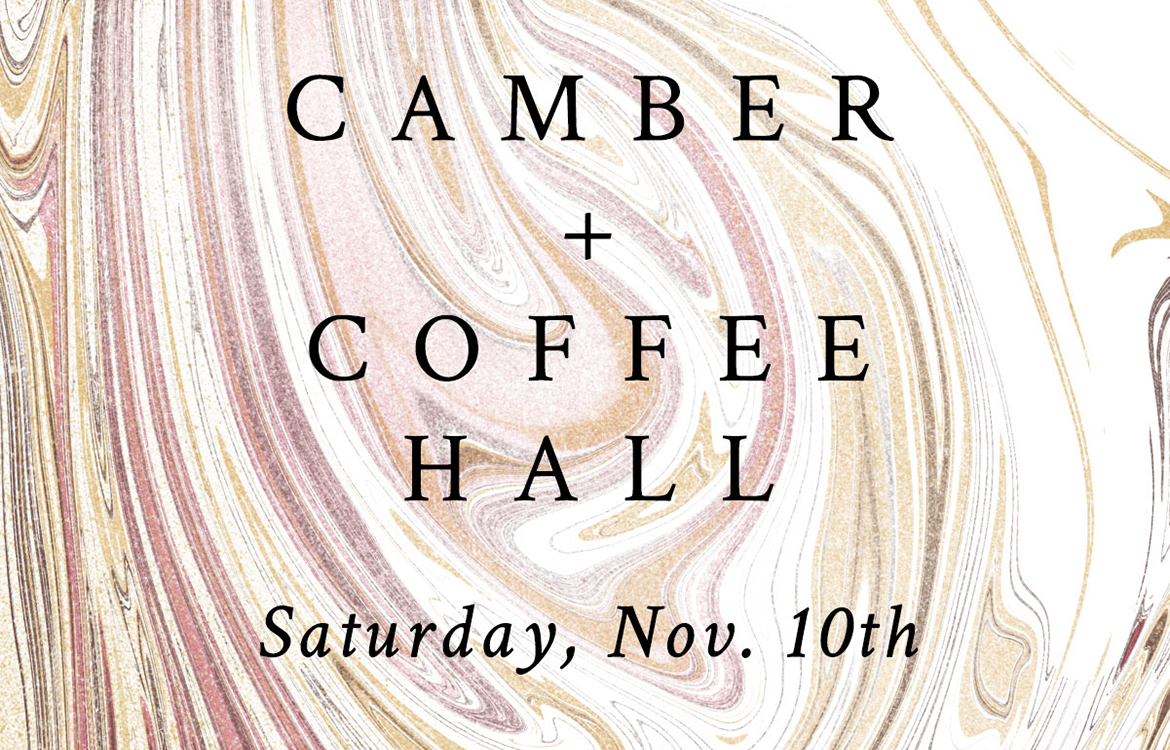
We are just one short week away from the start of the Los Angeles Coffee Festival (and the RAW WINE Fair LA, which will be covered by our sister site Sprudge Wine; the Sprudge Media Network is going to be in a full-on beverage frenzy). And like any coffee festival worth its salt, there are going to be fun, non-festival happenings outside the 100,000-square-foot Magic Box convention center. One such event that Sprudge is proud to be a part of is bringing some great tastes from the Pacific Northwest to the City of Angels. Taking place Saturday, November 10th, Bellingham’s Camber Coffee is taking over Coffee Hall Chinatown for a full-day pop-up of doughnuts, competition, and a splash or two of natural wine.
The day kicks off at 10:00am with a little help from Seattle’s General Porpoise, who will be providing the “doughnut” portion of Camber’s Coffee + Doughnut (and ping-pong) festivities. With a little help from a few Dayglow baristas, Camber will be offering pairings of a rose cardamom iced latte and vanilla custard doughnut as well as a mulled spice latte with lemon curd doughnut.
Then at 5:00pm, the gloves are coming off and the spoons are coming out for a Guess The TDS cupping. For a $5 buy-in, attendees will be able to participate in the triangulation cupping competition where they will have to pick out which cup of each set of three has a slightly different TDS than the rest. The grand prize for the Guess The TDS cupping is a Ratio Eight brewer, with other prizes including a gold Acaia Pearl scale, a Baratza Virtuoso grinder, a matte white Fellow Stagg EKG kettle, and a ton of goodies from Camber.
Once all the dust has settled from the rip-roaring, sip-slurping action, things are going to get considerable more chill with a natural wine happy hour. Starting at 7:00pm, a donation wire bar featuring a nice list from Amy Atwood Selections—provided by Oatly—will take over the space. Wines include Swick Wine‘s WB Pinot Noir, Holden’s Pretty Things Rosé, Chateau Barouillet’s Splash!, and Dufaitre’s Prémices 2017. All proceeds from the wine bar will go to Ground for Health, a non-profit organization working to treat and prevent cervical cancer in coffee origins.
There are going to be so many cool things happening the weekend of November 10th in LA, but make sure you stop by Camber’s pop-up at Coffee Hall and have a splash with your friends at Sprudge. Because if there’s coffee and natural wine, you know we’ll be there.
Zac Cadwalader is the news editor at Sprudge Media Network and a staff writer based in Dallas. Read more Zac Cadwalader on Sprudge.
The post Camber Is Popping Up At Coffee Hall During The LA Coffee Festival appeared first on Sprudge.
from RSSMix.com Mix ID 8200593 http://sprudge.com/camber-is-popping-up-at-coffee-hall-during-the-la-coffee-festival-137976.html
Thursday, November 1, 2018
Chocolate Y Cacao Crudos: ¿Alimentos Saludables O Peligrosos?
Tal vez habrás visto los nibs (o trozos) de cacao crudo en los estantes de la tienda de alimentos saludables de tu zona. Quizás hayas leído sobre los beneficios de este supuesto superalimento.
¿Pero es realmente saludable el chocolate crudo o podría ser un complemento alimenticio peligroso? ¿Tiene lugar en el chocolate fino? ¿Y de verdad está crudo? Lee las opiniones de los expertos sobre el chocolate y el cacao crudos.
Read this in English Raw Cacao & Chocolate: Health Foods or Dangerous Habits?
 Granos de cacao cortados a la mitad.
El Cacao Crudo Está Y No Está Crudo
El término “cacao crudo” se refiere al cacao tal y como se encuentra en la naturaleza. Pero en realidad, es un poco más complicado que eso. Todo el cacao que se vende a los consumidores, en todas sus formas, está procesado.
Gustavo Cerna, un productor de Nicaragua, dice que el nombre confunde. “[El término] cacao crudo ha sido sobreutilizado. Hay mucha confusión”. Entonces, ¿qué es?
Para hacer del cacao lo que reconocemos como un ingrediente del chocolate, los granos deben hacerse fermentar. Tradicionalmente, se colocan en una caja de madera y se envuelven con hojas de plátano a para retener el calor. La levadura, las bacterias y otros microorganismos descomponen el azúcar en los granos.
La fermentación ocurre de manera natural, lo queramos o no. Pero en la industria del cacao, se controla el proceso para agregar cuerpo y cambiar el perfil de sabor del producto final.
También te puede gustar Café Y Cacao: ¿Qué Puede Aprender El Uno Del Otro?
 Revisando los granos de cacao durante la fermentación debajo de hojas de plátano en una finca en El Salvador. Crédito: Miguel Regalado
Aunque la palabra “crudo” solo signifique sin cocinar, el movimiento de comida cruda actual considera que los alimentos crudos son aquellos que están enteros y no han sido procesados. Además, no deben calentarse a más de 48 ºC.
Robbie Stout, uno de los fundadores de Ritual Chocolate, aclara que, durante el procesamiento, el cacao supera regularmente el límite de temperatura para los crudos. “Básicamente, es imposible hacer cacao que sabe a chocolate sin superar los 48 ºC durante la fermentación, el secado, el tueste o incluso la trituración”.
Greg D’Alessandre, abastecedor y cofundador de Dandelion Chocolate, resalta que, de las actividades como la trituración y el prensado, las temperaturas elevadas son un resultado natural de la fricción que ocurre durante este proceso.
Si se mantuviera una temperatura por debajo del límite de 48 ºC, es probable que el resultado sea imposible de comer. El cacao tiene niveles altos de taninos que se descomponen durante la fermentación. Sin este proceso, obtendrías un producto amargo que no querrás comer o usar para el chocolate.
También te puede interesar Explicación Paso a Paso: La Cosecha y El Procesamiento del Cacao
 Cacao sin cascarilla y sin tostar.
Sin Tostar, Pero Procesado
En pocas palabras, la mayoría de las personas denomina cacao crudo al que está procesado, pero no se ha tostado.
Greg dice: “Diferenciaré los granos crudos de los que no están tostados: los granos sin tostar son granos de cacao fermentados y secados que son procesados sin tostar. Los granos sin fermentar son completamente crudos”.
Lo que se vende como “cacao crudo” no se ha tostado absolutamente o se tuesta por debajo de 118°F/48 ºC. Pero está fermentado. Algunas fábricas también usan métodos adaptados de trituración, prensado y molienda para mantener las temperaturas lo más bajas posible en cada etapa.
El chocolate crudo se prepara con el cacao sin tostar y se agregan algunos otros ingredientes que están procesados mínimamente y no se han calentado.
El propósito del cacao sin tostar es conservar los nutrientes naturales, los cuales, los defensores de la comida cruda creen que tienen beneficios para la salud.
Sin embargo, Greg es escéptico sobre cómo el cacao sin tostar se relaciona con el movimiento de comida cruda. “Uno de los objetivos de la fermentación es matar a la semilla. Una vez que se hayan fermentado, estas semillas no son viables. No pueden germinar. No hay nada de crudo en un grano de cacao fermentado”.
También te puede gustar Dulces Especiales: ¿Cómo Hacer Buen Chocolate Fino?
 Cacao tostado triturado en nibs.
Los Peligros Del Cacao Sin Tostar
Durante la fermentación, el calor estimula el crecimiento de bacterias. Este es el propósito de la fermentación, ya que estos microorganismos cambian el sabor de los granos a lo que conocemos como el sabor del chocolate.
En el procesamiento tradicional del chocolate, el tueste mata a la mayoría de las bacterias y cualquier patógeno que se haya desarrollado. Pero sin las altas temperaturas del tueste ¿estamos poniendo en riesgo nuestra salud con el cacao crudo?
Se sabe que los granos serán lavados con vapor y tostados en la planta de fabricación. Esto significa que no ha habido ningún cuidado para minimizar la exposición a patógenos en las fincas de cacao. Entonces, un fabricante de chocolate debería suponer que los granos que recibe podrían contener Salmonella, Listeria, E. Coli, Staphylococcus y otras bacterias potencialmente dañinas.
 Nibs de cacao y una vaina de cacao abierta.
Emily Stone, una de las fundadoras de Uncommon Cacao, me contó acerca del día a día en una finca de cacao.
“Abrimos las vainas y las comemos crudas…así nos familiarizamos y comprendemos los sabores de la fruta en sí. Durante la fermentación y el proceso de secado no probamos realmente los granos de las terrazas, pero sin duda los manipulamos mucho”.
“Elegimos granos durante el proceso de fermentación, los abrimos y los evaluamos físicamente…y durante el secado, los clasificamos permanentemente. También hacemos pruebas de corte en la terraza de secado…Y luego, se seleccionan los granos manualmente, así que controlamos los granos en este momento. Luego se mezclan dentro de su lote y se empacan en bolsas para la exportación”.
Queda claro que el cacao pasa por varias manos antes de llegar a la fábrica de chocolate.
“¿El cacao es un producto crudo?”, Emily reflexiona. “Sí, lo es. Antes de llegar a las manos del fabricante de chocolate, no hay ninguna forma de esterilización o control sobre lo que podría haber en el entorno del grano”.
Las condiciones sanitarias durante la cosecha y el procesamiento varían de finca a finca. Esto resalta la importancia, para la industria del cacao fino, de tener fuentes confiables y realizar visitas frecuentes a las fincas.
 Realizando una prueba de corte para analizar la calidad del cacao durante el proceso de secado. Crédito: Miguel Regalado
¿Cómo Se Evalúa El Cacao?
Greg me cuenta que el Instituto de Cacao y Chocolate Fino (FCCI por sus siglas en inglés) y la Organización Internacional de Cacao (ICCO por sus siglas en inglés) están tratando de desarrollar conjuntamente una metodología de evaluación del grano crudo para crear consistencia en la calidad. Él resalta la razón por la cual se necesita un nuevo modelo para la industria del chocolate fino.
También te puede gustar Cómo Evaluar el Cacao y el Chocolate
“La industria del cacao de especialidad es muy joven e inmadura. En la industria del cacao comercial, la prueba del corte es el estándar para la calidad. Lo que se busca es el porcentaje de fermentación, así como también el número de defectos (insectos, hongos, poca fermentación). El porcentaje de fermentación es una manera para ver cuán bien se han tratado los granos”.
“El reto es el siguiente: el porcentaje de fermentación no te dice qué sabor tendrá…Si estás comprando cacao y te quieres asegurar de que ha sido fermentado, la prueba del corte es un buen método. Tanto si se ha fermentado al 70 % o al 80 %, en grandes volúmenes, los compradores no se preocupan por el sabor del cacao”.
“Dado que el cacao de especialidad es una industria reciente, las personas están comenzando a considerar el cacao no como una materia prima, sino como el café de especialidad. Cada lote individual de granos tendrá un sabor diferente, según la genética del árbol y el ambiente donde crece y cómo fue fermentado y secado”.
La normativa actual del ICCO establece que se deberían realizar al menos una cantidad estándar de pruebas de corte. Se hacen controles visuales de 300 granos por tonelada para evaluar la calidad. Se registra el número de granos que son visiblemente mohosos, pizarrosos, dañados por insectos, germinados o desinflados.
Pero el enfoque de una prueba de corte es evaluar la calidad del procesamiento visual, no controlar la presencia de bacterias potencialmente dañinas.
 Parfait de yogurt con nibs de cacao.
¿El Cacao Crudo Tiene Beneficios?
Algunas marcas eligen usar cacao sin tostar en su chocolate, debido a los perfiles de sabor que crea. Muchos resaltan los beneficios para la salud del cacao mínimamente procesado. Según la teoría, mantener el cacao por debajo de los 118°F/48 ºC permite que se conserven más nutrientes que con el procesamiento tradicional. ¿Pero cuáles son estos nutrientes?
Los partidarios de los beneficios del cacao señalan que tiene altos niveles de polifenoles. Estos contienen propiedades antioxidantes. Según los estudios, los antioxidantes son compuestos que traen beneficios para nuestra salud a largo plazo, ya que retrasan el daño celular.
Se ha descubierto que el cacao tiene propiedades antiinflamatorias y puede disminuir el riesgo de contraer diabetes. El cacao crudo contiene magnesio, calcio, hierro, zinc, cobre, potasio y manganeso.
Pero algunos descubrimientos indican que el tueste podría no destruir estos elementos y podría incluso facilitar la absorción de aquellos que son beneficiosos. Greg D’Alessandre me enseñó un estudio de la Universidad Estatal de Pensilvania. En él se descubrió que la manipulación de la temperatura y del tiempo que se usan para tostar los granos de cacao puede conservar e incluso aumentar la potencia de algunos componentes.
Entonces, quizás los granos de cacao más saludables son los tostados.
 Granos y vainas de cacao.
Es verdad que el cacao tiene muchos beneficios para la salud y algunos creen que incluso es más saludable cuando se consume “crudo”. Por ejemplo, cuando está sin tostar, el cacao contiene tanto cafeína como teobromina. Ambos son estimulantes. Algunos estudios indican que la teobromina ayuda contra la tos (aunque se hace referencia a la teobromina medicinal y no al cacao crudo). Además, se ha demostrado que el cacao enriquecido con teobromina influye en la presión arterial.
Pero comer cacao crudo en exceso también puede ser peligroso. El envenenamiento por teobromina puede provocar insuficiencia cardíaca, convulsiones, daño hepático agudo y deshidratación.
Comer entre 50g y 100g de cacao en un día puede causar sudoración, temblor y dolor de cabeza agudo. Las personas como Emily prueban los granos crudos para evaluar la calidad. Pero dado que son extremadamente amargos, es poco probable que alguien consuma una cantidad peligrosa.
Emily me cuenta que nunca sufrió efectos secundarios al comer cacao crudo. “Por lo general, como mucho cacao cuando estoy en la finca. Comiendo cacao crudo, frutas recién recolectadas del árbol, comiendo los granos desde las terrazas, probando todo el tiempo…Siento que puedo sustituir el café algunos días, pero probablemente no como tanto como para sufrir efectos violentos o extremos”.
 Una vaina de cacao partida por la mitad.
Hay muchos mitos y malentendidos acerca del cacao crudo y se discute si tiene o no beneficios para la salud. Pero es importante comprender lo que el fabricante realmente quiere decir con “crudo”; y si en realidad es algo que quieres consumir.
¿Disfrutaste este artículo? Lee Entendiendo los Ingredientes del Chocolate Fino
Escrito por Miguel Regalado.
Traducido por Laura Fornero. Traducción editada por María José Parra.
PDG Cacao
¿Quieres Seguir Leyendo Artículos Como Este? ¡Suscríbete Aquí!
The post Chocolate Y Cacao Crudos: ¿Alimentos Saludables O Peligrosos? appeared first on Perfect Daily Grind.
from RSSMix.com Mix ID 8200593 https://www.perfectdailygrind.com/2018/11/chocolate-y-cacao-crudos-alimentos-saludables-o-peligrosos/
How to Clean & Maintain Your Espresso Machine
You can’t serve good coffee if your espresso machine is dirty or in need of repair. Cleaning and maintaining your equipment should be one of your top priorities if you own a coffee shop – it makes hundreds of coffees every day.
Depending on the model, espresso machines have a lifespan of 8–10 years, as long as you take good care of them. Increase the lifetime of your machine with these tips from the experts.
You may also like Espresso Machine Mods: 4 Reasons to Use a Naked Portafilter

The espresso machine is at the heart of any café.
How Often Should I Clean & Maintain An Espresso Machine?
Your maintenance schedule should include regular check-ups and the annual replacement of some parts. By replacing small parts on a scheduled basis, you may be able to avoid corrective maintenance – something that could lead to a closed café while the machine is being repaired.
To avoid getting to this point, make sure you have a cleaning and maintenance routine. Let’s look at what the experts recommend.

Pulling espressos during the Barista Skills Workshop at the PDG Micro Coffee Festival 2016.
Daily Habits
David Mejia of Suministros AgroIndustriales, in Honduras, tells me that “good habits on the part of the operator or barista are an important factor: you should clean as you work” (translated from Spanish). Here are some tips based on his suggestions:
- Always wipe down the steam wand after using it. You should also purge the wand before and after use. This will prevent obstructions from dry milk and buildup of bacteria.
- Flush the group head before each round of espressos: oils from the coffee and old grounds can add undesirable flavors to your shots.
- Keep your cleaning cloths fresh. Replace them two to three times a day. Make sure they’re laundered at high temperatures and with detergent.

A clean machine is essential for tasty espressos.
Get into the habit of cleaning your machine properly at the end of each day. The routine should include the following actions:
- Do a full backflush: scrub the group heads with a machine brush to loosen and remove coffee grounds, and then use the coffee machine detergent and blind filter. Repeat this until the water coming out is clear. David also recommends pulling several espresso shots afterwards, to eliminate any possible detergent flavors in future espressos.
- Clean the steam wand: remove the tip and sit it in a mixture of warm water and detergent. Daniel recommends allowing the wand to sit in this solution “for at least 20 minutes or, if possible, overnight”.
- Clean the draining hose: this will help you avoid any clogs or buildup of coffee grounds that could block drip-tray drain lines.
- Make sure to clean the portafilters, filter basket, and drip tray.

Preparing to backflush. Credit: Angie Chung via Flickr, CC BY-SA 2.0
Every Few Months
Diana Patiño is the owner of Kumo Laboratoria de Café in Mexico City. She tells me that every one to two months, her staff members change the shower screens and portafilter baskets to prevent leaks between the portafilter and the group head.
You should also be aware of your water quality. If you have mineral-heavy water, you could end up with a calcified steam tank. To avoid this, schedule regular machine decalcification with your distributor or manufacturer. Diana says that in her café, they drain the steam tank of their machine every six months to ensure good performance.

The steam tank of an espresso machine. Credit: Adtsm via Wikimedia Commons, CC BY-SA 4.0

Annual Duties
Once a year, you should replace these small parts before they become a big problem:
- The steam and hot water valve or rings
- Shoulder bolt shims
- The expansion valve (this will prevent leaks and temperature loss in the tank)
- The anti-suction valve
- The brew actuator bearing
- The waste pipe
- The portafilter baskets (this may not be necessary, but take the time to check each year)
Replacing all these items may seem expensive. But it’s cheaper than a closed coffee shop while you get repairs.

An assembled basket and portafilter. Credit: Angie Chung via Flickr, CC BY-SA 2.0
Which Cleaning Products Should You Use?
Check your espresso machine manufacturer’s recommendations for cleaning products. Using the wrong product for your machine could cause damage or buildup. Also be aware of whether you need all the products you see on offer. If you don’t have hard water, you may not need descaling products, for example.
Some people use vinegar and water to clean in an environmentally conscious way, but if you try this, be sure to rinse thoroughly to avoid any vinegar notes in your espresso. In fact, with any cleaning product, it is important to rinse well and avoid serving your customers a spoiled drink.

A clean and functional espresso machine is vital.
When setting up your staff schedules, make sure to include time for maintenance services and daily cleaning tasks. Make a note in your calendar when your monthly and annual checks are due so that they don’t pass by without you noticing.
Espresso machine maintenance isn’t the glamorous part of the coffee business, but it’s one you can’t ignore. If you want to serve tasty espressos that will keep your customers returning, you need to look after your machine.
Enjoyed this? Check out What You Need to Know Before Buying an Espresso Machine
Written by Gisselle Guerra.
Perfect Daily Grind
Want to read more articles like this? Sign up to our newsletter!
The post How to Clean & Maintain Your Espresso Machine appeared first on Perfect Daily Grind.
from RSSMix.com Mix ID 8200593 https://www.perfectdailygrind.com/2018/11/how-to-clean-maintain-your-espresso-machine/
In Brasília, Casa Quilha Is A Space For Makers

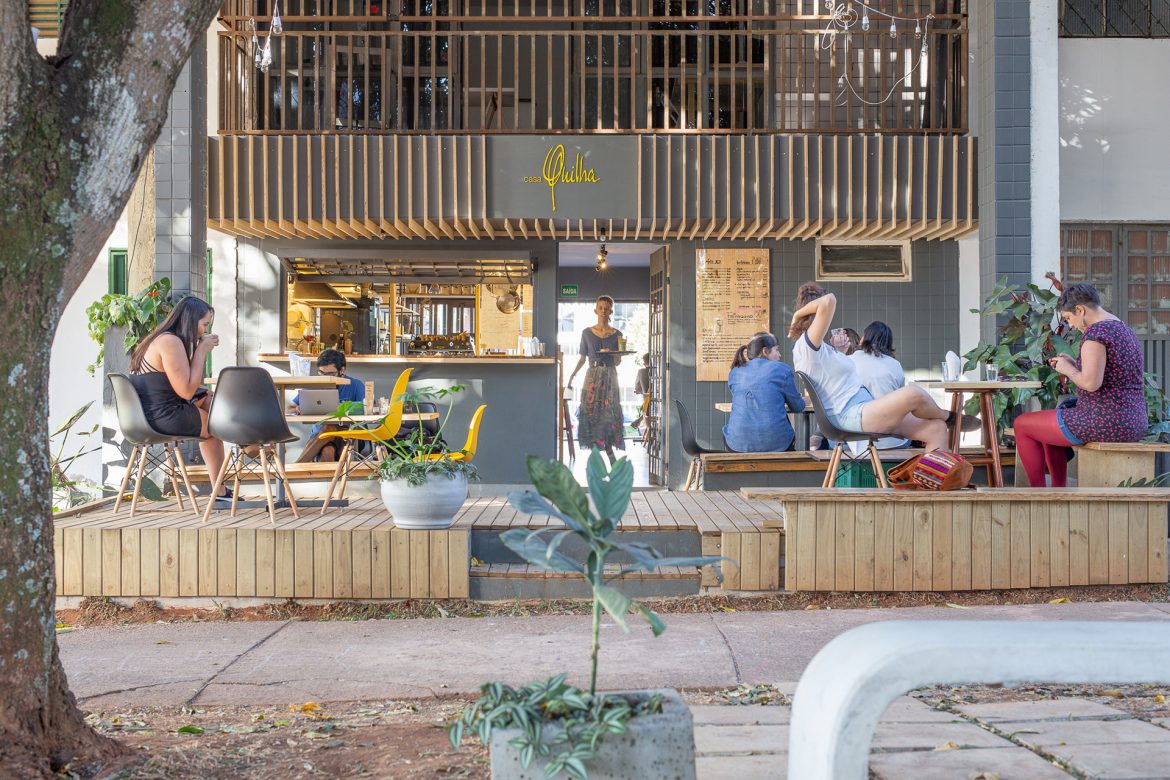
Casa Quilha is a place to come and linger with a coffee—or beer. Whether you want to read a book, meet a friend, or have a gathering, the great atmosphere and the cheery founders welcome you. Partners Luciana Araújo (former partner at Objeto Encontrado), Ricardo Theodoro, Kauê Blass, and Bruno Terra undeniably gave life to the somewhat uncharted part of Brasilia their cafe calls home.
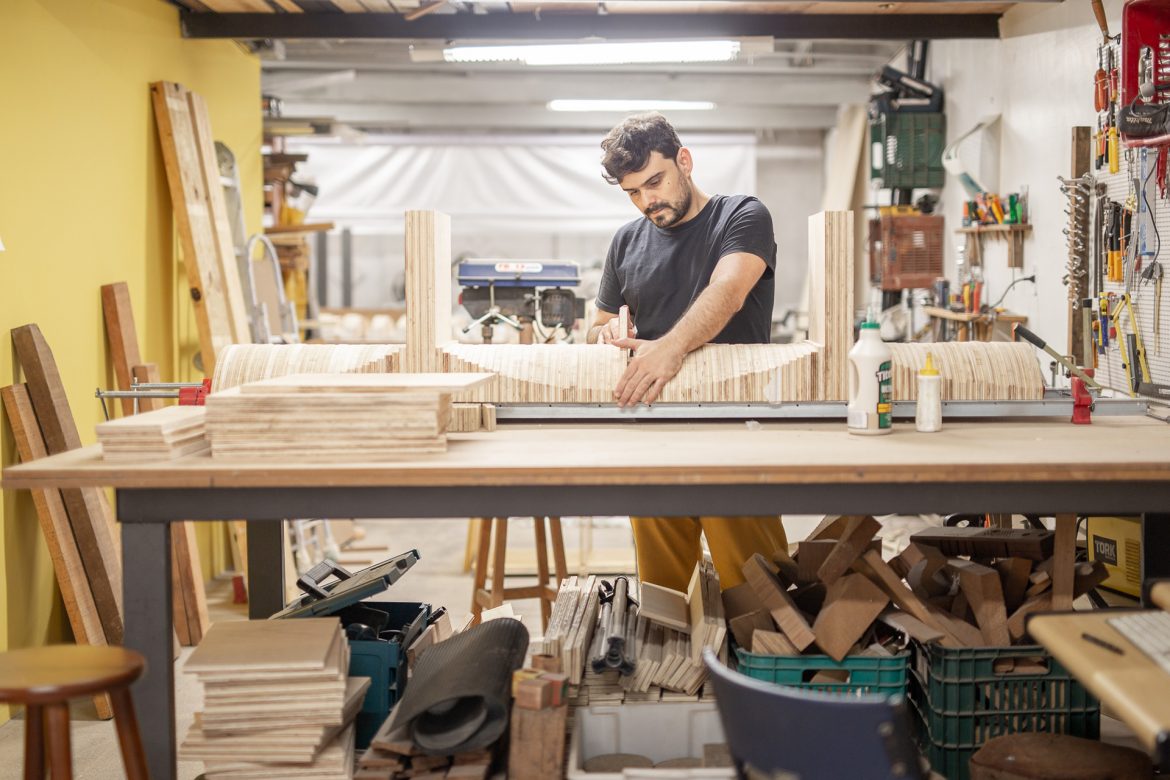
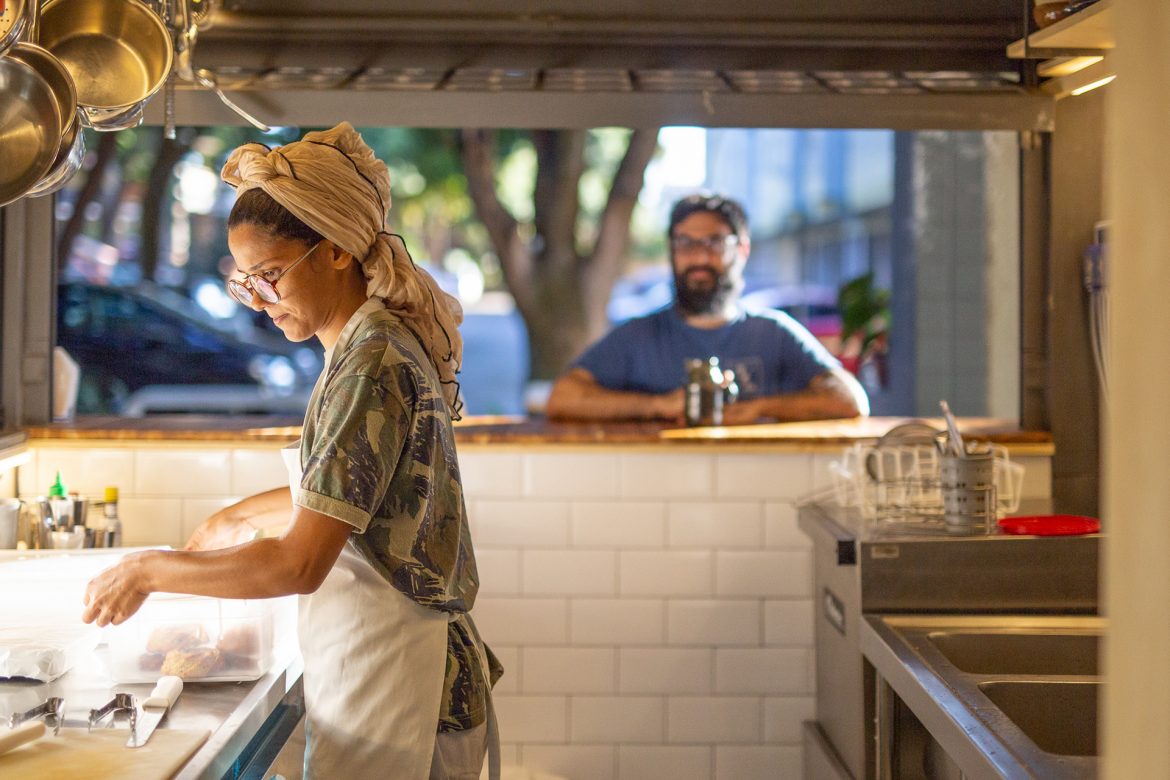
“We wanted it to be a home, for us, our customers, and our projects,” Araújo says. She is in charge of the kitchen and the coffee bar. She has a passion for coffee, but now is also giving room to other passions, such as cooking—many of the cafe’s recipes are hers—and soon, possibly, sewing. Yes, sewing—Casa Quilha is meant to host its partners’ “makers” projects. The below-ground floor houses Theodoro’s woodwork atelier, showcasing beautiful Imbuia pieces, and the second floor will soon be used as Araújo’s atelier. The idea is to focus on sewing, but that might change too, following Casa Quilha’s natural pace. Araújo prefers to keep the mystery.
Casa Quilha is located in an area where there are many mechanic workshops, but no cozy cafes.
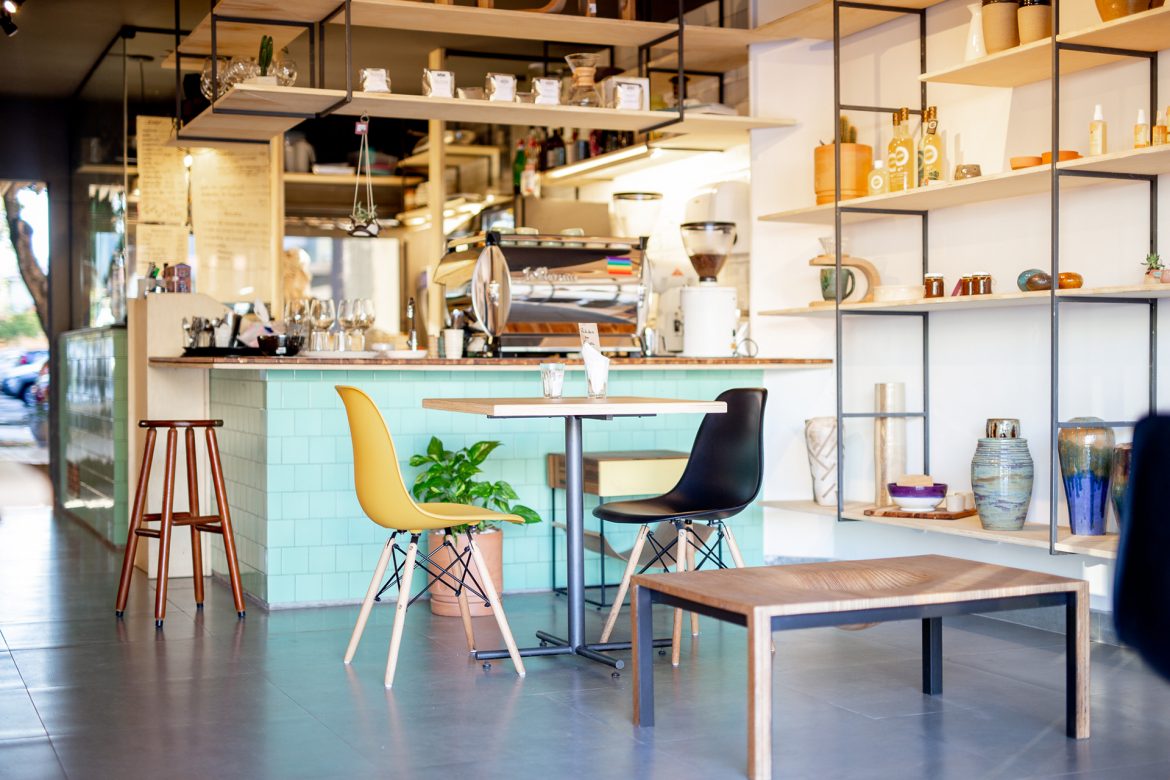
“It was just perfect,” says Araújo. “In the end of the street you suddenly bump into a cafe heaven, you see dogs, bikes, children running outside. It doesn’t resemble other cafes in the capital.” In fact, Casa Quilha doesn’t look like Brasília at all. Being a modernist planned city, all of Brasília’s commercial locations sort of look the same. It’s very difficult to make a place feel unique. But Casa Quilha figured it out naturally, with a public square acting as its backyard. “Everything felt just right, plus the rent prices here were way more affordable,” Araújo says. Casa Quilha’s is a mixed block, where there are houses and local commerces antithetical to the capital’s original planning.
Everything served at the cafe is made in-house. Don’t dare leave without trying their dark and white chocolate cookie, perhaps the best in Brazil, and the lime and almond cake, a recipe by Blass. Casa Quilha serves a salt smoked with Imbuia wood offcuts—courtesy of Theodoro—which is used to smoke salmon that tops bruschetta. Theodoro’s woodwork is everywhere, from the benches to the balcony to the storefront, and many of his pieces are for sale. In fact, demand has been so high he can’t keep up. “It’s been really amazing, people come for coffee and end up taking a piece of art home,” Araújo says.
Although the cookies and the cake are already the house’s signatures, Casa Quilha’s menu will change seasonally. They are listening to their customers’ needs and will adapt however feels natural for them and for their community. The menu will grow and change as Casa Quilha’s partners grow and change as well.
“We have a backbone menu that is fixed, which are the hot drinks, cakes, sandwiches, and cookies, and the rest will evolve and change with time,” Araújo says. This is in part because Casa Quilha is a place made of connections—with suppliers and customers. The coffee used is sourced by Aha! Cafés, the first quality-focused micro-roastery in Brasilia. João Pedro Freitas, one of Aha! Cafés’ partners, even authored a drink recipe to be served at Casa Quilha: the Zest Brew. It’s a double shot of espresso, lemon juice, ginger syrup, gin, and lime zest, and has already become part of the fixed drinks menu.
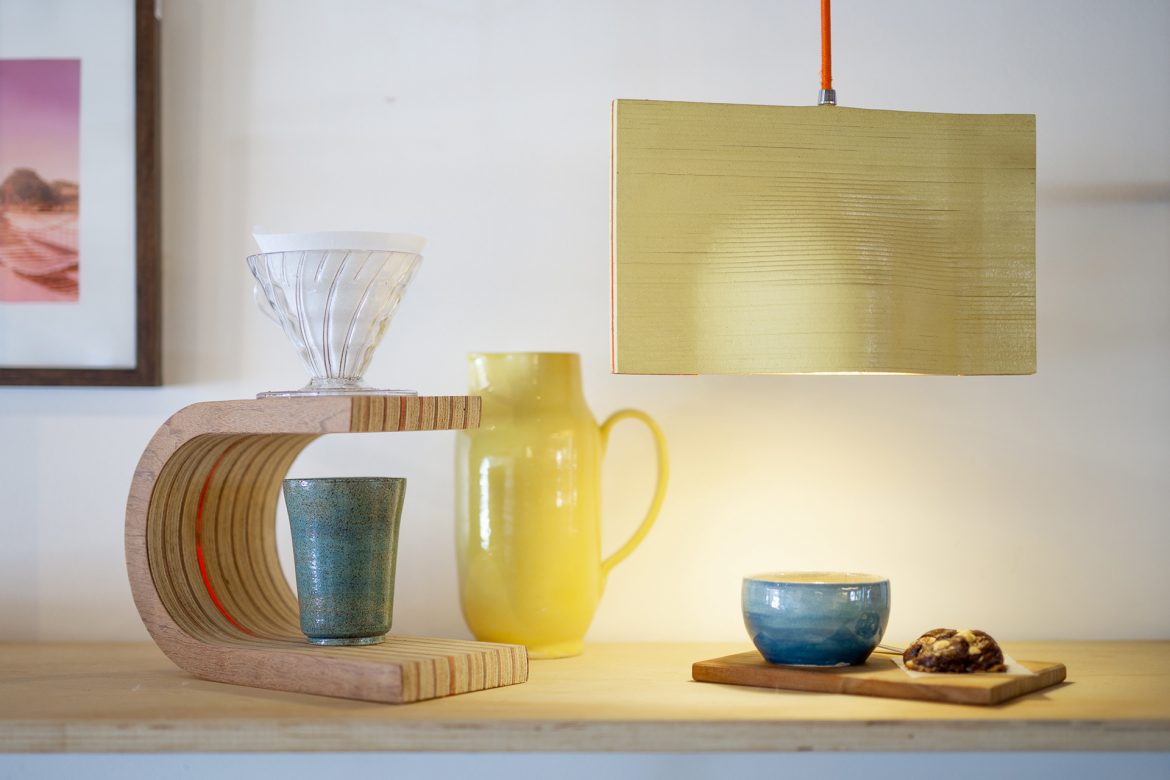
“We do our best to follow our suppliers and respect their timing. Some things that we serve are cyclical, such as our kombucha, ceramics, and coffee. Everything must follow its seasonality, and will change accordingly. That’s the beauty of it,” Araújo says. The goods sold at Casa Quilha rotate too. At any given time, you’ll find them selling anything from preserves to natural cosmetics to ceramics to tiles, all made by local “makers” who are close to Quilha’s founders.
“It’s not that we specifically chose to sell this jewelry here, for example,” Araújo says. “It’s the supplier’s philosophy that matched ours, therefore making it a fit to be sold here.” As for Casa Quilha’s in-house ceramics, they’re made by Araújo’s mom, and each piece is slightly different from the last.
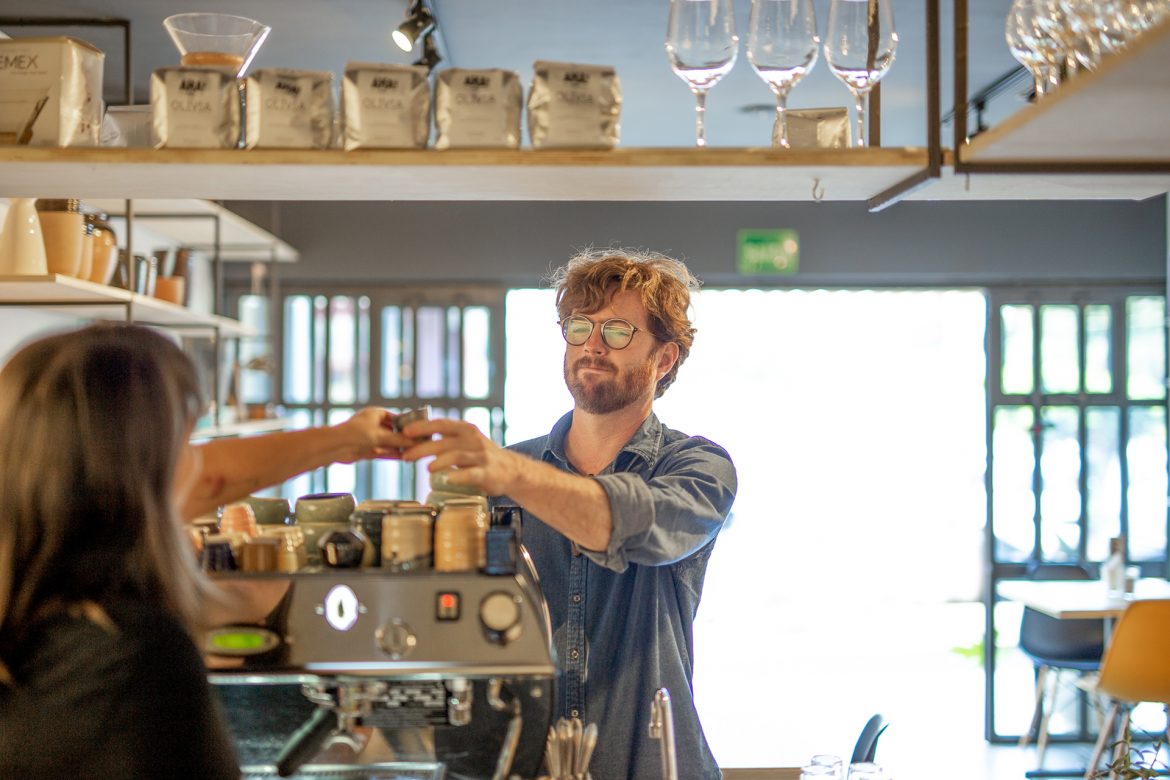
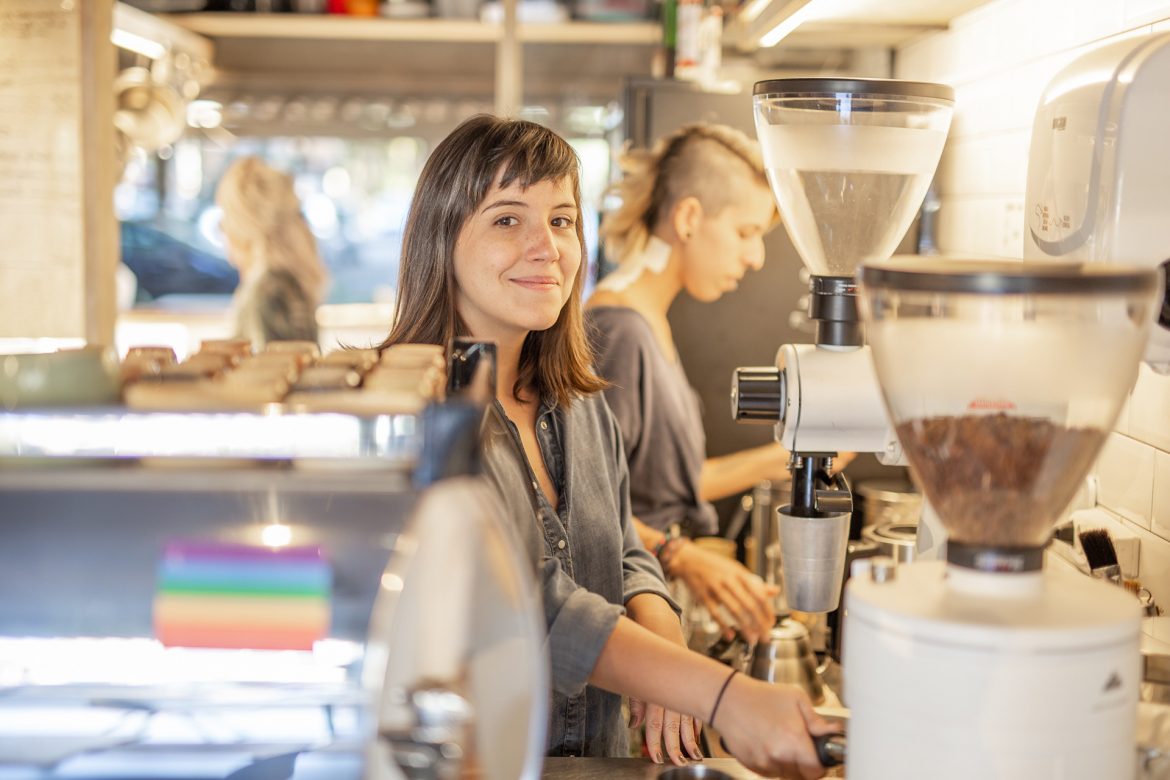
Araújo doesn’t own a car, and only rides her bike in the capital. Casa Quilha encourages customers to do the same: they offer a free espresso—or cookies, depending on the day—for customers who come riding their bikes. Fellow partner Terra is also “pro-bike,” and works with issues of urban mobility. Casa Quilha’s bike rewards are intended to be a small solution for Brazil’s dependence on fossil fuels, as well as its frequent economic and political-based fuel shortages.
“We need to rethink our transportation options, and by offering an espresso we are trying, little by little, to incentivize that,” Araújo says.
Once a week, Casa Quilha promotes a Happy Hour celebration and stays open until 10pm. You come for the coffee and stay for the beer, and the vibe. And the incredible cookies. Don’t forget the cookies.
Juliana Ganan is a Brazilian coffee professional and journalist. Read more Juliana Ganan on Sprudge.
Photos by Ricardo Theodoro.
The post In Brasília, Casa Quilha Is A Space For Makers appeared first on Sprudge.
from RSSMix.com Mix ID 8200593 http://sprudge.com/in-brasilia-casa-quilha-is-a-space-for-makers-134104.html
Producer & Roaster Forum + Blockchain Auction Announced For 2019
Are you looking to build valuable business partnerships? Discuss the latest issues and innovations in the coffee industry? Cup and purchase exceptional coffees, including experimentally processed ones?
In partnership with Guatemalan Coffees we’re pleased to announce that the next Producer & Roaster Forum will be held in Guatemala on the 23rd and 24th of May 2019.
The event has been rebranded from the PDG Micro Coffee Festival due to its growth, and also to better reflect its focus on connecting producers and roasters.
Moreover, at the 2019 Producer & Roaster Forum, the world’s first coffee blockchain auction, will be launched in partnership with Yave. The auction is anticipated to offer: faster payment for farmers, immutable traceability, and unprecedented market access breakthroughs.
Learn about previous festivals in The Business Behind Specialty: Micro Coffee Festival El Salvador
 Producer & Roaster Forum 2019
Guatemala: A Leading Coffee Origin
Guatemalan Coffees’ progressive, forward-thinking outlook makes them a perfect partner for this event. So too does Guatemala’s strong coffee industry.
With over 125,000 producers and eight distinct growing regions, Guatemala offers considerable cup variety. Within each region, there are numerous varieties and terroirs. Young, innovative producers are taking advantage of the 300+ microclimates across the country and experimenting with exotic, honey, and natural coffee processing, in addition to the washed processing Guatemala is famous for.
98% of Guatemala’s coffee is also shade-grown, as part of the country’s ongoing investment in sustainable agriculture.
Moreover, in recent discussions over the crashing international market price for coffee (the C price), Guatemala’s national coffee association Anacafé has been a major voice. Anacafé’s President, Ricardo Arenas Mendes, told Reuters, “Our people are starving. The price (buyers) are paying for coffee today is less than the price they were paying 30 years ago.”
Read more in Re-Thinking The C-Price: Should We Change How We Price Coffee?
Ana Lucrecia Glaesel, Anacafe’s Marketing & Communications Coordinator, says, “As the representatives of a coffee-producing country, we’ve always worked to position Guatemala as a world-leading origin.
“Hosting events like the Producer & Roaster Forum will provide added value to our coffee producers and will give roasters from across the globe a more complete overview of what Guatemala has to offer as an origin country. Moreover, it will generate a more transparent and direct relationship between buyers and producers.”
 View from a coffee farm in Guatemala. Credit: Julio Guevara
Producer & Roaster Forum 2019: The Event Details
2019 marks the third festival from Perfect Daily Grind; previous events took place in El Salvador in 2016 and Brazil in 2017.
The event will be held at Guatemalan Coffees headquarters. 150 producers and 50 international guests are anticipated to attend, including numerous roasters from across the globe.
The forum will feature:
- Lectures from world-leading authorities on topics including international consumption trends, green bean purchasing and decision-making for roasters, post-harvest processing, and more
- Workshops on topics such as coffee pricing issues and gender equity
- Panels on the European, Australian, Asian, and North American markets
- Cuppings of Guatemalan and international coffees
- Blockchain coffee auction & pre-auction cupping
- Networking activities
- Latte art throwdown
Presenter applications are currently under review, with diversity and producer value being key considerations. Moreover, a strategy is being built to ensure accessibility for low-income producers.
 Coffee cupping at the 2017 festival in Brazil
The Origin Trip and Producer & Roaster Forum: US £200 (5 days)
There are spaces for up to 50 international roasters to attend the two-day forum and an additional three-day origin experience.
During the three days prior to the forum, attendees will have the opportunity to be hosted on a coffee farm by some of Guatemala’s leading producers. This will allow them to go on farm tours, cup coffees, build strong relationships, visit nurseries, and share knowledge with hosts.
The fee includes entrance for the two-day forum, five days of accommodation, transport to and from the accommodation and event from the local airport/station, food, and drinks. We recommend arriving in Guatemala on the 20th and leaving on the 25th.
Learn more information and purchase tickets here!
Tickets For National Guests: £60 (2 days)
150 tickets will be reserved for Guatemalans who wish to attend the event. This will give attendees the opportunity to network with international roasters and buyers, build valuable partnerships, and learn from industry leaders across the globe.
The US £60 event fee includes entrance to all activities in the two-day forum, networking opportunities.

Yave founder Scott Tupper and Ivonne Herrera at Finca Las Parásitas. Credit: Yave
The World’s First Coffee Blockchain Auction
Yave and Guatemalan Coffees will also be hosting an online blockchain auction for 20 lots. This will include five honey, five natural, five washed, and five experimentally processed coffees. All Guatemalan producers will be invited to participate and submit a lot free of charge, and the final lots will be narrowed down after multiple rounds of cupping with both national and finally international judges.
The auction will take place on the morning of the 24th of May.
Roasters unable to attend the Producer & Roaster Forum in person can register online in order to receive cupping kits and bid virtually. Similarly, roasters attending the forum are not obliged to bid. Roasters to express interest, please sign up here.
What Is Blockchain? & Do You Need Cryptocurrency or Bitcoin?
First of all, no, you don’t need cryptocurrency or bitcoin to purchase a coffee with blockchain.
Yave’s coffee contract platform uses blockchain technology to verify equitable coffee purchasing from farm to cup. The blockchain platform enables equitable price discovery to occur in an online marketplace, disintermediating the commodity market and enabling better business between value-added stakeholders in the supply chain.
Yave’s blockchain platform has been specifically chosen for this auction since it will offer:
- Immutable producer-to-consumer traceability and transparency via a decentralized, locked ledger
- Lower auction fees for producers thanks to Yave’s blockchain architecture via built-in upstream and downstream reporting and standardization of smart contracts.
- Faster payment to producers
- A stronger negotiating position for producers by providing them with verifiable details of how much their coffee is worth and all stages of the supply chain
Read more in Green Coffee Pricing Transparency Is Critical – And Complicated
As Alejandro Molina, Anacafe’s Market Access and Sustainability Specialist, says, “Guatemalan Coffees and Anacafé recognize how technology like blockchain has the potential to revolutionize the coffee industry.
“Not only will it improve transparency but, more importantly, it will radically change how a coffee producer is able to receive a better and quicker return on their investment, their crop. We see smallholder farmers as the biggest winners in this situation since they will be able to get their product to market quicker.”
Want to sign up for the 2019 Producer & Roaster Forum? Buy your ticket here!
The post Producer & Roaster Forum + Blockchain Auction Announced For 2019 appeared first on Perfect Daily Grind.
from RSSMix.com Mix ID 8200593 https://www.perfectdailygrind.com/2018/10/producer-roaster-forum-blockchain-auction-announced-for-2019/