Thursday, December 22, 2016

Five Holiday Coffee Treats In Los Angeles

holiday drinks 2016 los angeles california kindness & mischief menotti's coffee stop demitasse blackwood lamill cafe sprudge

The wintertime culture in Los Angeles has many facets, unique traditions, and a general sense of flair. What it does not have, however, is snow—for us, 65 degrees is heavy coat weather. This means things get a little silly around here this time of year—think outdoor ice rinks in 70-degree temperatures, or palm trees decked out like twinkle lights—but one undeniably delicious tradition comes in the form of LA’s many holiday-ready signature coffee drinks. From lavender hot cocoa to butterbeer lattes (not to mention the one-day-only spectacular at Go Get Em Tiger) here are a few of my favorite drinks to sip through the winter sunshine in the City of Angels.

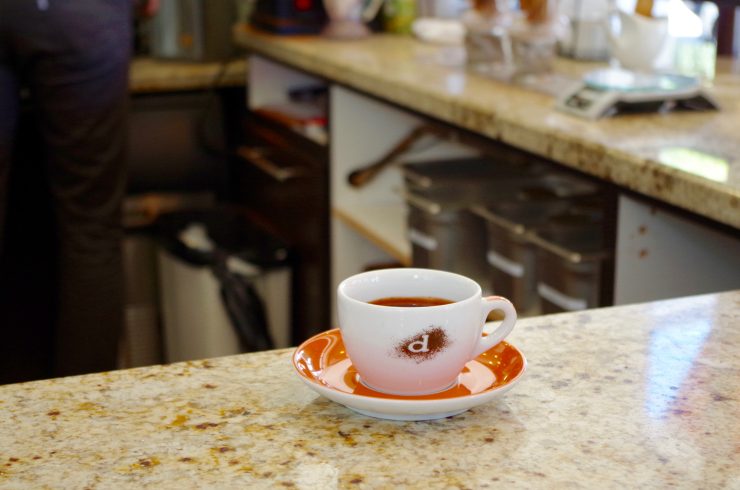
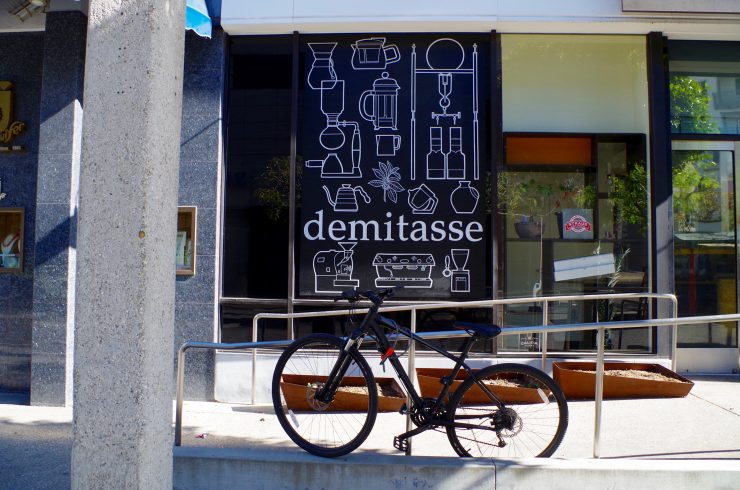
Lavender Liquid Hot Chocolate from Cafe Demitasse
holiday drinks 2016 los angeles california kindness & mischief menotti's coffee stop demitasse blackwood lamill cafe sprudge

holiday drinks 2016 los angeles california kindness & mischief menotti's coffee stop demitasse blackwood lamill cafe sprudge

In the heart of Little Tokyo, a team of coffee nerds aims to keep coffee a kind of science, a chemistry, if you will. But every now and then, Cafe Demitasse takes a break from their siphons and beakers to bring you sweet seasonal drinks, many of which are created by the baristas themselves. The Lavender Liquid Hot Chocolate, invented by owner Bobby Roshan, is one that remains a crowd favorite. The drinking chocolate is constantly stirring in a vat on the counter, a mixture of dark chocolate powder, milk, and vanilla bean sugars. Once ordered, pure lavender extract gets added to the chocolate, heated, and then topped with a giant marshmallow block that’s toasted with a blow torch before carefully propped onto your cup with a toothpick. The thick, rich drink is a sugar explosion that can only be handled in its given serving of eight ounces.

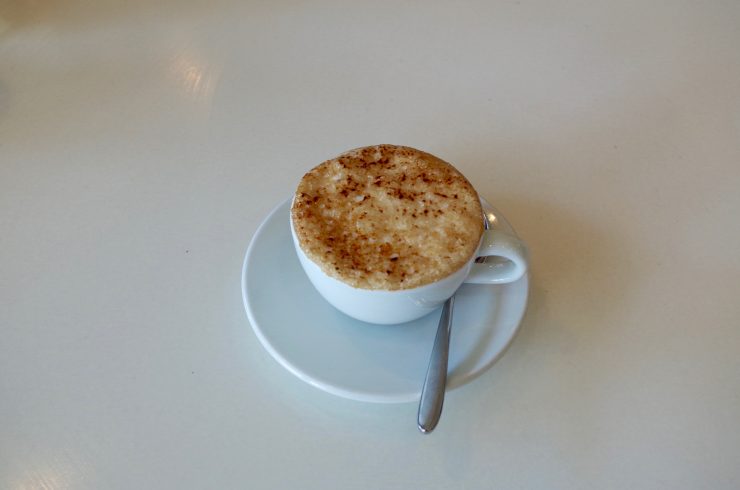
Crème Brûlée Cappuccino from LAMILL Coffee
holiday drinks 2016 los angeles california kindness & mischief menotti's coffee stop demitasse blackwood lamill cafe sprudge

holiday drinks 2016 los angeles california kindness & mischief menotti's coffee stop demitasse blackwood lamill cafe sprudge

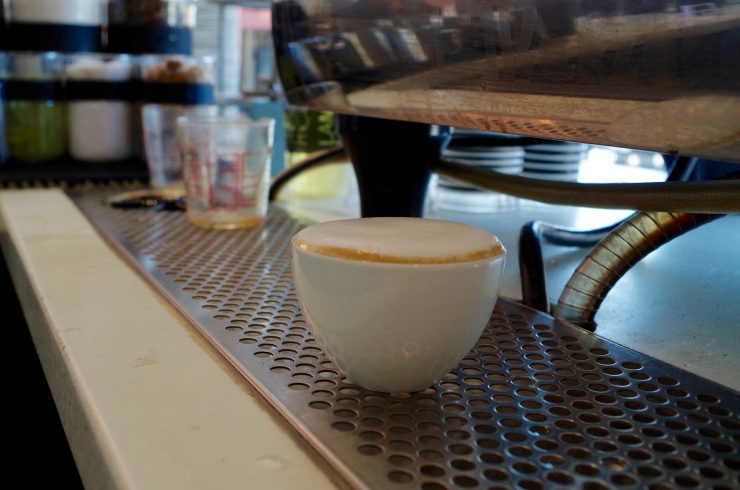
LAMILL Coffee has been on Sunset Boulevard in Silver Lake since 2008, with a front-row seat to the neighborhood’s transformation into one of America’s hippest zip codes. Stop in for their signature drink, a creation that’s been around since the beginning—the Crème Brûlée Cappuccino. The traditional, foamy cappuccino is flavored with house-made caramel syrup and topped with sugar in the raw. The best part is when the blowtorch crystallizes the sugar atop the foam, becoming a sweet, crisp layer to break into before sipping. The beverage is a gooey, luscious experience reminiscent of freshly toasted s’mores.

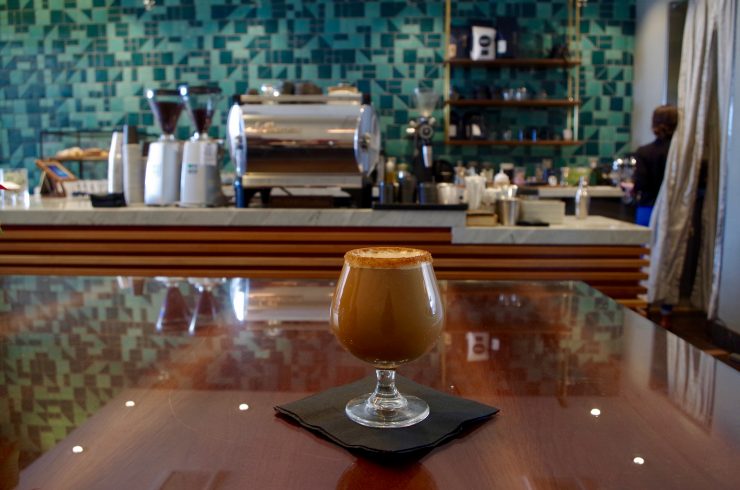
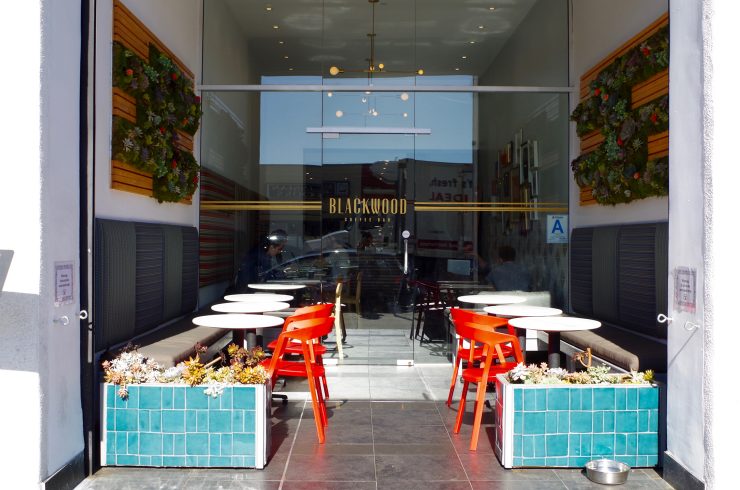
Morning Wood from Blackwood Coffee Bar
holiday drinks 2016 los angeles california kindness & mischief menotti's coffee stop demitasse blackwood lamill cafe sprudge

holiday drinks 2016 los angeles california kindness & mischief menotti's coffee stop demitasse blackwood lamill cafe sprudge

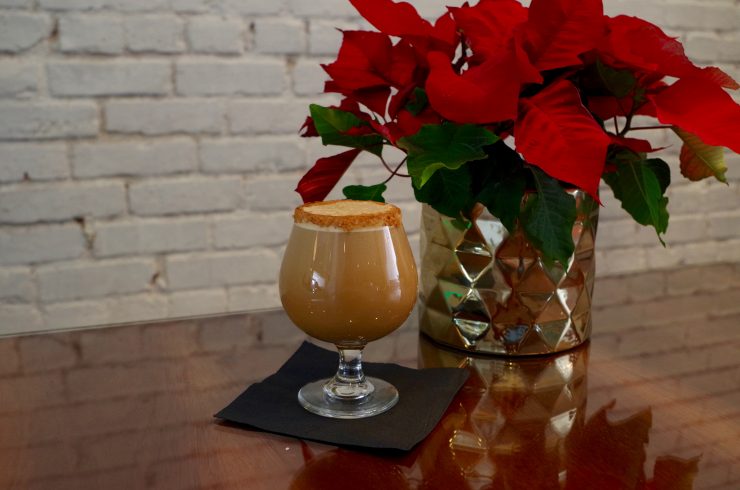
After making your way through the palm trees and stars of the Sunset Strip, get fueled on an extra strong holiday-esque beverage from Hollywood’s Blackwood Coffee Bar, a newer space that specializes in cocktail-inspired coffee drinks. A bolder thrill, the Morning Wood is a goblet of supercharged cold brew that is shaken (not stirred) with half-and-half and simple syrup and served stout-style from your team of coffee mixologists. The glass then gets a rim of brown sugar and cinnamon, a sweet break from the smoky, heavy black coffee flavors of the cold brew. The syrupy beverage is just one step lighter from the body of an actual stout.

Butterbeer Latte from Kindness & Mischief Coffee
holiday drinks 2016 los angeles california kindness & mischief menotti's coffee stop demitasse blackwood lamill cafe sprudge

holiday drinks 2016 los angeles california kindness & mischief menotti's coffee stop demitasse blackwood lamill cafe sprudge

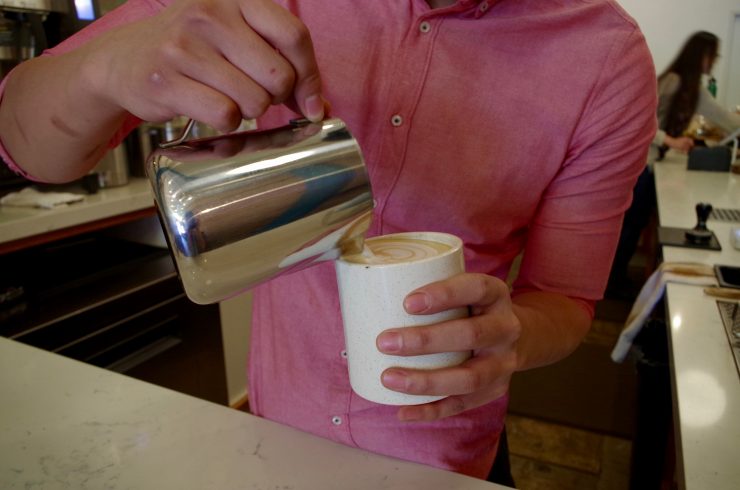
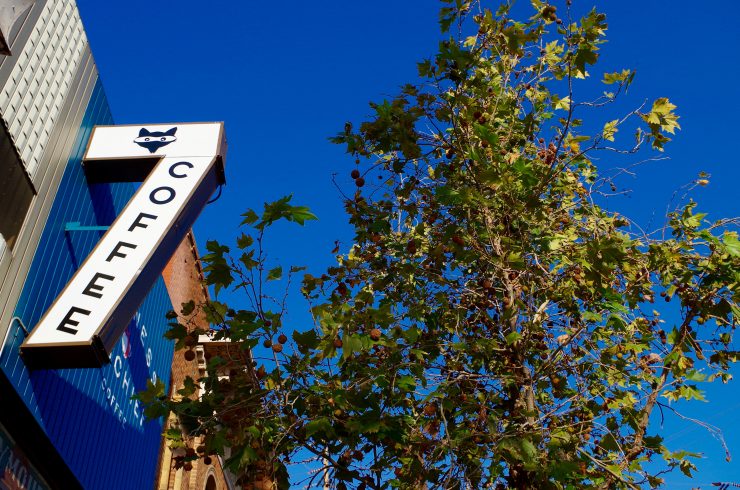
Kindness & Mischief’s massive “Coffee” sign and bright turquoise storefront suggest all manner of mischief in Highland Park. Their Butterbeer Latte comes from a deep reverence for the Harry Potter series. It’s a holiday fanfic in the form of a hot, comforting beverage. This non-alcoholic drink uses butterscotch chips and piping-hot heavy cream for a house-made butterscotch syrup. Melted together with Rose Park Roasters’s El Espresso, it then gets married with steamed almond milk to make a creamy, delectable dessert in a cup. Order iced to get a different version—a frosty craft beer goblet of white butterscotch tea served out of a keg, nitrogenated and mixed with simple syrup.

Spanish Latte from Menotti’s Coffee Stop
holiday drinks 2016 los angeles california kindness & mischief menotti's coffee stop demitasse blackwood lamill cafe sprudge

holiday drinks 2016 los angeles california kindness & mischief menotti's coffee stop demitasse blackwood lamill cafe sprudge

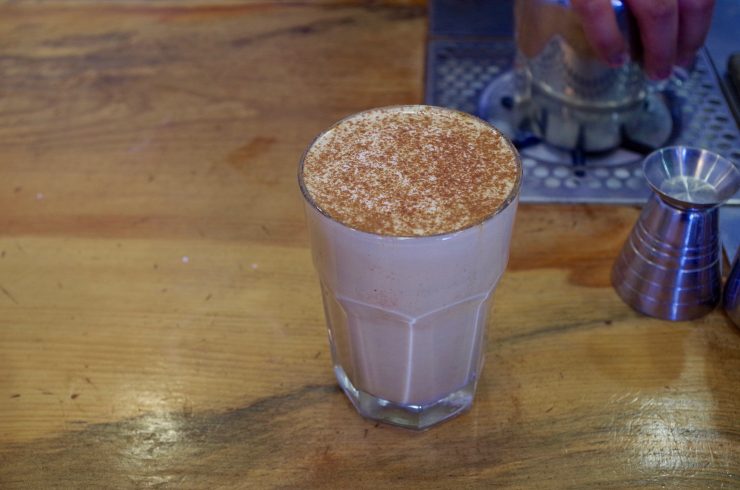
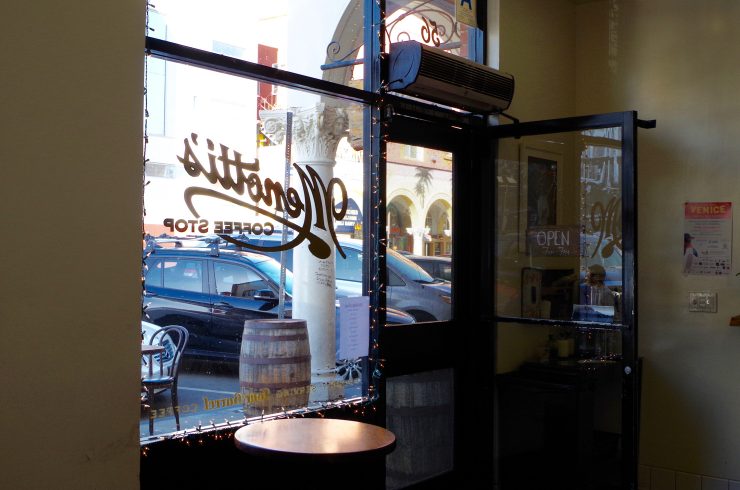
Located just off the iconic Venice Beach Boardwalk, Menotti’s Coffee Stop crowd is an eclectic mix of coffee nerds, beach goers, and tourists—all of whom can enjoy the dense, milky comfort of the shop’s renowned Spanish Latte. A few hearty pumps of condensed milk sit with cinnamon powder for several seconds, absorbing one another’s flavors before Four Barrel Coffee espresso collides into the glass. After some vigorous stirring, they then double the dairy and add steamed whole milk into the explosion. To finish it off, the drink gets topped with even more cinnamon. A frothy treat, the Spanish Latte is a heavy, velvety drink that might as well serve as a Christmas meal itself.

Katrina Yentch is a Sprudge contributor based in Los Angeles. Read more Katrina Yentch on Sprudge. 

The post Five Holiday Coffee Treats In Los Angeles appeared first on Sprudge.


from RSSMix.com Mix ID 8200593 http://sprudge.com/five-holiday-coffee-treats-in-los-angeles-112777.html

Coffee & Dinner At Res Ipsa Philadelphia

sprudgeshoot-16

Each year here at Sprudge we put together a globe-spanning, head-turning feature series during the hot weather months—a little something we like to call the Build-Outs of Summer. This year’s series featured an astounding 43 cafes, but just one of those was also gearing up to be a full-service dinner restaurant, part of a wider chef & roaster collaboration: Res Ipsa of Philadelphia, from the team at ReAnimator Coffee and chef Tyler Akin.

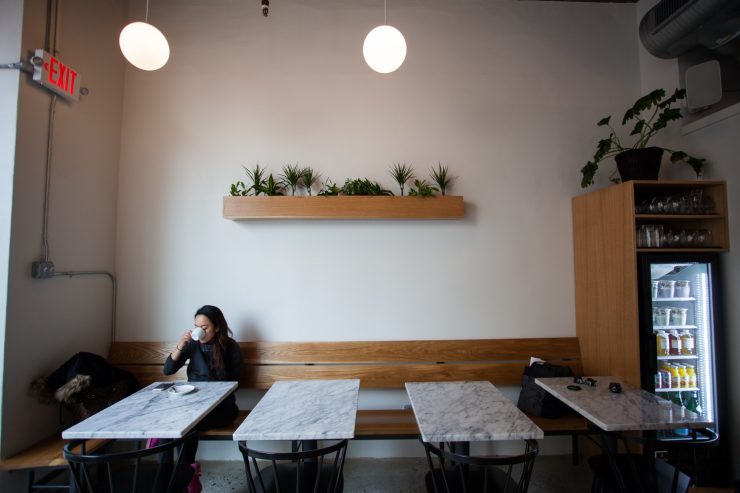
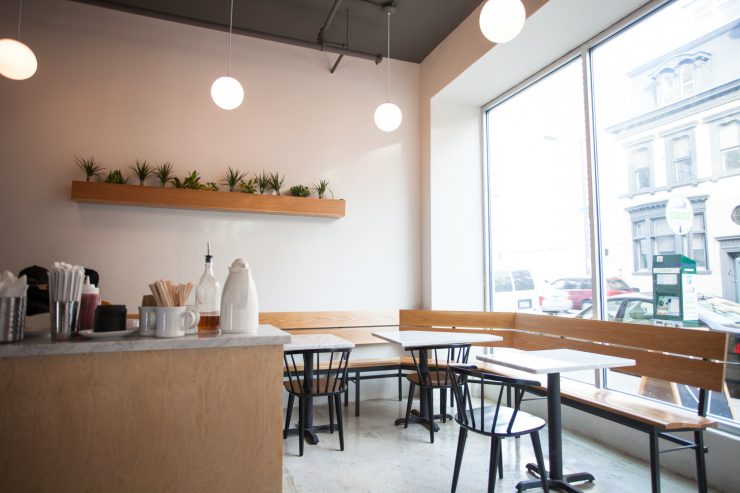
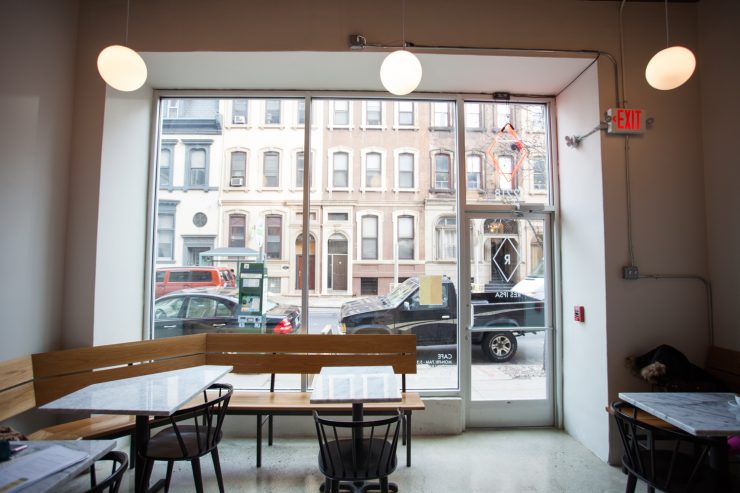
Cut to December, and the doors are now open at Res Ipsa, offering a hybrid of daytime cafe service and nightly sit-down dinners in Philly’s Rittenhouse Square neighborhood. The dinner menu has a decidedly Sicilian bent, and as is common with some of Philly’s great dining spots, the space is BYO, meaning you can pair up your favorite beers or wines (you should bring wines) with Chef Akin’s cuisine.

sprudgeshoot-17

With doors open and tables turning, Sprudge co-founder Jordan Michelman spoke digitally with ReAnimator co-founder Mark Corpus to learn more about the project, get some dinner suggestions, and ask the big question: when coffee companies are running the show in the dining room, is this the what the future of restaurant coffee looks like?

This interview has been lightly edited and condensed for clarity. 

sprudgeshoot-18

Hello Mark Corpus! For starters, give us like a 500 foot overview of what you do at Res Ipsa for Sprudge readers just learning about the project.

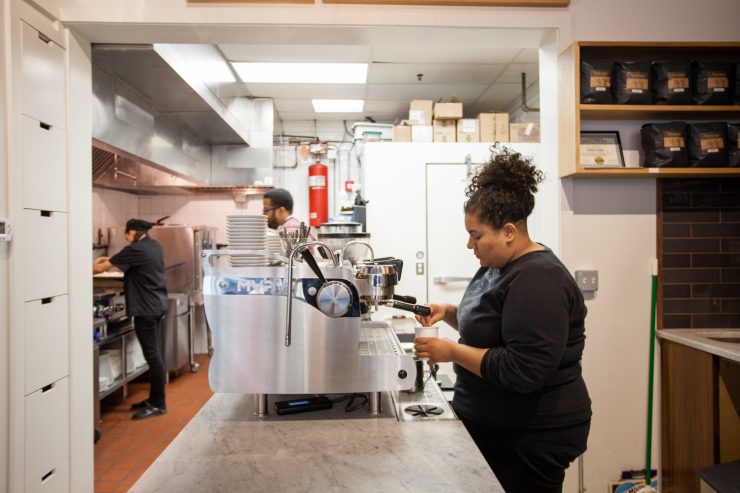
Mark Corpus: The main idea behind Res Ipsa is pairing great coffee with great food in a casual, all day setting. There are very few places, especially in Philadelphia, where you can get a well made, thoughtful coffee or espresso beverage, and also get a carefully prepared, quick house made breakfast or lunch. As coffee professionals, we don’t want to task our baristas with doing anything other than making great coffee, so at Res Ipsa, we have a full kitchen staff all day, made up of a lot of great talent from Philadelphia’s restaurant scene.

This translates into the evening, when the space transforms into a table service BYO with a Sicilian-leaning menu that includes fresh pastas and seafood. And also a full coffee menu still available.

sprudgeshoot-8

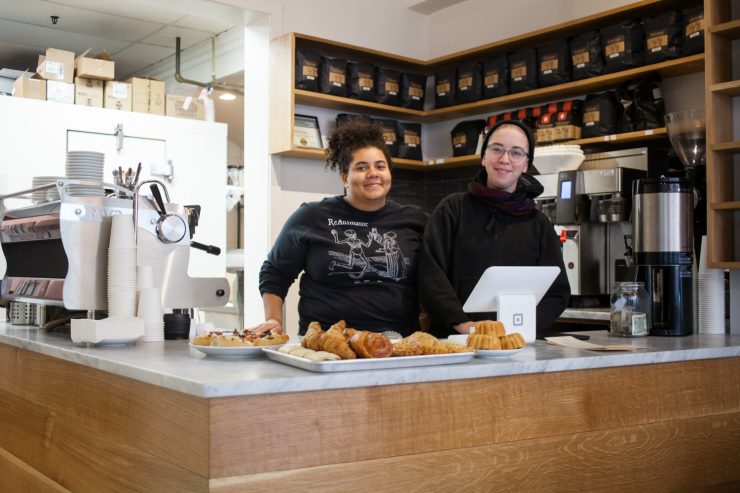
Baristas Paula Clark (left) and Sarah Meyers.

Why is ReAnimator, a coffee company, going into a dinner service concept with a chef?

We think it’s safe to say that as coffee lovers, and people who appreciate flavor profiles and the care put into the preparation of coffee, most of us feel the same way about the food we eat, especially when dining out. There’s still a huge void in the culinary world when it comes to coffee, and there are too many restaurants where a great meal is capped by a mediocre (or worse) espresso or drip coffee. As a coffee roaster, we’re interested in helping to shift the culture around food and coffee, and create an atmosphere where both coffee and food are given the same attention, and presented on equal footing.

sprudgeshoot-13

How does the cafe experience at Res Ipsa in the daytime differ from a typical cafe?

On a service level, for the average coffee consumer, they won’t notice much of a difference when it comes to ordering their beverage. Our menu and options matches the rest of our cafes (a typical, simple, modern espresso menu, FETCO batch brews, and single origin coffees by the cup), and our philosophies on hospitality and service carry over.

The biggest difference from the coffee side is that we’ve automated the single origin by the cup options using a Curtis Gold Cup Brewer, which allows for more face time with the customer, and keeps the focus of the barista on the customer experience (rather than staring down the cone of a V60).

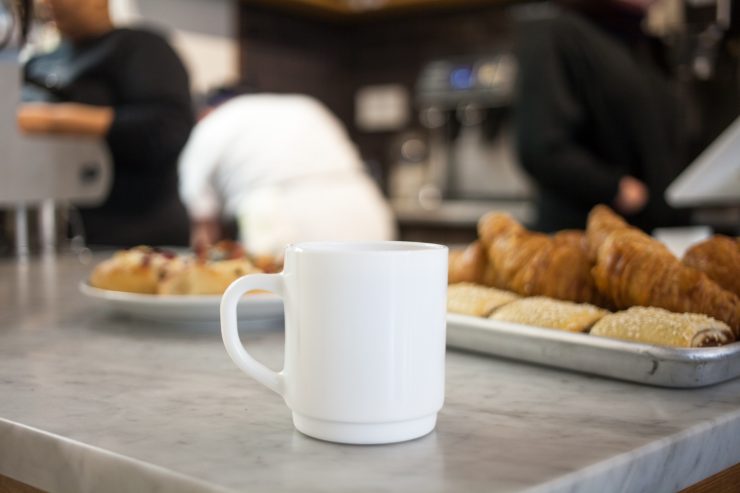
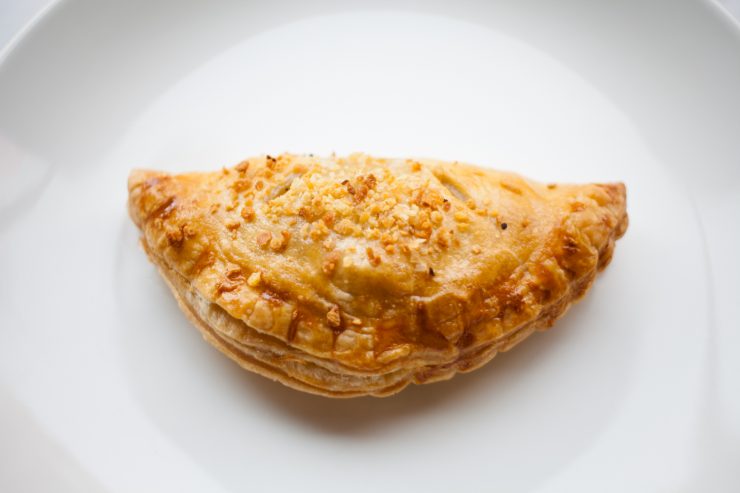
Outside of coffee, the most noticeable distinguishing factor is the food. During breakfast, there are house made English Muffins, Breakfast Sandwiches, Cinnamon Rolls, Focaccia, and whatever else the chefs are feeling that morning. During lunch, you see a few curated sandwich options, as well as salads, and a beans and greens soup. So the fare available all day for our cafe customers is an elevated experience, and not something they are likely to find elsewhere in the city.

unnamed-4

sprudgeshoot-4

How are you integrating your coffee identity into the evening experience at Res Ipsa?

We didn’t want to force coffee collaborations into areas that do not make sense on a Sicilian inspired dinner menu, so we’ve kept things fairly traditional in terms of how we present coffee. The real difference is selection and quality. During the evening, while we are in dinner service, we have the full coffee menu available, including single origin coffees on the Gold Cup Brewer, and all of the regular batch brew and espresso options. We have a trained barista on site to ensure your espresso will actually be extracted properly.

In addition to offering a full coffee menu we also have coffee influenced desert options like our house made espresso panna cotta.

sprudgeshoot-2

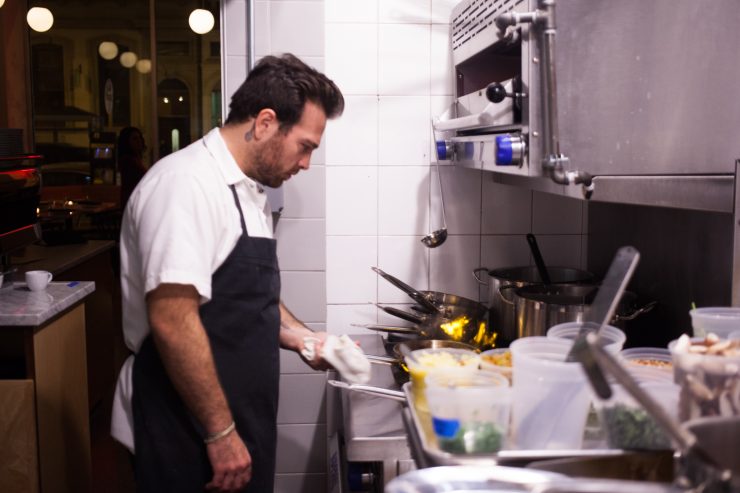
Chef Tyler Akin in the kitchen at Res Ipsa.

Talk to us about the rest of your beverage program–any cool beer, wine, or cocktails?

Res Ipsa is a BYO, so customers can bring their own wine, beer, or whatever!

What is the must-order can’t-miss dish you think everyone should try?

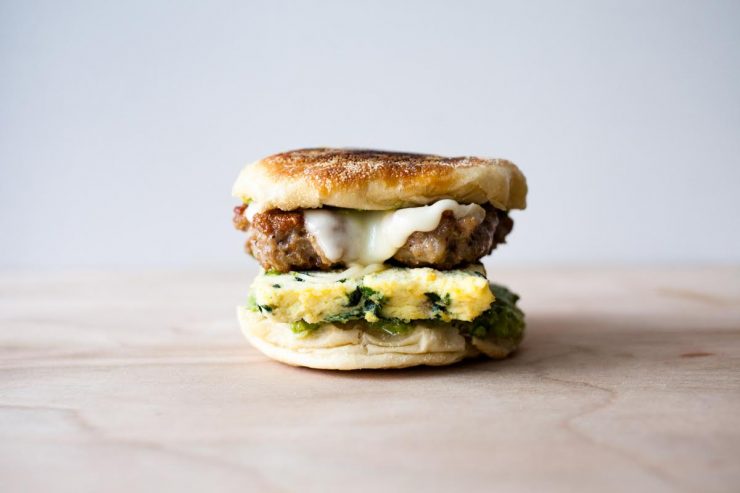
The breakfast sandwich on house made english muffin with spinach and fennel sausage is out of this world, next level, bar raising. It is available all day till 5:30 pm.

Here’s some recommendations on appetizers, pastas and mains for our dinner service:

The Fried Baby Fish is a great starting dish; crunchy, just the right amount of spice and perfect for snacking on with others as you get warmed up for the rest of the meal.

unnamed-5

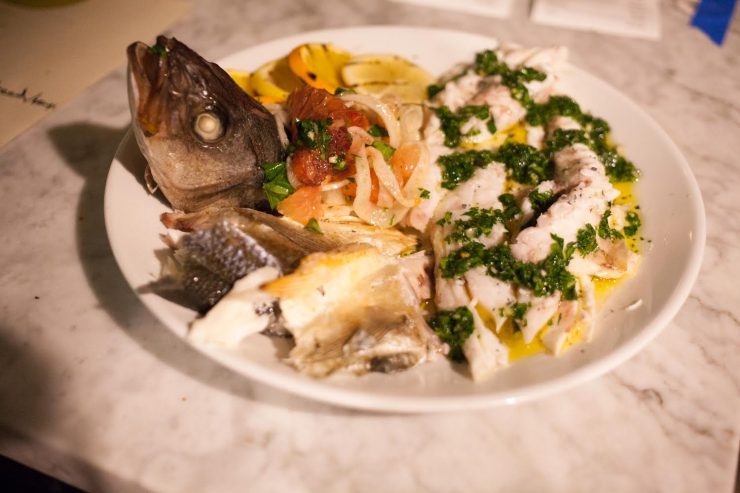
The “Whole Fish” Bronzino.

The Fazzoletti is a twisted pasta with amazing texture and a flavorful, buttery and citrusy sauce.

The Whole Fish is perfectly seasoned with herbs and spices before being broiled to a crispy skin and then traditionally presented to your table. It’s very experiential, and perfect for groups

Tell us a bit more about the neighborhood of Philly your new space is in.

Res Ipsa is situated in the Rittenhouse neighborhood of Philadelphia, which is one of the most densely populated, and slightly posh areas of the city. It’s nestled in Center City, and near one of the most visited parks in Philadelphia (Rittenhouse Square). There is a lot of retail shopping in the area, and many well-known and respected bars and restaurants. It’s a bit of a touristy area, but it’s also situated very close to the University of Pennsylvania and Drexel University, so there’s a nice mix of long time residents, tourists, and students. We’re happy to be there.

resshoot-13

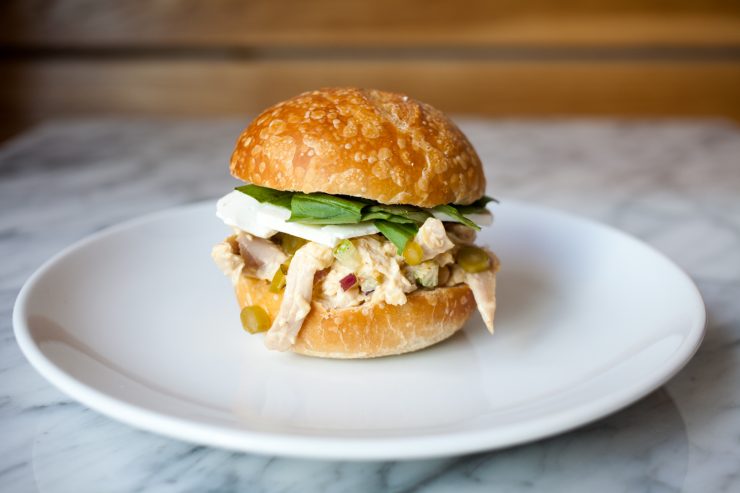
A scrumptious chicken salad sandwich.

What is an unexpected challenge you’ve had to face in getting this project going?

We have opened cafes in the past and they are usually very simple, straightforward affairs. Adding a full kitchen, hood system, ancillary system, etc. to the scope of build out was certainly a challenge. We inherited a lot of these kitchen systems since the entire space (including what is now the coffee bar and dining room) was previously a large kitchen for a restaurant that had been next door. Retrofitting the current kitchen into the space and fixing/salvaging the existing kitchen equipment was difficult. It would have been much easier to start with brand new equipment in there, but we were on a budget and we made it work. On top of that, trying to get the existing kitchen to match the aesthetic of a new, stylish cafe was tricky but we pulled it off.

Why is there such a disconnect between good coffee at restaurants? How does it feel to be challenging that head-on?

In our experience, a lot of it comes down to cost. Even in a situation where restaurant management is in favor of upping their coffee game, the chefs have a tendency to veto due to the additional expenses it puts into their food budget. It’s just easier for a chef to buy the cheap coffee. To us, it doesn’t make much sense. It seems obvious to me that if, as a customer, you’re spending a decent amount of money on a meal that was carefully prepared and delicious, you’d want to cap it off the same way. But most often things end with an under extracted espresso or watery dark roasted drip coffee.

We do see a change beginning. Specialty coffee is starting to get hard to ignore. And customers are becoming more particular. So it’s our hope that Res Ipsa can be a part of that shift in Philadelphia. It feels good. We’re in control, and we’re hoping to blow some minds.

sprudgeshoot-22

sprudgeshoot-2

Espresso before dinner, cappuccino after dinner, or both? Or just filter coffee throughout?

Drink coffee all day. Eat a big plate of fresh pasta to soak it up. Wine with your meal. Espresso to help you get home. That seems like a decent plan.

Thank you Mark. 

Res Ipsa is located at 2218 Walnut Street in the Rittenhouse Square neighborhood of Philadelphia. Hours daily from 7am weekdays, 8am on weekends. Visit their official website for more details.

Jordan Michelman is a co-founder and editor at Sprudge Media Network. Read more Jordan Michelman on Sprudge.

The post Coffee & Dinner At Res Ipsa Philadelphia appeared first on Sprudge.


from RSSMix.com Mix ID 8200593 http://sprudge.com/res-ipsa-philadelphia-113810.html

Switch Coffee | Toyko Japan

Onibus Coffee | Okusawa Tokyo Japan

How Harvest Rains Destroy Coffee Crops

Harvest time in El Salvador is November to February/March. It’s a cool, dry season perfect for the picking of coffee cherries.

Yet this harvest has already been marked by heavy rains. While in El Salvador for the first PDG Micro Coffee Festival, we saw them strike suddenly and dramatically. Coffee flowers were opening on the trees even as pickers were harvesting cherries – something you might expect to see in Colombia, but not El Salvador.

Carlos Pola of Finca Las Brisas told me, “It’s like snow in June. It never rains at this time of year.”

But this isn’t just a freak weather phenomenon. This is a serious concern for many producers, who face decreased income this year and an irregular harvest next year.

SEE ALSO: Producer Insight, Barista Skills—Micro Festival El Salvador Day 1

rain

Rain strikes suddenly at Micro Coffee Festival El Salvador. Credit: T. Newton

A Rainy Harvest Means Damaged Coffee

While rain is important for growing high yields of developed coffee, it poses a threat for ripe cherries. They may fall from the ground, where if left too long they will begin fermenting.

Alternatively, the cherries may stay on the branch but experience cracking. This happens when too much water is absorbed too quickly, and so the cells in ripe cherry peel are forced apart. It results in a lower cup score, as the sweet mucilage seeps out, and a lower weight. “It loses all its honey,” Rafael Silva of SICAFE explained.

cherries

Ripe coffee cherries split due to harvest rains. Credit: Andres Salaverria

On a night visit to Cuatro M processing mill as part of the Micro Coffee Festival, we saw how coffee cherries are graded based on ripeness. The ideal lot has many ripe coffee, few over-ripe or pink ones, and no under-ripe. “Tomorrow, we’ll pick pink because of the rain,” Roberto, the General Manager, told me. “It’s a risk, waiting for the cherries to become ripe.”

Picking pink will mean a lower cup score and price. But waiting to pick red risks losing large portions of the harvest or seeing a lower cup score. It’s a lose-lose situation.

cherries

This random sample contains over-ripe, ripe, and pink cherries. Credit: T. Newton

Issues at the Mill

Rain doesn’t just cause problems on the farm. It’s also an issue at the mill. Rafael explained that, for just picked coffees, it’s okay if they get a little wet – but that for those that are nearly at the right moisture level to be bagged and exported, it can have a serious impact. “You need to dry them again,” he said. “It needs a second processing. That causes quality issues.”

Even if you only have freshly picked coffees drying on your patio, heavy rains can still cause issues. “You need to put wood between the lots, or they can mix,” Rafael told me. “Then you cover them. But when it comes down this fast… ” He gestures at the rain around us. “Then you don’t have time to do that.”

The sudden appearance of the rain is one of its most damaging aspects. Even those with coffee in GrainPro channels, designed to protect the beans from rain, stood to suffer: they didn’t have time to close the bags before significant amounts of water had already drenched them.

“This is the peak time for mills right now,” Rodrigo Silva of SICAFE said. “And so it’s the hardest time to deal with rain.”

drying coffee cherries

During harvest season, many lots are processed on the same patios or beds. Credit: Mapache Coffee

The Financial Impact on Coffee Producers

Those processing natural and honey coffees are the worst hit, along with smallholder farmers with less manpower, resources, and financial breathing space.

Rafael and Rodrigo told me that rains like this can see cupping scores decrease by a few points or more. The market price for coffee is approx. $1.30-1.35/lb right now; specialty is $2.50-3.00/lb. The difference between a 79 and an 82, or an 82 and an 85, is costly.

And smallholder farmers in particular may be left with no choice but to watch their coffee depreciate in quality. “We have to call our mills to have them separate and cover coffee,” Rafael told me. “And to move nearly ready cherries inside the greenhouse… Smaller farmers just have to pick up all their cherries the very next thing.”

picking coffee cherries

After harvest rains, it’s important to quickly pick ripe cherries.Credit: Nim Khu

Issues Extending Into Next Year

“Next year, we’ll be harvesting in August.”

It’s a comment I heard multiple times during Micro Coffee Festival El Salvador. Heavy rains caused coffee flowers to appear on the branches early – but the appearance of flowers is linked to the development of cherries. While it varies, depending on varietal and location, typically Arabica cherries appear nine months after the appearance of the coffee flower.

cherries and flowers

Coffee blossoms on the branch at the same time as ripe cherries in Colombia. Credit: Finca Atikvah

With the high probability of this year’s crop being both lower-quality and lower-yield, some low-income farmers might appreciate an earlier harvest next year. It may help stave off the “thin months”, that period before the harvest when money for food has run out.

But an early harvest will impact on supply and demand, as Salvadoran coffees compete with those that normally appear in August – such as Peruvians, Brazilians, and Kenyans. Less demand and more supply means lower prices, meaning those thin months might last even longer.

Typically an early harvest could also lead to a shortage of pickers, as it is seasonal work. However, since coffee leaf rust (la roya) hit hard in 2012, affecting yield as well as quality, there has been a surplus of coffee pickers – Carlos Pola estimates there to be 25% more pickers than is needed.

Even this silver lining merely cloaks a nasty reality, however: if the harvest starts early, it will probably end early. Pickers who normally hope to work until February or even March may find themselves out of a job come December. And the gap between the 2017 and 2018 harvest will be wider, meaning the length of those thin months is likely to increase.

coffee farmers

Coffee workers sort cherries at Mapache Coffee in El Salvador. Credit: Mapache Coffee

A Blind Specialty Industry?

Rodrigo Silva of SICAFE told me, “Genuine buyers don’t get to see these problems. When they come to the farms, it’s not rainy season. And so they have no idea of the problems a simple rain can bring.”

Only twenty minutes earlier, Jesús Salazar of Cafeólogo discussed the reasons why some coffee producers may prefer to work with local “coyotes” than with specialty buyers. One of the reasons is that there’s less risk: if it rains, the “coyote” will still buy the coffee.

There is no easy answer to the problem of harvest rains. The specialty industry must continue to care about quality – but we cannot ignore the welfare of the producers and farm workers to do so. We need to ask ourselves what more we can do to provide income stability, not just when the weather is good, but also when rain, wind, or disease destroys crops.

Recommending income diversification, supporting producers in purchasing equipment, offering loans against future crops… and simply keeping in close contact ready to give advice: no method will solve the issue of harvest rains, but there are many ways we can attempt to support producers in the face of inconsistent weather conditions.

Written by T. Newton.

Perfect Daily Grind


Want to read more articles like this? Sign up to our newsletter! 

The post How Harvest Rains Destroy Coffee Crops appeared first on Perfect Daily Grind.


from RSSMix.com Mix ID 8200593 http://www.perfectdailygrind.com/2016/12/harvest-rains-destroy-coffee-crops/

Wednesday, December 21, 2016

VIDEO: Why You’re Not Actually Addicted to Caffeine

Your head is pounding, you can’t concentrate, and you feel exhausted. Yes, you haven’t had any coffee today. It’s the eternal woe of a caffeine addict – simply go a day without our favourite brew and you’re a quivering mess.

Except you’re probably not addicted to caffeine. You’re just dependent on it. What’s the difference? Find out in this short-and-sweet video from Tech Insider.

SEE ALSO: Debunked: Do Light or Dark Roasts Have More Caffeine?

SEE ALSO: The Japanese Specialty Coffee Shop Serving Predominantly Decaf

We just have one question: why does it feel worse saying we’re caffeine-dependent than a caffeine addict?

Please note: Perfect Daily Grind does not own the rights to these videos and cannot be held accountable for their content.

Want to read more articles like this? Sign up to our newsletter!

The post VIDEO: Why You’re Not Actually Addicted to Caffeine appeared first on Perfect Daily Grind.


from RSSMix.com Mix ID 8200593 http://www.perfectdailygrind.com/2016/12/video-youre-not-actually-addicted-caffeine/

Live On Kickstarter: Fellow’s New Stagg EKG & EKG+ Kettles

kickstarter-final-still

The Stagg kettle is getting a pretty significant overhaul. Best known for its striking minimal design and counter-balanced handle, Stagg’s one drawback (if you can even call it that) was always that it wasn’t electrically powered but required stovetop heating. And in the modern coffee world–where on-demand, to-the-degree temperature accuracy is both highly sought after and readily available–the precision afforded by electric power almost feels like a necessity.

That all changed recently as Fellow, the makers of the Stagg, have joined the Fraternal Order of the Electric Gooseneck along with Bonavita and Brewista, and went live with a Kickstarter campaign to fund the all new Stagg EKG and EKG+. And they are stocked with some pretty serious features.

Whaaaaaaaaaat?

Whaaaaaaaaaat?

The kettle portions of the new models are aesthetically identical to that of their predecessor, and this simple elegance extends to the hyper-minimalist EKG charging bases. There are essentially only two features of the otherwise empty matte black charging base: a small circular LCD screen and a very sexy pop-out temperature dial that also works as an on/off switch. A third feature—the hold temperature switch—is hidden on the back.

For the Stagg EKG+, Fellow partnered with Acaia to create maximal techy coffee integration. Using Bluetooth, the EKG+ can be remotely turned on and have the temperature set and can tell the user the current water temperature when connected to the base). Like with all Acaia-powered devices, the EKG+ can keep track of all your brew recipes.

c8d44cdfd68c318237298de17ebc0590_original

But the coolest feature of the EKG+ is the potential for complete brewing integration. Using the BrewBar app (currently in public beta testing), the EKG+ can be connected with an Acaia scale and Baratza’s new Sette 270W grinder, allowing for every step of the brewing process to be recorded (and potentially shared) in one master recipe.

2804db95537ec7142381b2b2257e9894_original

The Stagg EKG kettle retails for $150, but Kickstarter backers can nab a Super Early Bird price of only $99. The EKG+ will set you back $199, but Super Early Bird backers can save $60. The campaign has already met its $100,000 goal, but if they reach the $250,000 stretch goal, each kettle will go out with a Fellow logo’ed plug (the campaign currently sits at $170,000). The EKG and EKG+ are scheduled to ship out later this year in September and October, respectively.

For more information and a full list of features or just to gawk at all that design, check out Fellow’s Kickstarter campaign here.

Zac Cadwalader is the news editor at Sprudge Media Network.

*all images via Fellow

spros-disclose

Fellow Products is an advertising partner on Sprudge. A complete list of partners is published on the lower right-hand side of each article.

The post Live On Kickstarter: Fellow’s New Stagg EKG & EKG+ Kettles appeared first on Sprudge.


from RSSMix.com Mix ID 8200593 http://sprudge.com/live-kickstarter-fellows-new-stagg-ekg-ekg-kettles-113848.html