Monday, February 27, 2017

Coffee Roasting Basics: A VIDEO Explanation of Turning Point

Turning point, turnaround, delta point… whatever you call it, budding coffee roasters need to understand this concept. It affects the entire roast. It’s key to manipulating the final profile. It reveals attributes of your coffee.

So what is it, why does it happen, and how can you use it? Read on to find out.

What Is Turning Point & Why Does It Matter?

The turning point is the first big change in your roast profile. It’s when the heat stops falling, and starts increasing instead. And although your roast may have only just started, when this happens you’ve already established how the entire roast will continue.

So we scoured the web to find a video tutorial on turning point. Watch as Joe and Dave of Mill City Roasters get into the science of coffee roasting – and explains how to practically use that knowledge.

SEE ALSO: Step-by-Step VIDEO Guide to Developing a Roast Profile

Please note: Perfect Daily Grind does not own the rights to these videos and cannot be held accountable for their content.

Want to read more articles like this? Sign up to our newsletter!

The post Coffee Roasting Basics: A VIDEO Explanation of Turning Point appeared first on Perfect Daily Grind.


from RSSMix.com Mix ID 8200593 https://www.perfectdailygrind.com/2017/02/coffee-roasting-video-turning-point/

Highlight Coffee Does It Right In Glendale—Yes, Glendale

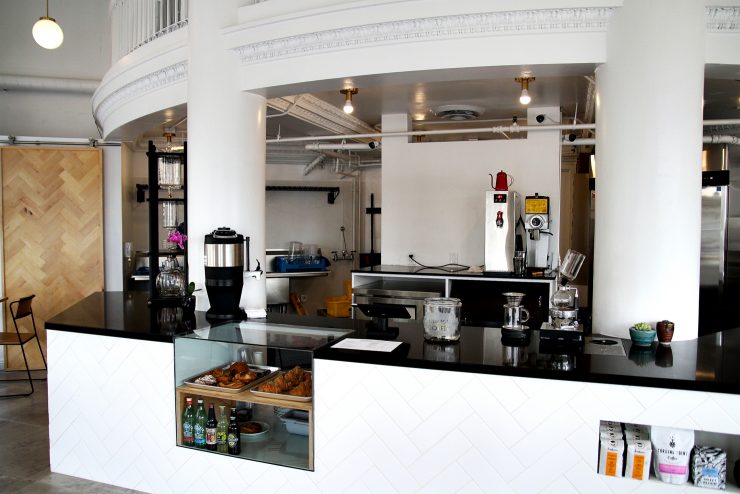
highlight coffee glendale california los angeles cafe sprudgeHighlight Coffee is a new shop brightening the heart of Glendale, northeast of Los Angeles proper. If you’ve been to Glendale, you may be familiar with the malls and shopping that many Angelenos venture there for. Surprisingly, though, despite its many stores and dining options, Glendale’s coffee scene has lagged behind.

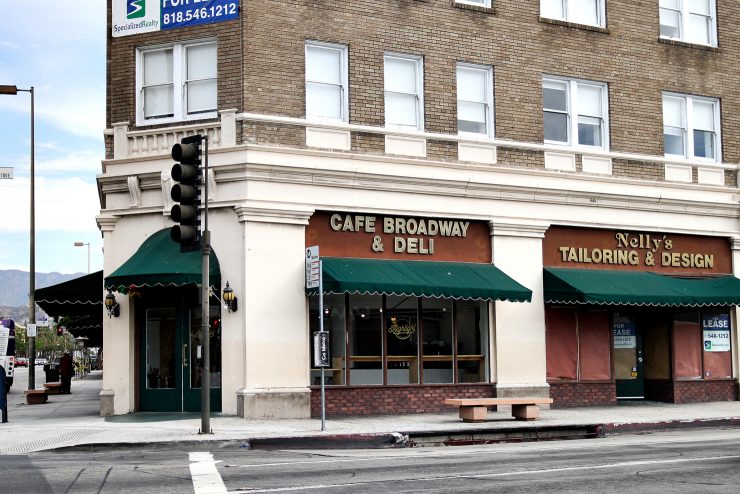
highlight coffee glendale california los angeles cafe sprudgeThe spot was opened by Demitasse alum Frank Kim, who’d been in the coffee business for three years before deciding to launch Highlight. “Glendale really was almost perfect, as there seems to be a huge amount of newer, younger professional residents moving in,” he says. “Also, it literally borders so many parts of LA.” Highlight sits on the ground floor of a historic, former hotel dating to 1925; now it’s an apartment building that sits on the corner of bustling East Broadway and Glendale Avenue, a few minutes’ walk from the popular Americana outdoor shopping center (as well as Glendale’s police house, a post office, and a mix of corporate and independent businesses). Aware of the area’s growing popularity, Kim says he sought to retain some of the small town charm of the building, calling it a “diamond in the rough.”

highlight coffee glendale california los angeles cafe sprudge

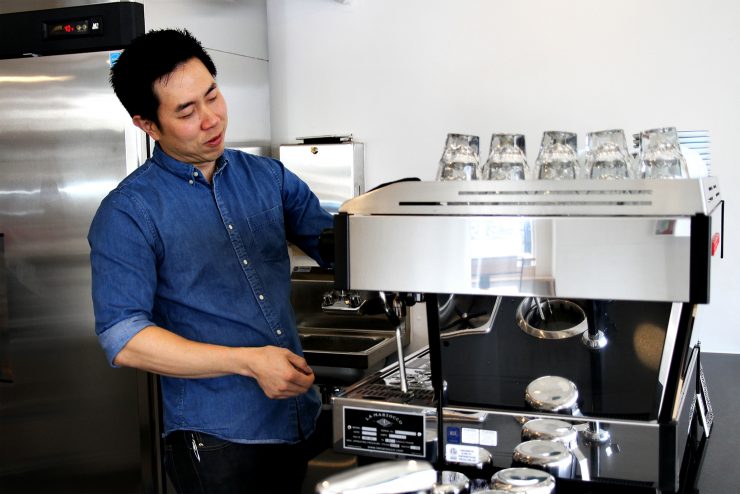
Frank Kim

Sitting on an angled corner makes Highlight an even more interesting—and challenging—space. Most of the design was done by Kim himself, with the help of architect Alan Lu. “The design was mostly dictated by the shape of the space, which is a hexagonal corner unit,” says Kim. “It’s tiny—a touch over 680 square feet. I really had to squeeze everything into every inch of the space.” Kim describes the design as “classic modern,” with solid colors and neutral, light-toned wood furniture to complement both the interior and the 1920s aspects of the building itself. Large windows add a sense of depth and openness, as well as allowing curious passersby to peer in to see the action.

highlight coffee glendale california los angeles cafe sprudge

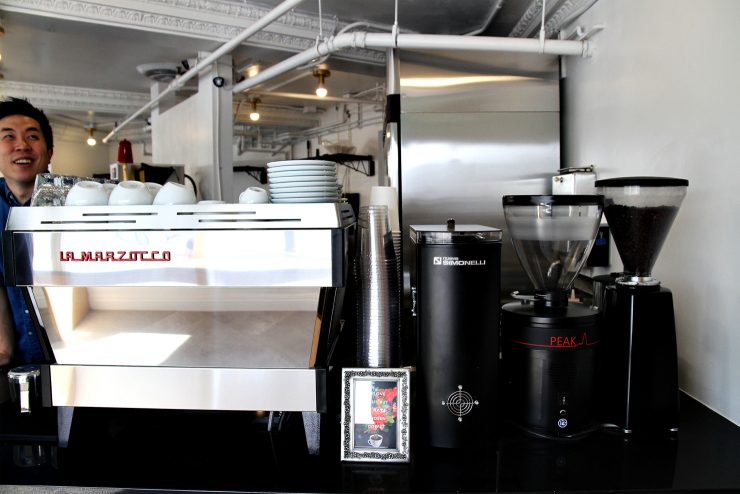
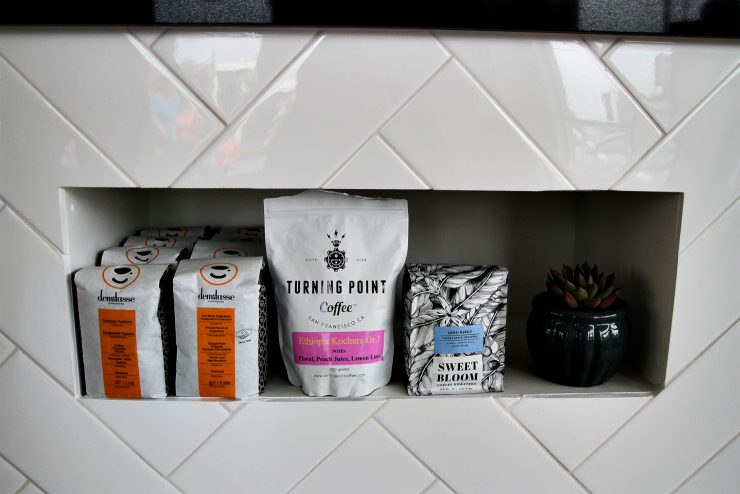
highlight coffee glendale california los angeles cafe sprudgeDespite the tight fit, Highlight’s coffee bar is well-equipped. For espresso, it has a two-group La Marzocco Linea PB teamed with a Nuova Simonelli Mythos One Clima-Pro and Mahlkönig PEAK grinders. The rest of the setup includes a Mahlkönig Kenia/Guatemala brew grinder and a Curtis Gemini G4 batch brewer and hot water tower. Options for manual brews include Kalita Wave and Hario Syphon. The multi-roaster supply currently consists of Demitasse, Turning Point Coffee from San Francisco, and Sweet Bloom Coffee from Colorado; tea is sourced from San Diego’s Mad Monk Tea. Pastries come from Downtown’s Bread Lounge, with additional sweets like cookies and pies made by a small cottage baker, Emily Broadbent of Sweet & Divine by Emmaline.

highlight coffee glendale california los angeles cafe sprudge

Highlighting Demitasse, Turning Point, and Sweet Bloom coffees.

Since Kim is just getting used to running his own shop, it’s all about taking things slow and doing them right. Being a new spot in an area not used to specialty coffee “keeps me on my toes to keep my standards as high as possible,” he says. He hopes to start a lunch program offering grilled cheese and soup, and develop more coffee specials like the house-made butterscotch latte that’s available now. Small-batch ice cream is also a possibility, which would allow the addition of affogato to the menu. But one of the more exciting ways Highlight is setting itself up to succeed is simply by staying open till 9 p.m., in an area where most other businesses close earlier. Glendale is not only finally getting good coffee, but also a place to meet up and hang out.

Highlight Coffee is located at 701 East Broadway, Glendale, California. Visit their official website and follow them on Facebook and Instagram.

Tatiana Ernst (@TatianaErnst) is a Sprudge staff writer based in Los Angeles. Read more Tatiana Ernst on Sprudge.

The post Highlight Coffee Does It Right In Glendale—Yes, Glendale appeared first on Sprudge.


from RSSMix.com Mix ID 8200593 http://sprudge.com/highlight-coffee-109259.html

¿Agregar Azúcar al Café Es Realmente Malo?

Levanta la mano si alguna vez te has sentido nervioso cuando vas a ordenar un café. Nosotros, los baristas de especialidad a veces somos muy taciturnos, especialmente cuando se trata de ciertas órdenes de “cafés malos”. Y lo peor de esto lo que hará extremadamente difícil mirar a tu barista a los ojos, es agregar azúcar a tu café.

Pero, ¿Es tan malo endulzarlo un poquito? Yo no lo haría, pero tampoco juzgo a un cliente que lo haga.

English Version: Is Adding Sugar to Coffee Really That Bad?

no sugar to coffee

Azúcar en el café es un tema conflictivo. Crédito: Visitor7 via Wikimedia, CCO

¿Qué es lo Malo del Azúcar?

Antes de que entremos en detalle, veamos porque el azúcar es tan polémico. El café no se hace en minutos. Se hace en días, meses e incluso años de arduo trabajo. Y esto es en particular para el café de especialidad.

En la especialidad, cada paso de la cadena de suministro está enfocada en brindar los mejores sabores posibles del café. Además, esos sabores son únicos. Se crearon a través de la variedad de café, el suelo en el que fue sembrado, el uso de fertilizantes (orgánicos o no), la cantidad de sombra, la altura, el proceso, entre otros. Luego el tostador elige un perfil de tueste el cual él cree que va a destacar los mejores sabores de esos granos. El dueño de la tienda de café y barista líder desarrolla una receta que resalta aún más esas notas.

Y azúcar, esto no solo hace el café más dulce, opaca algunas de las notas más delicadas, cambia el balance del sabor.

Ante los ojos de un barista,  el café es perfecto. Pero una vez hayas agregado azúcar, ya no es la misma bebida. Aunque ésta es tan solo la historia del barista, ¿Qué me dices del consumidor?

cafe con azucar

Adicionar azúcar al café es un tema polémico.

El Sabor en la Mente del Consumidor

Algunos dicen que el café es una ciencia, otros dicen que es un arte. Yo creo que es ambos. Me gusta compararlo con el arte porque nos referimos de la misma manera. Por ejemplo, no tengo problema al apreciar la Mona Lisa. Sin embargo, si tuviera que comentar algo acerca de la obra Woman de Willem de Kooning, tengo que decir que lastima mis ojos.

Pero no soy experto.

monalisa

Izquierda: Mona Lisa de Leonardo Da Vinci – Derecha: Woman I de Willem de Kooning

El café como el arte, la comida o la música es una preferencia, algunos cafés son como la Mona Lisa – hermosa a nivel universal. Y otros son como Woman I, tienes que entender del tema para apreciarlo.

Nuevamente, así como el arte, el café tiene unos atributos apreciados universalmente, pero en mi opinión, es cuestión de cada individuo elegir qué café quiere consumir.

Te Puede Interesar: Por qué las Tiendas de Café Deberían Cobrar Más Por el Café Descafeinado

Avergonzar por Usarla: No Aporta Nada

Le pregunté a Anthony Rue, juez del Campeonato Mundial de Barismo y dueño de Volta Coffee, Tea & Chocolate, acerca del azúcar.

“Primero, pienso que la mayoría de la gente no ha tenido la experiencia de probar un café dulce, limpio y que haya sido debidamente preparado” me dice. “Su único marco de referencia es que el café necesita azúcar… dicho esto, he visto de primera mano que la “avergonzar por su uso” solo genera resentimiento. Un cliente incómodo no será un cliente que quiera regresar.”

Nuestro trabajo es servir al cliente el mejor café que podamos y no juzgarlo.

cafe con azucar

El azúcar enmascara otros sabores del café.

¿Podremos Intervenir?

Eso no quiere decir que no podamos sugerir amablemente a los amantes del azúcar que prueben primero el café sin este ingrediente. Yo siempre sugiero probarlo y luego decidir si agregar o no endulzantes. Probamos la comida antes de agregar sal, entonces, ¿Por qué no adoptar la misma política?

La política de Anthony Rue de no avergonzarse por el azúcar, le funciona bien. “Hacemos el mejor café y espresso que podemos y confiamos en nuestros clientes. Algunos siempre van a adicionar azúcar a sus bebidas y no hay forma de cambiar ese hábito. Pero si tienes clientes regulares,  mucho van a poner menos azúcar a las bebida con el tiempo. No hay un día que no tengamos un cliente que nos diga que ya no necesita agregar azúcar a su café cuando están en nuestra tienda.”

Baristocrats, una barra de café ambulante, tiene otro enfoque. El Co-fundador, Vincent Rikken me dice que en los eventos, esconde el azúcar. Si alguien pregunta, le dan un mapa del tesoro que los guía para encontrarla. El proceso diseñado detrás de esto es para hacer que la gente piense en el azúcar en lugar de adicionarla a su café como un hábito.

Esconder el azúcar o hacer que los clientes la busquen, puede que los avergüence de pedirla, así que piensa bien antes de adoptar estas políticas. Pero si se hace sin querer juzgar y de una forma divertida, hay el potencial de que sea un punto de partida de una conversación acerca del azúcar.

coffee cup

¿Puede ser un compromiso el probar antes de adicionar azúcar?

Muchos profesionales en el café se sienten un pellizco en su corazón arrugado cada vez que los clientes preguntan por azúcar. Pero no hay porque juzgar a alguien por la forma en que disfruta su café. Todos apreciamos el café de diferentes formas.

Eso no significa que no podremos sugerir probar el café antes de agregar azúcar. Y si un cliente lo hace, pienso que está  felizmente satisfecho.

Escrito por Arno Quinton.

Traducido por Angie Molina Ospina y Editado por Karla Ly

Todas los puntos de vista de este artículo de opinión, pertenecen al escritor y no reflejan el punto de vista de Perfect Daily Grind. Perfect Daily Grind cree en debatir temas actuales con la industria y por eso representa las opiniones de todas las partes.

¿Quieres Seguir Leyendo Artículos Como Este? ¡Suscríbete Aquí!

The post ¿Agregar Azúcar al Café Es Realmente Malo? appeared first on Perfect Daily Grind.


from RSSMix.com Mix ID 8200593 https://www.perfectdailygrind.com/2017/02/agregar-azucar-al-cafe-es-realmente-malo/

Sunday, February 26, 2017

How Local Baristas & Roasters Are Pushing Slovenia’s Third Wave

Slovenia’s coffee scene is a blend of Italian espresso, Balkan cezve/ibrik, and a small amount of specialty. But specialty is growing – and nowhere was that more evident than at the country’s first ever specialty coffee festival, held this month.

Read on to discover what makes Slovenia’s coffee scene so distinctive, who’s pushing the third wave, and what went down at Stow Coffee Festival 2017.

SEE ALSO: Specialty Coffee in Slovenia: From the Cezve to the Brew Bar

slovenia coffee festival

Coffee Source, from Prague, at the espresso bar at STOW Coffee Festival. Credit: Blaž Ferlič

Slovenia’s Coffee Scene

Slovenia’s a small country surrounded by some of the traditional giants of coffee: Italy, the Turkish-coffee-drinking Balkans, and even Austria with its Viennese kaffeehaus. You’ll find Italian espressos, ibrik coffee, and more.

What’s more, you’ll find a lot of it: in 2013, we were the fourth-largest consumer of dry coffee per capita in the world (Euromonitor). At 6.1 kg a year, we consume almost double the amount that people in the US does.

However, we don’t consume as much specialty coffee as the US – or any of the other leaders in the third wave. Things are changing, though. We first saw specialty coffee appear a few years ago. Now there are more and more people opening specialty shops and introducing great-quality beans to consumers. These leaders are working towards better-quality coffee, and they’re hoping to attract the attention of people all over Slovenia.

So who are these people, and how are they doing that?

slovenia coffee festival

The sensory cupping table at the Stow Coffee Festival 2017. Credit: Blaž Ferlič

STOW Specialty Coffee Creates Slovenia’s First Festival

There are many people leading the way in promoting specialty coffee in Slovenia. And they all came together at STOW Coffee Festival, the country’s first specialty-focused one.

Aleš Turšič is a roaster at STOW Specialty Coffee, a café in the country’s capital of Ljubljana. He’s also the festival’s founder. He tells me he had three goals. First, he wanted to introduce specialty coffee to locals and tourists alike. Second, he wanted to raise awareness of Slovenia’s coffee scene. And finally, he just wanted to offer a great coffee experience to all coffee lovers.

Changing a long tradition of coffee consumption is a challenge. You need to not just make specialty coffee available, but also spread awareness of what it can offer. And STOW Coffee Festival offered attendees the chance to delve deeper into the topic of coffee. It brought some of the world’s best coffees and latest innovations to Ljubljana.

slovenia coffee festival

Taf was one of the guest coffees at STOW’s brew bar. Credit: Blaž Ferlič

STOW Coffee Festival: Education, Education, Education

There were many different activities at STOW Coffee Festival, yet they all focused on the same thing: educating visitors so that they could enjoy their coffee even more – no matter what level of knowledge they arrived with that day.

  • Brew Bars Teach Manual Brewing & Coffee Tasting

The heart of the festival was its two brew bars. The first one featured micro roasters from Slovenia and abroad, with their coffees available for tasting, evaluating and, most importantly, enjoying.

The second one also functioned as a workshop on manual brewing. With Chemex, V60, AeroPress, syphon, ibrik and ice drip coffee present, attendees could see taste the difference caused by brewing methods. What’s more, they were able to try their hand at all these methods, allowing them to learn in an expert-led environment.

The festival also featured Slovenia’s first AeroPress Championship, with the prize going to Damir Jusovic from STOW Speciality Coffee Shop. Keep an eye out for him at the 2017 World AeroPress Championship – we’re sure he’s going to inspire people all over Slovenia to try brewing with their own AeroPress.

slovenia coffee festival

Tadej Zakosek and Damir Jusovic compete in the finale of the AeroPress Championship. Credit: Anja Kozel

  • Espresso Bars & Latte Art Throwdowns

It wasn’t all manual brewing, however. With four different La Marzocco espresso bars, all featuring coffee from Slovenia, Prague, Vienna, Copenhagen, Zagreb, and more, attendees could try their fair share of espresso.

slovenia coffee festival

One of the pours from the Barista Battle Challenge finale. Credit: Blaž Ferlič

What’s more, there were latte art workshops and a latte art throwdown on the final day of the festival. There was also a Barista Battle Championship, a multidisciplinary competition featuring signature drinks rounds and more. Matija Matijasko and Sandra Pasic won these two competitions respectively. We’re looking forward to seeing how they continue to lead the way in Slovenia’s developing coffee scene.

slovenia coffee festival

A signature drink is poured in the Barista Battle Challenge. Credit: Blaž Ferlič

  • The Sensory Cupping Table

The sensory cupping table gave everybody the opportunity to not just compare brewing methods, but also cup coffee. This allowed them to fully engage with the tastes and aromas of rare and exotic coffees. Some of them were experimentally processed, through innovations such as lactic fermentation. Finca Lerida, Rusty’s Hawaiian Farm, Coffea Diversa, Ninety Plus, Falcon Coffees, Panama Varietals, and many more were on the table.

slovenia coffee festival

Coffee from La Palma Y El Tucán was cupped at the festival. Credit: Blaž Ferlič

  • Thought-Provoking Lectures

Then there were the talks. Simon Brown from Falcon Coffees talked about sourcing Bolivian and Honduran coffee. Patrik Rolf Karlsson of April Coffee Roasters gave a stand-out lecture on the idea that “there is no perfect coffee, only different kinds of coffee to suit different kinds of people”. His message reminded people that what matters most is the enjoyment of the beverage itself.

slovenia coffee festival

Patrik Rolf Karlsson talks about what makes “good coffee”. Credit: Blaž Ferlič

And Dr. Samo Smrke of ZHAW Zurich University of Applied Sciences discussed the importance of water. He presented his research findings, and afterwards attendees participated in another cupping session: coffees brewed with different types of water.

slovenia coffee festival

Dr. Samo Smrke leads a cupping of coffees prepared with different types of water. Credit: Blaž Ferlič

Slovenia is a country of enthusiastic coffee drinkers, but they typically reach for an Italian espresso or Turkish coffee before they do a V60. People like Aleš Turšič and Peter Sevic are changing that, however. They’re bringing specialty coffee to the attention of the average Slovenian – and they’re doing so in accessible, engaging, and highly public ways.

If you ask me, this country’s future is only going to hold more third wave coffee. Watch this space.

Written by  Stow Company

Perfect Daily Grind is not affiliated with any of the individuals or bodies mentioned in this article, and cannot directly endorse them.

Want to read more articles like this? Sign up to our newsletter!

The post How Local Baristas & Roasters Are Pushing Slovenia’s Third Wave appeared first on Perfect Daily Grind.


from RSSMix.com Mix ID 8200593 https://www.perfectdailygrind.com/2017/02/local-baristas-roasters-pushing-slovenias-third-wave/

Saturday, February 25, 2017

Clandestino Café e Música: Um Café com Inspiração Nórdica em Brasília

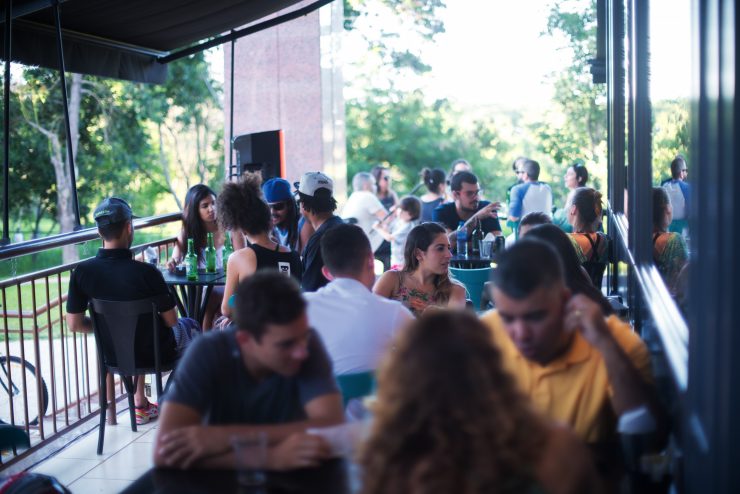
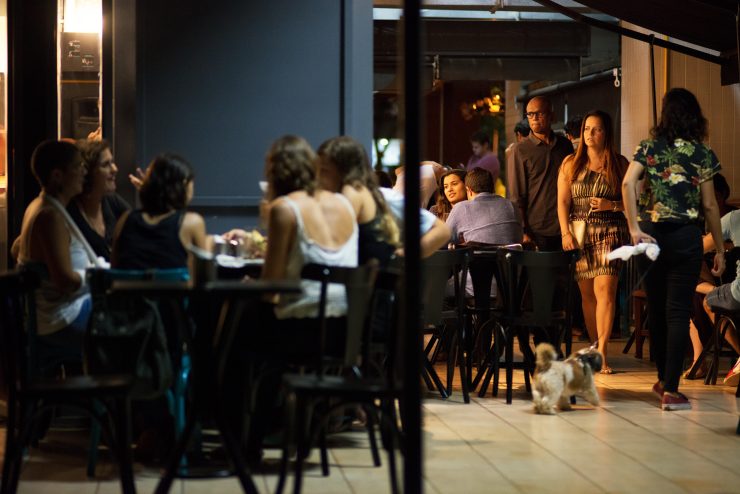
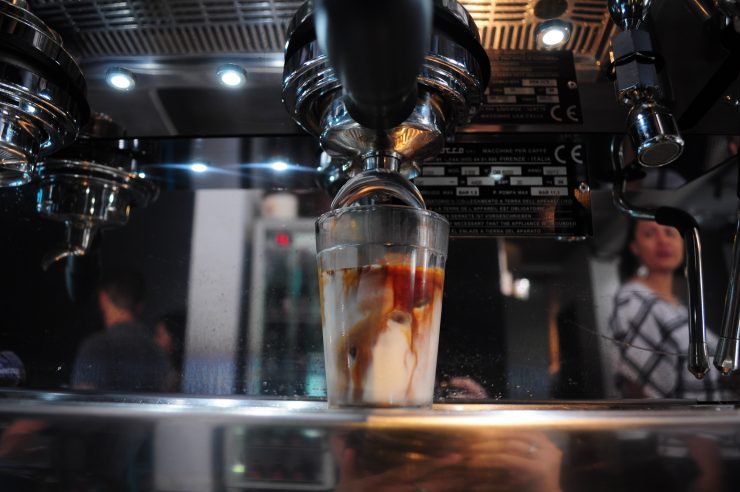
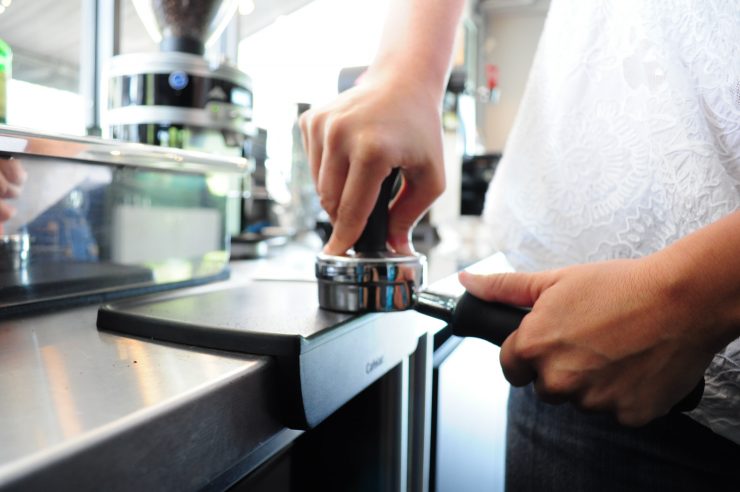
Sprudge-CafeClandestino-JulianaGanan-BSB_Coffee_Shops_Guide_clandestino_Tatiana-Medeiros_03 Rodrigo Balduino, Liana David, e Carolina Balduino abriram o Clandestino Café e Música em agosto de 2014, mas o plano do negócio já estava na ativa há anos. Liana e Carolina eram sócias em um restaurante na capital, mas já haviam começado a fazer cursos sobre café no Coffee Lab, em São Paulo, com a intenção de futuramente abrir um café. Rodrigo, irmão de Carolina, estava morando em Barcelona na época, e lá já tinha em mente fazer um evento de música recorrente e clandestino. Quando Rodrigo se mudou de volta ao Brasil, os três perceberam que podiam unir seus planos – daí nasceu a ideia do Clandestino Café e Música. A inspiração do nome do café, e do sentimento por trás do negócio, veio do conto de Clarice Lispector “Felicidade Clandestina”. O estilo lembra os distantes cafés nordicos: design limpo, sóbrio e ao mesmo tempo elegante. O trio optou por colocar a bancada do café contra uma das paredes, de maneira que todos os clientes que entram tenham acesso a ela. Liana e Rodrigo contam que quando eles abriram, Brasilienses ainda não eram muito próximos do conceito de café especial, e o balcão aberto foi uma maneira de aproximá-los desse mundo. clandestino cafe e musica brasilia brazil coffee shop multi roaster sprudge A localização do café é perfeita – na Asa Norte, ao lado do tranquilo Parque Olhos D’Água. A vegetação típica do Cerrado é preservada no parque, e ainda se encontram árvores da época que o parque era cultivado, como bananeiras, mangueiras e figueiras. Liana e Rodrigo ressaltam que a 413 Norte (o quarteirão onde o Clandestino se encontra) está se tornando um polo gastrônomico informal, com muitas opções pra comer ao redor. Muitos dos clientes param no Clandestino para um espresso depois de ter almoçado em algum desses lugares. Estudantes da UnB também são assíduos – o campus fica a minutos dali. clandestino cafe e musica brasilia brazil coffee shop multi roaster sprudge A música tem papel central no Clandestino – Rodrigo faz a curadoria da playlist do local, e produz vários eventos musicais, semanais e mensais, no café. Liana e Rodrigo contam que nos finais de semana eles têm picos de movimento, e é também o período onde acontecem os eventos de música ao vivo. Carolina traz sua experiência culinária ao menu do Clandestino, que tem opções salgadas e doces, sempre sasonais – de acordo com a disponibilidade de ingredientes da época. Um dos itens mais pedidos é a tapioca com queijo coalho e melaço de cana. Tapioca vai muito bem um café filtrado, uma boa opção para um café da manhã farto e sem gluten. Uma opção mais doce, que também sai muito, é o Nougat Glacé, um doce francês feito de frutas secas que vem servido com um pequenino shot de espresso ao lado. clandestino cafe e musica brasilia brazil coffee shop multi roaster sprudgeclandestino cafe e musica brasilia brazil coffee shop multi roaster sprudge O Clandestino trabalha com várias torrefações. Quando eu visitei, havia café da 4 Beans Coffee Company, Isso é Café, e do Pereira Villela disponíveis como filtrado (Hario V60), AeroPress e prensa francesa. Todas estas opções são preparadas na mesa pelo barista, na frente do cliente. O espresso, que vem em um xícara sobre uma bonita peça de ardósia, varia de acordo com o torrefador do momento. Os baristas são bem treinados e podem chegar a treinar até por 4 meses antes de tocar na La Marzocco FB80. Para os coffee geeks, o Clandestino também tem à venda diversos equipamentos para café, e Liana e Rodrigo sempre estão disponíveis pra conversar com os clientes sobre como fazer café em casa. Eles me contaram, felizes, que a demanda por café em grãos cresce a cada dia, e alguns clientes até ligam e pedem pra reservar quando o café preferido deles chega na loja. Os sócios acreditam que em breve o público de Brasília vai ficar ainda mais especializado em café, como o de Curitiba, por exemplo. Eles reconhecem a importância de outros cafés abrindo na capital, e dizem que todos são parte de uma rede amiga – muitas vezes, quando um deles fica sem café, liga pra outro deles pedindo pacotes de grãos “emprestados”. A prática é corriqueira e sempre dá certo entre eles. clandestino cafe e musica brasilia brazil coffee shop multi roaster sprudge O Clandestino é o lugar para se ter uma trégua dos ares políticos de Brasília, e tomar um espresso olhando pro parque – tudo isso ao som de boa música.
O Clandestino Café e Música fica na CLN 413, Bloco D, em Brasília. Siga o Clandestino no Facebook e no Instagram.

Juliana Ganan trabalha com cafés especiais e escreve sobre café. Leia mais artigos de Juliana Ganan na Sprudge.

The post Clandestino Café e Música: Um Café com Inspiração Nórdica em Brasília appeared first on Sprudge.


from RSSMix.com Mix ID 8200593 http://sprudge.com/clandestino-cafe-e-musica-um-cafe-com-inspiracao-nordica-em-brasilia-116170.html

Friday, February 24, 2017

Por Qué los Amantes del Café deberían ser voluntarios alguna vez (o más)

Dublín 2016 fue mi tercera experiencia como voluntario con World of Coffee, lo cual es algo valioso, inspirador y divertido como todas las veces.

Te animo a ser voluntario en los eventos, ya sea grande o pequeño. A continuación el porqué.

English Version: Why All Coffee Lovers Should Volunteer Once (or More!)

Cómo empecé a ser voluntario

En 2014, fui voluntario en la barra de espresso de World of Coffee Rimini durante tres días, en donde también era barista de calibrage.

En 2015, fui voluntario en la barra de filtrados de World of Coffee Gothenburg, lo cual me brindó la oportunidad de experimentar con nuevos métodos de extracción, y trabajar con algunos de los mejores tostadores del mundo.

En 2016, decidí ir más allá, me convertí en asistente manager en la zona Brewers Cup Championship. Para poder hacerlo, le escribí directamente a los organizadores quienes me entrevistaron por Skype.

También logré ser voluntario mediodía en Re:co Symposium preparando café para  personas muy importantes del mundo de la industria. Apliqué gracias a una publicación de Instagram, el único requisito era que los que aplicaban debían ser baristas sociables y con experiencia.

En resumen, todo lo que debes hacer es aplicar, y para a llegar a un cargo de liderazgo, como para cualquier trabajo, sólo necesitas seguir construyendo tu experiencia y conocimiento.

barista

Ser voluntario te hará feliz.

Mi Experiencia para World of Coffee en Dublín

En Re:Co, eramos 10 voluntarios para los “breaks” se café, las pausas entre cada conferencia. Nos ubicaron en tres zonas: la zona de cold brew, la barra de filtrados y la zona sensorial.

La zona sensorial era donde se presentaba el nuevo World Coffee Research Lexicon en donde se podían probar los sabores de la rueda de sabores como también cervezas irlandesas artesanales y leches. Este último era especialmente interesante, ya que le permitía a los visitantes ver cómo la leche puede aportar su propio perfil a el café.

Con relación a mi experiencia en el Brewers Cup (competencia de filtrados), trabajé tanto en la parte tras bastidores de las zonas de preparación como en la barra abierta de café para los competidores. Como asistente de dirección, tuve que ayudar a mi director Adam a que todo funcionara perfectamente. Siempre estábamos ocupados trabajando y entrenando con el molino del patrocinador y compartiendo café.

 campeonato de barismo

Es muy probable que aprendas algo nuevo cuando participas como voluntario.

¿Por qué ser Voluntario?

A continuación las razones del porque ser voluntario. Conocí a los campeones de diferentes países. Ví el entrenamiento tras bastidores de los equipos y sus entrenadores. Tomé de los mejores cafés del mundo, este último fue el que hizo que todo valiera la pena.

Cuando regresé a San Petersburgo, adquirí nuevos conocimientos, habilidades y motivación. Lo utilicé para llevar a cabo una catación en Mad Espresso Team, en San Petersburgo. Me siento mucho más inspirado para fomentar la cultura de café en Rusia.

No tengo la menor duda de que tu también deberías ser voluntario.

dublin 2016

Muestra de lo que estás hecho mientras trabajas como voluntario en un evento de café.

Dónde puedes Ser Voluntario

Existen muchos eventos y empresas de café que buscan voluntarios, existe la SCAE, la SCAA y Barista Camp, sin mencionar los voluntariados e internados que facilita Perfect Daily Grind.

Busca a través de las redes sociales, y sigue las publicaciones de World Coffee Events, recuerda que gracias a una publicación en Instagram tuve la oportunidad de ser voluntario de Re:co. También te puedes registrar como voluntario en los sitios web de la SCAA y la SCAE UK.

No olvides que existen un montón de eventos locales, estos pueden ser muy útiles para aquellos que no tienen tiempo para viajar a otros lugares. Me refiero a la competencia nacional de baristas o a tu café preferido para una competencia de latteart. Pregunta en las tiendas de café cerca para encontrar más oportunidades.

Al ser voluntario o con simplemente visitar, te darás cuenta de que los eventos de café te abren la perspectiva a nuevas formas de pensar, de conocer nuevas personas y nuevos cafés. Pero si eres voluntario y eres parte del equipo, fortalecerás tus relaciones y podrás adquirir nuevas habilidades y muchos buenos recuerdos.

Escrito por I. Sharipova

Traducido por Angie Molina y Editado por Karla Ly

PDG Español

¿Quieres Seguir Leyendo Artículos Como Este? ¡Suscríbete Aquí!

The post Por Qué los Amantes del Café deberían ser voluntarios alguna vez (o más) appeared first on Perfect Daily Grind.


from RSSMix.com Mix ID 8200593 https://www.perfectdailygrind.com/2017/02/por-que-los-amantes-del-cafe-deberian-ser-voluntarios-alguna-vez-o-mas/

Watch This Damn Fine Supercut Of Twin Peaks Coffee Scenes

twin-peaks-kyle-maclachlan

There’s no greater love song to diner coffee than David Lynch’s early 90’s mystery drama Twin Peaks (yes, I’m including Gilmore Girls. Deal with it). And no voice in that ballad is stronger than that of Special Agent Dale Cooper played by Kyle MacLachlin, and this supercut promoting the long awaited third season proves it.

Charged with solving the murder of Homecoming queen Laura Palmer in the sleepy town of Twin Peaks, Washington, out-of-town FBI Agent Cooper spends a good portion of his time sipping on some “damn fine coffee” at the local rusty spoon, the Double R Diner (which in real life is the unintentionally Lynchian Twede’s Cafe in North Bend, Washington, where the series was filmed). I don’t know that, in the entirety of my life, I’ve ever enjoyed a cup of coffee with the same untempered joy that Agent Cooper has, and it makes me feel incomplete.

Though as the video shows, it’s not just Agent Cooper who really enjoys a great (and frequent) cup of coffee. It’s pretty much the entire town. Which, when you have that much caffeine running through you system at any given moment, explains why the owls are not what they seem.

Twin Peaks returns for an 18 episode third season starting May 21st on Showtime.

[via IndieWire]

Zac Cadwalader is the news editor at Sprudge Media Network.

*top image via Digital Trends

The post Watch This Damn Fine Supercut Of Twin Peaks Coffee Scenes appeared first on Sprudge.


from RSSMix.com Mix ID 8200593 http://sprudge.com/watch-damn-fine-supercut-twin-peaks-coffee-scenes-116262.html