Wednesday, November 28, 2018

Sign Up Is Open For The 2018 Third Wave Wichteln

Third Wave Wichteln is back for another year of international coffee exchanging. Now in its sixth year, the Wichteln is a transcontinental specialty coffee Secret Santa, and registration is now open!

Third Wave Wichteln works like any holiday gift exchange, just on a much, much larger scale; last year’s saw over 2,000 people from 62 countries participate according to one of TWW’s founders Markus Reuter. Everyone who wants to participate puts their name in a hat—the hat being an online submission form in this case—and then those participants draw a name from the hat and that’s the person they need to buy a gift for. In this case, the name is assigned to you by TWW to make sure that everyone is receiving coffee from a different country than their own.

via Third Wave Wichteln

The gift must be specialty coffee and meet a specific criteria: no more than five days off roast at the time of shipment, no espresso roasts (filter only), no decaf, whole bean, and single origin. Then you just ship the coffee and wait for yours to come in the mail!

It’s just that easy. But also it’s not. Or is it? As should probably be expected from an international gifting program that relies on the honor system and fully functioning bureaucracies, there are catches.

For one, shipping can be expensive, often comprising more of the total cost than the coffee itself. In the United States, shipping a package internationally can cost roughly between $10-$50 depending on its destination. I spent somewhere around $30 to ship coffee to the Czech Republic in 2016.

The team at Third Wave Wichteln provides participants with information to ease shipping issues:

1. Use customs form CN22
2. Label the package as a gift
3. Specify “whole roasted coffee beans”
4. According to Reuter, “The shipping doesn’t have to be Express. Normal DHL or Fedex is fine. And sometimes it’s worth checking if there is a cheaper way to send just an envelope instead of a package.”

After you’re paired up with a mystery recipient and you’ve sent your package, the team at TWW doesn’t provide additional support to assist in tracking the package destined for you. It might show up, show up late, or not at all. For what its worth, I’ve always received my coffee. Sometimes it didn’t show up until February and ripped open by customs but ultimately none worse for the wear.

James Hoffmann, World Barista Champion, author, co-owner of Square Mile Coffee, and frequent TWW participant, tells Sprudge of his experience:

I’ve really enjoyed taking part in Third Wave Wichteln, since its inception. Maybe I’ve just been lucky, but I’ve received coffee from a roaster new to me every time and it’s been fun, as a roaster, to send through a few bonus bits to whoever has been my recipient too. I look forward to it every year!

It’s all part of the gift-giving gamble. Caveat emptor. I’ll be back for a fourth year because the coffees I get are always interesting. From a specialty-grade Robusta grown in India and roasted in Poland to a lovely washed Colombian coffee roasted in merry old England, I’ve yet to be disappointed by the coffee I received… eventually.

Enrollment for the 2018 Third Wave Wichteln is open until Friday, December 7th and sign up can be done here. For more information, visit their official website. And while you wait for your coffee, join the discussion going on over at the Third Wave Wichteln Facebook group. Happy gifting!

Zac Cadwalader is the news editor at Sprudge Media Network and a staff writer based in Dallas. Read more Zac Cadwalader on Sprudge.

The post Sign Up Is Open For The 2018 Third Wave Wichteln appeared first on Sprudge.


from RSSMix.com Mix ID 8200593 http://sprudge.com/sign-up-is-open-for-the-2018-third-wave-wichteln-138491.html

In Colorado Springs, Loyal Coffee Is Small In Focus But Grand In Execution

loyal coffee colorado springs colorado

loyal coffee colorado springs colorado

When you think of Colorado coffee, Denver is undoubtedly the first place to come to mind. With companies like Amethyst, Corvus, Commonwealth, Huckleberry, and Sweet Bloom, all of whom have made names for themselves nationally through competition, community work, and widespread presence in quality coffee bars, it’s natural to see the city as Colorado’s coffee epicenter. But if you let your mind wander about 70 miles south on I-25 to Colorado Springs, you’ll find another city making an argument.

Growing at a rapid clip, thanks in no small part to Denver’s own exponential expansion, The Springs is experiencing a coffee renaissance. With exciting new cafes recently opened and a homegrown finalist in the 2018 US Barista Championship, Colorado Springs is putting its name on the map. In the middle of all this is Loyal Coffee, a coffee shop and roaster that stays small in focus but grand in execution.

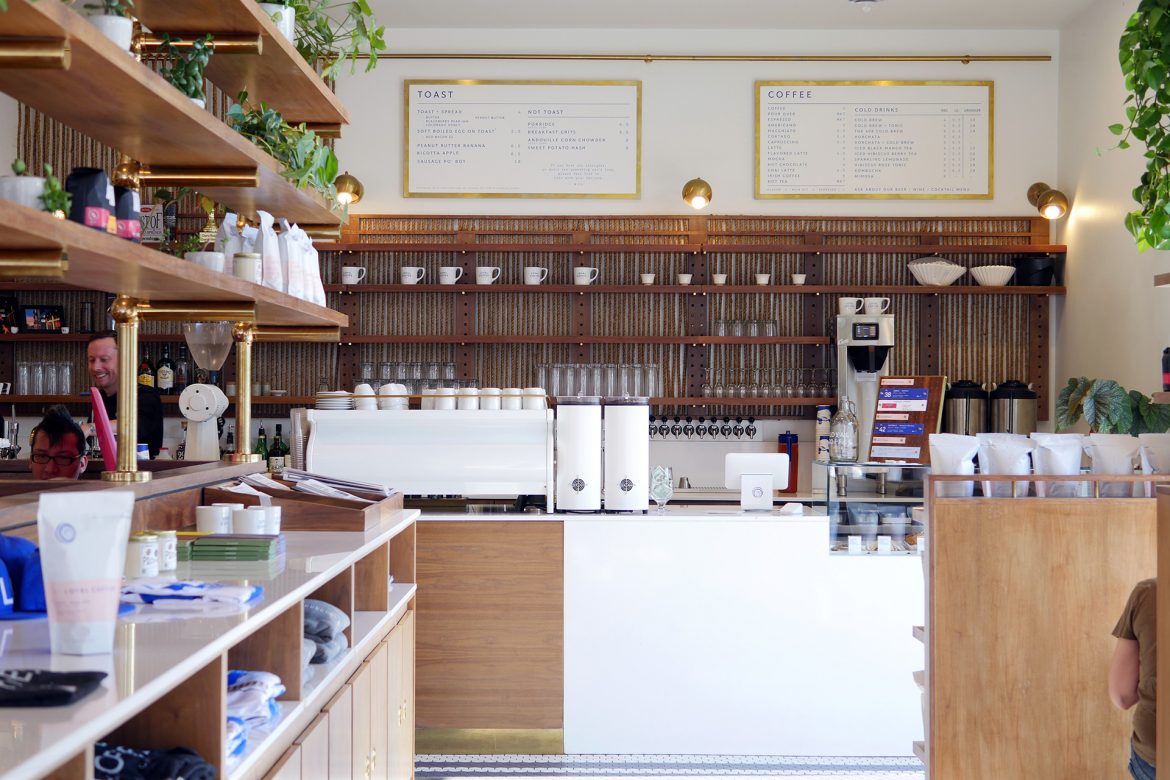
The product of six barista/co-owners—Eric Nicol (CEO), Abigail Baum (General Manager), Christopher Mueller (Operations Director), Bevan Cammell (Head Roaster), Seth Fuller (Head of Education), and Tyler Hill (Director of Guest Experience)—Loyal is one of those rare shops where a thoughtful, composed build-out is matched step-for-step by the quality of everything that comes out of it. Walking into Loyal, blue-grey tiles direct you through a sea of warm wood tones, clean whites, and mid-century-modern-esque gold accents towards the coffee bar—it, too, full of warm wood tones, clean whites, and mid-century-modern-esque gold accents. Lengths of rope stretch wrap decoratively overhead and behind the bar, adding to the natural palette in a way that feels rustic but still somehow very modern.

loyal coffee colorado springs colorado

loyal coffee colorado springs colorado

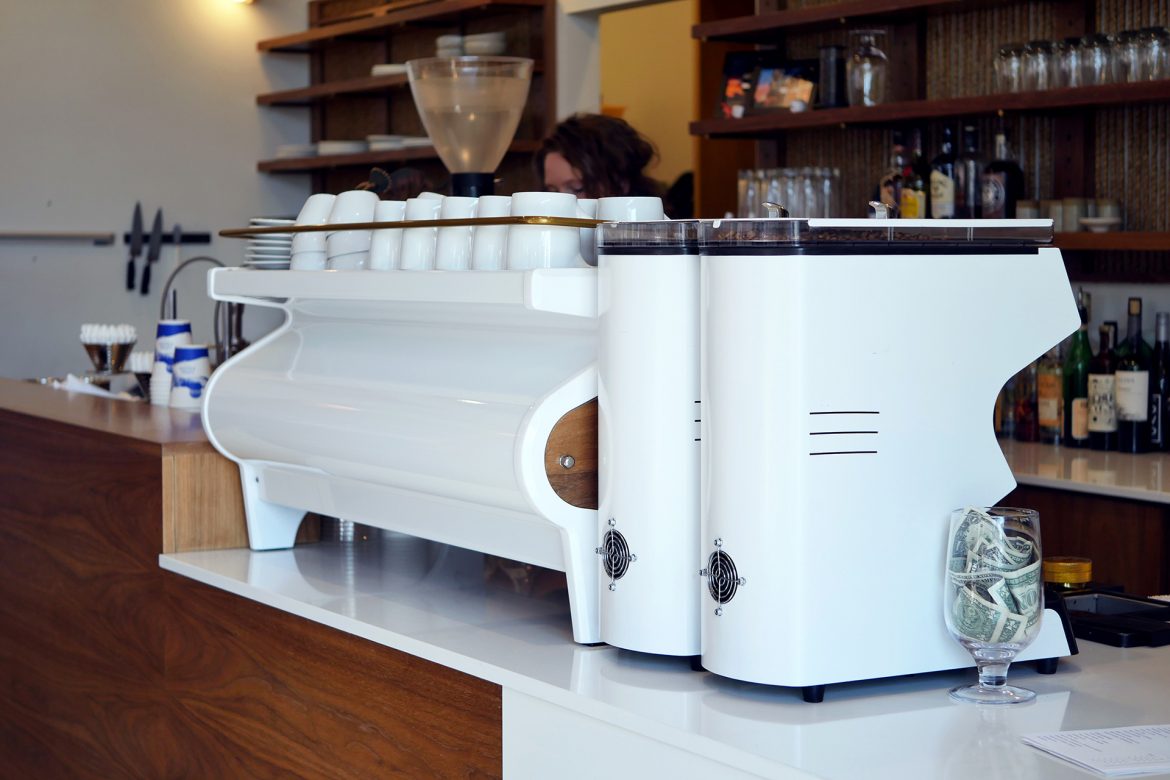
Atop the bar you’ll find a custom-finished white La Marzocco Strada and white Nuova Simonelli Mythos One Clima Pro grinders anchor the espresso station, serving both their own offerings as well as Madcap, originally Loyal’s roaster before they began roasting their own coffee. “We had always planned on having some other coffee alongside ours even when we knew we’d be roasting and wholesaling coffee,” Loyal’s Tyler Hill says. “To us it gives a great standard to shoot for. By serving Madcap in our cafe, it serves as inspiration and accountability to serve a similar product.”

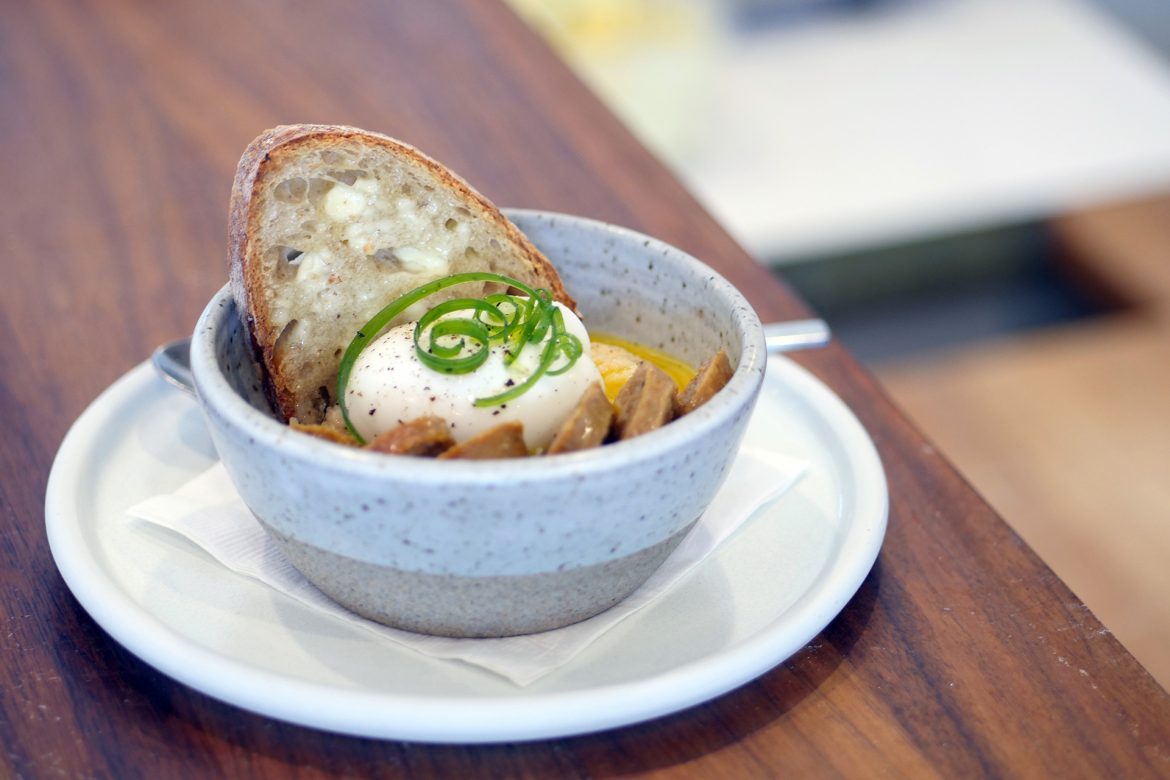
Moving left, Modbar pour-over modules and a Mahlkönig EK43 make up a slow bar, for guests willing to wait a bit for their brew. Further still, separated from the coffee area, Loyal’s small, open-air kitchen churns out a variety of toasts, porridges, and other breakfast-leaning dishes. Think ingredients like pear and ricotta, soft-boiled eggs, and even Andouille sausage served open-faced on rustic French breads from local bakery La Baguette.

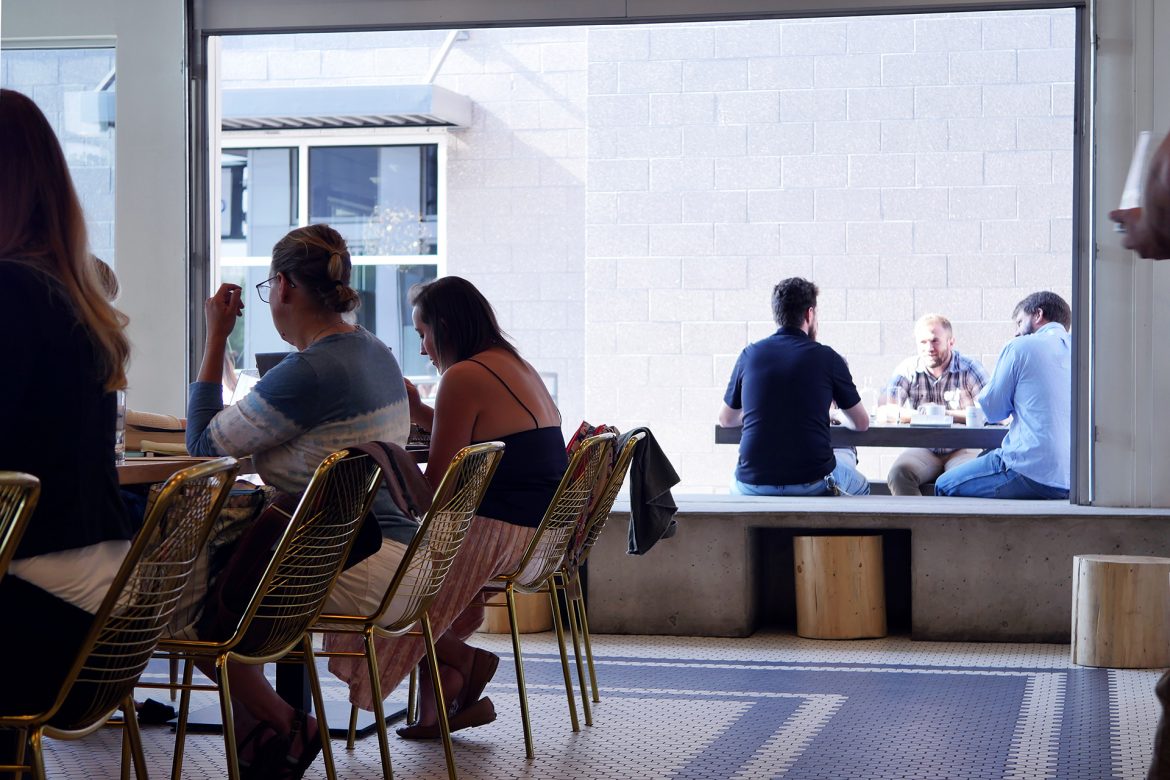
Follow the pathway left again and you’ll find all of Loyal’s seating—a mix of wooden tables and booths, concrete, and tree stump chairs—overlooks garage windows, open that day to let in some crisp morning air before Colorado’s dry summer heat takes over.

loyal coffee colorado springs colorado

loyal coffee colorado springs colorado

As is hinted at by that blue-grey line subconsciously guiding customers through the order of operations, everything at Loyal is intended to make the experience feel intuitive and relaxed, to take what could be overwhelming for some and uncomplicate it. This doesn’t mean sacrificing quality for expedience, but finding ways to meet customers where they are. For Loyal, this means being both modern specialty cafe and all-day hang out. It means good coffee quickly, like their incredible washed Mexico Jaltenango on batch brew during my visit that had me questioning my own preconceptions about what coffee from that origin can taste like. It means staying open late and shifting the focus to include cocktails, pre-made and on tap. High quality at high speeds; all splendor, no pomp.

“Our purpose is Community by way of Coffee,” Hill tells me. “We strive to use coffee as a means to engage, encourage, and elevate every community we interact with.”

loyal coffee colorado springs colorado

And it’s working. Hill remembers the first time he really felt like Loyal was the community space they had envisioned it being, and it came under inauspicious circumstances. “The vibe at Loyal is usually pretty loud and upbeat with lots of people and lots of conversations. But after the election it was very different,” Hill recounts. “While we serve and welcome guests who are all over the political spectrum, we serve a great deal of folks who didn’t wake up with joy in their hearts that day. It was very special to me that people who felt scared, nervous, or confused knew that they could grieve, chat, and find some sense of normality at Loyal.” Hill goes on to mention how much of the coffee served that day was gratis, a small way of being there for the community that knows Loyal is there for them.

With plans for a second location already in the works, it’s clear that Loyal has struck a chord their city, and they have done so in a way that feels true to who they are and where they are from. It’s not a shop that is trying to be a Portland cafe, or Los Angeles or Denver even, though they could make a name for themselves in these cities just as easily; Loyal is a shop that keeps its focus on its community and serving coffee within the framework that works specifically for the people of Colorado Springs. And somewhat ironically, they are making a name for themselves nationally because of it.

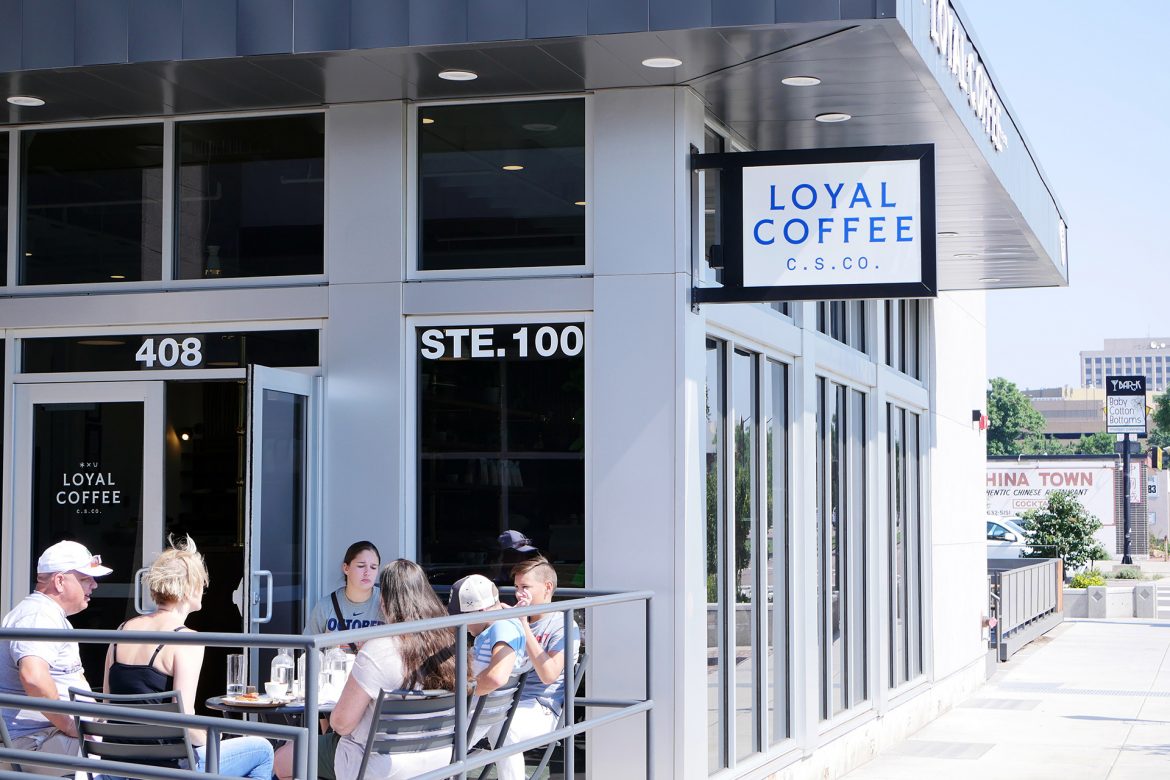
Loyal Coffee is located at 408 S. Nevada Ave, Colorado Springs. Visit their official website and follow them on Facebook, Twitter, and Instagram.

Zac Cadwalader is the news editor at Sprudge Media Network and a staff writer based in Dallas. Read more Zac Cadwalader on Sprudge.

The post In Colorado Springs, Loyal Coffee Is Small In Focus But Grand In Execution appeared first on Sprudge.


from RSSMix.com Mix ID 8200593 http://sprudge.com/in-colorado-springs-loyal-coffee-is-small-in-focus-but-grand-in-execution-135906.html

Exploring The Chinese Coffee Industry, From Roasters to Consumers

“Made in China.” It’s not a hard phrase to come across. But “Roasted in China”? That’s a different story.

China’s coffee market has been drawing global attention. Starbucks’ recent plan to open 3,000 new shops over the next five years is just one of many developments highlighting China as a rising coffee-consuming country. Yet even so, not much is known internationally about the country’s coffee roasting and consumption industry.

So, I spoke to Peter Radosevich, International Sales Team Leader at Royal Coffee, about selling and roasting coffee in China – and what impact that could have globally.

You might also like Smoking Hot: Why Is The Korean Home Roasting Scene Taking Off?

view of the great wall of china

The Great Wall of China. Credit: Hanson Lu

Coffee Consumption in China

Let’s first understand the country’s coffee consumers.

The US Department of Agriculture’s 2018 report on the coffee market shows that the Chinese domestic consumption of coffee has almost doubled over the past four years. While the number hovers at around just 10% and 15% of the current consumption in the European Union and the US respectively, the potential for the Chinese market is huge.

In fact, many multinational companies have recently made large investments. Peter tells me that Luckin Coffee raised over 1 Billion RMB (roughly US $144 million/€126 million) early this year in order to compete with Starbucks in the retail coffee space. A significant amount of that funding is coming from Singapore. Canada’s Tim Hortons also plans to open more than 1,500 stores, while British chain Costa Coffee plans to roughly triple its number of Chinese stores by 2022.

Peter tells me that Chinese coffee consumption has been rapidly evolving, with a growing awareness of quality. However, the local coffee culture is still different from what you’ll find in countries such as the US. For instance, people rarely grind and brew coffee at home.

According to Peter, “instant coffee still makes up the vast majority of consumption” – something that is common in many traditional tea cultures, including the UK.

latte served on wooden table

Espresso-based drinks in a coffee shop. Credit: Blake Wisz

A Taste For Sweeter Roasts

But as the Chinese thirst for coffee grows, what kinds of drinks are people opting for?

Peter explains that there is a generational difference. Older consumers tend to prefer low-acid coffees with bigger bodies, such as a Sumatra Mandheling. Younger consumers with exposure to third wave roasters, on the other hand, may enjoy lighter roasts with their generally more acidic profile.

He also mentions that Chinese consumers often prefer sweet and clean coffees, for now. “Current preferences will certainly shift as domestic specialty coffee shops or commercial chains open and consumers’ knowledge continues to grow.”

Moreover, he tells me that Taiwanese, Korean, and Japanese specialty coffee cultures also influence the Chinese coffee industry.  “Top USA brands like Blue Bottle, Intelligencia, etc. still carry weight and cachet,” he says. “However, more of the companies and professionals from places like Taiwan and Korea come to do trainings and open businesses.”

As a result of this, for example, “many specialty roasters still pick out most or all post-roast defects by hand to ensure cleaner cups (unheard of when contrasted with many USA roasters).”

roasted coffee beans being weighed

Weighing roasted coffee beans on a scale. Credit: Maria Fernanda Gonzalez

Who Roasts The Coffee?

While China’s coffee market is growing, most of what people are brewing and drinking is actually roasted abroad.

According to the USDA report, China is forecast to import 48 million kilograms of roasted and ground coffee in 2018/19. This is a huge increase from around just 5.6 million kilograms in 2013/14.

However, China is also forecast to import 120 million kilograms of soluble coffee in 2018/19. This is another significant increase from 41 million kilograms in 2013/14.

And China’s green bean imports are negligible, not even listed in the report. In contrast, in the same report, the United States is forecast to import 1.6 billion kilograms of green bean coffee, and only about 12 million kilograms of roasted and ground coffee, in 2018/19.

In other words, in the US, only 2% of the coffee that comes into the country does so as roasted, ground, or soluble coffee, while almost 66% of the total Chinese coffee demand is met by imported roasted, ground, or soluble coffee.

Peter’s experiences support this data. “While there are stories every day about the rise of specialty coffee in China, the reality is that the majority of consumption is still instant and lower-grade coffee. Much of China’s imported coffee is lower-grade Vietnam Robusta.”

coffee falling on cooling pan after being roasted

Coffee pours into the cooling pan after being roasted.

What About Chinese Roasters?

There are few roasters in China compared to in Western coffee-consuming countries. However, their number is growing.

Peter divides China’s roasteries into two types: large commercial-scale roasters and single-shop roasters. The large commercial-scale roasters are those that focus on providing roasted beans for instant coffee or big wholesale businesses. Single-shop roasters, on the other hand, are those that often aim for higher quality and roast on a small scale, normally for their own shops but occasionally also for a limited number of wholesale consumers. These roasteries will typically use a 500 g or 1 kg roaster.

The home roasting market is also showing a gradual growth in mainland China. Peter believes that it could have large potential, given similar trends in Taiwan.

An expansive online retail marketplace is also a unique feature of the Chinese roasting industry. Peter tells me that there are many roasting companies with little to no retail presence who focus solely on building their online following.

freshly roasted coffee in cooling pan

Snow Mountain Creamery in Xining, China, roasts, grinds, and brews their own coffee. Credit: Gregory Hayes

Challenges For Chinese Roasters

No matter where you are, operating a roastery is difficult. Understanding the changing needs of consumers, maintaining consistent quality, balancing supply with demand… There are many aspects to master. But Peter tells me that roasters in China face an additional set of challenges.

First, they need to obtain permits for roasting. “Difficulty in obtaining permits for roasting is currently one of the biggest issues for the Chinese roasting industry,” he says.

“In an attempt to maintain stricter environmental standards, the government has cracked down on the number of businesses allowed to produce emissions. [It] has become the most strict in the biggest Tier 1 cities [Beijing, Shanghai, Guangzhou, Shenzhen, and Tianjin], which are also home to the country’s biggest coffee consumers.

“With permits becoming more difficult to secure, many roasters have had to move their operations to more remote industrial areas outside of major population centers. In other cases, roasters will pay to use the facility of an already permitted roaster to order to avoid the arduous process of trying to secure a permit on their own. These difficulties have also caused some small roasters to operate under the radar without properly permitted operations.”

Secondly, Chinese roasters often face exorbitant equipment prices. Peter says that the exclusive distributorship arrangements that many major roasters and international equipment manufacturers have in China allow domestic companies to monopolize the market and hike up prices.

On top of this, he tells me that roasting education is not as easily accessible as in some countries. However, the coffee training market has a significant presence in China. “From looking at the CQI website that certifies Q graders, there are more certified Q Graders in Greater China than Indonesia, Brazil, Guatemala, Ethiopia, Vietnam, Honduras, Peru, Mexico, and Costa Rica combined,” he stresses.

“Does that mean China has more coffee expertise than all of those producing countries combined? Perhaps not, but it does indicate a level of interest in specialty coffee and likely bodes well for the industry.”

bag of yunnan coffee

A bag of Yunnan coffee designed for tourists.

Where Does Chinese-Grown Coffee Go?

China isn’t just a country of consumers; it also produces coffee. So, who drinks this coffee?

China has produced approximately 120 million kilos of green bean coffee each year from 2014 to 2018. Yunnan, where much of China’s coffee is grown, produces mainly Arabica coffee which is then exported to Europe. As Peter says, “specialty roasters on the mainland [China] use mostly imported coffees.”

Nevertheless, China’s growing roaster population can turn to its home-grown coffee for some advantages.

Peter tells me, “Much of the coffee imported into China has an 8% duty, not to mention the cost of transportation and other related import charges. If the quality and price of production from Yunnan get to be on par with producing countries… it could become a more widely used coffee among domestic roasters. Many already use a portion of Yunnan [coffee] to help keep costs down in certain espresso blends.

“However, specialty coffee in Yunnan still has a long way to go. There are still processing issues, and many of the highest-altitude areas most suitable for growing high-quality coffee also are coveted for tea.”

ripe and unripe coffee cherries on branch

Coffee cherries ripen on the branch. Credit: Clint McKoy

China’s Impact on Western Markets

Where is Chinese coffee heading? And like many things in our global society, will Chinese consumption trends affect how people in the US and Europe drink coffee?

The simple answer is: yes (to some degree).

Peter says that if Chinese coffee consumption continues to grow, it could have an extensive influence on global pricing and availability. While there’s a long way to go yet, “if China reached a point where it was drinking half as much coffee per capita as the USA, we would see a massive global supply squeeze for Arabica.

“Prices for the top 1% of Arabica beans would rise and competition for the best lots from top producing countries would increase as well.”

At this point, Chinese coffee consumption and roasting would have a significant impact on how we consume our morning beverage.

Until then, let’s keep an eye on this exciting new entrant to the global coffee industry.

Enjoyed this? Check out Russia’s Specialty Coffee Scene in Moscow & St. Petersburg

Written by Sunghee Tark.

Please note: This article has been sponsored by Royal Coffee, Inc.

Want to read more articles like this? Sign up for our newsletter!

The post Exploring The Chinese Coffee Industry, From Roasters to Consumers appeared first on Perfect Daily Grind.


from RSSMix.com Mix ID 8200593 https://www.perfectdailygrind.com/2018/11/exploring-the-chinese-coffee-industry-from-roasters-to-consumers/

Tuesday, November 27, 2018

Cursos De Capacitación En Café: ¿Una Buena Inversión?

Hay muchas maneras para mejorar tu conocimiento sobre el café: puedes ver tutoriales en YouTube, leer libros e información en línea, experimentar con los métodos de preparación, buscar mentores profesionales, y, por supuesto, una tradición que no se pierde con el tiempo: aprender mientras trabajas.

De hecho, al haber muchas maneras de aprender sobre el café, podrías preguntarte si una educación formal en café sea necesaria. ¿Y vale la pena la invertir en cursos certificados?

Hablé con Marcello Arcangeli, director de formación en Lavazza. Él no solamente es responsable de la capacitación interna en la empresa, sino que también ha supervisado la creación e implementación de programas de formación en el trabajo para los clientes más importantes de Lavazza. En marzo de 2018, obtuvo por parte de la SCA la certificación  como Premier Training Campus para el Lavazza Training Center, el cual abrió sus puertas en Turín en 1989.

Read this in English Why Formal Coffee Training & Courses Are an Investment

entrenador barista capacita al personal de una cafeteriaSesión de cata complementada con formación en protocolos de cata durante el PDG Micro Coffee Festival: Brasil

¿Qué Tipo De Capacitación Necesitan Realmente Los Profesionales Del Café?

Marcello dijo que, “la capacitación significa transferir a alguien el conocimiento. El conocimiento significa aprender y adquirir competencia. La competencia en una materia determinada es fundamental en cualquier tipo de negocio”.

En otras palabras, la capacitación es esencial para una carrera en el café. Pero, ¿qué y cómo deberían estudiar los profesionales del café?

Marcello cree que entre más conocimiento tengan todos en la industria, mejor podremos hacer nuestro trabajo. “Actualmente, incluso los productores deben conocer la cadena de suministro, de verdad, cómo se transformará su café”, me explicó.

“Para los tostadores y compradores de café”, añadió, “la capacitación y un análisis profundo son cruciales para elegir los mejores [cafés] del mundo, mezclarlos con sabiduría, y tostarlos de manera apropiada, para así destacar los sabores y aromas del café que tienen a disposición”.

¿Y para los baristas? Por supuesto, necesitan saber cómo preparar café con estándares excepcionalmente altos, cómo limpiar y realizar el mantenimiento adecuado a los equipos, y cómo ofrecer un muy buen servicio al cliente.

Pero el conocimiento acerca del producto que sirven, el impacto de las diferentes variedades, la elevación, los métodos de procesamiento, los perfiles de tueste , entre otros factores, también resultan útiles. ¿De qué otra manera pueden los baristas entender por qué necesitan cambiar la receta del espresso cuando se encuentran frente a un café colombiano descafeinado de tueste medio, en lugar de uno de Etiopía de tueste oscuro?

Y, tal vez, lo más importante, ¿cómo pueden transmitir ese conocimiento y pasión por el café de especialidad a los consumidores interesados en el tema? El conocimiento del producto es una parte fundamental del servicio al cliente.

¿Es posible aprender todo esto en el lugar de trabajo? Si, pero es algo ineficaz. Después de todo, son pocos los baristas jefes que tienen el tiempo de explicar el procesamiento del café o las variedades a sus nuevos colegas.

Cuando le pedí a Marcello su opinión acerca de la formación en el trabajo en comparación con la capacitación formal, me dijo que “una no excluye a la otra”. Para él, la educación formal es una oportunidad de adquirir conocimientos. La formación en el trabajo es la oportunidad para consolidar ese conocimiento.

“La práctica es igualmente importante”, enfatizó, “… [sin embargo], la práctica en sí no es suficiente, ya que no te brindará la oportunidad de crecer, evolucionar y, sobre todo, de transferir el conocimiento a tus empleados o al cliente final, que actualmente es más exigente”.

extrayendo un espresso dobleExtracción de un espresso. Crédito: Neil Soque

Los Beneficios Más Importantes De Tener Personal Capacitado

Queda claro que el personal capacitado puede ejecutar sus tareas de forma más habilidosa y con un mejor conocimiento. Aun así, también hay muchos otros beneficios que los empleados, desde propietarios de tiendas de café hasta maestros tostadores y administradores de fincas, a menudo pasan por alto.

1. Satisfacción De Los Empleados

Un personal motivado es la clave para un negocio rentable. Los niveles altos de satisfacción de los empleados resultan en una mayor productividad, mejor servicio al cliente y tasas más bajas de rotación del personal. Todo esto son buenas noticias para los empresarios. Además, la motivación es contagiosa (desafortunadamente, la falta de ella también lo es).

La capacitación puede motivar o desmotivar a los empleados, dependiendo de la forma en que ésta se presenta. Cuando los empleados la perciben como una responsabilidad o tarea no remunerada, pueden pensar que están trabajando gratis.

Sin embargo, cuando se presenta de la manera correcta, numerosos estudios han demostrado que la capacitación también puede motivar a los empleados. De la misma manera, también se ha relacionado con una mayor lealtad por parte del personal y una menor rotación. En otras palabras, la capacitación puede ser una excelente inversión para una empresa.

¡Aprende más! Lee  Cómo Hacer Para que Tus Baristas no Renuncien

Marcello pone a los baristas y los cursos SCA como ejemplo. “Hay un estándar para los cursos con profesores cualificados”, dijo. “Los baristas jóvenes no solo toman cursos para aprender conocimientos prácticos y teóricos, sino para enriquecer su currículum”

¿Enriquecer el currículum es algo malo? ¡Absolutamente no! Cuando los empleados sienten que la capacitación les ofrece una posibilidad de carrera y les proporciona nuevas habilidades, se sienten inspirados y motivados. Perciben el valor de la capacitación y aprecian que la empresa para la cual trabajan desee que se desarrollen profesionalmente. Como resultado, empezarán a ver su trabajo como una carrera a largo plazo que puede ofrecerles las oportunidades para progresar que buscan.

Por supuesto, es importante asegurarte de enviarlos a recibir una capacitación que corresponda con los objetivos de tu empresa. No deberías formar a tu personal para una carrera que no puedes ofrecerles. Aun así, no dudes en brindar a tus empleados oportunidades para crecer dentro de tu empresa.

barista diseñando un arte latteUn barista elaborando latte art. Crédito: Fernando Pocasangre

2. Calidad Y Satisfacción Del Cliente

“La regla fundamental del ritual del café es que el café en sí debe ser bueno. En términos más científicos, significa que el café mantiene sus propiedades organolépticas [sensoriales] sin alterar”, dijo Marcello. “La segunda regla es que el café debe prepararse de forma habilidosa y la tercera es que el consumidor debería poder apreciar todo el sabor y el aroma”.

¿Qué tiene que ver todo esto con la capacitación? Él me dijo: “La motivación que usamos para involucrar a los baristas en los cursos de formación es: conocimiento, calidad, mayor éxito, más negocios”.

En la industria del café de especialidad, la satisfacción del cliente va de la mano con la calidad. Y la clave para la calidad es una buena capacitación.

Esto es particularmente importante para las tiendas de café y tostadurías, las cuales dependen de la recurrencia en sus negocios. Debemos recordar que cada nuevo cliente representa una inversión en marketing. Sin embargo, una vez que el cliente se ha convertido, cada futura compra que realice requiere una inversión en marketing significativamente menor (si la requiere).

Además, muchos negocios tienen una base de clientes limitada. Los mismos oficinistas pasan delante de la misma tienda de café cada mañana. Los mismos estudiantes querrán estudiar en la misma área durante el día. Y las mismas personas que van de compras se encontrarán con sus amigos los fines de semana. Dar una mala impresión a alguna de estas personas significa perder potenciales clientes a largo plazo (así como la posibilidad de un voz a voz positivo).

Y finalmente, los clientes recurrentes reducen la incertidumbre en los ingresos; algo costoso para cualquier negocio. Tus clientes regulares son el soporte vital de tu negocio. Ellos aseguran que permanezca abierto, semana tras semana.

acompañando cafe con un pastel dulceCafé y hojaldre, listos para disfrutar. Crédito: Daniel Molinares

3. Consistencia

La inconsistencia es un arma de doble filo: reduce la posibilidad de lograr la calidad y aleja a los clientes recurrentes.

Después de todo, no importa si el café que tu cliente ordenó hoy es, técnicamente hablando, tan bueno como el que ordenó ayer. Si no sabe igual, se sentirá decepcionado.

Marcello me dijo que, “el conocimiento sirve para monitorear la consistencia de la calidad y [habilita al personal para] saber cuándo algo ha cambiado y, por lo tanto, saber cuándo intervenir”.

En otras palabras, la capacitación garantiza que todos los miembros del personal sigan los mismos procedimientos, que puedan entender qué ha salido mal cuando enfrentan problemas relacionados con la inconsistencia, y que sepan cómo resolverlos. Ya sea un barista configurando el molino en la mañana, un tostador intentando lograr la misma curva de tueste para su mezcla más representativa, o un productor monitoreando los niveles de humedad durante la fase de secado del café, la capacitación imparte conocimientos esenciales.

Una capacitación formal inicial acerca de los estándares de la industria, puede garantizar enfoques y métodos consistentes. Además, la formación en el lugar de trabajo sobre los sistemas y requisitos para los cafés específicos en cada negocio, será un gran apoyo complementario.

Por ejemplo, un barista podría tomar un curso de preparación de café certificado por la SCA, para asegurarse de estar familiarizado con los estándares y métodos básicos. Esto implica que su superior debe invertir menos tiempo en su capacitación en el trabajo, especialmente durante las horas pico, y como consecuencia, es menos probable que se cometan errores en la tienda de café.

El administrador también puede formar al personal sobre los cafés específicos que se sirven en la tienda y los procesos que se llevan a cabo diariamente. Por ejemplo, podría explicar que el barista jefe configura los equipos, la receta está escrita junto al molino, y todos deberían pesar el café en entrada y en salida al extraer shots.

¡Aprende más! Lee Cómo Consistentemente Podemos Servir un Buen Café

dristribuyendo cafe para hacer espressoBarista distribuyendo el café en el portafiltro para asegurar una extracción consistente y balanceada del espresso.

La capacitación motiva al personal, mejora la calidad y facilita la consistencia. Como resultado, se obtiene una mayor productividad, reducción en los costos y clientes recurrentes.

En palabras simples, la capacitación puede ser una inversión rentable para los profesionales del café y los propietarios de negocios.

La educación formal puede proporcionar a tus empleados los conocimientos que necesitan para hacer su trabajo correctamente, y la motivación y pasión necesarias para empeñarse. La capacitación en el trabajo les permitirá implementar y consolidar estos conocimientos, y perfeccionar sus habilidades. La lectura adicional les enseñará las últimas tendencias e innovaciones. La experimentación les dará la oportunidad de ampliar las fronteras de su conocimiento y poner a prueba su entendimiento.

Los mejores empleados son aquellos que aprovechan cada oportunidad para aprender. Y los mejores empleadores los apoyan, conscientes de que también se beneficiarán de esto.

¿Disfrutaste Este Artículo? Lee Compactar al Tiempo: Las Habilidades Técnicas Que todo Barista Necesita

Escrito por Gisselle Guerra.

Traducido por María José Parra.

Crédito de la foto principal: Devon Barker

Ten en cuenta: Este artículo fue patrocinado por Lavazza.

¿Quieres Seguir Leyendo Artículos Como Este? ¡Suscríbete Aquí!

The post Cursos De Capacitación En Café: ¿Una Buena Inversión? appeared first on Perfect Daily Grind.


from RSSMix.com Mix ID 8200593 https://www.perfectdailygrind.com/2018/11/cursos-de-capacitacion-en-cafe-una-buena-inversion/

The New Rules Of Coffee Book Tour Adds Six Eastern Stops

The New Rules of Coffee book tour rolls on with six brand new eastern stops coming your way over the next week, and it all kicks off with a visit to Toby’s Estate in Brooklyn this Friday, November 30th.

Join Sprudge co-founders and New Rules authors Jordan Michelman and Zachary Carlsen as they present their illustrated guide for “the essential rules for enjoying coffee both at home and in cafes, including tips on storing and serving coffee, coffee growing, roasting and brewing, plus facts, lore, and popular culture from around the globe.” Each event will include coffee-related good times, signed copies of the book available for purchase, delicious coffee to drink, and “intrigue.” What intrigue, you say? Intrigued? You’ll just have to show up to find out.

Eastern dates for The New Rules of Coffee book tour include:

11/30 Brooklyn, NY—Toby’s Estate, 7:00pm
12/1 New York City, NY—Joe Coffee Company, 1:00pm
12/2 Columbus, OH—The Innovation Lab by Crimson Cup, 12:00pm
12/4 Pittsburgh, PA—Tazza D’Oro Highland Park, 10:00am
12/4 Pittsburgh, PA—Tazza D’Oro CMU, 1:00pm
12/4 Pittsburgh, PA—Tazza D’Oro Millvale, 6:00pm

All events are free to attend, so come on by and pick up a few signed copies of The New Rules of Coffee, one for you and maybe a few extra for gifts. For more information on the events, visit the Facebook event pages linked above.

Zac Cadwalader is the news editor at Sprudge Media Network and a staff writer based in Dallas. Read more Zac Cadwalader on Sprudge.

The post The New Rules Of Coffee Book Tour Adds Six Eastern Stops appeared first on Sprudge.


from RSSMix.com Mix ID 8200593 http://sprudge.com/the-new-rules-of-coffee-book-tour-adds-six-eastern-stops-138467.html

The Essential Sprudge 2018 Holiday Gift Guide

It’s here! The 2018 holiday season is finally here, and with it, a swarm of gift guides great and cheap, big and small, for you and not even remotely for you at all.

Here at Sprudge holiday gift guides are a long-running tradition, dating back to the internet’s earlier, simpler, arguably less evil times. To kick the Guidesapalooza off this year, we tapped three of our favorite regular contributors: Jenn Chen, Zac Cadwalader, and Anna Brones. We asked them some very simple questions: What moves you? What coffee gifts would you give to a loved one? Does this spark joy?

Read on to find out, and happy holiday-ing from all of us at Sprudge.

Image by Sam Lee.

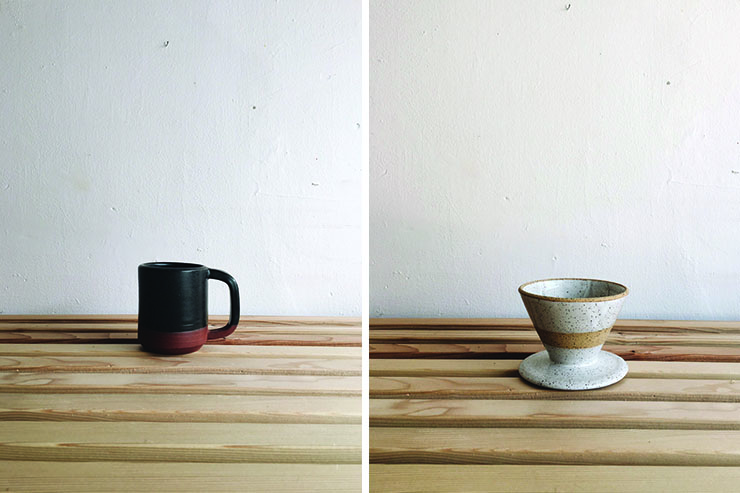
Handmade Mug and Dripper by Sam Lee

There is something particular about drinking coffee out of a handmade mug, something that helps to turn it from routine into ritual. San Francisco-based artist and ceramicist Sam Lee creates beautiful everyday objects, including those made for making and drinking coffee, and I love her style. Her work is simple yet stunning, like in the V60 dripper, glazed to balance the texture of both the smooth glaze and the rough ceramic. Any morning would be made just a little more beautiful with Lee’s work in it. – Anna Brones

Photo courtesy Umeshiso.

Rainbow Cupping Spoon

Born out of a desire to empower themselves and other marginalized folks in the industry at the cupping table, Umeko Motoyoshi created the Rainbow Spoon project. Their store, Umeshiso, has a wide array of pins, cupping spoons, and stickers for your favorite coffee professional. Sold as a single spoon or a set of six, these rainbow spoons offer a perfect bowl depth for a dip and slurp. The spoons are offered on a sliding scale basis to reflect the store’s inclusive mission. Choose to pay the at-cost fee or a few dollars more to contribute back into the project. – Jenn Chen

onyx coffee lab terrior chocolate arkansas sprudge

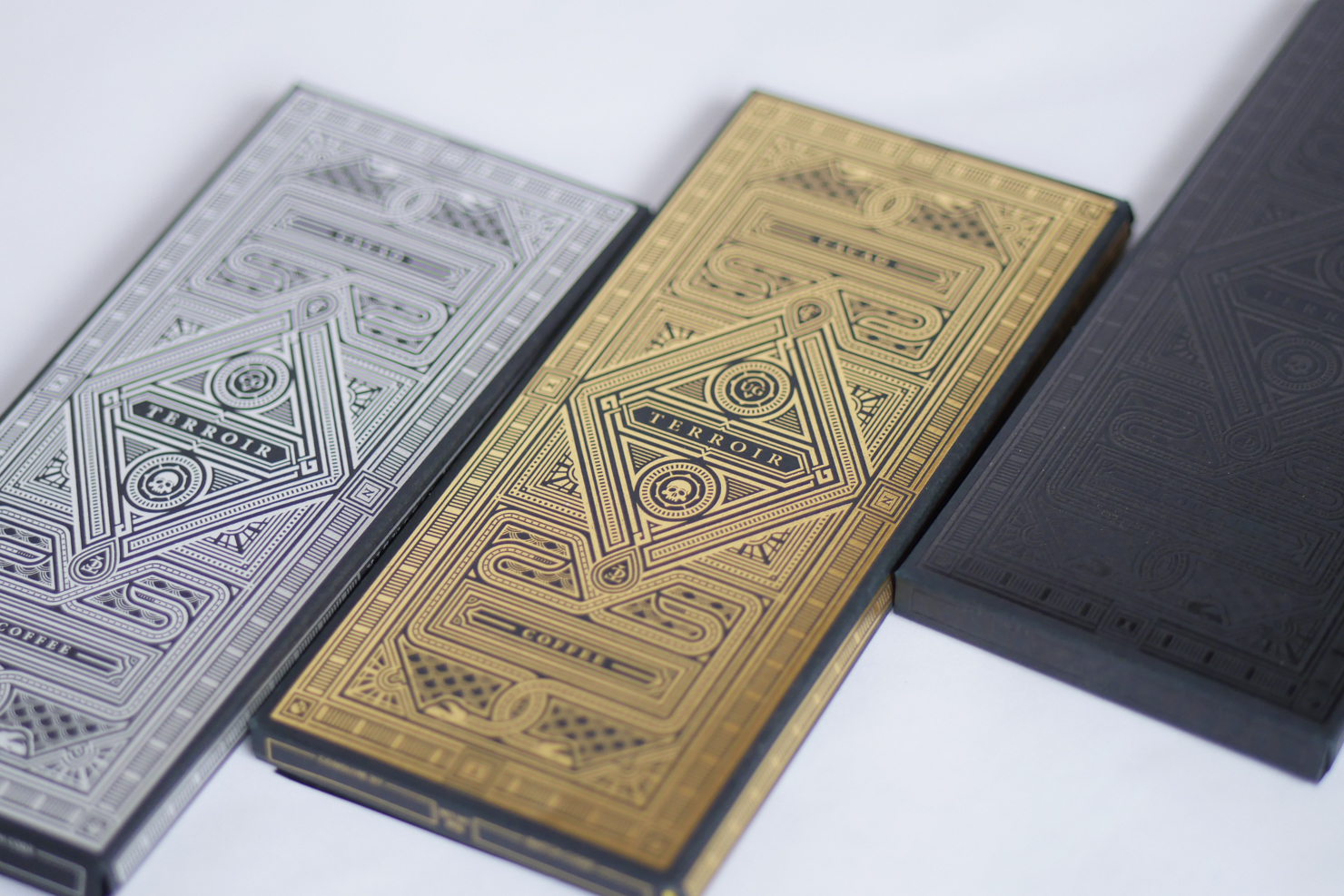
Terroir Coffee Chocolate and Coffee Blossom Honey

Coffee gifts don’t always have to be coffee. They can also be chocolate and honey. Coffee chocolate and coffee honey. From Terroir—the sister company of Onyx Coffee Lab—comes two tasty sweets cultivated on actual coffee farms. The cacao comes from one of three origins—Colombia, Uganda, and Guatemala—and each bean-to-bar dark chocolate is made with coffee from the same farm. The honey is from Finca El Apiario in Guatemala, produced by bees who only pollinate coffee blossoms. Not only are these products really tasty (I eat the honey on my morning yogurt daily), they are also providing auxiliary revenue streams for the farmers producing them. It’s a great coffee gift for non-coffee people that brings in additional money to the coffeelands. Win win win. – Zac Cadwalader

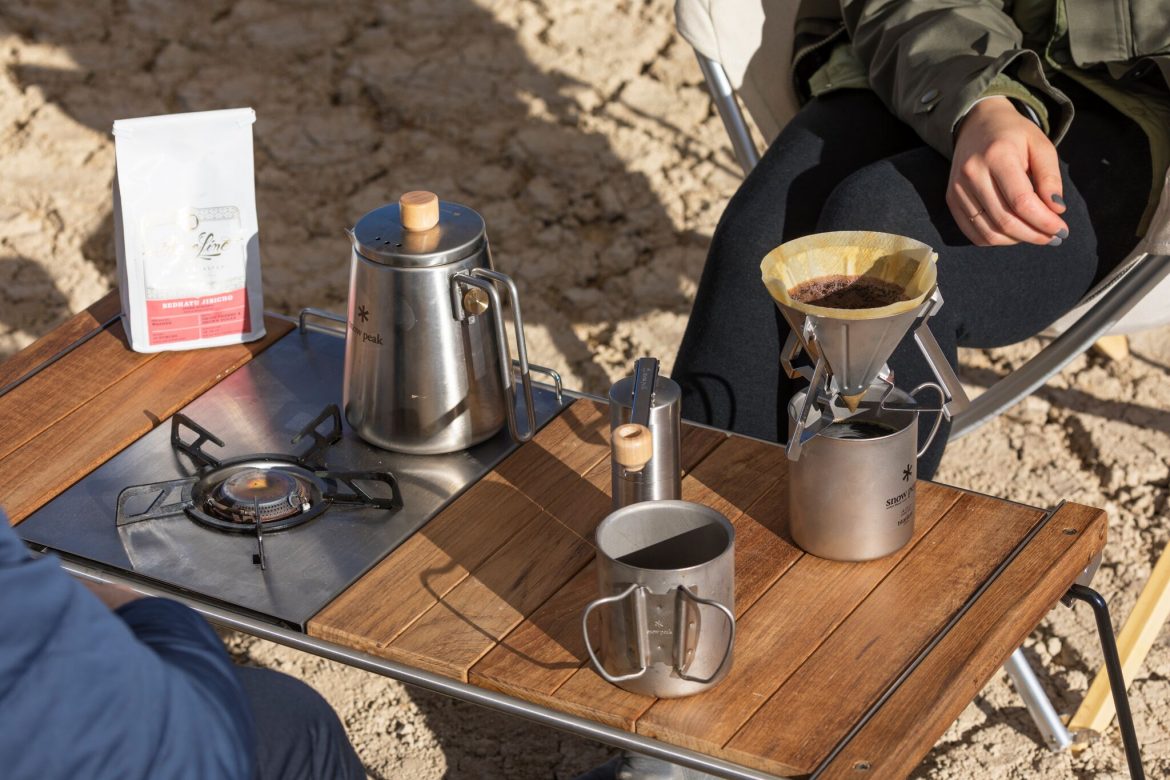
Image via Snow Peak.

Field Barista kit from Snow Peak

There’s a clear intersection between outdoor lovers and coffee drinkers, and Japanese lifestyle brand Snow Peak caters to the nature enthusiasts who want to ensure that their coffee game is as strong outside as it is at home. The brand’s Field Barista kit is the ultimate in outdoor coffee brewing setup, including a dripper, grinder, and kettle. You don’t have to opt for the entire set, each piece can be purchased separately. The dripper is cone shaped—which will keep your filters from collapsing—and disassembles to fit in a small bag, and the grinder’s handle easily folds down, which makes packing easier. The weight of the kit makes it geared at the kind adventures that include a base camp, or just a morning coffee brew in the local park, as opposed to journeys where weight is a consideration, but if you’ve got the whole set, you just might start to prefer brewing in your backyard to your kitchen counter. – Anna Brones

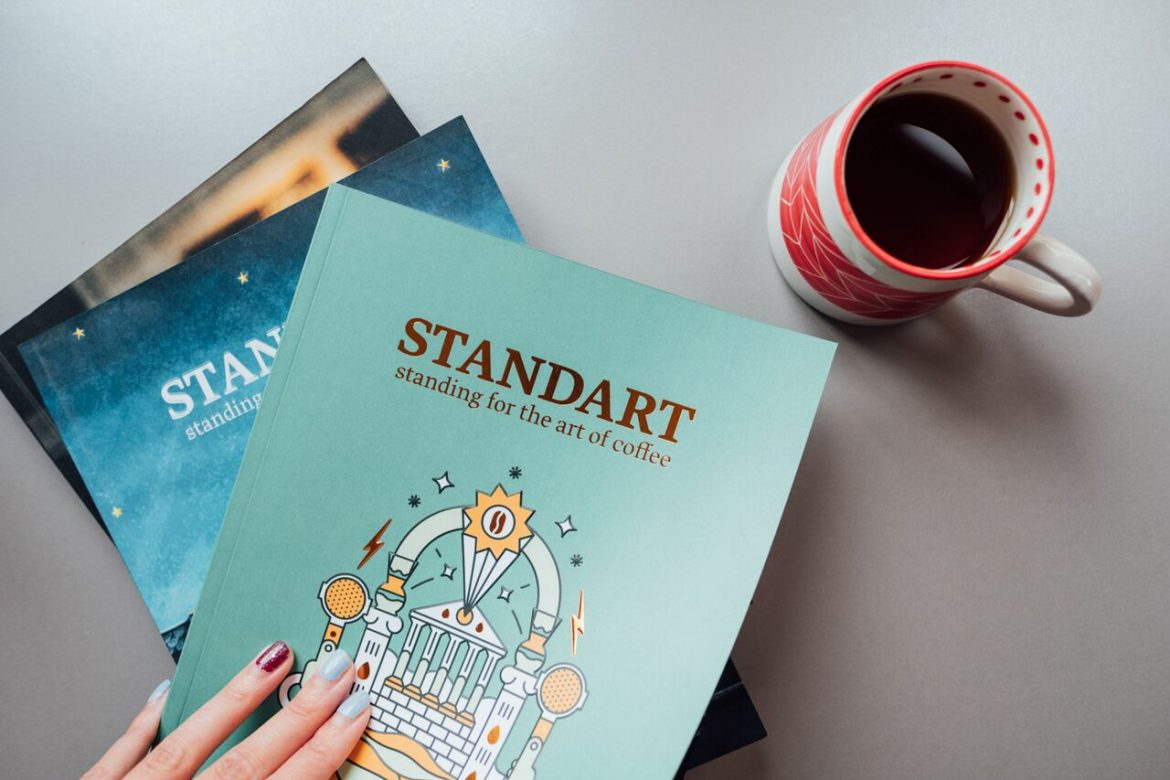
Photo courtesy Standart.

Standart Subscription

Creative types will appreciate an annual subscription (four issues) to Standart, a beautiful independent print magazine (and 2017 Sprudgie Award winner) dedicated to the art of coffee. The stories, illustrations, and photographs within its pages cover a wide range of global issues and perspectives. You’ll just as easily read a profile with a barista champion right after a piece exploring tasseography, the art of reading tea and coffee leaves. Content is at the forefront in Standart and there’s something for everyone. The subscription is available globally and comes with a bag of coffee roasted exclusively for subscribers. – Jenn Chen

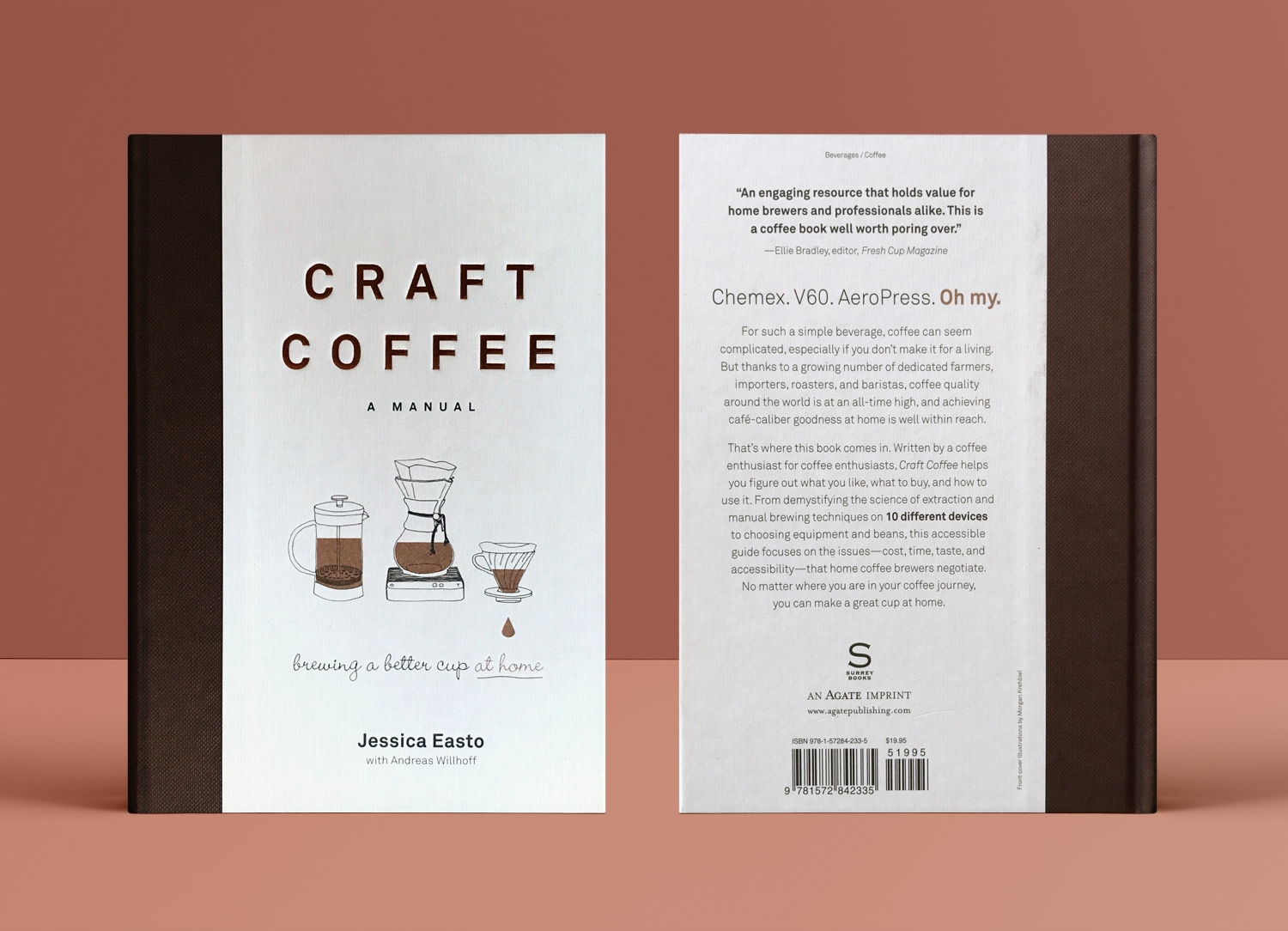
Courtesy of Agate Publishing

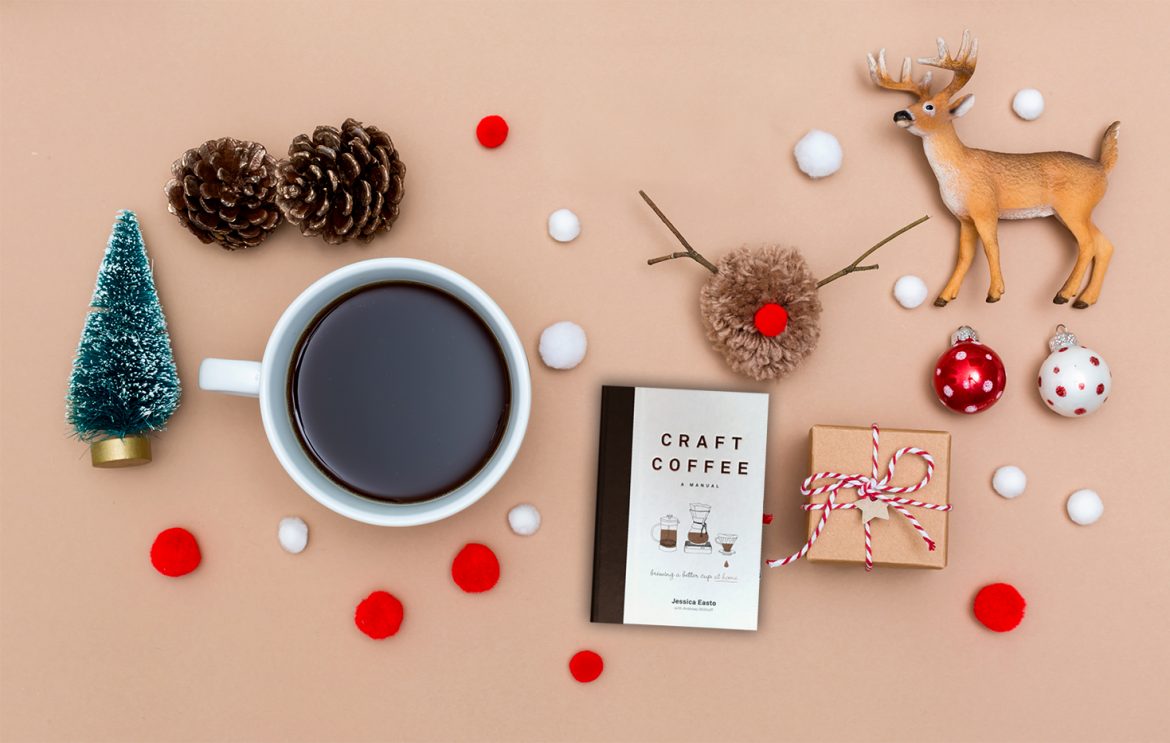
Craft Coffee: A Manual

Getting into coffee can be intimidating. It feels like there is an entire lexicon to memorize just to learn how to make a pour-over. Luckily, there is Craft Coffee: A Manual by Jessica Easto. Easto is “not a coffee person,” as she described to Sprudge in our interview with her earlier this year, and that’s the perspective she brings to the pages of Craft Coffee. With the help of her husband and “coffee person” Andreas Willhoff, Easto covers just about everything you need to know to get started on your coffee journey, including: brewing basics, equipment, processing, and step-by-step guides for making coffee with 10 different brewing devices. It’s all the coffee info, none of the intimidation. – Zac Cadwalader

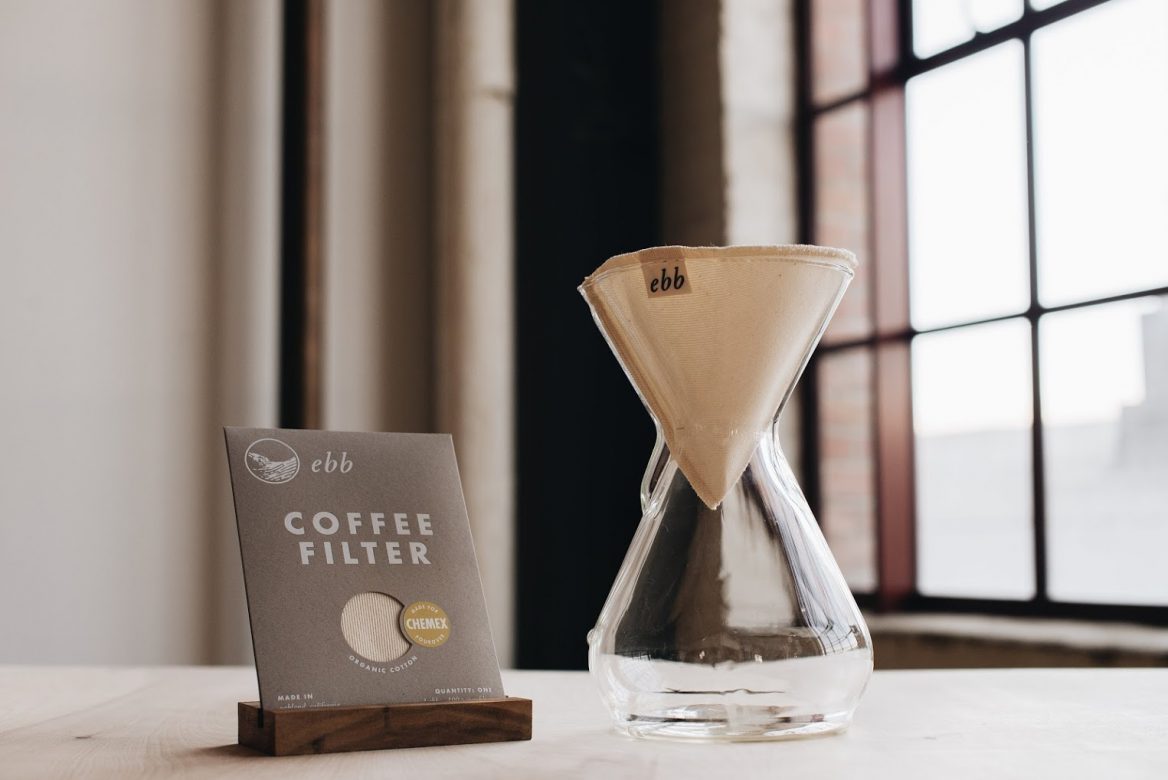
Image by Lindsey Shea.

Ebb Filter by GDS Cloth Goods

Coffee is a product that centers around origin, but while we focus on where our coffee comes from, we don’t always apply the same principles to our brewing equipment. For the coffee drinker who cares about how things are made and where they’re from, Ebb Filter is the perfect gift. This reusable filter is made from organic cotton grown in Texas, processed and woven into fabric in the Carolinas and sewn into final product the Bay Area by GDS Cloth Goods. The filters come in a variety of sizes to fit all types of brew methods, and are wrapped in biodegradable packaging. – Anna Brones

Courtesy of Melodrip

Melodrip

Buying gadgets for a coffee tinkerer can be a tall order because 1) geeky gear is often prohibitively expensive and 2) what even is that thing and how does it make coffee? For those wanting to gift something brewing-related that won’t break the bank, look no further than the Melodrip. Essentially just a dispersion screen on a stick, the Melodrip allows you to drastically cut down on the amount of agitation in the brewing process, which leads to a cleaner cup of coffee, according to the creators. After a successful Kickstarter campaign (of which I backed with my own actual dollars), the Melodrip is now in full production and available for purchase for a cool $45. – Zac Cadwalader

Photo courtesy IWCA.

Charitable Donation

A thoughtful gift for the coffee lover who doesn’t want any physical products, a charitable donation in their name goes a long way to supporting the communities who create your morning brew. Did you know that over 80% of women newly diagnosed with cervical cancer live in developing countries and that 70% of coffee farm laborers are women? Grounds for Health provides cervical cancer screenings at coffee farms. For a more general contribution to the coffeelands, the International Women’s Coffee Alliance (IWCA) works in 22 countries to empower women at the local community level. And if you’d like to invest in the next generation of farmers, Coffee Kids works with young farmers on business training and seed capital. – Jenn Chen

Commandante Hand Grinder

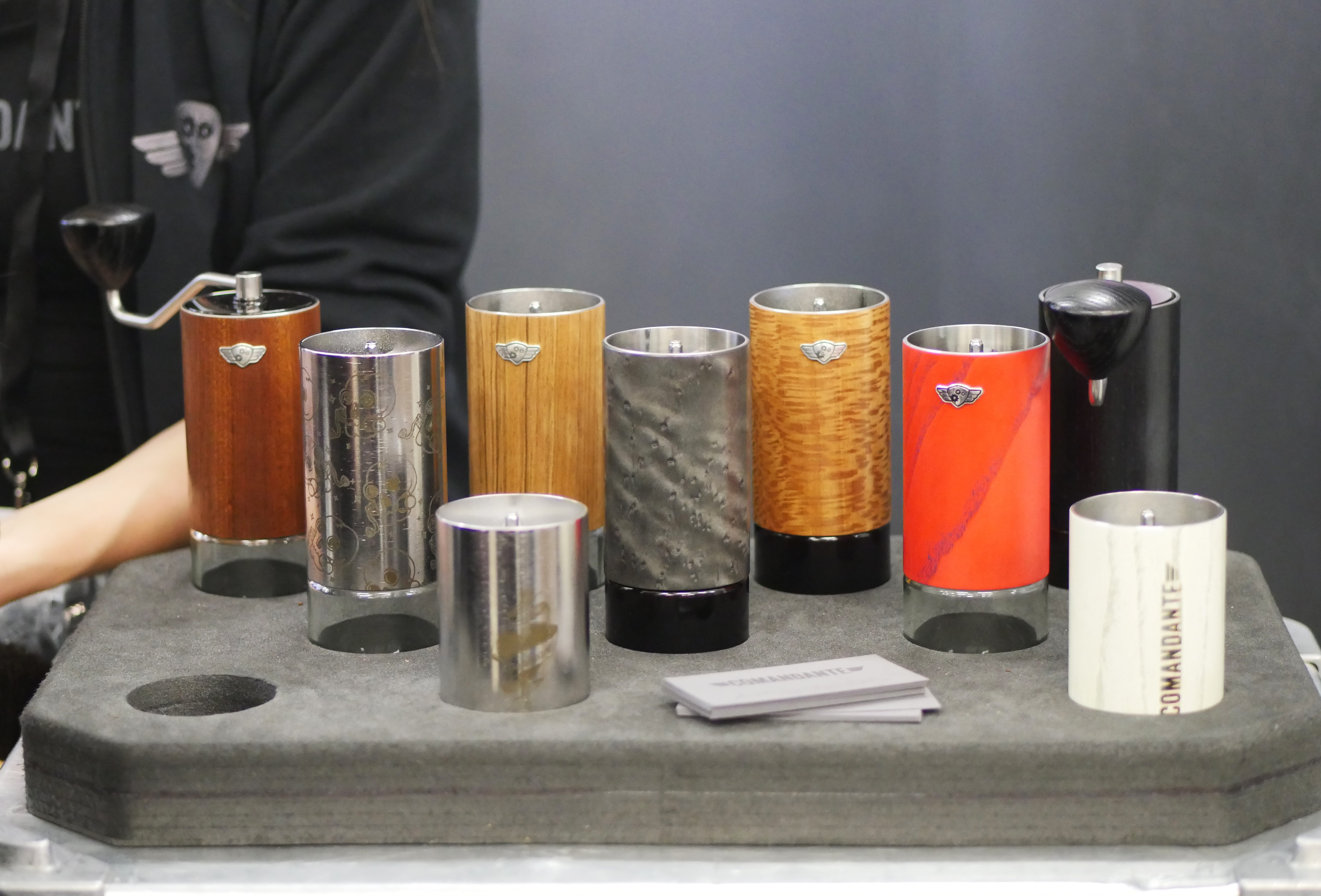
I have more hand grinders than I care to mention in polite company, but whenever I go out of town and need a way to pulverize some whole beans, the Commandante manual grinder is always the one I bring with me. Besides being one of the most aesthetically pleasing grinders on the market—just look at all that wood grain!—the German-engineered Commandante is the perfect mix of portable and dependable, making it the ideal suitcase (or day pack) companion. At $250, this isn’t exactly a small gift, but, speaking from opinion here, it’s worth every penny. – Zac Cadwalader

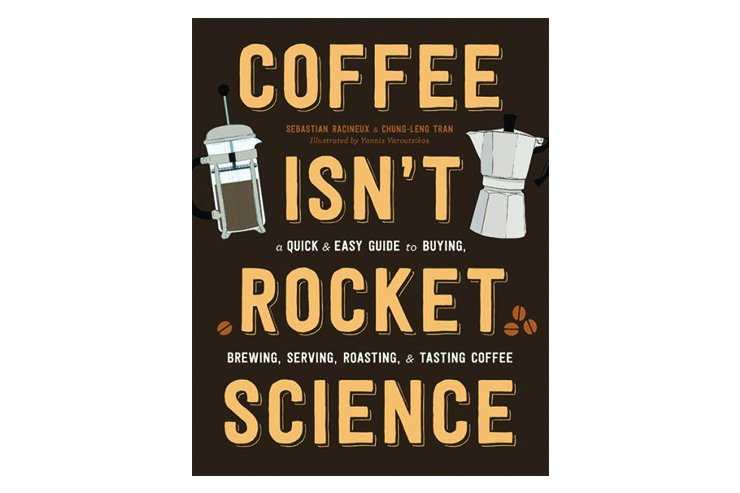
Coffee Isn’t Rocket Science by Sebastien Racineux and Chung-Leng Tran

Have you ever been asked by friends and family how to make better coffee at home? Get them this book. Coffee Isn’t Rocket Science by Sebastien Racineux and Chung-Leng Tran (both co-owners of Hexagone Cafe in Paris) is a well-rounded guide to better understanding and making coffee. For the newly coffee acquainted, it’s a helpful tool for navigating the world of coffee, the kind of book that can always be kept close to the coffee brewing equipment. And for well-versed coffee lovers, it’s a fun resource to include in your coffee library, particular for those moments when you forget some of the basic details of the drink you love. – Anna Brones

Kaffe Box Subscription

Sometimes the best coffee gift is simply just coffee. For those who want to gift coffee but don’t know what is “good,” a subscription is always a solid place to start. As an American who makes primarily filter coffee, I have yet to find a subscription service more up my alley than Norway’s Kaffe Box. Each month, the subscription service works with a different Scandinavian roaster to deliver light-roasted coffee directly to your doorstep. Past roasters include big names like Tim Wendelboe, La Cabra, The Coffee Collective, and Koppi as well as lesser-known micro-roasters like Jacobsen og Svart, Nord, and Talor & Jorgen. To me, this is THE subscription service for lighter-roast filter coffee drinkers. But if you are buying for someone who is an espresso drinker or likes more developed coffees, Trade Coffee is where I would start. – Zac Cadwalader

Via Seal Press.

“So You Want to Talk About Race” by Ijeoma Oluo

A New York Times bestseller and book that transcends any industry lines, “So You Want to Talk About Race” is a must-read for the well-meaning ally. The book isn’t about coffee, yet like any industry built on colonialism and capitalism, race is inextricably tied to coffee. Oluo breaks down key concepts in a straightforward manner and provides the reader with tangible ways to talk about race. This is a great place to start for those who find themselves saying things like, “But what can I do?” and “I don’t know what that means” after listening to the Black Coffee podcast episodes. – Jenn Chen

The post The Essential Sprudge 2018 Holiday Gift Guide appeared first on Sprudge.


from RSSMix.com Mix ID 8200593 http://sprudge.com/the-essential-sprudge-2018-holiday-gift-guide-138209.html