Thursday, December 20, 2018

Ice-T Having His First Coffee Is All Of Us Having Our First Coffee

We’re a little late to this whole “Ice-T tries coffee for the first time” party, but now that we’re here, we don’t want to leave. The original video by Coffee Meets Bagel—the dating app who put the rapper-turned-actor up to the challenge—was posted a month ago, but Ice-T’s reaction to his first sip is so pure it bears bringing back up. He is all of us at the start of our coffee journey.

For his first ever taste of coffee in his 60 years on this earth, Ice-T does the unadvisable thing and dives straight into coffee by taking it black. No cream, no sugar. I say “unadvisable” because this is how I had my first taste of coffee as well, though mine came at a much younger age, when I thought I would be a “big kid” if I took a pull off of Mom’s morning cuppa. It went about as well as expected.

So what was Ice’s response to his maiden coffee voyage? “It tastes like water, with something… another taste kicked in later,“ a phrase that is now the gold standard against which all Brewers Cup flavor calls will be judged.

“I can tell you this’ll pretty much be the last time I drink black coffee.”

Were that the end of the story, though, there would be no story; a guy whose name bears a striking resemblance to a non-coffee beverage not drinking a coffee beverage hardly makes the editorial cut. But a second video, this one released by BuzzFeed, finds Ice making the second step in the journey: “[putting] some shit in it.” The shit, of course, being cream—which he has also never had before!?!—and sugar. Sugar alone didn’t quite turn him into a coffee drinker but the magical alchemy of cream and sugar gives Ice-T (and all of us by proxy, really) that special moment of realization—seen in the in Buzzfeed video at around the 1:20 mark—one which we all know so well, that coffee in the right circumstances can be pretty, pretty, pretty good.

“Coffee, sugar, and cream: not bad.”

Don’t be surprised if Sargent Fin Tutuola starts appearing in Law and Order: SVU episodes with increasingly smaller coffee cups: first a 20oz Starbucks cup with a little whip on top, then a 12oz no whip, next maybe a 6oz cappuccino, until finally Tutuola is walking around crime scenes with his own demitasse (because he knows espresso to-go is a cardinal sin but there are perps to be caught).

Or maybe not. Either way, we’ll always have this video. It’s the pure wholesomeness (and a few curses) that the coffee world needs right now.

Zac Cadwalader is the news editor at Sprudge Media Network and a staff writer based in Dallas. Read more Zac Cadwalader on Sprudge.

The post Ice-T Having His First Coffee Is All Of Us Having Our First Coffee appeared first on Sprudge.


from RSSMix.com Mix ID 8200593 http://sprudge.com/ice-t-having-his-first-coffee-is-all-of-us-having-our-first-coffee-139127.html

There’s Still Time To Vote For The 10th Annual Sprudgie Awards

We are up to our ears in ballots here at Sprudge Studios campaign headquarters. Still with two short weeks from the closing of the polls for the 10th Annual Sprudgie Awards presented by Oatly and we can already unequivocally that the number of votes cast this year is going to be the largest in history.

But don’t let the record-setting turnout deter you from letting your voice be heard; you’ve still gotta rock the sprote. Yours may be the difference between your favorite coffee person/shop/thing winning or losing to that coffee person/shop/thing. You know the one. There’s still time! Vote for your faves, start a grassroots campaign, hire a few bad actors to spread disinformation about your opponents (don’t actually do that). But whatever you do, don’t not vote.

Vote here for the Tenth Annual Sprudgie Awards presented by Oatly. 

If you’ve yet to pick your ponies for the 10th Annual Sprudgies, we’ve listed the finalists for each of the 12 categories below. Don’t see who you are looking for? Do you feel like someone else is more deserving? You’re in luck. This year we’ve opened up the awards for write-in candidates. In a coffee scene where write-in candidates can ascend to the SCA Board of Directors we absolutely want to make the same campaigning available for The Sprudgies.

Once you’re ready, head over here to let your voice be heard and celebrate those helping to push the industry forward. Happy voting!

Voting for the 10th Annual Sprudgie Awards presented by Oatly closes at 11:59 PM PST on Friday, January 4th 2019.

Notable Roaster

This award honors a roaster doing exemplary work in 2018. This may include roasted coffee quality, strength of e-commerce, cafe locations (if applicable) and all other facets of running a successful coffee roaster. This year’s nominees are:

Devoción (Brooklyn, NY),
Go Get Em Tiger (Los Angeles)
Black & White Coffee Roasters (Wake Forest, NC)
Square Mile Coffee (London, UK)
Red Bay Coffee (Oakland, CA)
Gardelli Coffee (Forlì, Italy)
Sey Coffee (Brooklyn, NY)
Coffee Manufactory (San Francisco and Los Angeles, CA)

Notable Coffee Producer

This awards honors outstanding work by a coffee producer at origin. This year’s nominees are:

Daterra Coffee (Brazil)
Benjamin Paz (Honduras)
Long Miles Coffee Project (Burundi)
Gesha Village (Ethiopia)
La Palma y El Tucan (Colombia)
Juan Peña (Ecuador)
Gilberto Baraona (El Salvador)
Aida Batlle (El Salvador)

Best New Product

This awards honors a new coffee product released for public use in the year 2018. This year’s nominees are:

Minor Figures Oat M*lk
Atmos Vacuum Canister by Fellow Products
Melodrip
Yes Plz Coffee Subscription
Modbar AV
DrinkTrade.com
Huskee Cup
Umeshiso Cupping Spoons

Best Coffee Video/Film

This award honors an original coffee video or film released in the year 2018. This can include feature films, short films, promotional videos or social media clips. The nominees are:

AeroPress Movie
Gender In Coffee
Chris Baca on YouTube
James Hoffmann on YouTube
Go Get Em Tiger on YouTube
Cafe Imports Roasting Concepts Series
Flower Of Flowers by Stumptown Coffee
Unpacking Coffee

Best Coffee Writing

This award celebrates the best coffee writing of the year. Please nominate an individual, or a specific feature. If you nominate a feature, please add a link for review. This year’s nominees are:

RJ Joseph for The Knockbox
Phyllis Johnson for Strong Black Coffee originally appearing in Roast Magazine
Sabine Parrish for She’s A Lady originally appearing in Standart Magazine
Dear Coffee Buyer by Ryan Brown
The Monk Of Mokha by Dave Eggars and Mokhtar Alkhanshali
Ashley Rodriguez for Barista Magazine Online
Jenn Chen for Newsletter and Collected Works
James Hoffmann for JimSeven.com

Best Coffee Magazine

This award honors an outstanding coffee magazine or print publication release. This year’s nominees are:

Drift Magazine (USA)
Solo Magazine (Spain)
Caffeine (UK)
Coffee People Zine (USA)
Standart (Slovakia)
Roast Magazine (USA)
Barista Magazine (USA)
Pour Over by Califia Farms (USA)

Best Coffee Instagram/Twitter

This award honors outstanding work across social media platforms. This year’s nominees are:

@umeshiso_
@fellowproducts
@coffeefeedpdx
@dapperandwise
@catcloudcoffee
@symmetrybreakfast
@perfectdailygrind
@coffeetablemags

Best Coffee Podcast

This award honors outstanding work in the podcast medium. This year’s nominees are:

The Coffee Podcast
Cat & Cloud
Boss Barista
Keys To The Shop
Coffea
Coffee People MX
Coffee With April
SproCast

Best Design/Packaging

This work honors notable design or packaging work in coffee. Nominees may include coffee products, coffee bags, coffee logo or graphic design work, or any other example of outstanding coffee design. This year’s nominees are:

Coffee Manufactory (San Francisco and Los Angeles, CA)
Sweet Bloom Coffee Roasters (Lakewood, CO)
Brandywine Coffee Roasters (Wilmington, DE)
Kaffa (Oslo, Norway)
Fjord Coffee Roasters (Berlin, Germany)
Onyx Coffee Lab (Bentonville, AR)
Lüna Coffee (Vancouver, Canada)
Friedhats (Amsterdam, The Netherlands)

Best New Cafe

This award is presented to a cafe that has opened in 2018. Nominations for cafes that have opened before January 2018 will not be eligible for this category. This year’s nominees are:

Ladder Coffee (Spokane, WA)
Dayglow (Los Angeles, CA)
Mane Coffee (Boca Raton, FL)
Misión Café (Madrid, Spain)
Provider (Indianapolis, IN)
Stumptown Coffee Cobble Hill (Brooklyn, NY)
Center Coffee Myeongdong (Seoul, South Korea)
Rosslyn Coffee (London, UK)

Sustainable Cafe

This award is presented to a cafe for prioritizing sustainable environmental stewardship. This can include zero waste practices, pursuing a reduced carbon footprint, and highlighting sustainable coffees and products. This year’s nominees are:

Isla Cafe (Berlin, Germany)
Casa Quilha (Brasilia, Brazil)
Bar Nine (Los Angeles, CA)
Madcap Coffee (Grand Rapids, MI)
Houndstooth Coffee Walnut Hill (Dallas, TX)
Kokako Organic (Auckland, New Zealand)
Smith Canteen (Brooklyn, NY)
Miir Flagship (Seattle, WA)

Outstanding Achievement In The Field of Excellence

This award is presented each year to a remarkable coffee person, organization, cause, or entity that embodies coffee excellence. This is our most prestigious award. This year’s nominees are:

T. Ben Fischer
Phyllis Johnson
Coleen Anunu
Umeko Motoyoshi
Agnieszka Rojewska
Adam JacksonBey
Michelle Johnson
Erna Knutsen (posthumous)

Vote here.

Voting for the 10th Annual Sprudgie Awards presented by Oatly closes at 11:59 PM PST on Friday, January 4th 2019.

The post There’s Still Time To Vote For The 10th Annual Sprudgie Awards appeared first on Sprudge.


from RSSMix.com Mix ID 8200593 http://sprudge.com/theres-still-time-to-vote-for-the-10th-annual-sprudgie-awards-139132.html

Does Producing Coffee Mean Living in Poverty? Examining The Data

With coffee prices falling to a 12-year low earlier this year, the economic sustainability of coffee has been left in more doubt than ever. We are facing the questions: Is coffee farming profitable? How much should a producer be earning? And what separates a profitable farm from an unprofitable one?

Last year, US-based green coffee importers Caravela Coffee published a report on the costs of production in the six Latin American countries they operate in. Following on from this, the company recently calculated the theoretical profitability of a farmer in those countries and contrasted that with the World Bank’s international poverty line.

Alejandro Cadena, Caravela Coffee’s CEO, recently presented his findings at Sustainability in Coffee in Portugal. So, I reached out to him to discuss his findings.

You might also like: This Is How Much It Costs to Produce Coffee Across Latin America

Producers at work in the coffee warehouse. Credit: Caravela Coffee

Why Farming Profitability Should Concern Us All

Let’s first understand why this study is important.

Low prices are not a new concern: for years, farmers have been abandoning coffee, describing it as unprofitable and unsustainable. But in August, the international coffee price (the C-price) fell below US $1 per pound. The following month, it reached its lowest level in 12 years.

Yet according to World Coffee Research, despite the falling prices, the demand for coffee is predicted to rise constantly. If things continue as they are, and the impact of climate change is also taken into account, then we can expect to see a production gap of between 60 and 122 million bags by 2050.

Will there be enough coffee in the future to satisfy our growing demand? One thing is clear: if we want the coffee industry to thrive, we need to improve farming profitability.

Turning washed coffee to ensure it dries evenly, thereby improving the uniformity of the flavor and the quality. Credit: Caravela Coffee

Calculating Farming Profitability

For the study, Caravela Coffee looked at the profitability of coffee farming in six Latin American countries: Ecuador, Colombia, El Salvador, Guatemala, Nicaragua, and Peru.

There are obvious limitations to this: the profitability of farming will differ greatly across continents and countries. Farming coffee in Indonesia is not like farming coffee in Peru. Neither is farming coffee in Mexico like farming coffee in Colombia. And profitability also varies from region to region and farm to farm, within the same country.

However, this study gives us insight into the hypothetical profitability of an average coffee farm across six Latin American countries – and if coffee isn’t profitable for the average farm in one of the world’s richest coffee-producing regions, then we face a serious issue.

Producers analyze their costs of production for 2018. Credit: Caravela Coffee

Learn more in Many Fairtrade Farmers Don’t Earn Enough to Live On

As part of the study, Caravela Coffee had to make a few assumptions:

    1. The cost of production for coffee was assumed to be US $1.20/lb. This, according to their previous study, was the average cost of production over the past eight years.
      However, Alejandro tells me that, year to year, the cost can be affected by factors such as inflation. For example, in 2017, the cost ranged from US $1.40/lb to US $1.80/lb. This is why the team chose to use an eight-year average rather than the most recent data. As such, we must remember that production will be costlier in some years than others.
  • The mean average of the daily C-market price was used for each year. This means the data was not skewed by daily fluctuations.

The C-price and its fluctuations from 2010 to 2018. Credit: Caravela Coffee

Given these assumptions, Caravela Coffee then tested three different scenarios with varying farm sizes and productivity levels:

  1. A farm size of 1 hectare that produces 5 bags/ha per year
  2. A farm size of 3 hectares that produces 5 bags/ha per year
  3. A farm size of 3 hectares that produces 15 bags/ha per year

Caravela Coffee previously found that “three hectares is what a family needs to survive.” However, having three categories allows for a discussion of the relationship between productivity, size, and profitability. There is an ongoing debate over whether greater productivity is the key to farm profitability. While these scenarios will not provide a definitive answer to that, they do provide useful insights into the minimum farm size and productivity levels required to bring a family out of poverty.

From there, Caravela Coffee compared the hypothetical profits to the World Bank’s international poverty line.

A producer in front of his coffee. Credit: Caravela Coffee

How Much Profit Does a Coffee Farm Make?

Thanks to a fluctuating C-price, we see a lot of variation in the results. The average profit margin for the past eight years is 24%. Worryingly, however, it fell dramatically in 2012 and recovered briefly in 2013, only to decrease again in 2013. Profit levels have been in decline since 2014 and, in some scenarios, even hit negative numbers as we entered 2018.

The farming profitability of a one-hectare farm producing five bags of coffee. Credit: Caravela Coffee

But what does a 24% profit margin really look like?

Scenario 1: 1-Hectare Farm, 5 Bags Per Hectare

A producer with a one-hectare farm producing just five bags per year would, over the course of the last eight years, have made an average US $21 in profit from their total income of US $86. Annually, this would add up to US $247.

The average earnings per month and year for a coffee producer with a one-hectare farm producing five bags per year. Credit: Caravela Coffee

Scenario 2: 3-Hectare Farm, 5 Bags Per Hectare

Our second scenario takes the first farm and merely scales it up, from one hectare to three, resulting in an annual harvest of 15 bags. And so, on average, a producer would see US $62 profit a month, or an annual US $742.

Scenario 3: 3-Hectare Farm, 15 Bags Per Hectare

A farm of this size and productivity level would harvest 45 bags a year. This represents an annual profit of US $2,227, or US $185 per month.

Does Producing Coffee Mean Living in Extreme Poverty?

Caravela Coffee then looked at the World Bank international poverty line, which is currently set at US $1.90 per person per day. This means that anyone that lives with a daily income below this is considered to live in “extreme poverty.”

This poverty line does not consider the varying costs of living across the world. Instead, it is based on the purchasing power in 2015 in 15 countries that, back in 2005, were the world’s poorest countries. However, the line is a significant point of comparison. It can help us put a numerical aspect to our discussions of economic sustainability.

So, Caravela Coffee multiplied the US $1.90 by thirty to calculate that producers needed a monthly US $57 of profit per person in their household to not be living in “extreme poverty.”

Given the difficulty in assuming household size, Caravela Coffee only looked at whether a farm profited enough for one producer to not be living in poverty. It’s worth remembering that these numbers will need to be doubled, tripled, quadruped, or even more for larger families with no other source of income.

So, under this scenario, do coffee producers live in extreme poverty? The answer: it depends on the farm size and productivity.

Average monthly profits of varying hypothetical farms contrasted with the World Bank international poverty line. Credit: Caravela Coffee

Farmers with one-hectare farms and a productivity of five bags per hectare, selling coffee at the global market price, would be living far below the World Bank international poverty line. At US $21 per month, they would need to more than double this to escape extreme poverty.

Alejandro tells me that “if you have a one-hectare farm, and just have five bags per hectare, the price that you need per hectare would be extremely high” if you wanted to earn as much as a farmer producing 45 bags over three hectares. In fact, the first farmer would need to sell their coffee at US $14/lb.

In comparison, a farmer with a three-hectare farm and the same productivity level of five bags per hectare would need to sell their coffee at “just” US $4.70/lb to make the same as a farmer with three hectares and an annual productivity of 15 bags. Unfortunately, this is still significantly more than the C price and, indeed, the price paid by many specialty coffee roasters and buyers.

If, however, a farmer with three-hectares were to increase their productivity to 15 bags per hectare, they would earn 3.21 times more than the poverty line. They would need US $1.57/lb to escape “extreme poverty.”

Inspecting dried washed coffee. Credit: Caravela Coffee

What If Their Coffee Was Sold at Higher Prices?

Finally, let’s assume that the producer is not selling money at the C-market price. Let’s say that contracts are being signed at US $1/lb more than the global market rate – US $2.40/lb.

Alejandro tells me that when you are able to guarantee a sustainable price, this is where the scale and productivity have the biggest impact.

At US $2.40/lb, the smallholder farmer with just one hectare can also live above the World Bank international poverty line (assuming, of course, that they are not supporting other family members who don’t have their own sources of income).

And if a farmer has a three-hectare farm and good productivity, they can begin to build a truly profitable business – the kind that doesn’t just enable them to live above the poverty line but also invest in their business, support a family, and more.

Average monthly profits of varying hypothetical farms contrasted with the World Bank international poverty line. Credit: Caravela Coffee

Alejandro tells me that this shows the “effect of scale and how scale can really make the difference, and that’s what we really need to focus on….

“It’s a path… We want farmers to understand that this path starts with being as productive as you can, then working on quality so that you can get a higher price, and if you get both productivity and higher price, then you are entering this path of real growth and real sustainability.”

Producers inspect their coffee trees. Credit: Caravela Coffee

What Does This Mean For The Coffee Industry?

Based on Caravela Coffee’s findings, I asked Alejandro what we can do as an industry. Here are his recommendations:

If you’re a roaster/buyer:

  • Make sure to financially reward farmers for their quality, loyalty, investment in education, and constant efforts to improve.
  • Commit to building a sustainable, long-lasting relationship with producers, rather than cherry-picking the trendiest coffees in any given year.
  • Communicate with producers about things that really matter: even simple things, such as pruning, can boost productivity.
  • Share more information about your coffees, and the economic sustainability of them for producers, with your clients.

A producer on the coffee farm. Credit: Caravela Coffee

If you’re a producer:

  • Learn how to improve your productivity. What kind of fertilizers do you need and how much should you be applying? Perform a soil analysis so you understand what you are working with.
  • Constantly renovate. Caravela Coffee’s previous study revealed that, on average, renovation makes up around 5% of the total outgoings on a farm. However, it yields a high return on investment, since it helps maintain productivity over the years.
  • Focus on quality in order to sell coffee for increased prices.

If you’re a consumer:

  • Demand transparency and traceability. Ask where your money is going. Are producers really seeing the premium you’re paying, or is someone else in the chain profiting?
  • Be willing to pay more for coffee. Ultimately, consumers have the power to decide how much coffee costs. Even an additional 10 cents per cup could go a long way toward creating a more financially sustainable coffee industry.

Most importantly, we all need to start treating farm profitability as an issue that needs resolving. And key to resolving it is creating parameters, understanding coffee pricing, and putting a number to the question of what a coffee producer should earn.

Because we cannot shrug off coffee farm profitability as “unfixable,” or treat it as an abstract matter. The situation is far too real for that. No, it’s time we start looking for concrete solutions and setting tangible goals.

Found this interesting? You might also like Green Coffee Pricing Transparency Is Critical – And Complicated

Written by Sunghee Tark.

Please note: This article has been sponsored by Caravela Coffee.

Want to read more articles like this? Sign up for our newsletter!

The post Does Producing Coffee Mean Living in Poverty? Examining The Data appeared first on Perfect Daily Grind.


from RSSMix.com Mix ID 8200593 https://www.perfectdailygrind.com/2018/12/does-producing-coffee-mean-living-in-poverty-examining-the-data/

Wednesday, December 19, 2018

Mejoras En El Proceso: La Clave Para Los Naturales Especiales

Los cafés de procesamiento natural quizás sean las formas más antiguas que existen. A pesar de esto, solo pudieron ingresar al mercado del café de especialidad en los últimos años. La tendencia se está extendiendo rápidamente, con un impacto en el origen. Los productores tradicionales de cafés naturales, como Brasil, están trabajando para mejorar continuamente los procesos posteriores a la cosecha, mientras que los países que tradicionalmente producen café lavado comenzaron a diversificarse.

Es un hecho que se debe celebrar: los naturales de grado especial tienen una combinación excelente de complejidad en el sabor y mucho cuerpo. Esto hace que puedan satisfacer los paladares más exigentes.

Sin embargo, todo tiene un porqué. Continúa leyendo para descubrir qué distingue a los naturales y cuál es la razón de su ascenso repentino en el café de la Tercer Ola.

Read this in English Processing Improvements: The Key to Specialty Grade Naturals

varias filas de cafe secandose en un patioProceso natural: Un método tradicional, pero sorprendente. Crédito: BSCA

Naturales: ¿Qué Los Hace Tan Diferentes?

El procesamiento natural (o seco) es la manera más fácil para transformar las cerezas de café en granos verdes, pero también es una de las más difíciles para producir un café bueno.

Siempre ha sido un método simple y económico: todo lo que necesitas es luz solar y una superficie plana. Luego de cosechar las cerezas, se dejan secar al sol hasta que el contenido de humedad se reduzca al 11-12 %. Existen distintas técnicas para dar vuelta a las cerezas y también hay diferentes métodos de secado: algunos caficultores usan camas elevadas, otros secan el café en patios y otros más combinan estos métodos con secadores mecánicos. Sin embargo, independientemente de estas variantes, el proceso natural no requiere equipos sofisticados.

Varios arboles de cafe en una finca en brasil¿El fruto de esta finca se convertirá en café de procesamiento natural? Crédito: BSCA

Sin embargo, depende mucho de las condiciones climáticas. Después de todo, se secan al sol. Y si la falta de luz solar implica que las cerezas tardarán demasiado tiempo en secarse, existe el peligro de que fermenten.

Es por esto que los métodos de procesamiento con agua se hicieron populares: desde el despulpado natural, al honey hasta el lavado. Al remover las capas externas de la cereza, se acelera el proceso de secado y se reduce el riesgo de fermentación.

Sigue habiendo mucho más para descubrir acerca de los efectos de cada método de procesamiento, pero en general los naturales suelen tener más cuerpo, menos acidez y un espectro más amplio de notas frutales, en comparación con los cafés lavados. Por otro lado, los naturales suelen tener un puntaje más bajo en términos de limpieza de la taza. También son más vulnerables a daños, debido a su exposición más prolongada a los agentes externos; es por esto que es más raro encontrarlos en el café de especialidad.      

También te puede gustar Fermentación Controlada: ¿Un Paso Crítico para el Desarrollo del Sabor?

varias tazas con cafe molido para empezar a catarCafés naturales: puedes percibir la diferencia en la taza. Crédito: @timjcoffee

Proceso: La Clave Para Los Naturales de Grado Especial

Con frecuencia, los productores de café de grado especial evitaron el procesamiento natural. Ellos sabían que los niveles de humedad y temperatura, tan inestables y difíciles de predecir, tendrían un impacto importante en la calidad de sus granos. Por lo tanto, los naturales a menudo provenían de productores que se comprometían menos con la calidad, que no tenían los recursos para invertir en una infraestructura para el procesamiento posterior a la cosecha o aquellos afortunados que vivían en regiones donde había menores precipitaciones durante el período de cosecha (en particular, Etiopía, Indonesia, Yemen y Brasil).

Sin embargo, los estudios científicos están cambiando esta situación. En particular en Brasil, se cultivan naturales de alta calidad en terrenos especialmente diseñados para aumentar las posibilidades del café de recibir un mejor puntaje. Además, se presta una particular atención durante las operaciones posteriores a la cosecha. En especial, el uso de camas africanas y patios con invernaderos, los equipos de recolectores selectivos que trabajan en períodos o parcelas y las máquinas clasificadoras del color de las cerezas ayudan a garantizar la mejor calidad.   

cerezas de cafe se secan en un patio en una finca en BrasilProceso natural: aprovechando el calor del sol. Crédito: BSCA

Otra etapa crucial es la separación del fruto en las distintas fases de maduración. Las cerezas poco o demasiado maduras pueden afectar el sabor del producto final. Este solía ser un ámbito en el que ganaban claramente los métodos de beneficio húmedo, ya que el agua constituye un medio de separación por densidad y las despulpadoras se puede configurar para que despulpen solo las cerezas maduras.

Sin embargo, las nuevas tecnologías han reducido notablemente esta brecha. En las plantaciones, se puede configurar las cosechadoras mecánicas para que recolecten principalmente las frutas maduras que están más sueltas del cafeto, tan solo con la función de vibración. Asimismo, los caficultores pueden elegir cultivar una fila de café a la vez, dependiendo de la exposición al sol y la maduración más rápida del fruto. Además, ahora están disponibles las clasificadoras del color de nueva generación, que pueden reconocer y separar las cerezas rojas y amarillas que están maduras de las verdes que no lo están.   

En otras palabras, bienvenidos sean los naturales de especialidad.

Escrito por A. Botrel y Fabrício Andrade (Fazenda Samambaia) y editado por T. Newton.

Traducido por Laura Fornero. Traducción editada por María José Parra.

Crédito de foto principal: @timjcoffee

¿Quieres Seguir Leyendo Artículos Como Este?¡Suscríbete Aquí!

The post Mejoras En El Proceso: La Clave Para Los Naturales Especiales appeared first on Perfect Daily Grind.


from RSSMix.com Mix ID 8200593 https://www.perfectdailygrind.com/2018/12/mejoras-en-el-proceso-la-clave-para-los-naturales-especiales/

Meow Hear This: A Very Special Santa Claude Charity Auction

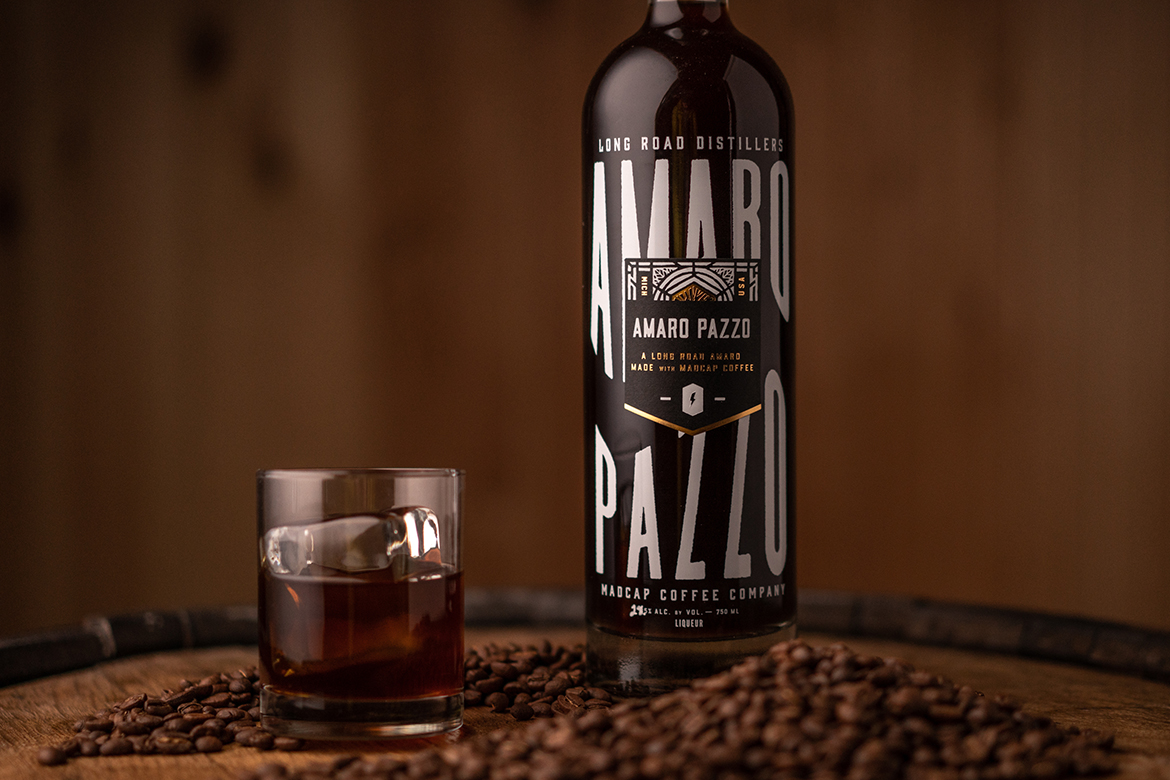
Madcap Teams Up With Long Road Distilling For A Coffee Amaro

Ahhhh amaro. Is there a better way to finish off a meal than with a little herbal digestif? If you are reading this one, at least one of two things is true: 1. You like coffee, and/or 2. You may have a large holiday meal in your future. If either of these are correct, then have I ever got good news for you. Madcap Coffee have teamed up with fellow Grand Rapidians Long Road Distillers to create Amaro Pazzo, a coffee-based Italian-inspired Michigan-born liqueur.

It’s been a busy month for Madcap in the way of news. Hot on the heels of the big announcement that the coffee company will be opening their first Detroit cafe inside the Shinola Hotel (though technically they did first mention that they were moving somewhere in Detroit back in October), now they dropping some booze news. According to the press release, Long Road and Madcap devoted a chunk of the yearlong process in bringing Amaro Pazzo to tasting coffees in order to find the best fit. Ultimately, they opted for the wash processed Reko from the eponymous washing station in the Kochere region of Ethiopia. With notes of citrus, lemongrass, and ginger, the Reko is said to help create a balance of sweetness and bitterness in the liqueur.

“Few put as much time and dedication into their craft as Madcap,” said Jon O’Connor, co-owner and co-founder of Long Road Distillers. “Amaro Pazzo is an ode to our shared commitment to take the time to do things right, and to craft the exceptional. We can’t wait to introduce people to what we’ve been able to create together.”

Clocking in at a very drinkable 57 proof, Amaro Pazzo adds to the flavors in the Reko with myrrh, turkey rhubarb, two types of orange, wormwood, “and a blend of other ingredients.”

We’re pretty big fans of amaro here at Sprudge, be it mixed with hot coffee, cold brew, or with coffee as an ingredient during distillation. Unfortunately for us, Amarzo Pazzo is only in distribution inside Michigan at the current moment, though the companies are looking to cast a wider net in early 2019. I guess this bottle of Caffé Amaro from J. Rieger & Co. and Thou Mayest will just have to keep me warm until Amarzo Pazzo moseys its way on down to Texas.

Zac Cadwalader is the news editor at Sprudge Media Network and a staff writer based in Dallas. Read more Zac Cadwalader on Sprudge.

Top image via Madcap

The post Madcap Teams Up With Long Road Distilling For A Coffee Amaro appeared first on Sprudge.


from RSSMix.com Mix ID 8200593 http://sprudge.com/madcap-teams-up-with-long-road-distilling-for-a-coffee-amaro-139094.html

Tuesday, December 18, 2018

Understanding Specialty Coffee in The Philippines

The Philippines as a coffee-producing country. The nation’s varied topography and range of climates make it suitable for growing not just Robusta, but also Arabica, Liberica, and Excelsa.

But in recent years, the nation has not produced enough to support its own consumption. Extreme weather and rapid urbanization have impacted the coffee industry.

However, things are changing. With increased collaboration and improvements in infrastructure, the coffee industry is being revitalized and specialty coffee is becoming more familiar. Let’s take a closer look at coffee in the Philippines.

You may also like Beyond Manila: Drinking Specialty Coffee Across The Philippines

barista champion competing

Silvester Dan Samonte, the 2016 and 2017 Philippine National Barista Champion, competes at the World Barista Championships in Seoul, South Korea. Credit: Jake Olson for World Barista Championships

A Brief History of Philippine Coffee

The Philippines has been a coffee-producing country since the middle of the 18th century. When coffee rust hit Brazil, parts of Africa, and Java in the 1880s, the nation became the top producing country in the world. But coffee rust later reached the Philippines and production never fully recovered to these levels.

In 1960, a government act was introduced to prohibit coffee importation. Aided by this, the Philippines produced enough coffee for domestic consumption and export until the collapse of the International Coffee Agreement in 1989.

New trade regimes later removed quotas for import, and the nation now relies on coffee from Vietnam and Indonesia, which can provide it more cheaply than local producers.

freshly roasted coffee cooling down

Coffee being cooled down after being roasted at a café in Philippines. Credit: Neil Soque

The Philippines is made up of over 7,000 islands. Within this archipelago, microclimates and conditions vary wildly. This makes the country suitable for growing a range of coffee varieties and provides ample opportunity for specialty coffee.

But these islands are increasingly hit by strong typhoons, including in the traditional coffee areas of Cordillera Administrative Region and Calabarzon. The combined forces of global economics and climate change are barriers to producing coffee in the Philippines.

coffee plant

A coffee tree with cherries. Credit: Joefel Manlod

A Reliance on Imported Coffee

These factors help explain why the emerging specialty scene depends on imported beans. For the last three years, coffees from Latin America helped the winners at the Philippine National Barista Championship (PNBC) at the World Barista Championships.

2018 was the first year the Philippines crowned a Brewers Cup Champion – Jaycee Galera. She used natural processed heirloom beans from Ethiopia’s Rocko Mountain Reserve.

But maybe it won’t always be this way. Thee may be obstacles for specialty coffee in the Philippines, but the scene is developing despite them.

naturally processed coffee on raised beds

Philippine natural processed coffee dries on raised beds at Balutakay Coffee Farmers Association. Credit: Joefel Manlod

Obstacles For Specialty Coffee in The Philippines

The low cost of imported coffee from Vietnam and Indonesia is one of the biggest barriers to overall coffee industry growth in the Philippines.

Silvester Dan Samonte is the two-time Philippines National Barista Champion and Director of Coffee at El Union Coffee, a roasters in La Union. He tells me that “the price of local coffee is overpriced compared with other global coffee growing regions, where foreign investment and scale have made it more efficient to produce quality coffee.”

But quality is also a factor. Silvester says that a lot of Philippine coffee is defective and has low traceability.

“Imported coffee is usually cheaper, more reliable, and tastier than local coffee. Philippine coffee takes commitment and most small coffee roasters don’t have the business model to do so,” he says.

man and baby roasting coffee

Joefel Manlod multitasks while roasting. Credit: Purge Coffee Roaster

A Need For Better Infrastructure

Although there are producers with good farming infrastructure and access to information, the general quality of locally produced coffee is directly affected by access to resources.

Thomas Sproten is the owner of Coffee Culture Roastery in Bacolod. He tells me that “unlike many other coffee producing countries, the Philippines lacks coffee processing, warehouse, and trading infrastructure. Farmers are left on their own.”

Joefel Manlod is a seasoned coffee competitor and the owner of Purge Coffee Roaster in Davao City. He tells me that Filipino coffee roasters choose to work with beans from Ethiopia, Columbia, and Panama and generally disregard local beans.

“Local coffee is criticized as below specialty due to poor handling at farm level and processing, and the grading system,” he says.

barista behind the bar

Thomas makes coffee at Coffee Culture Roastery. Credit: Coffee Culture Roastery

Silvester tells me that there is no real incentive for farmers to improve quality. “Quality or a high cupping score doesn’t end up in more benefits for the farmers,” he says. ”Farmers already can demand US$5–10 per kilo for green coffee. Why work harder?”

“Essentially a farmer must pay for their coffee to be evaluated. If the coffee is defect-free and has some notable qualities, it can score a specialty grade,” he says.

man cupping coffee

Public cupping taking place at a café in Philippines. Credit: Neil Soque  

But it’s not all negative. Silvester also tells me that he has sampled good local beans and that the issue is maintaining consistency in production quality.

“The highest cup quality I’ve tasted is from some well-sorted beans from Bukidnon from Ephemera traders. Generally, they produce some of the most thoughtful and tasty coffees.

“But there is a low ability to create scale and to repeat quality due to the inconsistency of the coffee trees and communities they work with. It’s a challenge to create sustainable coffee systems in the most remote parts of the country.”

coffee tree with ripe and unripe cherries

A coffee tree in Kapatagan, Davao del Sur. Photo: Gladys Baylon

A Revitalized Coffee Industry

But things are slowly changing. In March 2017, the Philippine Coffee Industry Roadmap 2017-2022 was introduced with the goal of boosting the country’s domestic coffee output.

“Recent campaigns championing the quality of local green coffees are on the rise,” Joefel says.

“NGOs, government agencies, and local micro-roasters are focused on addressing [quality] issues.”

An important first step is making coffee farming a financially appealing venture for Filipinos in the context of cheap imported coffee. One venture working towards doing this is the Kape’t Buhay project, which is a partnership of government agencies and private organizations. It provides mentorship to farmers and encourages them to become entrepreneurs.

Similarly, the Philippine Coffee Board (PCB) is a private institution that offers technical assistance and credit for coffee farmers. It promotes coffee through coffee shop seminars, trade shows, farm tours, and an annual Coffee Origins festival.

Learn more in The Philippine Coffee Board: We Want Producers to Cup Their Coffee

coffee farmers at training session

Participants in an intensive training session on coffee for farmers in Mt. Matutum, Mindanao. Photo: Purge Coffee Roaster

How To Improve The Philippine Coffee Industry

Joefel tells me he sees room for improvement in collaboration and communication. “Local roasters should showcase and produce competitive quality roasted coffee, justifying the hard work of local farmers,” he says.

“Local roasters must work directly, hand-in-hand with the farmers, by sharing new information and trends in improving the quality of the harvesting and processing sector.”

coffee tree with unripe cherries

A coffee tree with fruit in Kapatagan, Davao del Sur. Credit: Gladys Baylon

Silvester lists what he thinks needs to happen for the success of specialty coffee in the Philippines.

“[We need] collaboration across the industry to pay the real value of the coffee that farmers grow,” he says.

“[We need to] create processing centers for farmers to use or sell to. To discover the best varieties to match the different microclimates across the archipelago. And dedicated stewards of progress to keep pushing the industry beyond the commercial coffee and easy coffee game.”

barista pouring latte art

Silvester Dan Samonte pours milk at the World Barista Championships in Seoul, South Korea  in 2017. Credit: Jake Olson for World Barista Championships

The Rise of Specialty Coffee in the Philippines

Despite all the barriers, specialty coffee is being produced in the Philippines. Thomas tells me that he has cupped some impressive local specialty beans.

“Some resemble the flavor profiles of East African coffees, while the majority have an undeniable ‘Asian’ cup profile,” he says.

“Perhaps this is why we do not find too many Philippine coffees in competitions. Just like in international events, where competitors must use Geishas to impress judges and to stand a chance to win, the Philippine coffee scene also seems to follow this trend.”

flat white on counter

Milk and espresso beverage at a café in Cebu City. Credit: Neil Soque

Silvester tells me that “Filipinos love the taste of our own coffee. It’s in our blood.”

But he also says that “Specialty coffee will struggle with most Filipinos living in the country because we seek bold flavors over the subtlety of specialty coffee. But Filipinos make some of the best coffee professionals with their smile and drive to succeed.”

coffee trees at farm

Coffee trees in Kapatagan, Davao del Sur. Credit: Gladys Baylon

Specialty Roasters & Coffee Shops

Yolk – Coffee and Breakfast opened in Cebu City in 2015. The specialty café originally sourced beans from Dutch Colony Coffee Co. in Singapore. But now it mostly uses beans from a local roastery. It regularly hosts cuppings to encourage customers to learn about specialty coffee and try new profiles.

Joefel’s Purge Coffee Roaster has been open since 2015. Thomas’s Coffee Culture Roastery dates back to 2016. Both roasters seek out high-grade local beans to work with.

These are just small examples of third-wave coffee in the Philippines. But they indicate that the Filipino population is increasingly open to trying specialty coffee and the economics can work for local roasters.

public cupping set up

Thomas leads a public cupping at Yolk – Coffee and Breakfast in Cebu City. Credit: Kevin Israel Fortu

Producing & Processing Specialty Coffee

Kalsada is a Manila-based roasters that champions Philippine specialty coffee. They support Filipino coffee producers and help them bring their coffee to the market. They have partnered with Yave, a blockchain platform provider, to track the traceability of their coffee.

The company currently sells washed, honey, and natural processed coffees produced in Belis, in the Cordillera mountain range. Through building two micromills here, they have enabled locals to process the Typica and Bourbon coffees they grow to specialty tastes.

Filipino coffee producers may not be able to undercut the cheap imports from Indonesia and Vietnam. But the right investment in infrastructure is allowing some to make the most of their unique environment and produce specialty grade coffee that they can sell at a premium.

Find out more in How Can Blockchain Empower Coffee Producers?

Brewing coffee on a kalita wave

Coffee being brewed using a Kalita Wave at a café in Philippines. Credit: Neil Soque  

The Future of Coffee in the Philippines

So what does all of this mean for the coffee industry in the Philippines?

The specialty coffee scene here is young and far from its potential. For Filipino professionals to consider using locally grown and roasted beans in competitions, a lot needs to change.

Infrastructure and quality have room for improvement and the nation’s farms are at risk from the impacts of climate change. But there are clear signs that the industry is evolving with support from dedicated organizations and the efforts of specialty entrepreneurs.

honey processed coffee drying in raised beds

Philippine honey processed coffee dries on raised beds at Balutakay Coffee Farmers Association. Credit: Joefel Manlod

Joefel says “Philippine coffee is like a ticking time bomb, waiting for its perfect time and moment with the correct group of individuals to work hand in hand.”

Silvester tells me that “The Philippines is one of the last frontiers for specialty coffee farming, producing and serving. We have just started our story as a specialty coffee powerhouse.”

So keep your eyes on the World Barista Championship and other competitions. Maybe we’ll see Filipino contestants compete with locally grown and roasted beans.

Enjoyed this? You might also like A Specialty Coffee Shop Tour of Manila

Written by Neil Soque.

Feature photo: A coffee farm in Mindanao. Credit: Lanz Minrondo

Perfect Daily Grind

Want to read more articles like this? Sign up for our newsletter!

The post Understanding Specialty Coffee in The Philippines appeared first on Perfect Daily Grind.


from RSSMix.com Mix ID 8200593 https://www.perfectdailygrind.com/2018/12/understanding-specialty-coffee-in-the-philippines/