Thursday, March 2, 2017

On The Right Side Of The Tracks At Borealis Coffee In Rhode Island

borealis coffee company riverside rhode island roaster cafe sprudge

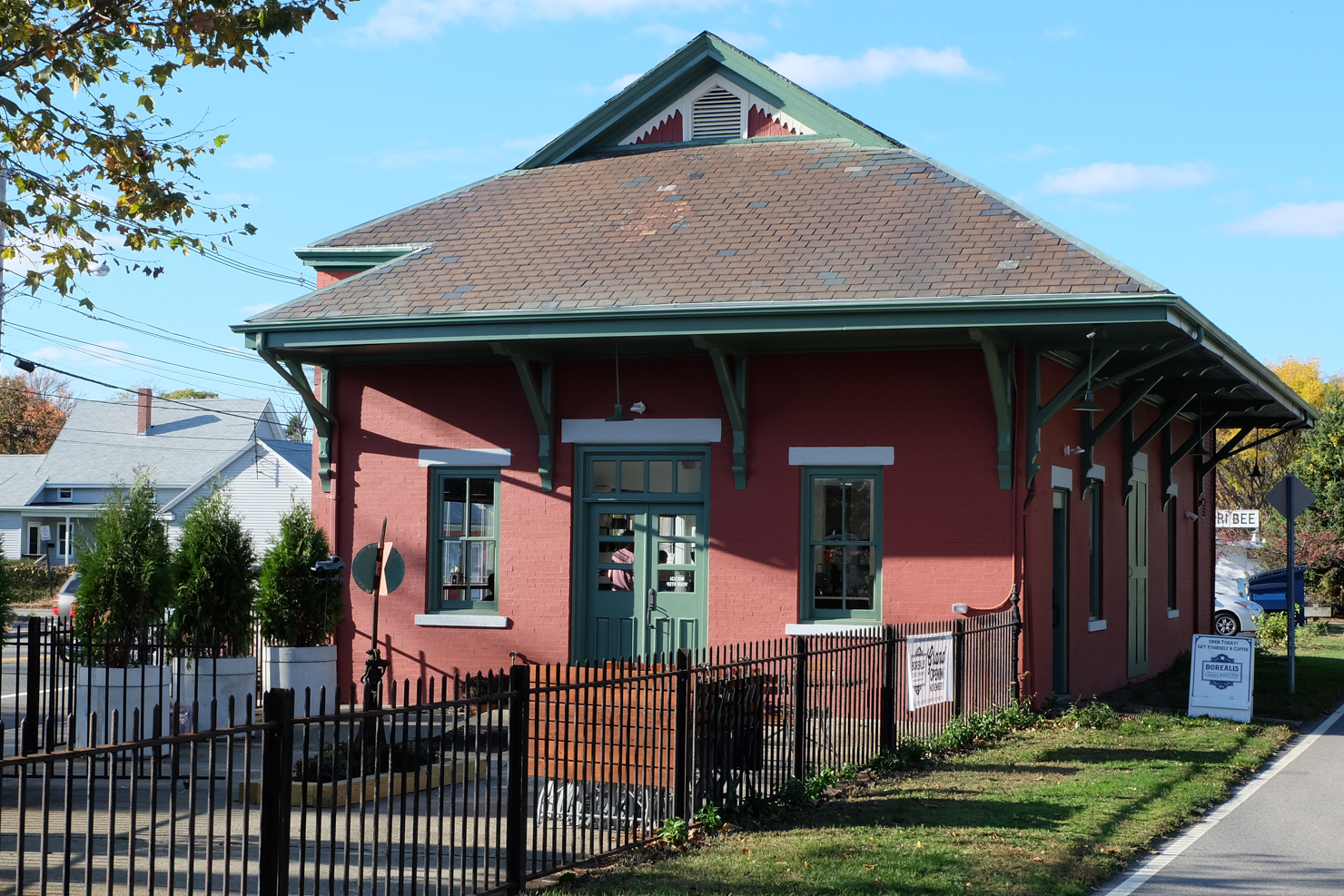
borealis coffee company riverside rhode island roaster cafe sprudgeBorealis Coffee Company opened its doors in Riverside, Rhode Island, in August 2016. The roaster and cafe has found its home in an old train depot built in the 1850s. Train tracks that once ran along its side are no more, replaced by a 14.5-mile-long bike path. Step into the red-brick building and you’d think the depot had been left mostly untouched, that a cafe counter and some furniture had simply been carried into the historic building, ready for business. The reality was a bit messier.

borealis coffee company riverside rhode island roaster cafe sprudgeBorealis’s founder, Brian Dwiggins, fell in love with the structure at first glance. Once inside he found that the previous incarnation of the depot was a tanning salon. Seeing potential in what the building once was, Dwiggins called in favors from friends and family and got to gutting and rebuilding the interior from scratch. They removed drop ceilings, mini tanning rooms, horse-hair plaster, and paneling. Now high ceilings, wide windows, wainscoting, natural woods, and copper accents give a forgotten dignity back to the former station.

borealis coffee company riverside rhode island roaster cafe sprudge

Brian Dwiggins of Borealis Coffee Company

The cafe hopes to become a community hub for the Riverside populace, a place where everyone feels welcome. Two-dollar batch brews are always on the menu, as well as a variety of choices for pour-overs and espresso based drinks. Both traditional and adventurous palates can find something here to satisfy.

borealis coffee company riverside rhode island roaster cafe sprudge

Borealis has been a long time in the making. Dwiggins grew up drinking locally roasted coffee in Anchorage, Alaska. Back then he took it for granted that his home’s vibrant coffee culture and numerous coffeehouses were common everywhere. After moving to New England in the early 2000s and seeing a sterile sea of corporate coffee, however, he realized that wasn’t the case. In 2010 he began hobby roasting on a Behmor home coffee roaster and became addicted. “I was fascinated by how you could roast the same coffee a dozen times,” he says, “and each time it could taste different.”

At that time Dwiggins was working in movie lighting, and he began bringing his home roasts to the job. People took notice of the set-lighter with the hand grinder and began to ask questions. “I’ve made Salma Hayek a cup of my coffee…I guess that’s pretty cool,” Dwiggins chuckles. The interest he saw from his co-workers spurred him to go bigger. Shortly after, he was attending an intensive roasting workshop and searching relentlessly online for a roaster. Soon, he and an orange, five-kilogram Probat roaster became Borealis Coffee Company. One of the many old mill buildings in the area became their base. A few years later, after burning out working weekdays on film sets while spending weekends roasting and attending farmers’ markets, he decided to go all in on coffee.

borealis coffee company riverside rhode island roaster cafe sprudgeNow, at the end of their third month, Borealis has begun to settle into its new home. What was once a one-man operation is now helmed with an eager staff of coffee enthusiasts. The baristas serve up a Chemex with a smile, and can be caught tinkering with recipes between customers. Curious locals are starting to become regulars, cyclists out on long rides now have a pit stop, and coffee geeks have another roaster to frequent—the old railroad station, long dormant, is a hub once more.

Borealis Coffee Company is located at 250 Bullocks Point Avenue, Riverside, Rhode Island. Visit their official website and follow them on Facebook, Twitter, and Instagram.

Eric Tessier is a freelance journalist based in Tokyo. Read more Eric Tessier on Sprudge.

The post On The Right Side Of The Tracks At Borealis Coffee In Rhode Island appeared first on Sprudge.


from RSSMix.com Mix ID 8200593 http://sprudge.com/borealis-coffee-company-111253.html

Conjunction Junction: And Coffee Roasters Brings Specialty to Kumamoto

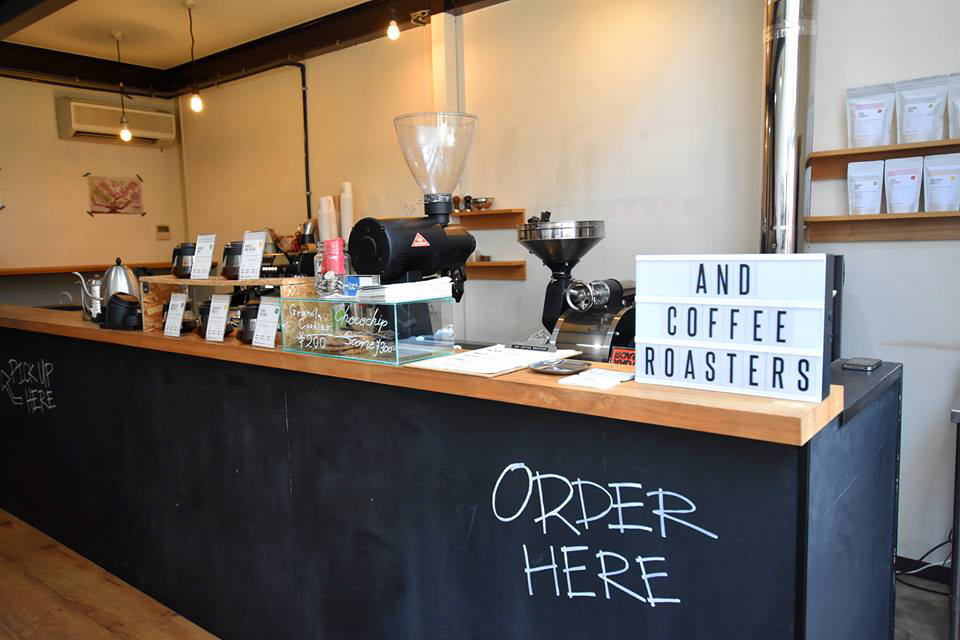
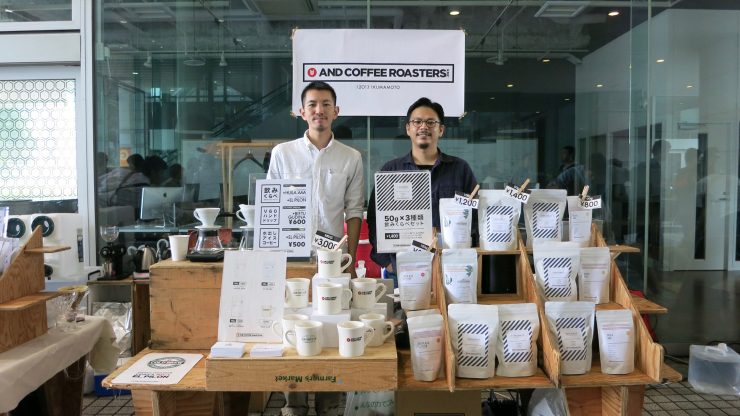
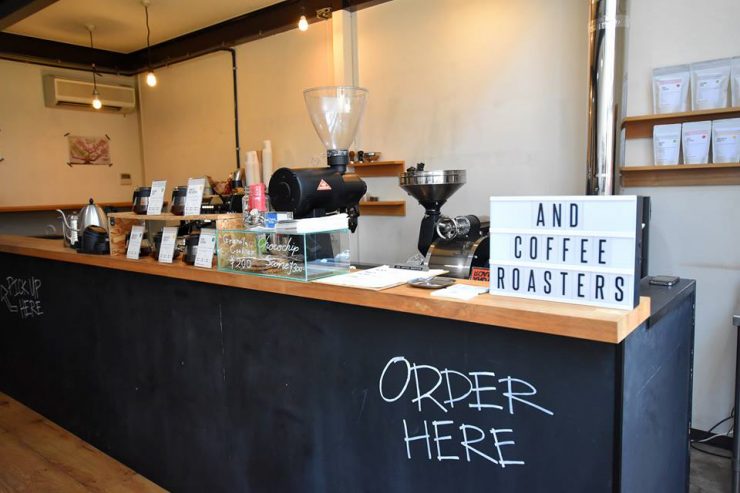
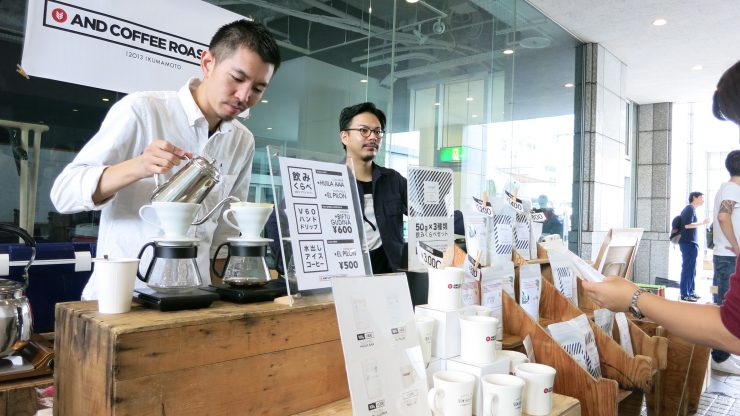
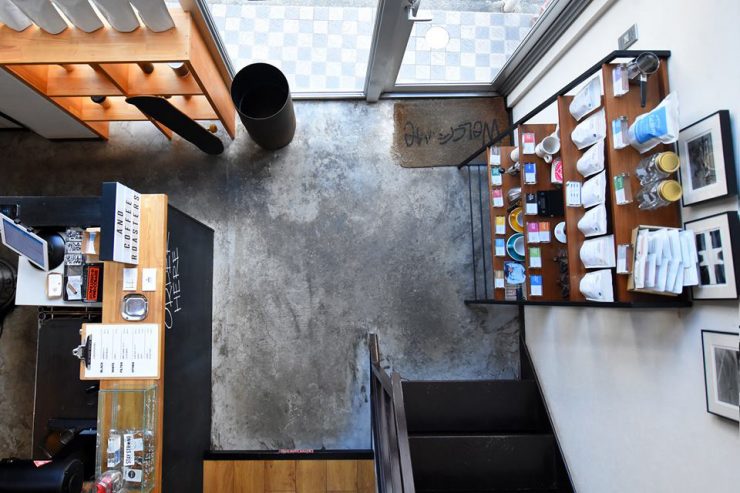
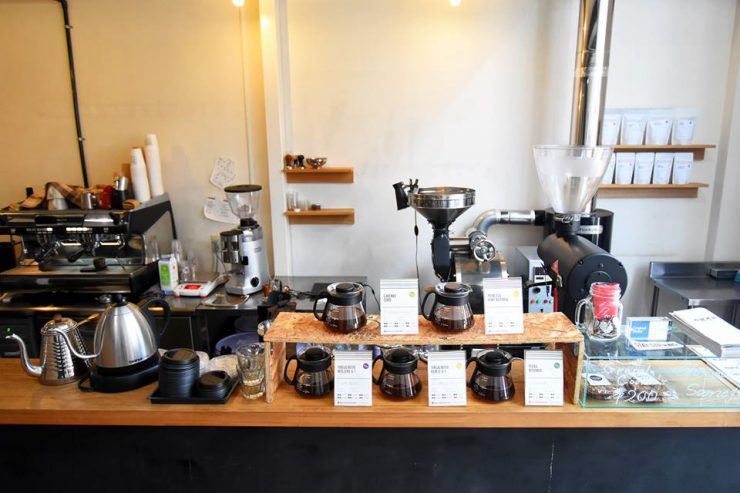
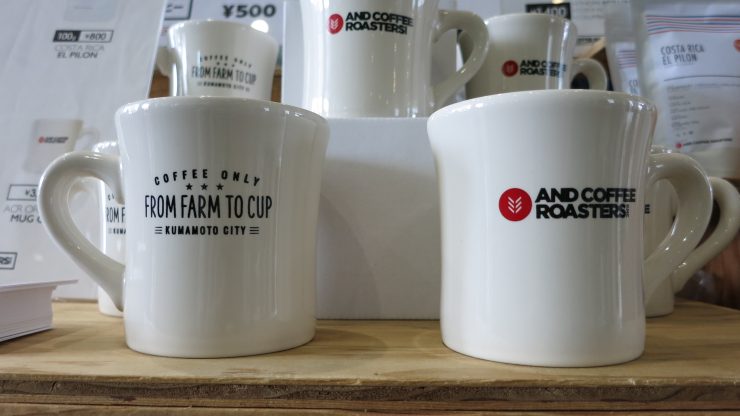
and coffee roasters kumamoto japan tokyo coffee festival cafe sprudge

Yusuke Yamane (right) with Ryuichiro Saiki of And Coffee at the Tokyo Coffee Festival.

When I heard And Coffee Roasters would be at the 2016 Tokyo Coffee Festival, I thought it would be a good chance to learn more about them. And Coffee has been at every specialty coffee event I’ve known, and I often see its coffee in and around Tokyo. That always struck me as funny, finding a Kumamoto-based coffee shop weaving its way into the specialty coffee scene here.

and coffee roasters kumamoto japan tokyo coffee festival cafe sprudge

…which has left no one to mind the shop.

Kumamoto is located on the island Kyushu in the south of Japan. As the region is best known for Fukuoka, Nagasaki, and Hiroshima, Kumamoto sometimes feels like a distant fourth. Yeah, there’s Kumamoto Castle and Mount Aso, but it lacks the excitement and history of other cities in the area.

And Coffee opened in Kumamoto in 2013, when owner Yusuke Yamane moved there with his wife. Before that, he says he was self-taught, and that he developed an interest in specialty coffee while on exchange in New York about 10 years ago. But when he came back to Tokyo, he found good coffee to be something of a rarity.

and coffee roasters kumamoto japan tokyo coffee festival cafe sprudge

Yamane is quiet and soft-spoken, with the aura of a kindly uncle, and it’s easy to picture him roasting quietly at home—first with a hand roaster, then an electric one, honing his craft over time. He says experimentation was his first teacher; roasting and cupping meant slow and steady improvements.

The other instructor, he says, was travel. “I thought if I didn’t taste and experience good coffee, I wouldn’t be able to make it myself,” says Yamane. “You have to know what’s delicious, and what’s good.”

Over the years, Yamane has been to Portland, San Francisco, Seattle, Sydney, and Melbourne. He makes a point of going somewhere once a year to see what’s developing in coffee elsewhere. He hopes to begin visiting farms next year, too.

When And Coffee first opened, Yamane says it was tough going.

“In Tokyo, because of TV shows and magazines, the spread of coffee has been explosive, but in the countryside there’s no such push, so it’s a slow climb. Sometimes it’s hard because there aren’t any other shops to share information with.”

and coffee roasters kumamoto japan tokyo coffee festival cafe sprudge

Yamane says he’s grateful too for the dedicated Tokyo coffee scene. When the earthquake hit Kumamoto in April earlier this year—and everything stopped—it was the help of others that got the coffee shop back on its feet.

“Right after the earthquake, people weren’t leaving their homes, and of course they weren’t buying coffee,” he says. “But I still had staff to pay even though we couldn’t open for two weeks. It was bad, and it was hard, but Atsushi from Onibus Coffee, and Kenji from Fuglen—lots of Tokyo coffee shops, actually—said they would buy our beans to support us during the recovery period. I’m really grateful to them for that.”

and coffee roasters kumamoto japan tokyo coffee festival cafe sprudge

This felt very much a picture of the Tokyo coffee scene as I’ve come to know it. There’s a feeling that everyone’s in it together, roasting, brewing, and sharing the coffee they believe in.

And if one of those shops happens to be in the little town of Kumamoto? They get just as much love.

Yamane says there are plans to open a shop in Fukuoka soon, as well as a headquarters for sourcing new coffee and creating direct-trade relationships with farms. He says it’s hard to source coffee here, so many shops end up buying from the same places; creating more variety and diversity among coffee shops in Japan is among his goals.

and coffee roasters kumamoto japan tokyo coffee festival cafe sprudge

But for the time being, Yamane wants to establish and maintain specialty coffee culture in Kumamoto. “Even now,” he says, “people here say specialty coffee is sour. But there’s a worth and motivation to being [in Kumamoto]: in a place that has nothing, you can build something up.”

And Coffee Roasters is located at 11-22 Kamitoricho, Chuo Ward, Kumamoto, Japan. Visit their official website and follow them on Facebook and Instagram.

Photos courtesy of Yusuke Yamane.

Hengtee Lim is a Sprudge staff writer based in Tokyo. Read more Hengtee Lim on Sprudge.

The post Conjunction Junction: And Coffee Roasters Brings Specialty to Kumamoto appeared first on Sprudge.


from RSSMix.com Mix ID 8200593 http://sprudge.com/conjunction-junction-and-coffee-roasters-brings-specialty-to-kumamoto-111483.html

Origin, Altitude, Notes: How to Buy Coffee You’ll Like

Coffee bag labels can be confusing, especially if they’re specialty coffee. They may leave you with questions like: Why does the altitude matter? What’s the difference between a cinnamon roast and a cinnamon note? Is direct trade or Fairtrade better? But once you understand these descriptions, they can help you find the perfect bag of coffee for you.

So we looked for videos that explain, without the geek speak, exactly what this all means and what you should look for when buying coffee. Read on to discover what those coffee labels actually mean.

How to Understand Coffee Bag Labels

In this short-and-sweet clip from Epicurious, Mike Phillips of Intelligentsia Coffee explains some of the most important things to look for on coffee labels: the country and region of origin, the varietals, the roast date and roast profile, different certifications, and more.

As he says, this is important not just because it helps you to know the coffee quality. It also helps you to understand why you like certain coffees – and to buy similar ones in the future.

SEE ALSO: Bourbon vs Caturra: What’s a Varietal & Why Should I Care?

Why Do Coffee Bags Mention Altitude?

But wait: Mike also mentioned altitude, but he didn’t explain why that’s important. So what does altitude have to do with your coffee’s flavour?

Well, often the higher the altitude, the sweeter the coffee is. There are exceptions to this, and the varietal and origin can also change it – for example, generally speaking the further away from the equator, the sweeter lower-altitude coffee will be. Want to know more? Colombia Coffee Hub explains it all in just 180 seconds:

SEE ALSO: Why Does Altitude Matter? A VIDEO Guide

What Else Should I Look for on My Coffee Bag?

These videos cover the main things you’ll find on your coffee label. But once you start to get more into buying specialty coffee, you may notice some other descriptions.

Coffee processing refers to how the coffee bean was removed from the coffee fruit. Some types of coffee processing will give the coffee a “clean” taste, while others will add a sweeter or fruitier element.

You’ll also see coffee notes or taste profiles, which will describe things like a “chocolate aftertaste” or “high acidity“. These take a little practice to detect, but can really help you find the perfect cup for you.

This may seem like a lot of information, but once you start looking at what labels on coffee bags mean you’ll quickly realise what coffees you enjoy best. So give it a try: look at the label of your favourite coffee and work out why you like it so much – and how to discover new coffees that you’ll also love.

Feature photo credit: AirlieAce0316 via Wikimedia Commons, CC BY 3.0

Please note: Perfect Daily Grind does not own the rights to these videos and cannot be held accountable for their content.

Want to read more articles like this? Sign up to our newsletter!

The post Origin, Altitude, Notes: How to Buy Coffee You’ll Like appeared first on Perfect Daily Grind.


from RSSMix.com Mix ID 8200593 https://www.perfectdailygrind.com/2017/03/origin-altitude-notes-meaning-how-to-buy-coffee-like/

Wednesday, March 1, 2017

Perspectiva del Productor: ¿Vale Arriesgarse Producir Café Orgánico?

Volverse orgánico no es una decisión que se toma a la ligera, la producción de café implica una visión a largo plazo, una comprensión profunda de las plantas de café y creatividad. La producción orgánica de café requiere de lo mismo, pero en dosis más grandes.

Hablamos con Oscar Omar Alonso, un micro productor de café de Honduras quien ha estado trabajando con Café Orgánico Marcala (COMSA) para volverse orgánico. No ha sido fácil, de hecho él ha tenido pérdidas devastadoras pero dice que valió la pena. A continuación lo que nos dijo.

English Version: Producer Insight: Is Organic Coffee Farming Worth the Risk?

Oscar Omar Alonso

Una Industria Retante

“La producción de café no genera lo suficiente en nuestra región, y tenemos que invertir mucho para producir. De modo que tenemos que innovar constantemente y debemos inventar nuevas formas de mejorar la calidad del café”, dice Oscar.

De acuerdo con The Telegraph, el 92% de los 110.000 productores de café de Honduras son pequeños propietarios. Los cuales son particularmente vulnerables a las fluctuaciones del mercado y malas cosechas.

“Crecí en una situación difícil, mi padre fue asesinado cuando yo tenía 5 años y crecí con mi abuela. Era difícil hacer que nos alcanzara el dinero, así que mi familia y yo tuvimos que luchar mucho… tuvimos que empezar prácticamente de cero.”

“En 1994, conocí a Rodolfo Peñalba, quien es ahora el Gerente General de COMSA.” COMSA es una cooperativa de café orgánico que trabaja por la conservación del agua y el suelo, como también la conservación de la flora y fauna de la región. La erosión del suelo y la contaminación del agua pueden causar serios problemas a los productores y al medio ambiente, mientras que la biodiversidad brinda protección de las plagas.

“Él me motivó… y yo seguí su consejo. Se necesita de ideas y no dinero. Si solo buscamos dinero y no ideas, nos acostumbramos a gastar en lugar de crear.”

COMSA

Rodolfo Peñalba (left) y Henry Wilson (centro) encuentro en COMSA.

Pasando a Orgánico

“Cuando yo tenía 6 años, sembré mis primeros 25 árboles de café”, me dice Oscar. “Cuando tenía 25 años en 1997, sembré 1.500 árboles de café en mi finca, en ese entonces utilizaba fertilizantes químicos.”

Luego Oscar decide volverse orgánico, tenía una plena convicción de que mejoraría su café y protegería el medio ambiente. De modo que con el apoyo de Rodolfo Peñalba, hace la transición.

Pero los resultados lo sorprendieron.

“Producía 850 quintales (aproximadamente 39.100 kg) de café en el año 2000. Pero cuando pasé a ser orgánico, la producción disminuyó a 80 quintales (aproximadamente 3.680 kg)”

La disminución en la producción es común con el café orgánico, pero Oscar había perdido cerca del 90% de su producción normal. Él pensó que no iba a sobrevivir, que nunca iba a ser rentable, me dijo que comenzó a tomar y que incluso era mejor morir.

La producción orgánica puede provocar una disminución en la cosecha.

cafe organico

Crédito: Federico Bolaños via Café Tuxpal

Encontrando la Motivación para Continuar

Hubiera sido fácil para Oscar renunciar a la producción de café orgánico. En lugar de eso, él buscó una nueva motivación y la encontró en la imagen de una bicicleta.

“Cuando conduces una bicicleta, tienes que pedalear para avanzar, tienes que seguir y pensar cómo mantener el equilibrio ya que una bicicleta no tiene reversa. Una bicicleta fue mi inspiración en el momento más difícil de mi vida”, dice.

Cual bicicleta, se volvió su lema. De hecho, cambió el nombre de su finca por Cual bicicleta, y se siente orgulloso cada vez que vende el café con este nombre.

cafe cual bicicleta

Cual Bicicleta en la etiqueta de una bolsa de café. Crédito: Oscar Omar Alonso

Te puede interesar: Cómo los guatemaltecos de Ixil están combatiendo la Roya de forma orgánica.

Probando Métodos Experimentales

“Soy el primer productor en Honduras que usa la cáscara de coco, la cual es rica en minerales para los fertilizantes orgánicos,” dice Oscar. Y es esta técnica lo que él considera que le brinda perfiles increíbles de sus cafés.

Él produce micro lotes de alta calidad y me dice que la cáscara de coco les aporta una fuente importante de minerales y humedad. Reúne las cáscaras vacías y las entierra al pie de los árboles de café durante la época seca cuando los árboles necesitan más esa humedad extra.

Le tomó mucho tiempo para descubrir esta técnica, con el paso de los años experimentó con diferentes frutas para conocer cual tendría el mejor efecto en el cultivo. Pero fue la cáscara del coco lo que él percibió que brindaba un mayor impacto.

cascaras de cafe

Oscar Omar Alonso al frente de las cáscaras de coco que planea sembrar. Crédito: Henry Wilson

¿Valió la Pena Volverse Orgánico?

Oscar consiguió la certificación Orgánica y de Fairtrade en el año 2001. Y desde ese entonces, dice que ha notado un crecimiento significante en tanto la calidad como el precio de su café con el paso de los años. Hoy, recibe 325 dólares por quintal, más 15-25 centavos de dólar por libra por su calidad. Su café se vende en Taiwán, Corea, Estados Unidos, entre otros, a través de empresas como Royal Coffee.

Esto no sucedió de la noche a la mañana. Le ha tomado a Oscar 15 años y mucho trabajo para lograr este éxito. Pero a pesar de las dificultades, dice que la producción de café orgánico es lo mejor que pudo haber hecho.

Entrevista realizada por H. Wilson, CEO y fundador de PDG y A. K. Molina Ospina. Escrito por A. K. Molina Ospina.

Royal Coffee es patrocinador de Perfect Daily Grind. Perfect Daily Grind no está asociado con ninguna de las personas mencionadas en este artículo. Esta entrevista fue realizada, escrita y publicada de forma independiente de Royal Coffee.

¿Quieres Seguir Leyendo Artículos Como Este? ¡Suscríbete Aquí!

The post Perspectiva del Productor: ¿Vale Arriesgarse Producir Café Orgánico? appeared first on Perfect Daily Grind.


from RSSMix.com Mix ID 8200593 https://www.perfectdailygrind.com/2017/03/perspectiva-del-productor-vale-arriesgarse-producir-cafe-organico/

Ritual Coffee Is Part Of A Co-Branded Cannabis Infused Cold Brew

02f3094b-fullsizerender

Have you ever been perusing Twitter, reading Coldbrew420 tweets and been like, “I wish there was a 420 cold brew?” Well, thanks in part to Ritual Coffee Roasters, now there is. The San Francisco-based coffee roasted has teamed up with Somatik–a Bay Area startup entering the world of pot products—to create the first of its kind (as anyone can tell) co-branded cannabis infused cold brew.

Coffee and cannabis run in similar circles. From Amsterdam’s “coffeeshops” to pot-infused bulletproof coffee pop-up at Trichome in Seattle (who happens to currently be selling a Marley bubbler that, from overhead, looks exactly like a portafilter), the worlds of high-end coffee and cannabis are often simpatico. Somatik represents the next step in the symbiosis, and according to many folks the San Francisco Chronicle interviewed for the story, is a “watershed moment for marijuana branding.”

“I think it’s really brilliant because it gives them a differentiation,” [high-end food, wine and beer marketing agency Veritcal founder Bill] Kerr said. “Edibles up until now have been driven by, ‘Hey, there’s cannabis inside it.’ This absolutely makes sense. There are coffee connoisseurs like there are cannabis connoisseurs, and they both really care about the sourcing and all the nuances.”

Working with Ritual, Somatik founder Christopher Schroeder tasted 40 different cold brews before landing on an offering from Gigante, Colombia for its “kind of chocolatey flavor” and “top notes of citrus and currant.” Roasted and ground by Ritual, the Colombian coffee is then sent to Somatik for a 12-hour cold brew and THC oil infusion equal to 15mg per eight ounce bottle.

Somatik is currently only available in medical dispensaries but hopes to move beyond that realm once new laws are enacted in 2018 that allow retail sales outside medical dispensaries. So for now you’re gonna have to infuse your own Ritual cold brew with THC oil to get the Somatik effect, assuming it’s legal in your neck of the woods of course. We’d never endorse you breaking any laws.

Zac Cadwalader is the news editor at Sprudge Media Network.

*top image via Somatik

The post Ritual Coffee Is Part Of A Co-Branded Cannabis Infused Cold Brew appeared first on Sprudge.


from RSSMix.com Mix ID 8200593 http://sprudge.com/ritual-coffee-part-co-branded-cannabis-infused-cold-brew-116477.html

Decadent Pastry And Light Bites At Mokonuts In Paris

mokonuts cafe coffee paris france L'Arbre à Café sprudge

It’s le gôuter hour in Paris, and the warm scent of cookies baking is distracting me from Moko Hirayama’s story. The former lawyer is now a formidable pastry chef and co-owner of cafe and bakeshop Mokonuts with her partner, chef Omar Koreitem. Her discretely decadent creations are surprising and a little unexpected, much like Mokonuts itself. Combining elements of a coffee shop and a restaurant, the low-key space adapts to the day’s clientele, from breakfast and lunch to late-afternoon indulgences.

mokonuts cafe coffee paris france L'Arbre à Café sprudge

Koreitem and Hirayama opened Mokonuts near Place de la Nation in summer 2016. Loosely inspired by American- and English-style coffee shops, the mellow blend of cafe and restaurant is underscored by fine dining craftsmanship. “The idea was to open a coffee shop where we would serve good food,” says Koreitem. “[It] turned into a restaurant that serves good coffee.”

Koreitem’s concise, Mediterranean-influenced menu changes daily based on what local produce is available, but it usually includes four starters, two mains, and a variety of desserts—including Hirayama’s fresh-baked cookies in flavors like coconut-black pepper, peanut butter, and white chocolate-olive. Her lighter, savory take on American home-baked classics offers a refreshing change of pace from typical coffee shop sweets.

mokonuts cafe coffee paris france L'Arbre à Café sprudge

Both of them self-taught chefs, Koreitem and Hirayama came to fine dining and coffee in their 30s. Each forged an unconventional path, following a series of internships and jobs in enviable kitchens in the US, the UK, and France. They also both discovered the joys of coffee through their work in food but felt truly good coffee was often lacking in restaurants.

“We knew that if we were to open our own venture it would not be a restaurant,” says Koreitem. “We thought, why not bring what we know into a coffee shop setting?” The result is a comfortable space with a wide-open kitchen where guests can sip a Kent d’Unna filter coffee from L’Arbre à Café or a Japanese roasted barley tea while watching Koreitem sear squid and Hirayama mix batter. “We did not want this place to look like a restaurant,” says Koreitem. “We wanted people to feel like they were coming to someone’s house.”

mokonuts cafe coffee paris france L'Arbre à Café sprudge

mokonuts cafe coffee paris france L'Arbre à Café sprudge

The only compromise there would be the small, gleaming La Marzocco Linea PB tucked in a blue-and-yellow-tiled corner. “In the entire restaurant, the most expensive material is the coffee machine,” jokes Hirayama. She and Koreitem are not certified baristas, but they trained with a local barista and regularly tap into the wealth of expertise now present in Paris. Their coffee meets with approval from professionals and the average passerby alike—and goes perfectly with a fresh-baked cookie at snack time.

Mokonuts is located at 5 Rue Saint-Bernard, Paris. Follow them on Facebook and Instagram.

Kate Robinson (@KateOnTheLoose) is a freelance journalist based in Paris. Read more Kate Robinson on Sprudge. 

The post Decadent Pastry And Light Bites At Mokonuts In Paris appeared first on Sprudge.


from RSSMix.com Mix ID 8200593 http://sprudge.com/mokonuts-111866.html

Spout Coffee: A Modern Container Coffee Shop In Pretoria

spout coffee company pretoria south africa cafe sprudge

Pretoria, South Africa isn’t really on the coffee circuit. The administrative capital of South Africa, the city exists within reach of the sprawl of more well-known Johannesburg, and is home to countless government offices and administrative workers involved in running the country day to day. But Pretoria is also a city that celebrates South Africa’s more leftfield trends and characters, with a mix of artists and performers like musician Karen Zoid, salt artist Percy Maimela, renowned designer Excelda Verwaayen, artist / folklorist Walter Battiss, and the enormously influential 20th century abstract artist Bettie Cilliers-Barnard, who passed away in 2010.

If Cape Town gets the country’s tourism, Pretoria has its creative sap. And so it follows, of course, that the city should be home to a fine cup of coffee.

spout coffee company pretoria south africa cafe sprudge

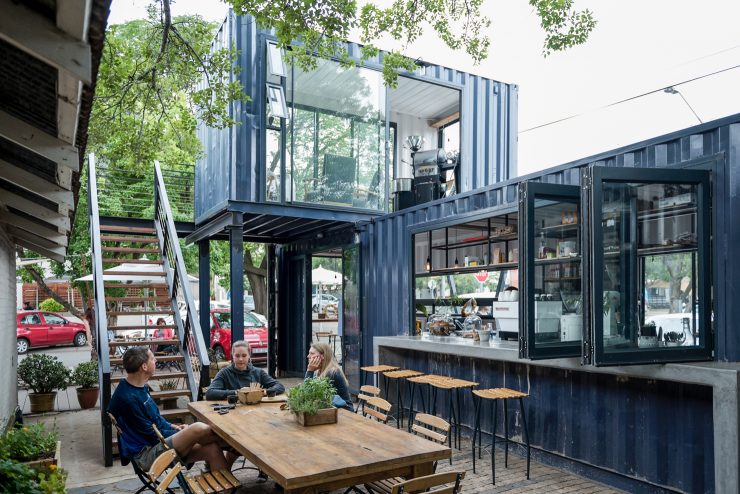
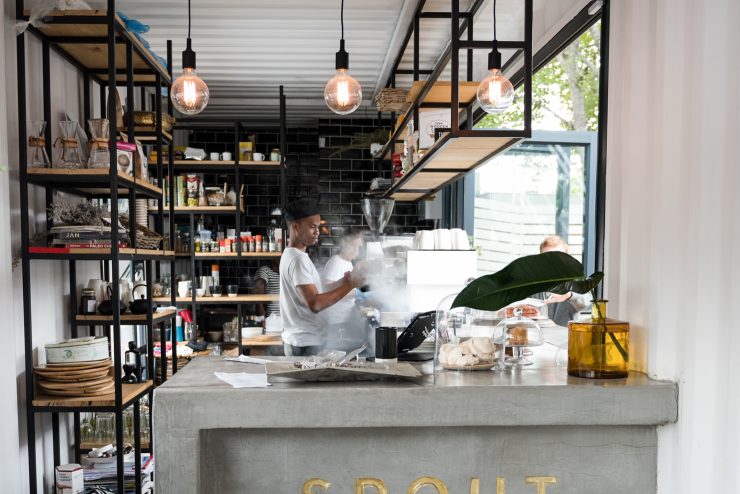
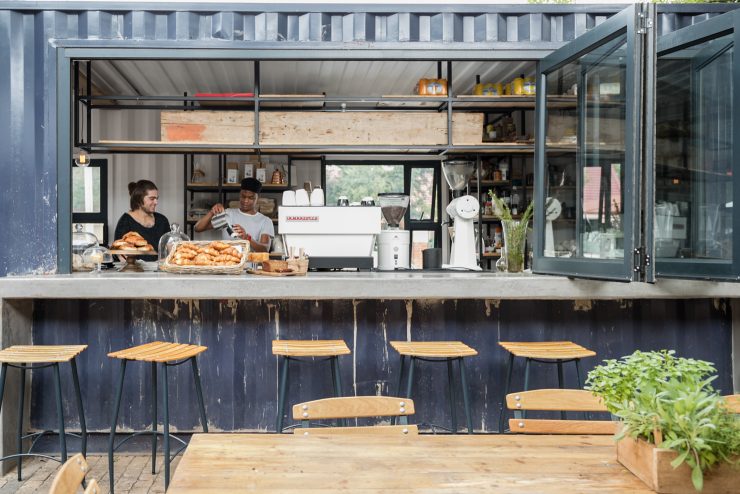
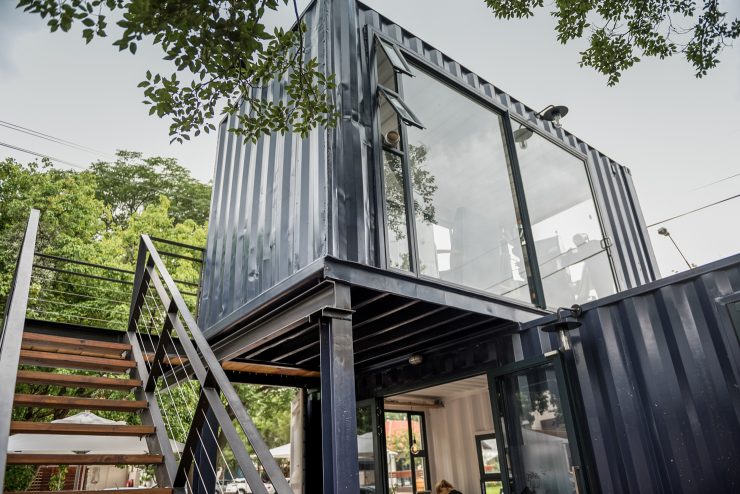
Spout Coffee Company is an eye-catching new Pretoria cafe, and yet, this is not just another hip joint that could be on any continent. The vibe here is more about “gut feel”, as Spout owner Philipp Exter tells me, on “gut feel” and feels utterly at home here in Pretoria, a town known to march to its own beat beyond the administrative buildings and worker bees.  For starters, the space has been built on unused lot space in Pretoria’s Hazelwood neighborhood, with the cafe occupying a pair of recycled shipping containers stacked on top of each other. It’s the first such recycled container space in the city, and the design touches throughout the small space help the bar to stand out.

As for the name, it just stuck with Exter and his wife, Veronica. With a dry one-liner Exter explains, “There are a lot of spouts in a coffee shop.”

spout coffee company pretoria south africa cafe sprudge

The shop opened in May 2016, after some years of Exter running mobile coffee services around the city. “Having an outlet that serves to provide excellent coffees seven days a week made sense as a natural growth phase in our business,” says Exter. “It’s been quite a big learning curve for a lot of the locals—being introduced to new flavors and methods of brewing—and they have taken really well to the espresso bar concept. The speciality coffee industry here is very young; nothing is cast in stone, and there is a big enough playground for various companies to create their own brand.”

On the roasting side, Spout sources its green coffee from Seven Oaks, an importer based in the Kya Sands neighborhood of Johannesburg. “We have access to all the major growing regions and their many varieties,” says Exter.

spout coffee company pretoria south africa cafe sprudge

The look of the cafe itself is attracting attention from both locals and out-of-towners. The glass house upstairs has seats for a lucky few, and also houses a 5-kilogram small batch roaster. From this perch you can look down across multi-restaurant development The Village, with its multitude of bistros, juice bars and gelato joints.

The constraints of being inside a shipping container help inform the space’s design. “Because we are located in a shipping container, we wanted to keep as many natural textures as possible, with touches of retro details here and there,” says Exter. In fact, there’s no shortage of details that help Spout stand out, from those exposed textures to the packaging, the decor, and the gorgeous handleless cups.

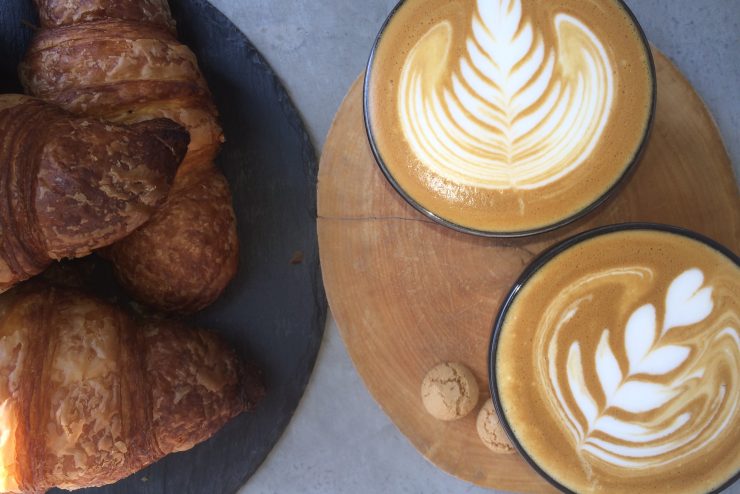
Other secret weapons include the cafe’s standout banana bread, as well as a newly added baked chocolate paté. “We serve this dotted with an espresso sabayon and finished with chocolate shavings and praline chips,” says Exter.

spout coffee company pretoria south africa cafe sprudge

Don’t let all this food talk obscure Spout’s raison d’etre. “I was introduced to Italian coffee machines 10 years ago,” says Exter of his path. “The Wega coffee machines we use at our mobile locations have over the years proved themselves to be extremely good workhorses.” Upon taking the permanent location the Exters decided to treat themselves to a La Marzocco Linea Classic AV, supplied by two Mahlkönig grinders close by, the EK43 and the K30 Air.

The menu of drinks covers the basics and then some, from flat whites and long Americanos to, in Exter’s words, “playful” dessert drinks such as an espresso with dulce de leche cream and an espresso with Indian tonic served as a summer coffee cocktail. “As our customer base has grown, we are gradually introducing pour-overs and AeroPress brewing methods,” he says, adding that coffee flights and food pairings are also in the works.

Once in a while a genuinely authentic and original espresso bar concept just dazzles you. In Spout Coffee, Pretoria has a winner.

Spout Coffee Company is located at the corner of 16th Street and Firwood Avenue, Pretoria, South Africa. Follow them on Facebook and Instagram.

Daniel Scheffler is a Sprudge staff writer at large. His work has appeared in T Magazine, Travel And Leisure, Monocle, Playboy, New York Magazine, The New York Times, and Butt. Read more Daniel Scheffler on Sprudge.

Photos courtesy of Rita-Mari Ludike and Spout Coffee Company.

The post Spout Coffee: A Modern Container Coffee Shop In Pretoria appeared first on Sprudge.


from RSSMix.com Mix ID 8200593 http://sprudge.com/spout-coffee-company-pretoria-112751.html