Tuesday, September 26, 2017

Mejor Café, Mejores Vidas: Por qué una Biblioteca Beneficia a los Productores

Mi hermana y yo nos propusimos rescatar la finca de café familiar pero terminamos estableciendo una librería familiar en el campo.

Nuestro país, Honduras, es reconocido tanto por su buen café como por sus problemas sociales: crimen, pobreza y desempleo. En el año 2014, el Banco Mundial indicó que el rango de pobreza era del 62.8%.

Sin embargo creemos que una biblioteca puede mejorar las vidas de las mujeres y los niños, incrementar los ingresos de las familias y ayudar a producir mejor café.

productor de cafe

English Version: Better Coffee, Better Lives: Why a Library Benefits Farmers

La Necesidad de una Solución Orientada en la Familia

Mi hermana, Sabrina y yo sabíamos que nuestra finca familiar estaba en una situación difícil. Luego de haber sido un hermoso lugar con árboles de café, árboles de frutas y abejas, se había convertido en un lugar insostenible.

Tampoco éramos la única familia con este problema. Las Manos, la comunidad vecina, también estaban en una situación difícil de insostenibilidad en sus fincas de café.

Queríamos un mejor modelo para la finca y para la comunidad. De modo que la producción orgánica se convirtió en nuestra misión. Llamamos un ingeniero agrícola especializado en producción orgánica e invitamos a la comunidad a participar en cursos gratuitos. Fue todo un éxito, muchos productores finalizaron los cursos llenos de  entusiasmo.

Sin embargo no estábamos satisfechos, queríamos más mujeres involucradas. Y veíamos a los niños y pensábamos en brindarles formas de desarrollar su creatividad al mismo tiempo que su educación.


Queríamos integrar soluciones sociales con soluciones económicas. Crédito: Sabrina Albir

Biblioteca Familiar en el Campo: Una Solución para todas las Temporadas

Nuestros objetivos eran ambiciosos. Queríamos ayudar a las madres a trabajar y brindarles independencia. Queríamos actividades para los niños y las familias, queríamos educación en producción orgánica. Queríamos tener prontas discusiones acerca de temas importantes como: abuso infantil, crianza, cultura hondureña, administración de negocios y más. Queríamos que Las Manos se volviera más creativa, organizada y emprendedora.

Y pensamos que una biblioteca familiar en el campo era la solución. Además, es una solución para todas las temporadas.

Cuando las madres deben trabajar en la finca, cosechar el café y secar las cerezas, los niños se pueden quedar en la biblioteca para cuidar de ellos. Y en otras épocas del año, cuando la gente no debe trabajar tantas horas en sus fincas, este es un lugar para cualquier persona de la comunidad.

Nos inspiramos en La Finca Humana, sabíamos que la agricultura orgánica y la educación pueden unir comunidades.


Recolectamos libros a través de donaciones. Crédito: Sabrina Albir

Construyendo la Biblioteca

Planeabamos en tener la biblioteca en la iglesia de la villa y en la escuela de primaria. Teníamos la ubicación, pero aún nos faltaban los libros. Afortunadamente, la villa nos apoyaba y la gente estaba dispuesta a donar libros.

La recolección terminó el 16 de Octubre, ahora estamos organizando la biblioteca y la pensamos abrir entre Diciembre y Enero.

La producción de café no está aislada. Es una comunidad la que siembra los granos, los cosecha, los procesa y los empaca. Y cuando esa misma comunidad tiene problemas, también los tiene la industria, cuando las mujeres no pueden trabajar, queda la mitad de recolectores. Cuando no se pueden cuidar los niños, se están abandonando los futuros productores de café. Y cuando los productores no saben acerca de las últimas técnicas de producción, nos damos cuenta en la taza.

Sin embargo, una biblioteca familiar en el campo puede educar los productores. Le puede proveer un espacio seguro para que los niños crezcan y aprendan, y le puede permitir a las madres trabajar en la finca.

Puede ser la clave para volver sostenibles nuestras fincas.

Escrito por C. Albir.

Traducido por A. Molina y Editado por Karla Ly

PDG Español

¿Quieres Seguir Leyendo Artículos Como Este? ¡Suscríbete Aquí!

The post Mejor Café, Mejores Vidas: Por qué una Biblioteca Beneficia a los Productores appeared first on Perfect Daily Grind.


from RSSMix.com Mix ID 8200593 https://www.perfectdailygrind.com/2017/09/mejor-cafe-mejores-vidas-por-que-una-biblioteca-beneficia-los-productores/

Coffee In California May Soon Come With A Cancer Warning

There’s a battle raging in the California court system right now over whether or not coffee should come with a cancer warning label. The suit, brought about by non-profit group the Council for Education and Research on Toxics, has been around since 2010 but resumed in the court on Monday. If successful, the lawsuit could cause substantial financial penalties to be levied against the 90 or so companies named.

According to CNBC, the entirety of the suit revolves around acrylamide, “a carcinogen found in cooked foods such as French fries that is also a natural byproduct of the coffee roasting process.” The article notes that the coffee industry acknowledge the existence of the chemical in coffee but states that it is harmless in the trace amounts present in coffee.

Named in the suit are companies as large as Starbucks all the way down to “mom-and-pop operations.” If the judge rules in favor of the non-profit, the defendants would have to post cancer warnings (in their California establishments) as well as pay civil fines up to “$2,500 per person exposed each day,” going back eight years “in a state with close to 40 million residents.” Which is to say, more money than God, though CNBC notes it is unlikely for the higher end of that figure to come to fruition.

The lawsuit is the result of California’s Safe Drinking Water and Toxic Enforcement Act, which allows “private citizens, advocacy groups and attorneys can sue on behalf of the state and collect a portion of civil penalties.” The same law was used by the non-profit in 2008, resulting in potato chip makers paying $3 million and agreeing to remove acrylamide from their products.

But according to CNBC, the Safe Drinking Water and Toxic Enforcement Act is complicated:

The law has been roundly criticized for abuses by lawyers shaking down businesses for quick settlements but is also credited with reducing chemicals known to cause cancer and birth defects, such as lead in hair dyes, mercury in nasal sprays and arsenic in bottled water.

The defense argues that coffee falls under an exemption to the law whereby chemicals that naturally occur from “cooking necessary for palatability or to avoid microbiological contamination” don’t require any sort of warning.

So while the legal battle continues, let it be known that coffee contains some trace amount of acrylamide, a known carcinogen. And it always has. Act accordingly I guess.

Zac Cadwalader is the news editor at Sprudge Media Network.

The post Coffee In California May Soon Come With A Cancer Warning appeared first on Sprudge.


from RSSMix.com Mix ID 8200593 http://sprudge.com/126337-126337.html

Metric Coffee At Chicago’s Museum Of Contemporary Art

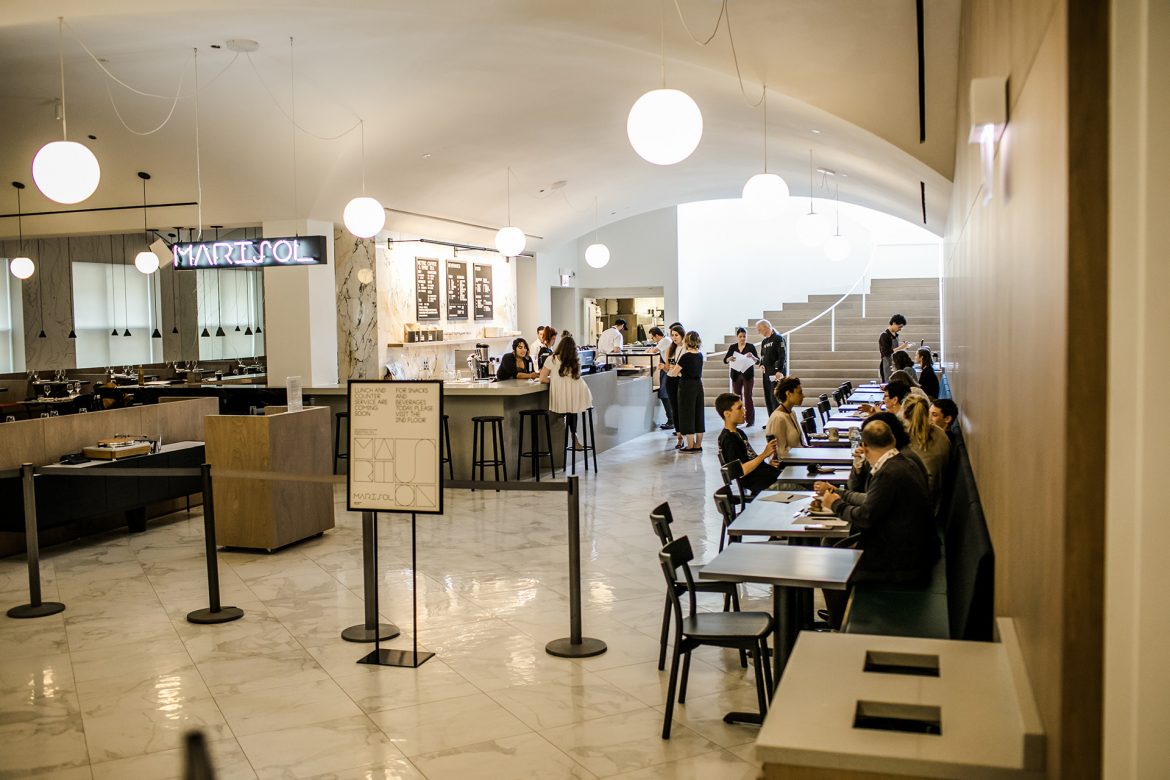
These days coffee goes wherever it wants to go, darling, and that means hot new coffee bars are popping up in otherwise unexpected places. One such trend we’ve been eying carefully is the fusion of high end coffee and high art, in the form of delightful coffee bar installations at lauded museums worldwide. One such new cafe opens today at the Museum of Contemporary Art in Chicago, in the heart of the Miracle Mile.

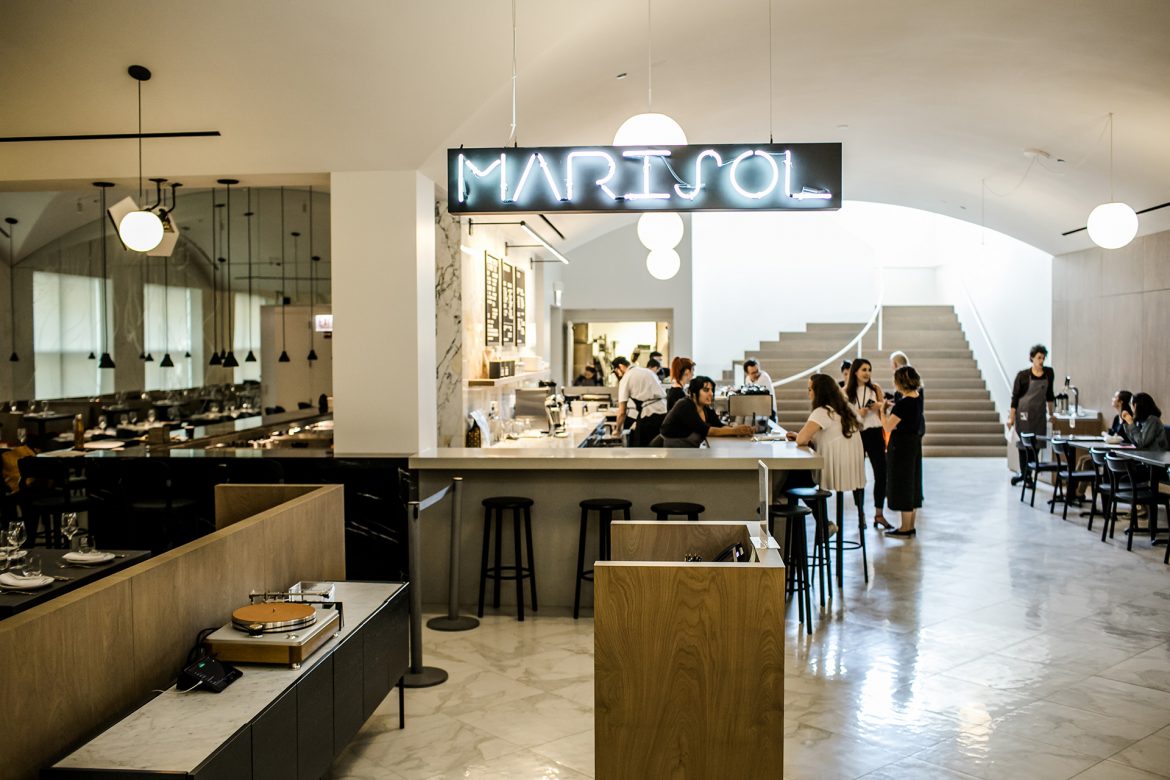
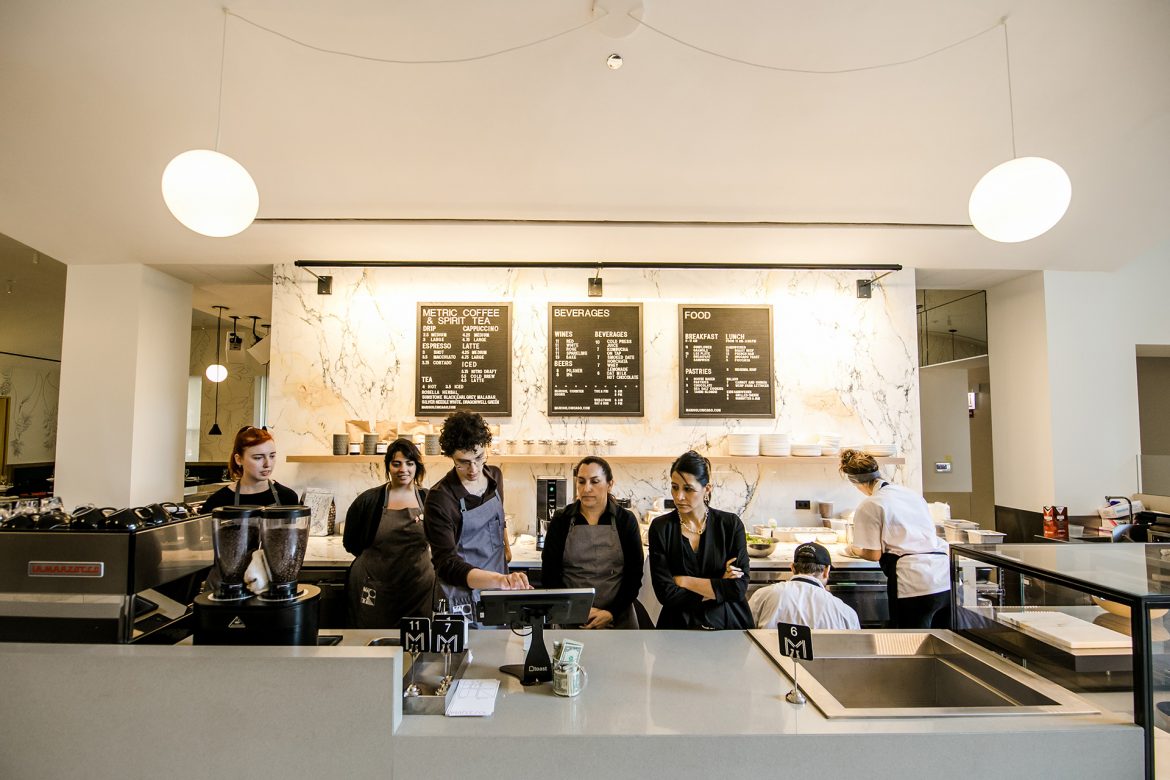
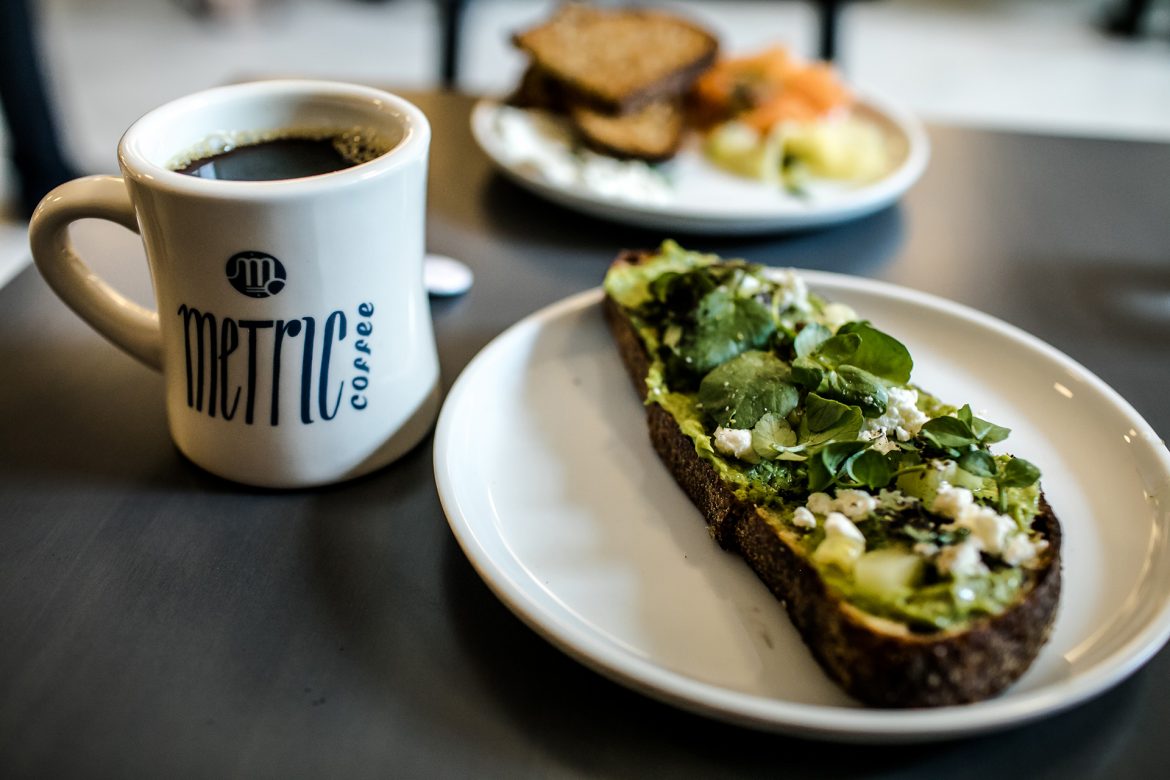
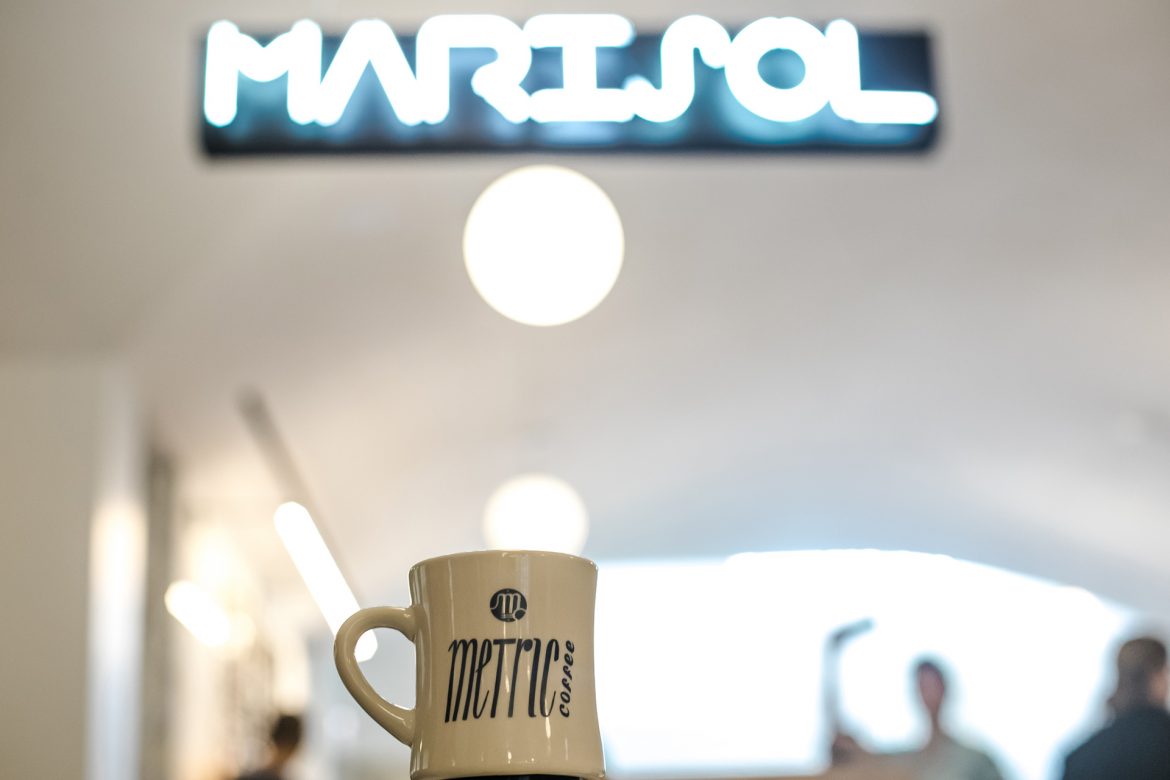
Dubbed “The Street,” this project is a collaboration between Jason Hammel and Metric Coffee. Metric needs no introduction to our readers—we’ve featured the Chicago coffee roasting brand previously on Sprudge—and Hammel is the noted chef behind Chicago’s much-loved and oft-suggested brunch/lunch/dinner destination Lula Café. He’s bringing not one but two concepts to the Museum of Contemporary Art: a restaurant, Marisol, and adjacent coffee bar, The Street, both featuring Metric Coffee.

Sprudge co-founder Jordan Michelman spoke with Metric’s Xavier Alexander to learn more about the project, which opens today. “We’re simply excited to serve our coffee at such a lauded institution,” Alexander tells Sprudge, “where our coffee can help immerse the visitor in an artful atmosphere.”
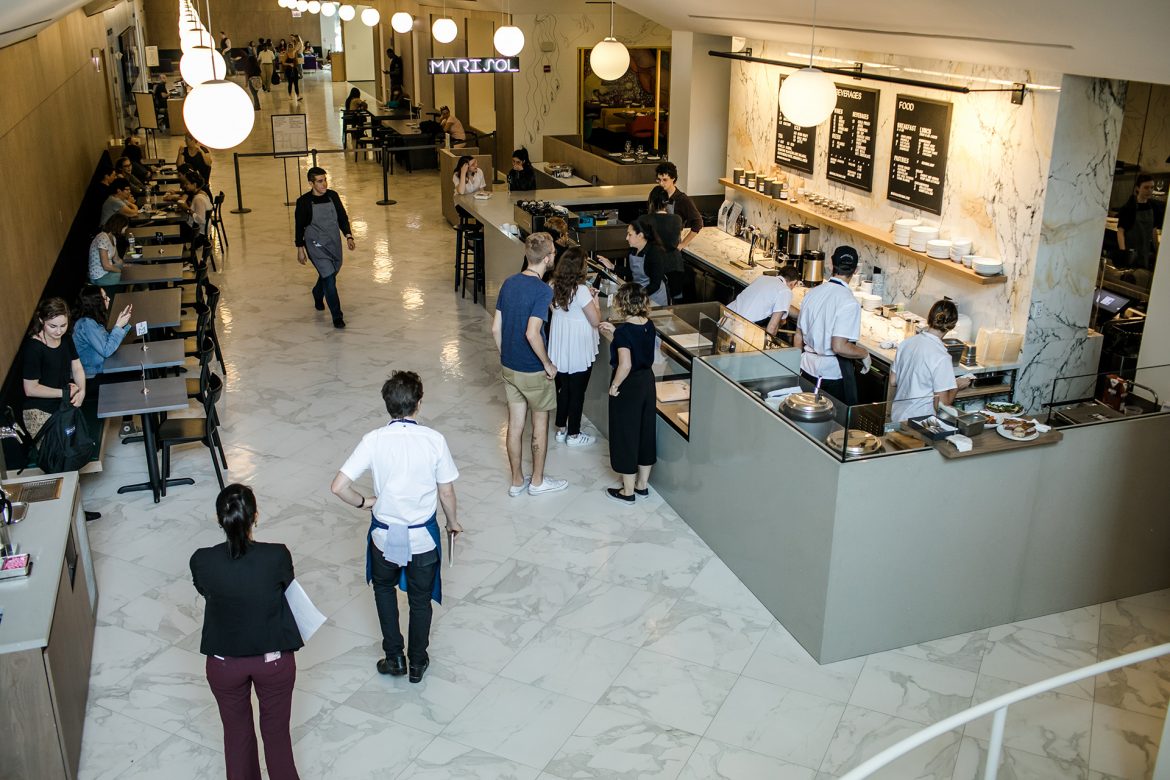
And the space itself is stunningly gorgeous, designed by LA design firm Johnston Marklee.

This is exactly where coffee should be in 2017: at home amongst art and culture, collaborating with top chefs, and doing it all in effortless Chicago big city style.

Hey Xavier—thanks for speaking with Sprudge. How long has this project been in development? When did you start working on it?

A little over a year ago, the first conversations with Chef Jason Hammel formulated. Our relationship with Hammel goes back a while though (his Logan Square staple, Lula Café, is a longtime/close wholesale partner). While initially the museum eyed larger brands, Hammel’s focus for a local, quality coffee and his rapport with Metric allowed for us to cement ourselves as Marisol’s mainstay roaster shortly after he was announced to be helming the Chicago’s Museum of Contemporary Arts (MCA) food program. From there, we were able to help develop a home for our coffee at the MCA both in the form of a restaurant, “Marisol,” and a walk-up coffee bar, “The Street.”

What special design features are in the cafe?

The cafe strives for a minimalist aesthetic. Natural light drips into the space and white Carra marble drapes atop the counters establishing a classic euro-inspired canvas for artfully prepared food and drinks to strikingly juxtapose. The restaurant possesses a more specific vibe. A Chris Ofili mural wraps around the space. And the soundscape will consist of rotating records curated by contemporary artist!

What gear will you have?

Trying to mirror the minimalist aesthetic, we aspired for streamlined and elegant gear to boot. A two-group La Marzocco Linea Classic, Mahlkönig K30 Twin grinder, and a FETCO XTS 2132 will churn out classic drip and espresso options (sans flavored syrups).

I know tea service is a feature here as well, working with Spirit Tea—why work with them?

Spirit Tea is a neighbor and a friend. But most importantly Spirit Tea is company focused on sourcing principles, similar to those that we practice. Spirit spends twenty percent of their year at origin promoting regional experts and seeking artistic offerings from Taiwan, China, and Japan. Pairing Spirit’s progressive tea sourcing with our coffee and Hammel’s seasonality focused dishes seemed hand-in-hand.

Did you work with a designer on this space? 

Due to the venue’s desire for privy, the project was fairly mum on all fronts with various specialists purely contributing their two cents to their respective fields. Therefore, our portion in the collaboration steered solely towards coffee: equipment, education, et cetera. We only recently were permitted to see the space designed by Los Angeles Architects Sharon Johnston and Mark Lee (of Johnston Marklee).

What challenges does working in a museum space like this present? What opportunities? 

With any wholesale relationship, it all boils down to two things: 1) “How do they serve our coffee?” 2) “How can we empower them to do so?” We’re excited about this relationship in particular because of Chef Hammel and the MCA’s commitment to quality. This will allow us to have an on-going relationship and education process, so that these coffees can continually have quality preparation and attention.

As for opportunities, we’re simply excited to serve our coffee at such a lauded institution, where our coffee can help immerse the visitor in an artful atmosphere, whether he or she is visiting a current exhibition or catching a MCA Talk (some of which have featured Solange Knowles and Chance the Rapper).

Have you lined up any special coffees or signature drinks for these spaces? 

The emphasis at Marisol and The Street will be on seasonal, fresh coffee options; therefore, the menu will be altering constantly to match. Currently a Honduras Santa Barbara, an Ethiopia Banko Guiti, and a Natural Process Brazil Mogiana are on docket; however, again, the offerings will rotate regularly. In addition, we’re excited about an innovative seasonal drink menu, e.g. Cascara Fizz, Whey Lemonade, and Smoked Date Horchata, which will really pop against the otherwise traditional menu. Down the road, single origin pour-overs will be introduced to the program.

Smoked date horchata, dang. Thank you Xavier. 

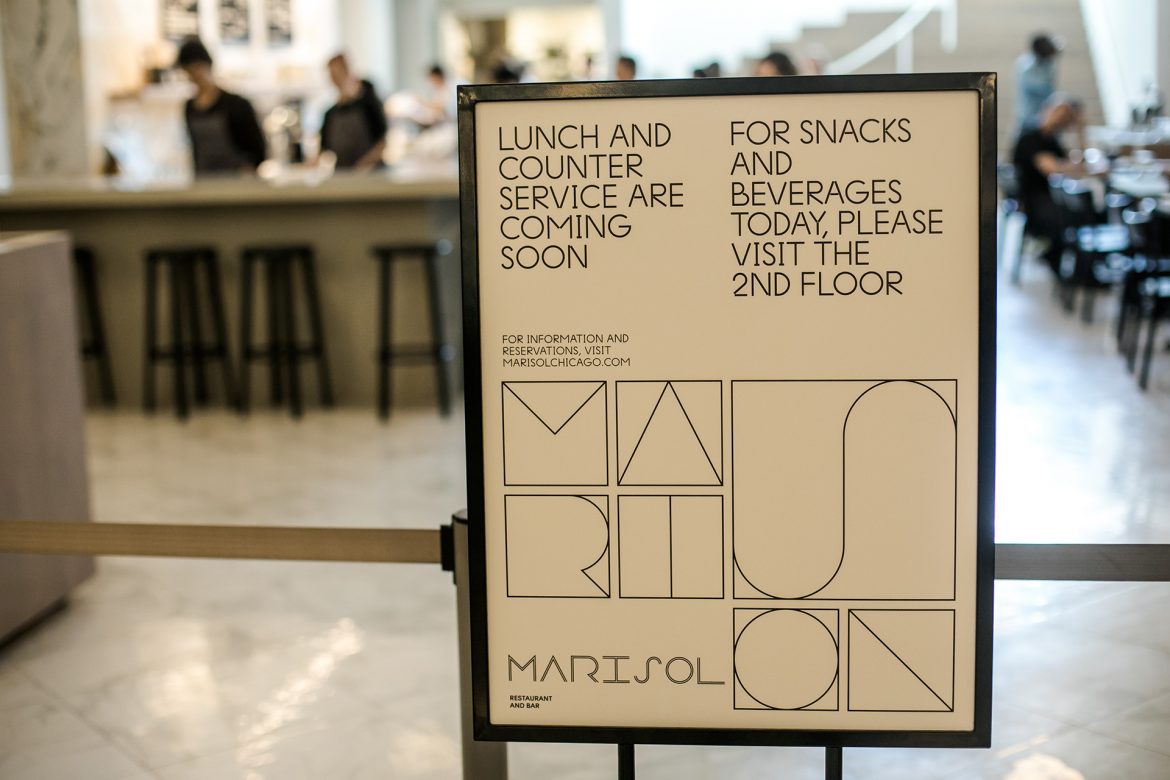
Marisol and its adjacent coffee bar, The Street, are located at the Museum of Contemporary Art (205 East Pearson Street) in Chicago’s Miracle Mile. The Street has hours Tuesday through Sunday, 8:00 am to 5:00 pm, and Mirasol serves from 5:00 pm to 10:00 pm (both are closed on Mondays). Lunch and brunch hours at Marisol coming soon.

Jordan Michelman is a co-founder and editor at Sprudge Media Network. Read more Jordan Michelman on Sprudge.

The post Metric Coffee At Chicago’s Museum Of Contemporary Art appeared first on Sprudge.


from RSSMix.com Mix ID 8200593 http://sprudge.com/metric-coffee-chicago-museum-126288.html

Brazil International Coffee Week Resalta la Diversidad de Cafés de Brasil

Hay pocos países con más impacto en la escena del café internacional que Brasil, el productor y exportador más grande del mundo. Y mientras tiene una reputación por cultivos básicos de baja calidad de chocolate y nueces, su café de especialidad ( y su experimentación con las fermentación) está empezando en llamar la atención de los tostadores y consumidores

Brazil International Coffee Week se propone promover el rápido desarrollo de la industria de especialidad del país, y también invitar a tostadores y compradores a que prueben la diversidad de cafés de alta calidad que esta región productora tiene para ofrecer.

English Version: Brazil International Coffee Week Highlights Diversity of Brazil’s Coffees

catando cafes de brasil

Catando cafés brasileños en Brazil International Coffee Week de 2016.Crédito: Bruno Lavorato para Brazil International Coffee Week

Industria del Café de Brasil

En 2016, Brasil produjo un número exorbitante de 55 millones de bolsas de 60 kilos de café – mucho más que cualquier otro país. Su competidor más cercano, Vietnam, produjo apenas más de la mitad de esa cifra (25,5 millones de sacos).

¿Problemas en comprender esas cifras? Digámoslo de otra manera: en 2013, Brasil fue responsable del 29% de las exportaciones de café verde en el mundo. Si cada café fuera de origen único, casi una de cada tres tazas sería brasileña; así pues, debido a las mezclas, la cifra es probablemente mayor.

cerezas de cafe natural

Cerezas de café secas en un patio de la región de Cerrado Mineiro. Crédito: Angie Molina

Esta región de origen es una planta productora de café. Casi todos los amantes del café han bebido una preparación brasileña, ya sea que se den cuenta o no. Y el café en este vasto país (dentro de cuyas fronteras podría caber el 80% de Europa) es tan diverso como sus consumidores.

Encontrarás naturales, despulpados naturales, lavados, fermentación experimental, y más – de hecho, mientras Costa Rica es famoso por sus microlotes de honey, su primo los despulpados naturales fueron pioneros en Brasil hace 20 años. Encontrarás cafés de gran altitud que se recolectan a mano, así como de fincas de tierras planas  con recolecta mecanizada.

Y también encontrarás una gran variación en las regiones cafeteras de Brasil.

mudno novo

Cerezas de café de Mundo Nuovo, maduran lentamente en Brasil. Crédito: Julio Guevara

Regiones Cafeteras de Brasil

Un poco más de la mitad del café del país se produce en el estado de Minas Gerais; según Brazil International Coffee Week, cosecha un promedio de 25 millones de sacos al año. Sin embargo, incluso dentro de Minas Gerais, hay diferentes orígenes.

Cerrado Mineiro es conocido por sus cafés de alta calidad con suave acidez cítrica y retrogusto persistente. La región tiene un estatus de Denominación de Origen que refleja su perfil distintivo. Sul de Minas también produce mucho café, que es conocido por su cuerpo redondeado. Matas de Minas es otra región cafetera dentro de Minas Gerais: una región húmeda con pequeñas fincas y niveles crecientes de café especial.

variedad mundo nuovo

La variedad Mundo Nuovo se cultiva en Minas Gerais. Crédito: Julio Guevara

Al sureste de Minas Gerais se encuentra Espírito Santo. En la frontera de estos dos estados, se encuentra la región de Caparaó, un área marcada por altitudes más altas y cafés dulces y afrutados. En otras partes de Espírito Santo, mientras que Robusta es la norma, también encontrarás cultivos de Arábica caracterizados por su acidez y aromas complejos.

São Paulo cuenta con regiones productoras de café como Alta Mogiana, con su cuerpo cremoso y persistente sabor a caramelo. En Bahía, en el nordeste de Brasil, la tecnología y el riego aumentan la productividad en un origen relativamente nuevo. Los cafés son dulces, con niveles más bajos de acidez pero buen cuerpo.

VER TAMBIÉN: Natural Lento: Cómo Llegó La Fermentación Controlada a Brasil

finca de cafe en brasil

Finca Cafetera en Brasil. Crédito: Brazil International Coffee Week  

Diversidad en Crecimiento de Cafés de especialidad en Brasil

Brasil siempre ha tenido un papel importante en dictar el futuro de la industria del café. Pero ahora, su papel está cambiando.

Mariano Martins, proprietário de Fazenda Santa Margarida en Botucatu, en São Paulo, me dijo que es casi imposible obtener café internacional en Brasil, lo que ha llevado a las tiendas de café a trabajar con productores brasileños para desarrollar la industria cafetera local.

El The Financial Times explica que “Brasil no prohíbe las importaciones de café, pero impone un arancel del 10 por ciento”, por lo que Brasil no ha visto grandes volúmenes de granos importados por 290 años.

“La tercera ola requiere cafés exóticos, cafés con un pequeño giro, ¿verdad? No sólo tu producto corriente”, enfatiza Mariano. “Incapaz de adquirir cafés de diferentes orígenes (internacionales), el mercado interno de cafés de especialidad se vio obligado a desarrollar fuertes relaciones con los productores”.

Café del año Brasil 2016 en Brazil International Coffee Week. Crédito: Bruno Lavorato para Brazil International Coffee Week

Me contó que, inicialmente, los agricultores y tostadores colaboraron en un intento de “imitar los perfiles de cafés colombianos, centroamericanos y africanos que probamos fuera de Brasil” – los cafés más elogiados por la industria de especialidad.

Pero ahora, Brasil está buscando ofrecer algo distintivo, algo exclusivamente de Brasil. “Estamos tratando de desarrollar nuestros propios atributos sensoriales, a través del control de la fermentación del café y las nuevas técnicas de post-procesamiento”, dijo Mariano. Él enfatizó que en la década anterior, vio un cambio dramático en la diversidad del café de Brasil, gracias en parte a la colaboración de productores, tostadores, tiendas de café, departamentos de investigación de universidades y organismos gubernamentales.

¿El resultado? “Cafés verdaderamente únicos.”

clase magistral de analisis

Una clase magistral de análisis sensorial en Brazil International Coffee Week 2016. Crédito: Vitor Macedo para Brazil International Coffee Week

Brazil International Coffee Week

Mariano me dijo que Brazil International Coffee Week es “el evento más importante en la escena del café de especilidad de Brasil”, comparándola con la SCA pero con la ventaja adicional de “muchos productores”.

En 2016, el evento contó con más de 14.000 visitantes, más de 30 sesiones de catación con 2.250 tazas probadas, 68 conferencistas de talleres y más. El comerció se valoró  R $ 25 millones (cerca de US $ 8 millones) empezando el evento.

Este año, tendrá lugar del 25 al 27 de octubre, al final de la cosecha de Brasil, y se centrará en tres ejes: “Mercado y Consumo”, “Conocimiento e Innovación” y “Negocios y Emprendimiento”.

lideres de la industria

Líderes de la industria discuten los grandes problemas que enfrenta la industria del café en Brazil International Coffee Week 2016. Crédito: Bruno Lavorato por Brazil International Coffee Week

El simposio Coffee DNA contará con mesas redondas con representantes nacionales e internacionales, todos enfocados en el futuro de la industria cafetera. Además, el evento contará con el World Coffee Events Re: verb Brazi, que examinará el tueste en profundidad.

En el encuentro de productores del Foro de Agricultura Sostenible, temas como la fermentación tomarán protagonismo – el año pasado, Mariano habló sobre “los recientes desarrollos en la modulación sensorial del café (en la finca), junto con la principal investigadora de fermentación de Brasil, Dra . Rosane Schwan “.

El evento también incluye Coffee of the Year Brazil 2017, la competencia en el país de  Barista Cup, un curso de tueste de Torra Lab y la Reunión IWCA Brasil.

Cafés de todo Brasil estarán disponibles para catar y comprar, ya sean naturales de Caparaó o lotes experimentales de São Paulo.

Ten en cuenta: Este artículo fue patrocinado por Brazil International Coffee Week.

¿Quieres Seguir Leyendo Artículos Como Este? ¡Suscríbete Aquí!

The post Brazil International Coffee Week Resalta la Diversidad de Cafés de Brasil appeared first on Perfect Daily Grind.


from RSSMix.com Mix ID 8200593 https://www.perfectdailygrind.com/2017/09/brazil-international-coffee-week-resalta-la-diversidad-de-cafes-de-brasil/

The Coffee Collective: Back To The Beginning And Looking Forward

Coffee Collective Copenhagen Denmark Brian W Jones

Coffee Collective Copenhagen Denmark Brian W Jones

As you walk down the picturesque stretch of Jægersborggade, a narrow residential street connecting Assistens Cemetery and Nørrebro Park on the northern side of Copenhagen, it’s hard to imagine it as anything other than the lively shopping street that it’s become. But this once graffiti-covered stretch of storefronts has transformed during the last decade into the beating heart of some of the city’s most well-known culinary success stories. There’s the Michelin-starred Ralæ and its little sibling Manfreds, the delectable Meyer’s Bakery, and the entrepreneurial success story of Grød, a gourmet porridge shop.

In all, there are nearly 40 independent shops on these 350 meters that include art galleries, boutiques, chocolatiers, nitrogen ice cream, and The Coffee Collective, which opened its first coffee shop on this street in February 2008, before all their current neighbors except for one. While Jægersborggade is not quite as iconic (or touristy) as the old houses along Nyhavn, this street has come to symbolize another side of Copenhagen, one where you can experience the passion that locals have for food, design, and the handmade—far removed from the cheap beers and souvenir shops in the city center.

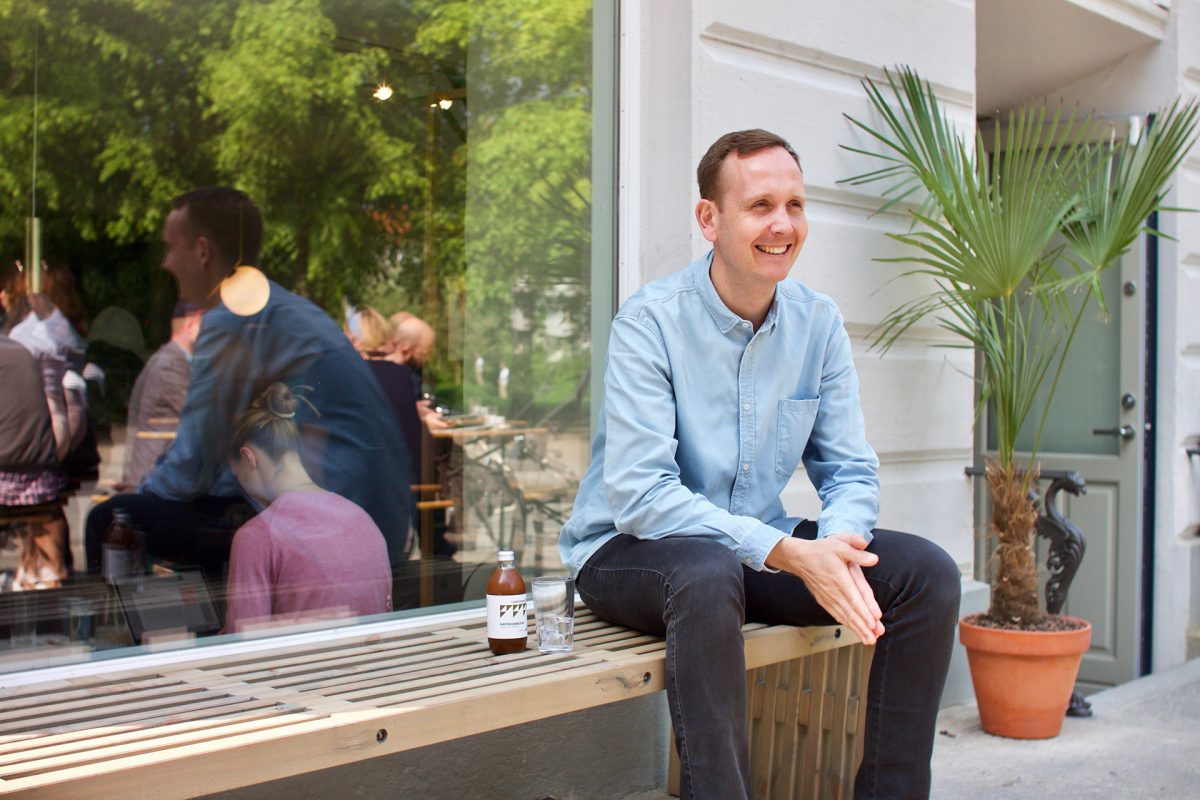
I met with Klaus Thomsen, one of the collective’s (it really is one) four co-founders, at the newest Coffee Collective location on Jægersborggade—just up the street from where it all got started—to talk about the team’s newest cafes, their many culinary collaborations, and what’s next for the company as they approach their ten-year anniversary. As we chatted in the morning glow of early summer light, a stream of regulars took turns ambling down the steps into the just-below-ground coffee shop and greeting the barista like an old friend. Although the doors had only been open for four days, this new shop was, after all, just a couple hundred meters away from the one it replaced. For many of the regulars, the transition was of little consequence. Only now there were higher ceilings, more light, more seating, and an air of confidence that comes with a new coat of paint and ten years of leading the specialty coffee movement in Denmark.
Coffee Collective Copenhagen Denmark Brian W Jones

Klaus Thomsen

Thomsen and I shared an AeroPress of The Coffee Collective’s signature single origin, Kieni from Kenya, in custom cups made by the Polish ceramic artist, Magdalena Kałużna. The warm bluesy vocals of Valerie June floated above our heads from a set of Bang & Olufsen speakers as Thomsen went around the room pointing out his favorite details like a proud new father.

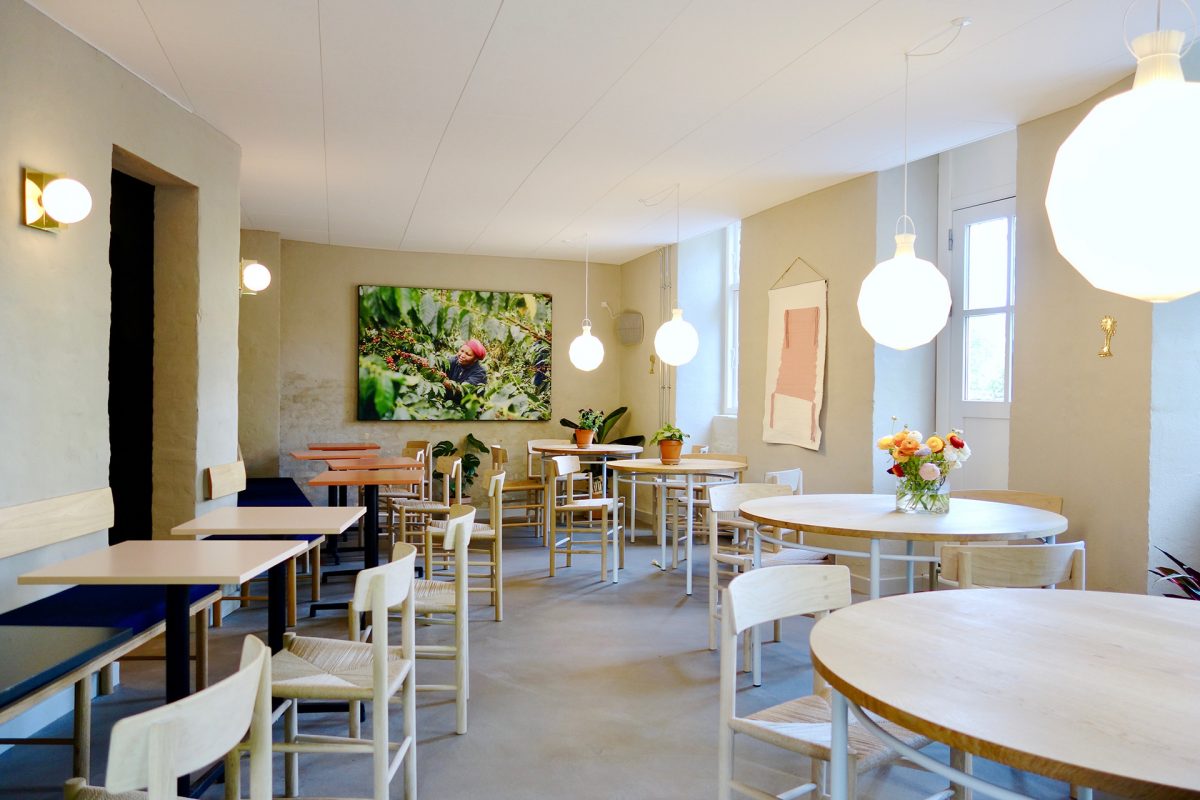
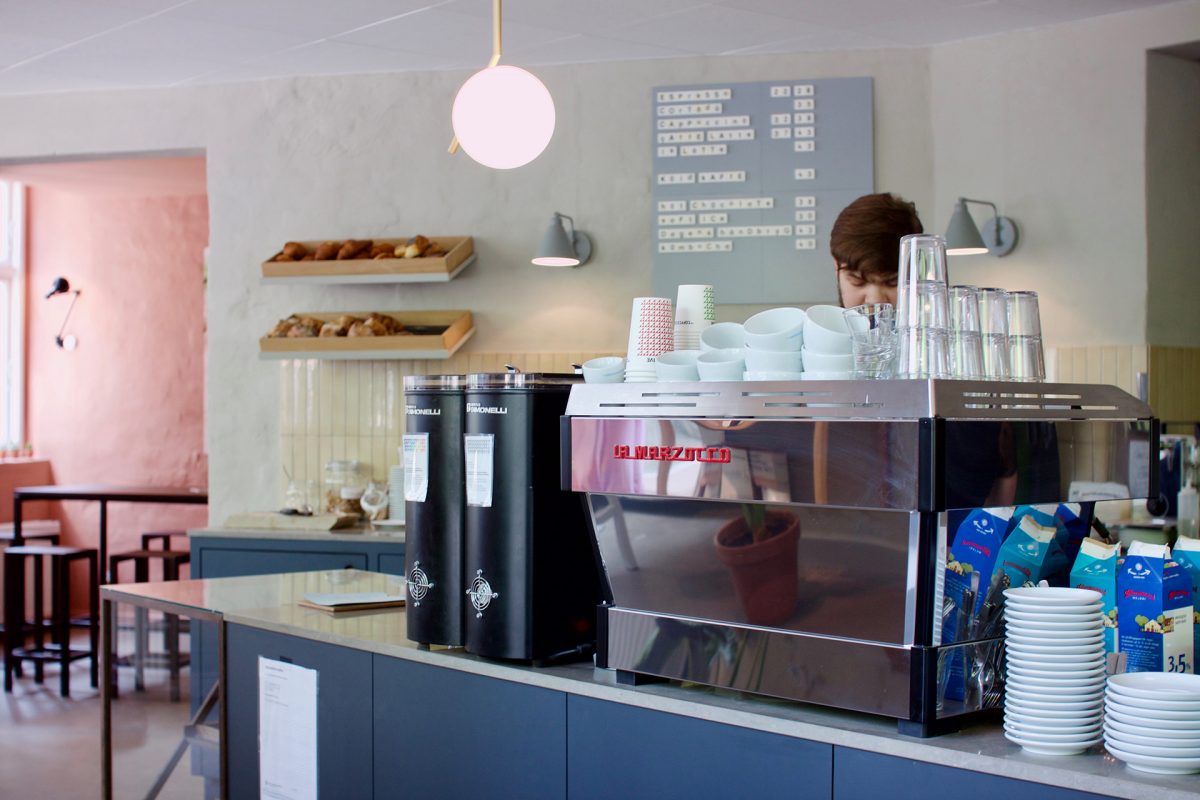
If you ever had the opportunity to visit the original Coffee Collective on Jægersborggade, you remember one of its key features was that it lacked a front bar. When you lowered yourself down the steps and through the front door, it felt like you’d just walked into a friend’s kitchen—intimate and homey, and something Thomsen really wanted to continue. “We’ve always loved this open bar concept where you enter right into the kitchen. It’s something we’ve learned in terms of customer engagement and how you address a person, you don’t hide behind a counter with your backs to the customer,” Thomsen said. “We purposely made the front bar as small as we possibly could, while still fitting a 3-group espresso machine on it. But we wanted to make it as small as possible and as low as possible so it didn’t feel like a big block in front of everything else.”

And though the spacious shop boasts a cool, but cozy aesthetic—Thomsen wanted it to feel like a chic apartment in the surrounding Nørrebro neighborhood—it’s also kept the original store’s Lego menu board. “I’m glad we kept that,” says Thomsen. “It’s one of my favorite elements from the old shop. Since Lego is Danish, it’s nice to have a few things that are playful so it doesn’t get too serious. I find that you lose a bit of personality when it’s too serious.”
Coffee Collective Copenhagen Denmark Brian W Jones

Coffee Collective Copenhagen Denmark Brian W Jones

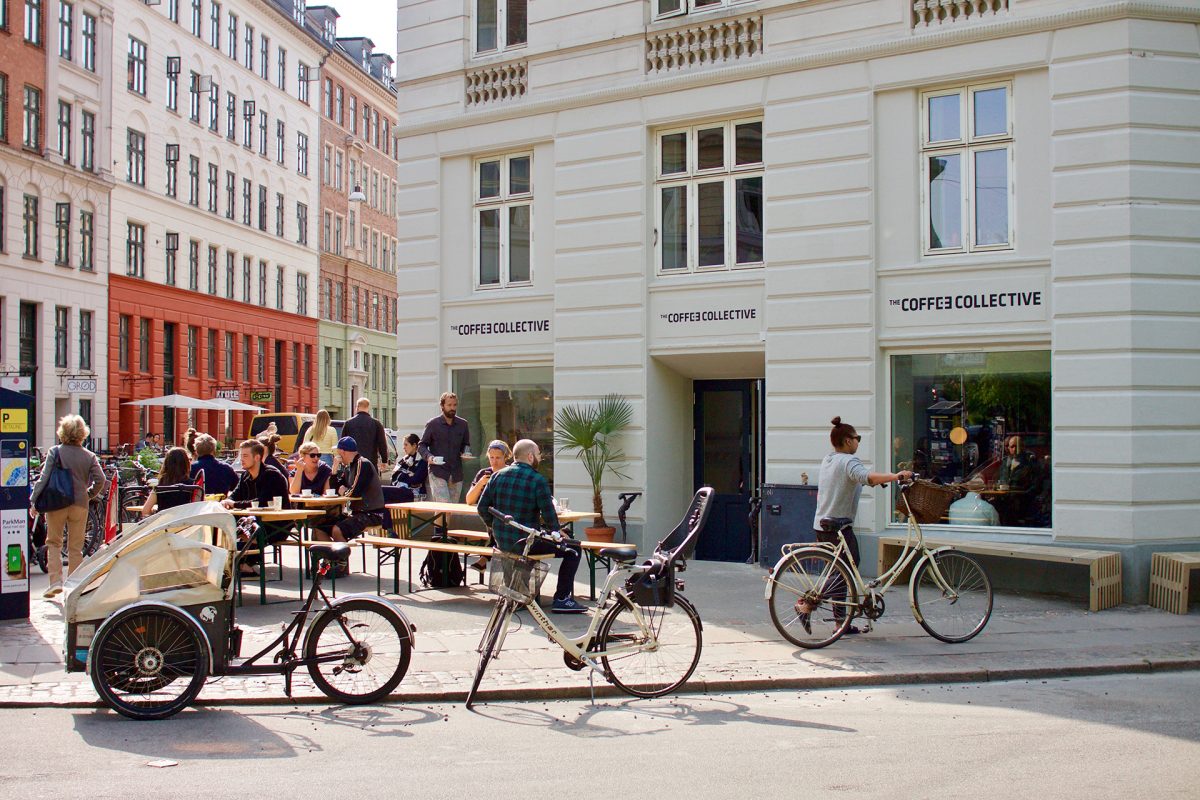
The new location sits on a wide corner, a feature that Thomsen confidently exclaims will lead to a successful cafe under most circumstances. Just across the road is a grassy lawn and a busy bike path leading to the Superkilen development, a sprawling design park a few blocks away. Compared to its predecessor, the shop is quite large. It boasts three times the square footage of the first cafe, and can seat 60 people inside, while you’d be lucky squeezing 12 comfortably into the old digs—and several of those would be standing patrons. And when Copenhagen is experiencing its limited but lovely summer weather, the square out front can seat another 60 guests at picnic tables and window benches. It is quite the idyllic spot and Thomsen couldn’t be happier with it. And though it’s not far from the original, the location caught the attention of an entirely new group of passersby who are discovering Coffee Collective for their first time.

In many ways, the new Jægersborggade cafe represents the journey and growth of The Coffee Collective over the years. When the four co-founders—Thomsen, Peter Nørregaard-Dupont, Casper Engel Rasmussen, and Linus Castanho-Törsäter—were still roasting coffee in an industrial space near Kastrup Airport in August of 2007, they began serving coffee publicly for their first time at a farmer’s market on this very street. It was during that time that Thomsen remembers the public’s excitement about what they were doing, the way the coffee tasted, and the general good vibes they got from the area. Early on, they made a connection with the local community that encouraged them to search nearby for their first retail space. But Jægersborggade 10, where the first Coffee Collective shop was eventually opened, wasn’t the storefront the founders originally fell in love with. Indeed, it was no. 57, the large vacant corner space at the end of the street that they had their eyes on. But Thomsen knew that it was beyond the financial reach of a small startup coffee company, at least at the time. And the space needed a lot of work.

“We looked in the windows and everything was trashed,” said Thomsen of the first time he and his partners walked past 57 Jægersborggade. “And it’s basically been trashed for the last nine and a half years. It’s been parking for bikes and a storage room for carpenters. But it’s gone completely unused all this time. The reason was that it required a completely new build-out. It was such a big undertaking that the co-op who owns the building was never up to doing it until now.”

When it finally came to constructing The Coffee Collective’s largest coffee shop yet, in their dream location, most of the budget was swallowed up by necessary infrastructure improvements. “It’s almost tragic, but the biggest expense of this buildout is what you don’t see,” says Thomsen. “We had to construct a completely new deck between the floors, we had to do new sewage, we had to get this gigantic ventilation system, and electricity and plumbing. Those account for much more than the actual build-out of the coffee shop. Which is ridiculous because they are things the customer will never see.”
Coffee Collective Copenhagen Denmark Brian W Jones

Coffee Collective Copenhagen Denmark Brian W Jones

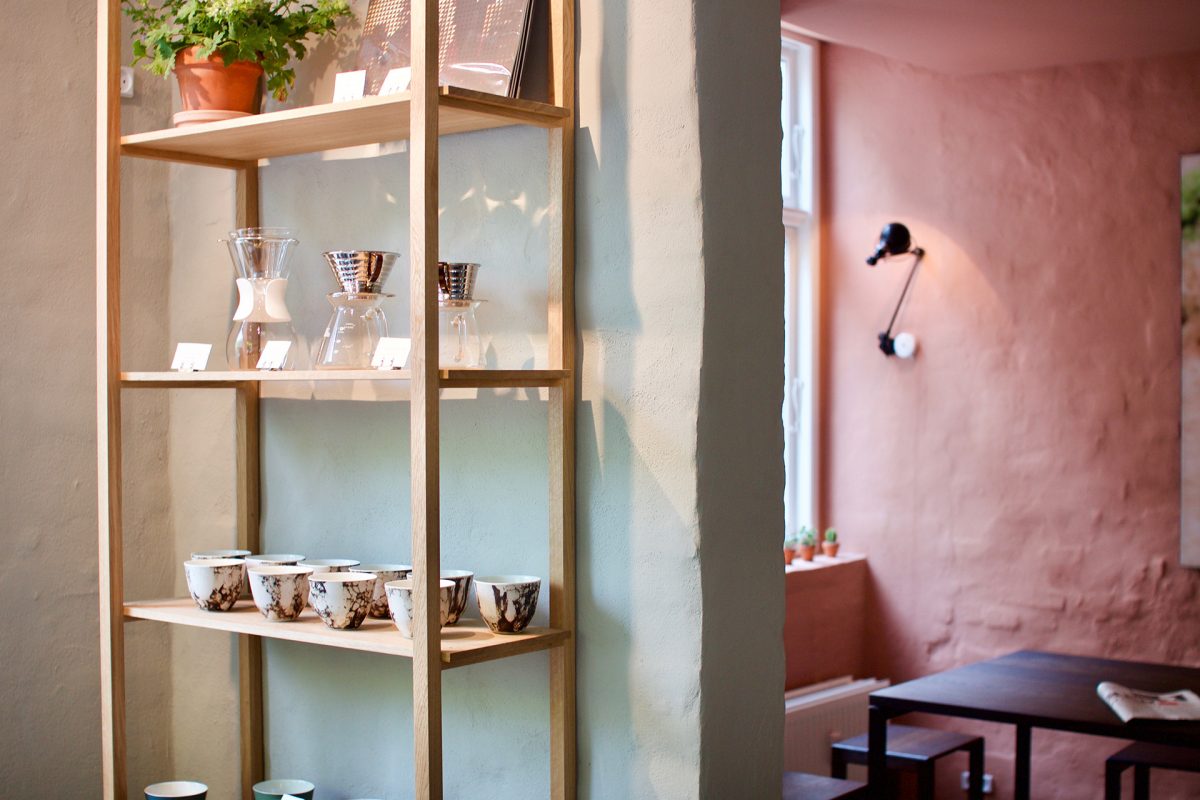
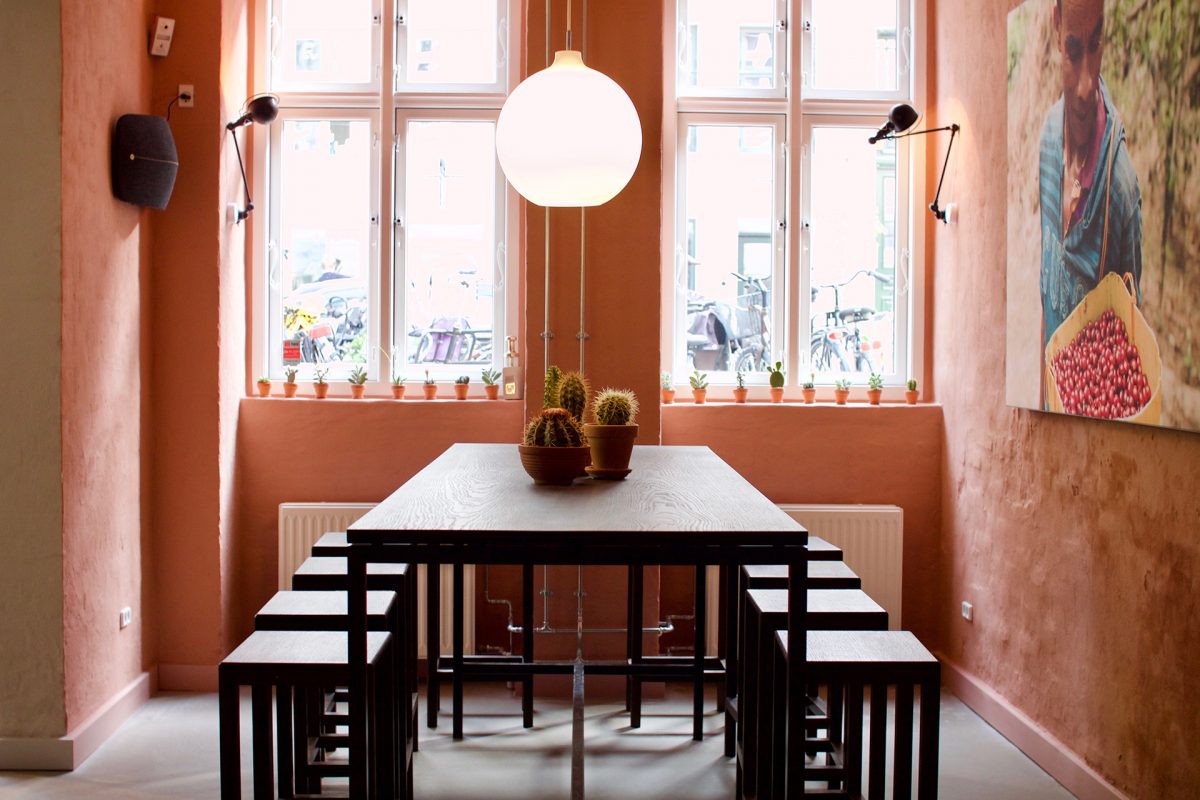
What the customer will see, however, is a soft and reserved Scandinavian aesthetic. The build-out is detail-oriented with an emphasis on custom shelving, well-crafted furniture, and warm colors that give the space its necessary hygge (cozy) vibes thanks to their design collaborators. “We’ve been working really closely with this carpenter duo called Rømer/Harbo who were instrumental in getting the ideas we had into physical design. Suggesting which materials to use and the design of the kitchen cabinets and little details like the brass inside the handles, the simplicity of the tables and the colors.” Thomsen says they really wanted to create the feeling of different rooms, like IKEA, where you could have large round dining tables for groups, high low tables for different types of people, and “different corners where you can sort of hide out and sit and chat quietly and comfortably without feeling like everyone else is listening to you,” says Thomsen. “Because that’s what this coffee shop is, it’s a neighborhood meeting spot.”

With all the help received from Rømer/Harbo, Thomsen says they didn’t relinquish all creative control of the build-out because their team really enjoys that part. “It’s what drives us, that creative process, we all get so much energy from that. We get such a kick out of that whole design phase because that’s really fun,” he said. “And if we just outsourced all of that, we would lose so much of that feeling that this is what we’re working for, to create something that’s unique, that we’re excited for and that excitement spills over to the guests.”

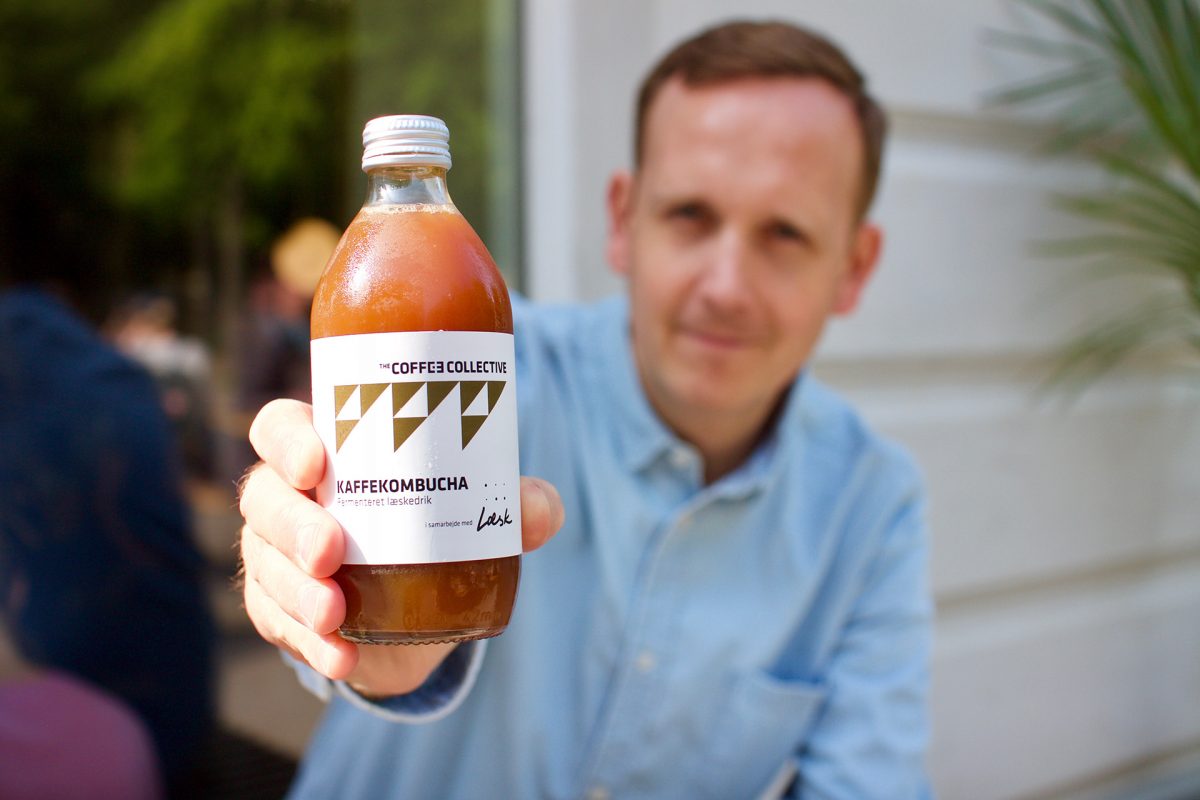
That uniqueness and focus on quality has served the team well in the last ten years, along with being loyal to the coffee producers they work with, and building their brand with an expanding range of collaborations. In the last year and a half alone, while working alongside other leaders in their respective industries, The Coffee Collective has launched a soft serve ice cream, a coffee cheese, coffee caramels, coffee kombucha, a jazz album, coffee beers, and a coffee liqueur.
Coffee Collective Copenhagen Denmark Brian W Jones

Kaffekombucha (Coffee Kombucha)

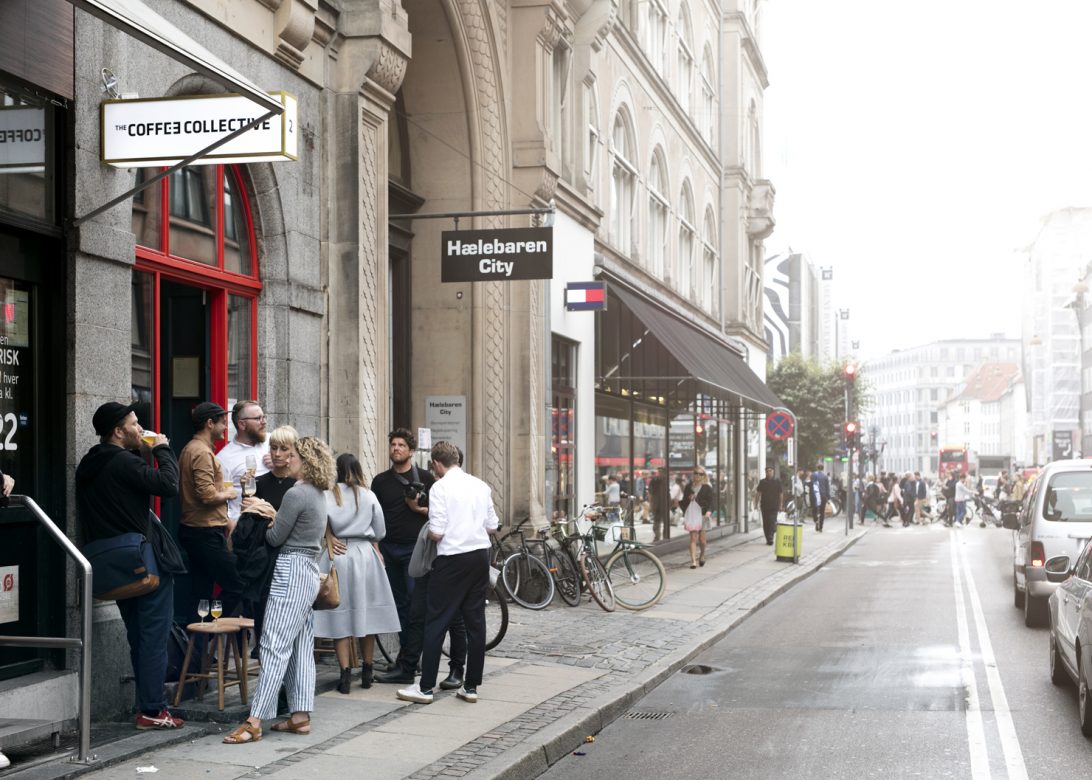
Over the last ten years, The Coffee Collective has been an innovative stalwart of the specialty coffee industry, giving life to some pretty radical ideas—like sharing their green cost on every retail bag and implementing a reusable take-away cup exchange program. But even if an idea doesn’t always pan out, it doesn’t stop the team from trying new things. With all they have accomplished in the last ten years, they’re not slowing down while they celebrate. The new shop on Jægersborggade has been open just three months, but Thomsen and The Coffee Collective team have been busy working on their fifth coffee shop. The new shop, known as Berkinow after the street where it’s located, opened at the beginning of September in an old bodega attached to a beautiful courtyard in Copenhagen’s downtown shopping district, just across the street from a Nespresso store. The new cafe is in the former location of Denmark’s very first draft beer bar, and in honor of that, The Coffee Collective acquired its alcohol license and a six-tap draft system. This will allow baristas, for the first time, to serve up The Coffee Collective’s beer collaborations, draft cocktails, and their new coffee kombucha.
Coffee Collective Copenhagen Denmark Brian W JonesThe Coffee Collective Bernikow. Photo by Chris Tonnesen.

As the company proceeds with its big plans, the company will say goodbye to its first decade and embrace some changes in the process. Along with opening their newest retail stores, the team at The Coffee Collective will say farewell to Linus Törsäter, one of the four co-founders of the company who is leaving to pursue life back in Sweden. But as this chapter of a respectable first ten years comes to an end—the next one is only beginning.

The Coffee Collective is located at Jægersborggade 57, 2200 Copenhagen N and other locations throughout Copenhagen. Visit their official website and follow them on Facebook, Twitter, and Instagram.

Brian W. Jones is the publisher of Dear Coffee, I Love You, author of Brew: Better Coffee At Home, and the creator of Welcome™, an international branding and design studio based in Stockholm, Sweden. Read more Brian W. Jones on Sprudge.

The post The Coffee Collective: Back To The Beginning And Looking Forward appeared first on Sprudge.


from RSSMix.com Mix ID 8200593 http://sprudge.com/the-coffee-collective-124849.html

Monday, September 25, 2017

Here’s Everyone Joining Us (So Far) For The Night Of 1000 Pours

Coffee Loves Beer: The Very Best From Our New Coffee Beer Festival

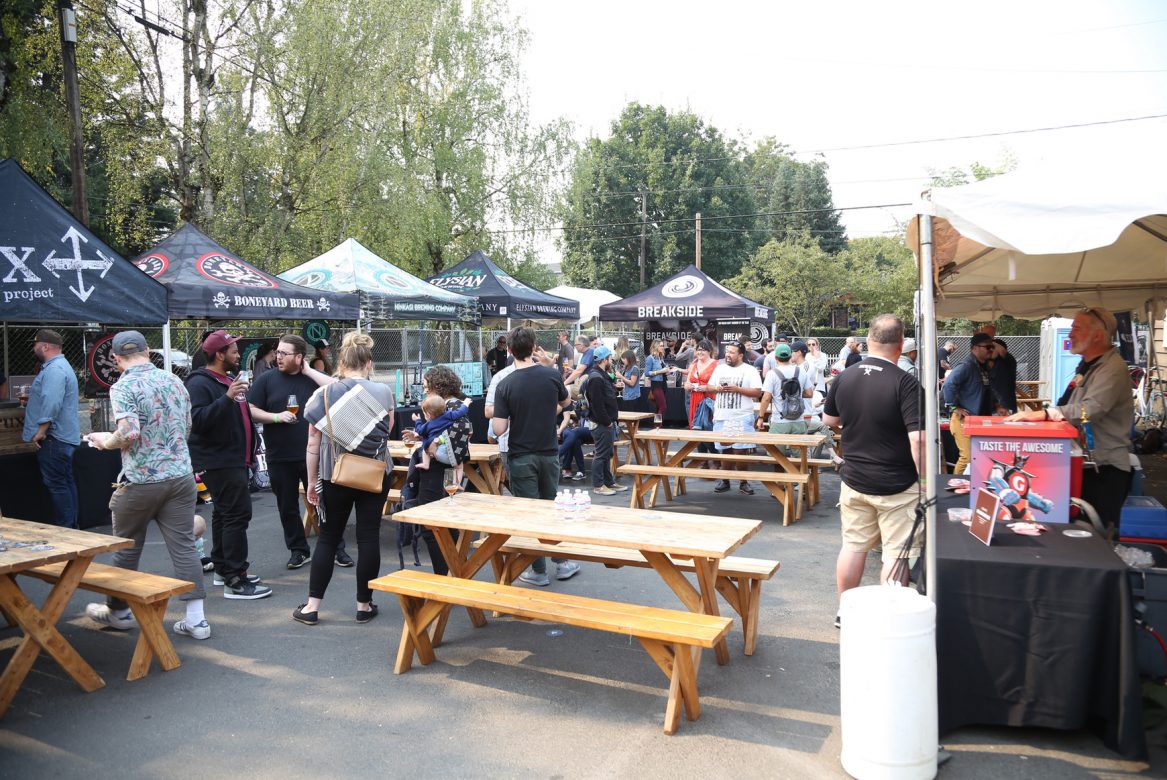
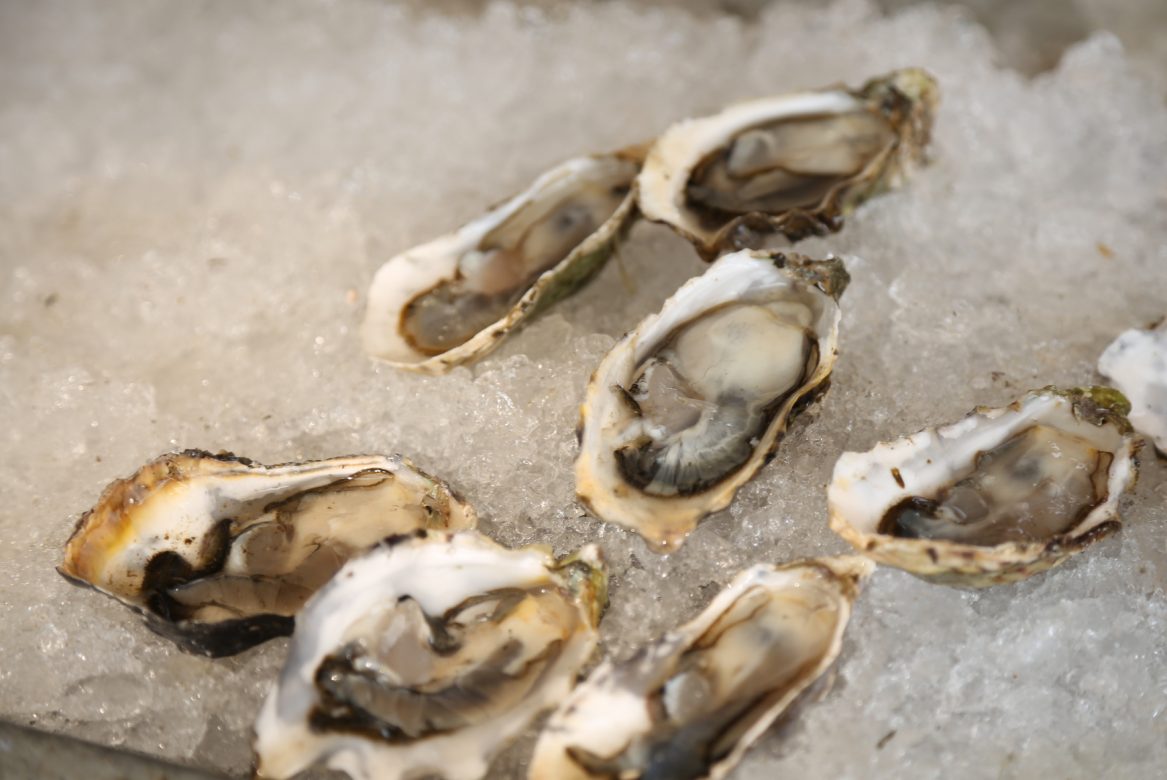
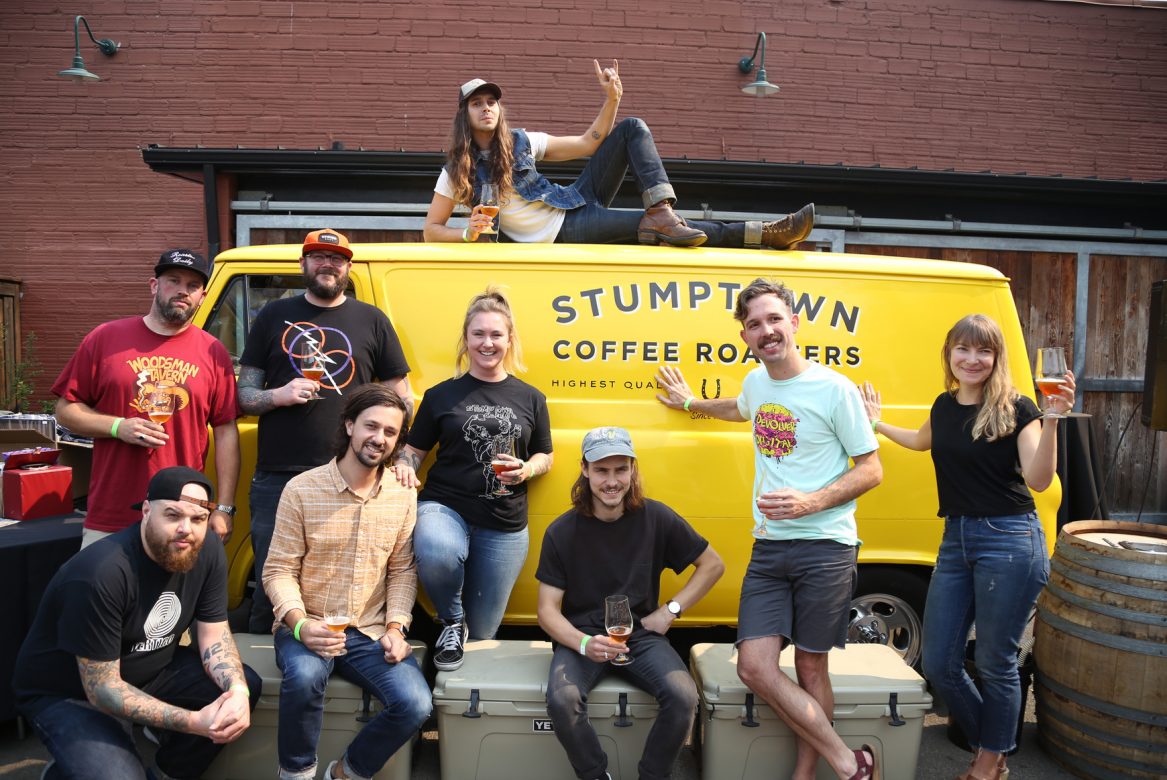
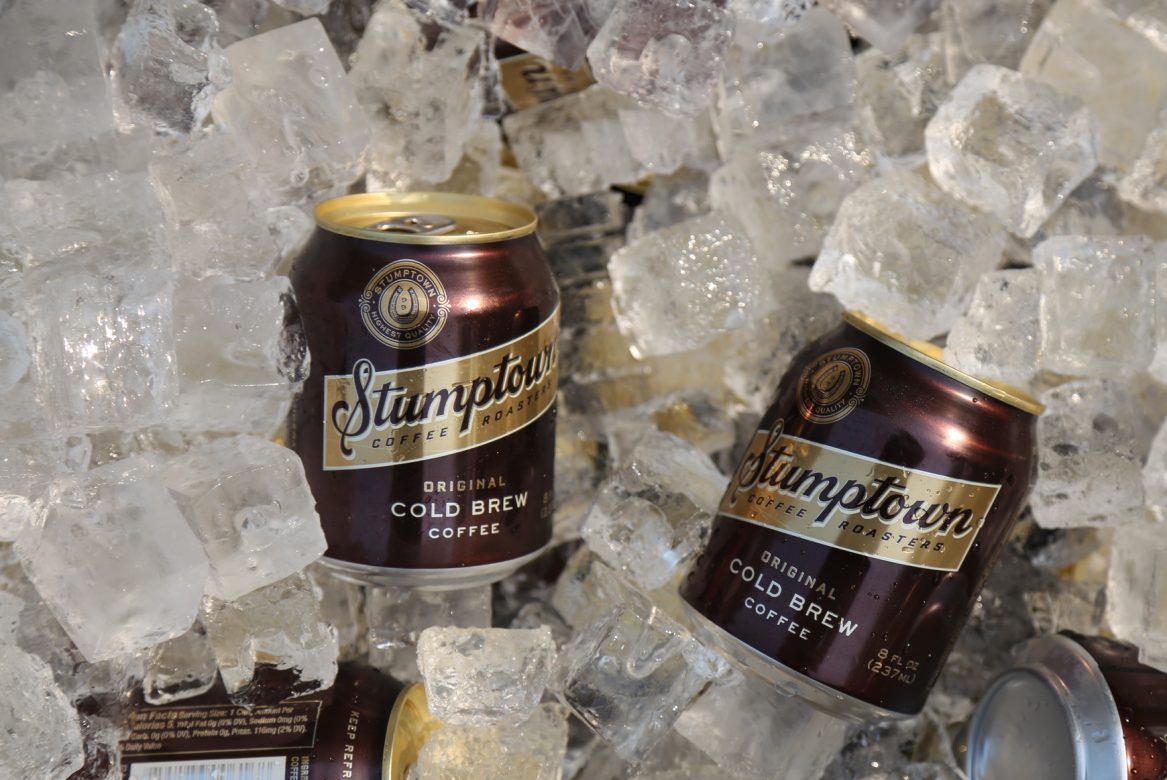
There’s just something about the onset of Autumn. The air changes, the light feels a little different, and the beer? It tastes better, somehow and inarguably. And so it was on a late summer Saturday, as the seasons shifted all around us, that we found ourselves hosting our first ever festival of coffee beers alongside Stumptown Coffee Roasters. Coffee Loves Beer was a celebration of unique coffee beers, drawing on the collaborative skill and intuition of the team at Stumptown Cold Brew and a dozen or so of the Pacific Northwest’s best breweries. We came, we schlepped ice buckets, we hoped folks would show up and have a nice time, and hot damn if y’all didn’t come through in droves—several hundred of our closest friends packing out a parking lot of SE Division for a day of diverse and uniformly wonderful coffee beer creations, plus all-you-can slurp oysters from Hama Hama and a cheeky Ranier or three.

Recapping Coffee Loves Beer is a joy for us. We dug all these beers! There were no stinkers in this bunch—all killer, no filler—so let’s take a look back at some of our very favorites with a special message for those who read straight through to the end. [Spoiler alert: we’re doing more of these, because coffee beer is awesome and people loved partying at this fest. Stay tuned for more coffee beer events announcements from Sprudge in the coming weeks.]

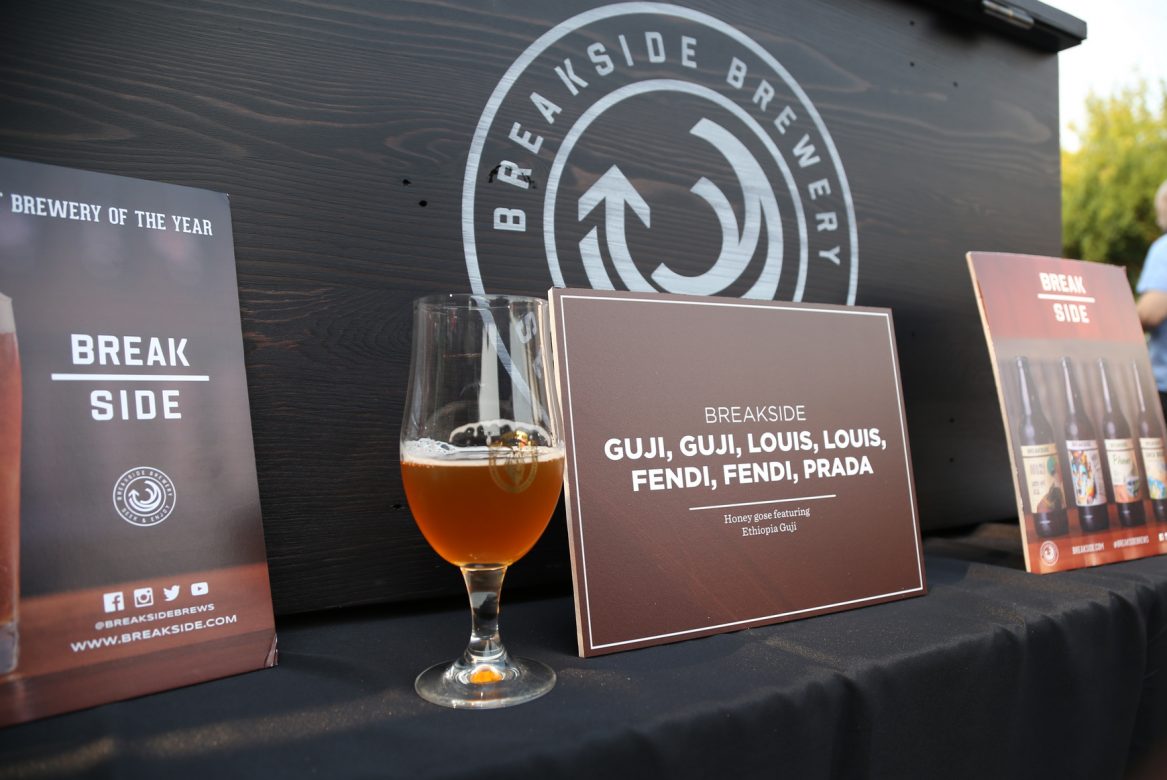
There was considerable early hype around Breakside‘s offering at Coffee Loves Beer, the delightfully named “Guji, Guji, Louis, Louis, Fendi, Fendi, Prada”—and the beer didn’t disappoint, delivering complex layers of Gose coriander and sea salt, tempered by Stumptown’s Ethiopia Guji cold brew. There was a buzzy line around Breakside’s stand all day, but not to be outdone, local cult favorites Cascade Brewing offered another incredible beer for the weekend: the Holler Mountain Sour. Sours are what Cascade is known for, and this was the beer that kept fest-goers coming back for third and fourth pours, so utterly balanced and effortlessly executed.

Throughout the day we noticed a super-secret off-menu pairing gaining viral mindshare across fest goers, and it went a little something like this: take a splash of that Cascade Holler, and pour it straight into one of the fresh-shucked oyster shells from Hama Hama. The result? Like a perfectly bright mignonette. Somebody get this onto a restaurant menu, stat.

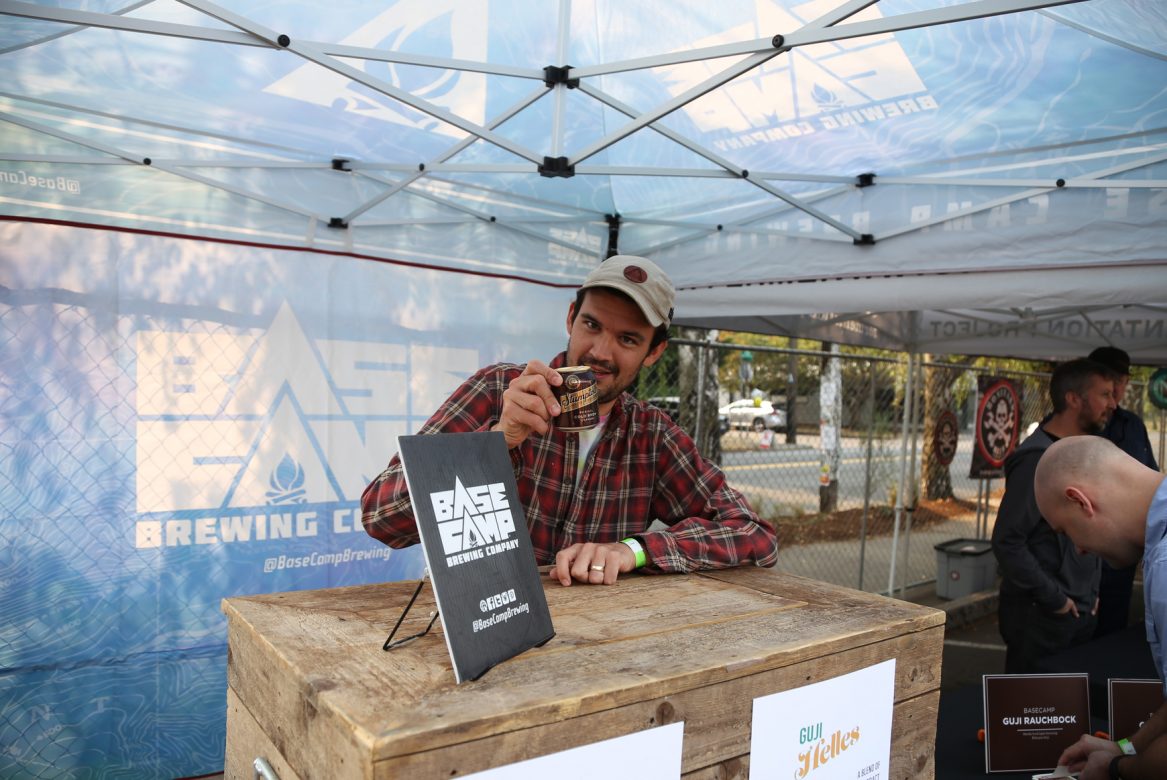
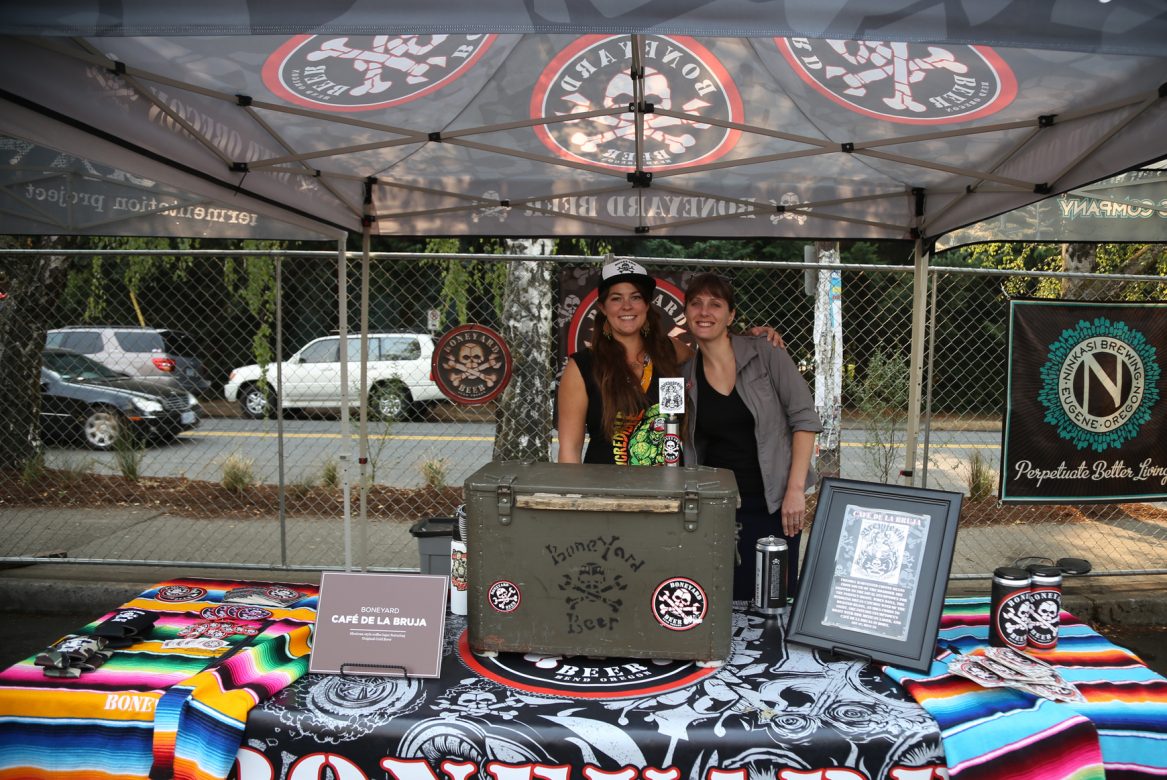
Also showing well was the beer we previewed from Gigantic, the SOLID Guji, with beautiful citrus hoppy notes dancing around the floral coffee tones. The crowd (and Your Sprudge Editors) also sincerely dug offerings from Crux Fermentation Project (“Coffee Play Wave”), Boneyard Brewing (“Cafe De La Bruja” Mexican-style coffee lager) and the twinned offerings from Base Camp, both made using Guji cold brew, resulting in a Guji Rauchbock (smoked, complex, hinting towards Oktoberfest) and Guji Helles (clean, slightly sweet, way too easy to drink, perfect for the dog days of summer). Base Camp’s duel offerings threatened to steal the show, frankly.

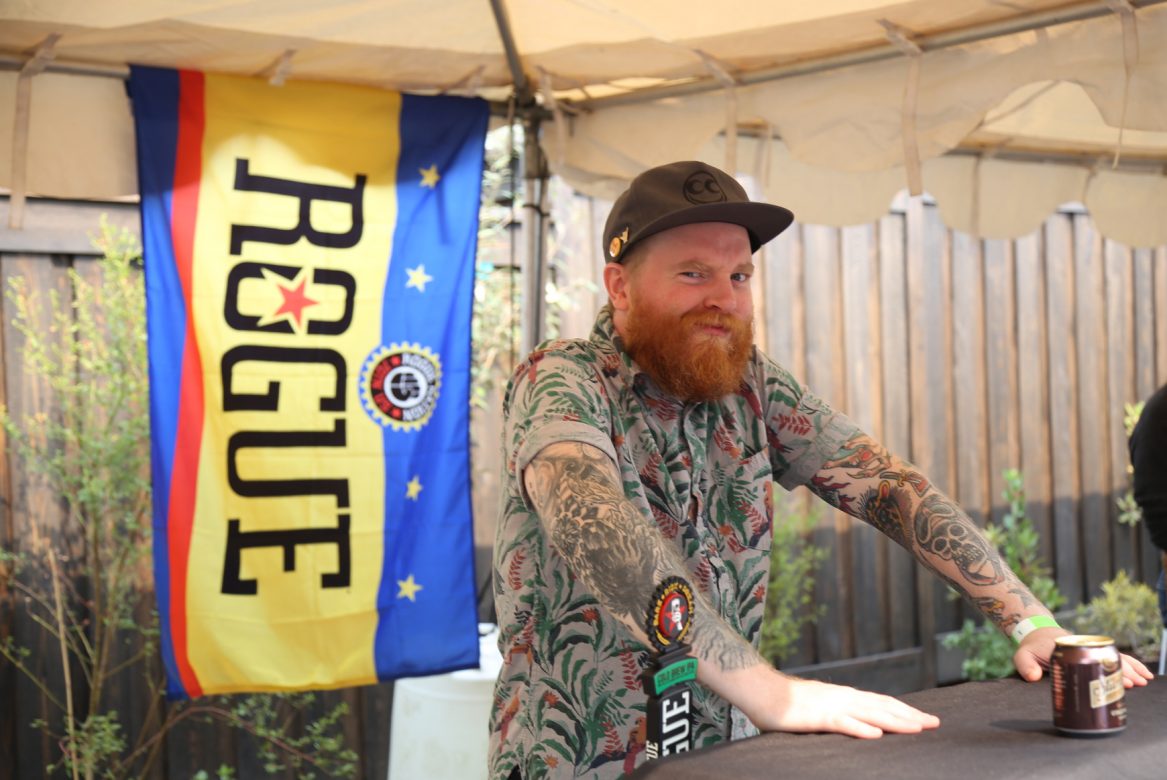
We’ve also got tons of respect for the more widely available beers exhibited at Coffee Loves Beer, including Rogue‘s Cold Brew IPA, Ninkasi‘s Noir Milk Stout, and Elysian Brewing‘s Punkaccino coffee pumpkin beer. A note on that last one: Punkaccino was the last beer I tried at the fest, and the beer around which I had perhaps the fewest expectations. I feel like I, like a lot of beer drinkers, have tried myself a more than fair share of pumpkin ales that taste like somebody melted down a Yankee Candle into a boring ass brown beer. I tend to avoid the stuff; pour me a Märzen come October and let’s skip the seasonal schtick. But wow, this Elysian beer—so totally good and moreish, hinting at pumpkin pie spice and vanilla but never overwhelmed or fake, and totally integrated into something balanced and beautiful. Elysian’s Punkaccino was actually my favorite thing I tried at the fest, and with stiff competition that’s really saying something.

Happily this beer, along with these Ninkasi and Rogue beers, are available in the bottle for beer loves to purchase and savor. If you’re looking to try a glass of something that is both simultaneously an excellent coffee beer and an excellent pumpkin beer, that Punkaccino is not to be missed.

There was so much more fun stuff happening at this fest! Cute babies, cute dogs, nice people representing a lovely cross-section of Portland, friends and collaborators visiting from far afield, and good vibes, so many good vibes. Our biggest takeaway from Coffee Loves Beer is that we want to do this more, so we’re going to do more of this. We’re working now on another coffee beer festival concept coming to the Midwest in early 2018, and if you’re a brewery, coffee roaster, or coffee beer enthusiast looking to get involved in an upcoming event, you should please please get in touch with us so we can talk more.

More coffee beer! More fun! More friends! More, we say. Hang those who talk of less. A huge thank you to the hardworking, Yeti-lugging, ass-kicking team at Stumptown for their vision and hospitality in putting on this incredible event. To our brewery partners, thank you a million times over—and yes, let’s do it again in 2018. Put that on your calendar.

Coffee Loves Beer, beer loves coffee, and we love you most of all.

Jordan Michelman is a co-founder and editor at Sprudge Media Network. Read more Jordan Michelman on Sprudge.

Photos by Zachary Carlsen for Sprudge Media Network.

The post Coffee Loves Beer: The Very Best From Our New Coffee Beer Festival appeared first on Sprudge.


from RSSMix.com Mix ID 8200593 http://sprudge.com/coffee-beer-festival-126080.html